Water Heater Risk Assessment Tool
How to Use This Tool
Answer the questions below to determine your water heater's risk level. This tool helps identify if your unit is at risk of failing and when replacement is recommended.
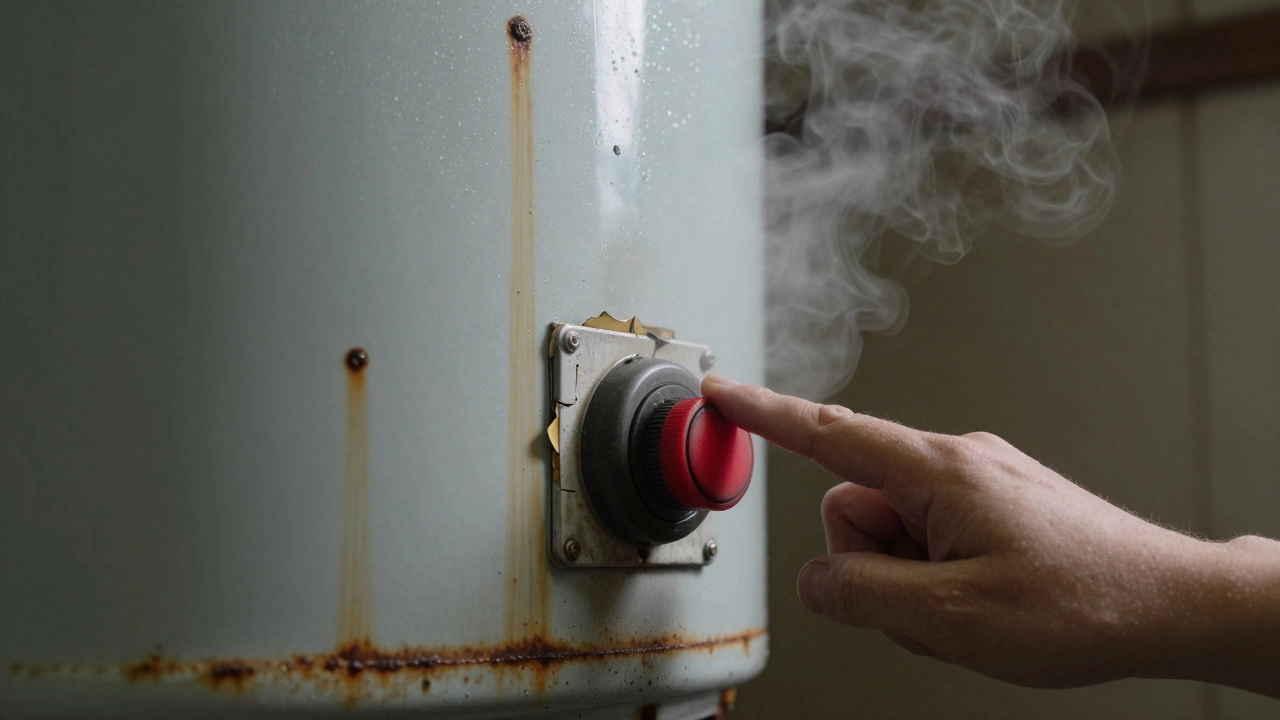
Every winter, someone in Vancouver calls a repair shop because their water heater keeps shutting off. They hit the reset button. Again. And again. And again. It works for a few hours, maybe a day. Then it dies. They reset it. It feels like a fix. But here’s the truth: resetting your water heater isn’t a solution - it’s a warning sign.
Why Does the Water Heater Need Resetting?
Your water heater has a safety feature called a high-limit switch. It’s designed to shut off power if the water gets too hot. That’s not a bug - it’s a lifesaver. Overheating can cause tank rupture, scalding, or even a fire in extreme cases. The reset button is meant for rare, one-time events - like a power surge or a thermostat glitch. Not a daily ritual.
So why does it keep tripping? There are three main reasons:
- Thermostat failure - If the upper thermostat sticks, it keeps heating past the set temperature. The safety switch kicks in to stop it.
- Faulty heating element - A shorted element can overheat the water unevenly, triggering the high-limit switch.
- Bad pressure relief valve - If pressure builds up because the valve won’t open, the tank overheats. Heat + pressure = trip.
None of these are minor. They’re all signs your water heater is failing - and resetting it won’t fix any of them.
What Happens When You Reset It Over and Over?
Each time you press that button, you’re ignoring the real problem. And the system pays the price.
First, the heating elements get stressed. Constant on-off cycles wear out the metal. A typical element lasts 8-12 years. Constant resets can cut that in half. You’ll end up replacing it sooner - and at a higher cost.
Second, the tank lining takes damage. Water heaters have a glass-lined steel tank. When the water overheats repeatedly, the lining cracks. Once that happens, rust starts eating through the metal. You won’t see it. But by the time you notice leaks, the tank’s already done.
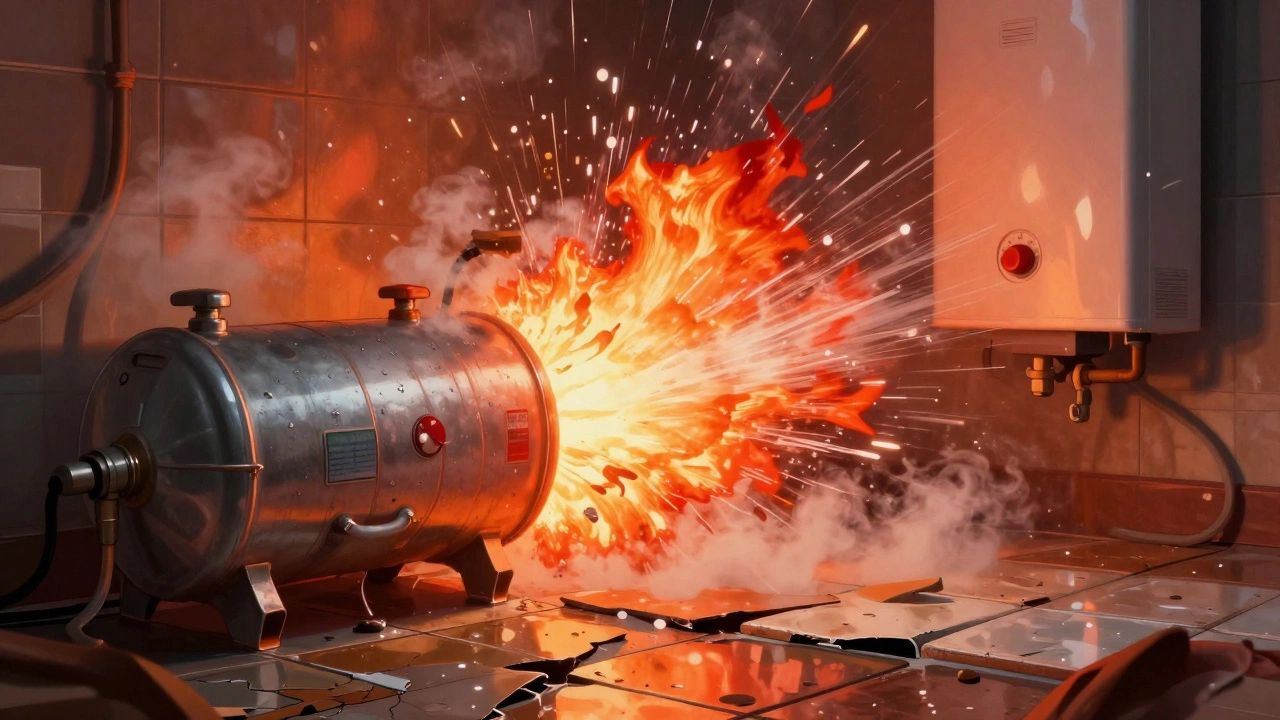
Third, you risk a dangerous situation. The high-limit switch isn’t foolproof. If it fails from overuse, the water heater could keep heating past 210°F - the point where water turns to steam under pressure. That’s when a tank can explode. It’s rare, but it happens. And every reset increases the odds.
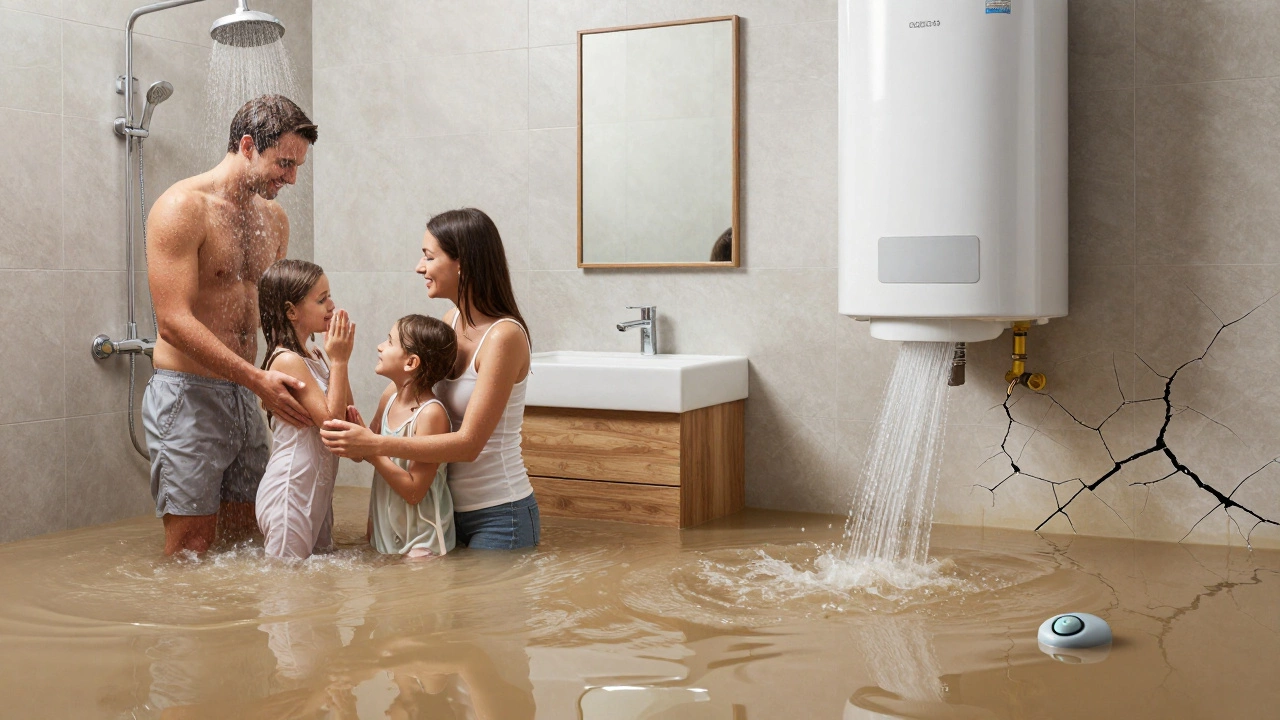
One homeowner in Surrey reset their heater 17 times in 3 weeks. The 18th time, the tank ruptured. Water flooded the basement. Insurance claim: $18,000. The heater was 11 years old. It should’ve lasted another 4.
How to Tell If It’s Time to Replace It
Resetting works once. Twice. Maybe three times. After that, it’s a countdown. Here’s what to look for:
- Water that’s too hot or too cold - If the temperature fluctuates wildly, your thermostat is likely failing.
- Strange noises - Popping, rumbling, or banging means sediment has built up. That traps heat and causes overheating.
- Rusty water - Even a little brown in the hot water? That’s rust from inside the tank.
- Age - Most electric water heaters last 8-12 years. Gas ones last 10-15. If yours is older than 10, reset button or not - start planning for a replacement.
Check the serial number on the tank. The first four digits usually show the month and year it was made. If it’s from 2014 or earlier, you’re already in the danger zone.
What You Should Do Instead
Don’t reset. Diagnose. Then act.
Step 1: Turn off the power. Wait 10 minutes. Then turn it back on. If it runs fine for a full day, you might have had a temporary glitch. But if it trips again? Call a pro.
Step 2: Drain the tank. Sediment buildup is the #1 cause of overheating. Drain 2 gallons from the bottom valve. If you get a lot of grit, that’s your problem. Do this once a year - even if your heater seems fine.
Step 3: Test the pressure relief valve. Lift the lever. Water should flow out. If it doesn’t, or if it leaks afterward, replace the valve. It costs $20. A plumber will charge $150 to do it.
Step 4: If the heater still trips after cleaning and valve checks - it’s time to replace it. Don’t wait for a flood. Don’t wait for no hot water in the middle of winter. Replace it now. A new 50-gallon electric tank costs between $800 and $1,200 installed. That’s less than half the cost of water damage.
What Happens If You Ignore It?
Some people think, “It’s just a water heater. I’ll deal with it later.” But water heaters don’t fail slowly. They fail suddenly. And when they do, they flood.
A leaking tank can dump 50-80 gallons of water in under 10 minutes. That’s enough to ruin drywall, flooring, insulation, and even your neighbor’s ceiling downstairs. Mold grows in 48 hours. Structural damage sets in fast. And insurance won’t cover everything - especially if they find you ignored warning signs.
One family in Burnaby ignored the reset button for 6 months. They thought the cold showers were normal. Then, at 2 a.m., the tank burst. They lost their hardwood floors, their washer, and their basement storage. The repair bill: $22,000. The new water heater? $950.
Resetting isn’t saving money. It’s gambling with your home.
Final Advice
If your water heater resets more than once in a year - replace it. If it resets more than once in a month - replace it yesterday. There’s no magic fix. No clever hack. No way to make an old, failing heater last forever.
Water heaters are simple machines. But they’re under constant pressure. They’re not meant to be babysat. They’re meant to be replaced before they break.
Don’t reset. Replace. It’s the only way to keep your home safe, dry, and warm - without the stress, the cost, or the surprise.