Heat Pump Troubleshooter
What does the air feel like coming from the vents?
Select the option that best describes the airflow temperature.
Check your Thermostat Settings
Look at your current thermostat display.
Inspect the System
Check the indoor unit filter and look outside at the outdoor unit.
Listen and Sniff
Are there any unusual indicators?
It’s the middle of winter, your thermostat is set to 72 degrees, and you’re shivering in a sweater. You check the vents, expecting a blast of cozy warmth, but only cool or lukewukewarm air drifts out. It feels like a betrayal by your own home.
If your heat pump isn’t delivering heat, don’t panic just yet. Before you call a technician for an expensive emergency visit, there are several common culprits you can check yourself. Sometimes, it’s a simple setting; other times, it’s a mechanical hiccup that needs professional eyes. Let’s walk through exactly why this happens and what you can do about it right now.
The Thermostat: The Usual Suspect
Before we tear apart panels or worry about refrigerant leaks, look at the brain of your system: the thermostat. It sounds obvious, but misconfigurations here cause more service calls than any broken part.
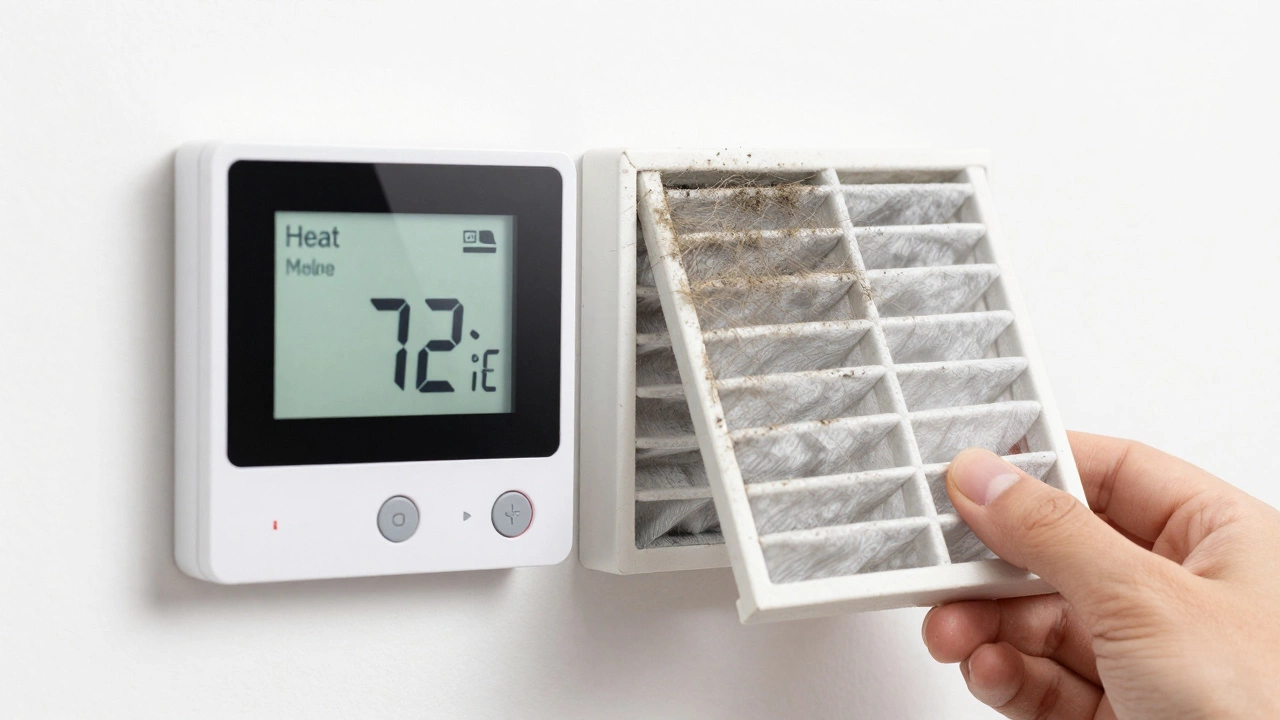
First, ensure the mode is set to "Heat," not "Cool" or "Auto." In "Auto" mode, some systems might switch to cooling if they misread the temperature differential, leaving you confused. Next, check the fan setting. If it’s on "On," the fan runs continuously. This can blow residual cold air from the ducts even when the heat pump isn’t actively heating, making the air feel cooler than expected. Switch it to "Auto" so the fan only runs when the compressor is working.
Also, verify the temperature setpoint. It must be at least 3-5 degrees higher than the current room temperature. If the house is already 70 degrees and you set it to 68, the system won’t fire up. Finally, if your thermostat has batteries, replace them. Weak power can cause erratic behavior, including failure to send the signal to start the heating cycle.
Dirty Filters and Restricted Airflow
Airflow is the lifeblood of a heat pump. Unlike a furnace that generates heat internally, a heat pump moves heat from one place to another. If air can’t move freely, the system chokes.
Check your air filter. If it’s clogged with dust, pet hair, and debris, the blower motor struggles to push air across the indoor coil. This restriction causes two problems: first, less warm air reaches your rooms; second, the evaporator coil (which acts as the condenser during heating mode) can freeze over. Ice buildup blocks airflow entirely, resulting in cold air or no air at all.
Replace your filter if it looks dirty. For standard 1-inch filters, do this monthly during heavy use seasons. For thicker 4-5 inch pleated filters, every 3-6 months is usually sufficient. Also, make sure your supply registers aren’t blocked by furniture, rugs, or curtains. Even one blocked vent can disrupt the pressure balance in your ductwork, reducing overall efficiency and output.
The Reversing Valve Failure
This is where things get technical, but it’s crucial to understand. A heat pump works by reversing the flow of refrigerant. In summer, it pulls heat from inside and dumps it outside. In winter, it does the opposite: pulls heat from the outdoor air (yes, even when it’s cold) and releases it inside.
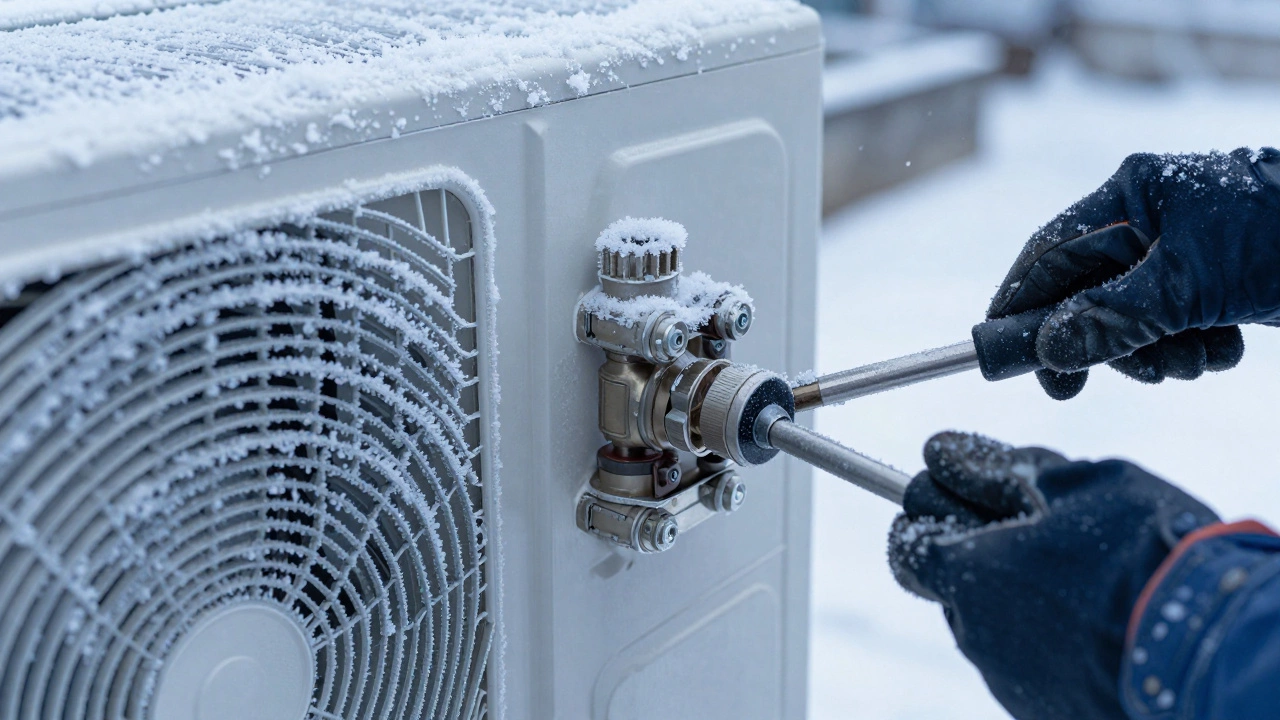
This switch is controlled by a component called the reversing valve. It’s an electrically operated solenoid valve located on the outdoor unit. If this valve gets stuck in the "cooling" position, your heat pump will continue to extract heat from your home and expel it outdoors. You’ll feel cold air coming from the vents because the system is actively cooling your house, thinking it’s July.
How do you know if this is the issue? Go outside and look at the outdoor unit. If you see ice forming on the coils while the system is supposed to be heating, or if the air coming from the vents is distinctly cold (not just lukewarm), the reversing valve might be stuck. Sometimes, tapping the valve gently with a screwdriver handle can jar it loose, but this is a temporary fix. A stuck valve usually requires professional cleaning or replacement because internal debris or electrical failure is often the root cause.
Low Refrigerant Levels
Refrigerant is the fluid that carries heat energy. If your system is low on refrigerant, it can’t absorb enough heat from the outside air to transfer indoors. This results in weak, lukewarm airflow.
Unlike car AC systems that consume refrigerant, a properly sealed heat pump should never lose refrigerant. If levels are low, you have a leak. Common leak points include:
- Loose fittings on the copper lines connecting the indoor and outdoor units.
- Corrosion on the outdoor coil fins.
- Cracks in the refrigerant lines due to vibration or physical damage.
You might notice oil stains around the connection points or hissing sounds near the outdoor unit. Low refrigerant also puts extra strain on the compressor, which can lead to costly burnout if ignored. Do not try to add refrigerant yourself unless you are certified. It requires specialized gauges, vacuum pumps, and knowledge of EPA regulations. Call a pro to find and seal the leak, then recharge the system to the manufacturer’s specified weight.
Frozen Evaporator Coils
We touched on this with airflow, but frozen coils deserve their own spotlight. When your heat pump operates in heating mode, the indoor coil absorbs heat from the refrigerant and releases it into your home. Wait-actually, in heating mode, the indoor coil is the *condenser* (releasing heat), and the outdoor coil is the *evaporator* (absorbing heat). Confusing terminology, I know.
However, if airflow is restricted or refrigerant is low, the outdoor coil can drop below freezing temperatures. Moisture in the air freezes onto the coil fins, creating a block of ice. As the ice thickens, it covers more surface area, preventing heat exchange. Eventually, the system can’t pull any heat from the outside air, so it stops heating effectively.
Your heat pump has a built-in defrost cycle to melt this ice automatically. But if the defrost control board fails, or if the sensor thinks the coil isn’t frozen when it is, the ice remains. Look outside: if the outdoor unit is covered in ice, turn the system off immediately. Let it thaw naturally (do not chip at the ice with sharp objects-you’ll puncture the coils). Once thawed, run the system again. If it refreezes quickly, you likely have an airflow or refrigerant issue that needs professional diagnosis.
Blower Motor Issues
The blower motor pushes air through your ducts. If it’s failing, you might hear unusual noises-grinding, squealing, or rattling-or you might feel very little air movement despite the system running.
A worn-out capacitor can prevent the motor from starting. Capacitors are inexpensive parts that give the motor the initial jolt to spin up. If the capacitor is bad, the motor hums but doesn’t turn. A technician can test and replace this easily.
Alternatively, the motor bearings might be worn out. Over years of operation, lubrication dries up, and friction increases. This leads to overheating and eventual seizure. If the blower doesn’t run, the heat generated by the compressor can’t be distributed, causing the system to shut down via safety limits to prevent damage. Check if the motor is hot to the touch. If it is, let it cool down before resetting the breaker. Persistent overheating means the motor needs replacement.
When to Call a Professional
You’ve checked the thermostat, changed the filter, and ensured vents are clear. Still no heat? Or perhaps you noticed ice, oil leaks, or strange smells? It’s time to call an HVAC specialist.
Specific signs that require immediate professional attention include:
- Burning smell: Could indicate an electrical short or overheating motor.
- Freon smell: Sharp, chemical odor suggesting a refrigerant leak.
- Short cycling: System turns on and off every few minutes.
- Louder than usual noise: Banging, screeching, or flapping sounds.
In Vancouver, where winters are damp and mild but occasionally drop below freezing, heat pumps work hard. Regular maintenance-cleaning coils, checking refrigerant pressures, and inspecting electrical connections-can prevent these breakdowns. Schedule a tune-up once a year, ideally in early fall before the heating season kicks into high gear.
Is it normal for my heat pump to blow slightly cool air?
Yes, somewhat. Heat pumps typically deliver air between 90°F and 110°F, whereas gas furnaces can blow air up to 130°F. If the air feels tepid compared to a traditional furnace, that’s normal physics, not necessarily a malfunction. However, if it feels distinctly cold or the temperature difference between supply and return air is less than 10-15 degrees, there’s likely an issue.
Can I reset my heat pump myself?
You can try turning the thermostat off, waiting 30 seconds, and turning it back on. You can also check your home’s circuit breaker panel to ensure the HVAC breaker hasn’t tripped. If the system has a disconnect switch near the outdoor unit, you can flip it off and on. However, avoid repeatedly resetting breakers if they trip immediately, as this indicates a serious electrical fault.
Why does my heat pump stop working when it gets really cold outside?
Most residential heat pumps lose efficiency as temperatures drop below 30°F (-1°C). Some models shut down completely or rely on backup electric resistance heaters (strip heaters) to maintain comfort. If your system lacks auxiliary heat or the strips are faulty, you’ll feel a significant drop in warmth during deep freezes. Ensure your thermostat is set to use "Emergency Heat" only when necessary, as it consumes much more electricity.
How much does it cost to fix a heat pump not blowing warm air?
Costs vary widely based on the issue. Replacing a thermostat or capacitor might cost $150-$300. Fixing a refrigerant leak involves finding the leak ($100-$200 labor) plus the cost of refrigerant ($50-$150 per pound) and recharging. Replacing a reversing valve or compressor can range from $800 to $2,500+. Always get a detailed quote before authorizing major repairs.
Should I replace my old heat pump if it’s not heating well?
If your unit is over 10-15 years old and uses R-22 refrigerant (now phased out), replacement is often more economical than repair. Newer models are significantly more efficient, especially in colder climates like Vancouver. Look for units with high HSPF (Heating Seasonal Performance Factor) ratings. If the repair cost exceeds 50% of the price of a new unit, consider upgrading.