Freezer Health Diagnostic Tool
1 The Temperature Test
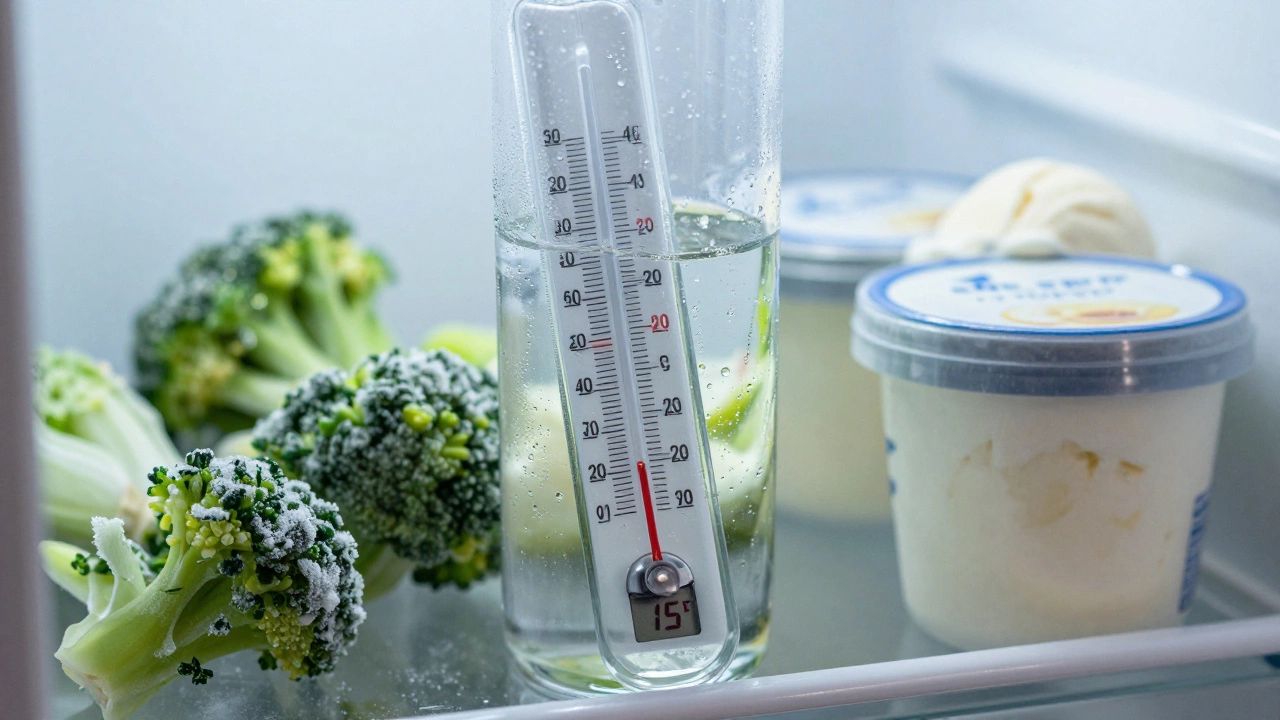
Place a thermometer in a glass of water inside the freezer for 2 hours. What does it read?
Diagnosis Result
Your freezer hums quietly in the corner, a silent guardian against food spoilage. But what happens when that silence turns into a warm breeze or a block of ice encasing your last bag of peas? You open the door, expecting cold air, and instead feel a lukewarm draft. Panic sets in. Is it just a setting error, or is your freezer a household appliance designed to keep food frozen at temperatures below 0°F (-18°C) for long-term preservation completely dead?
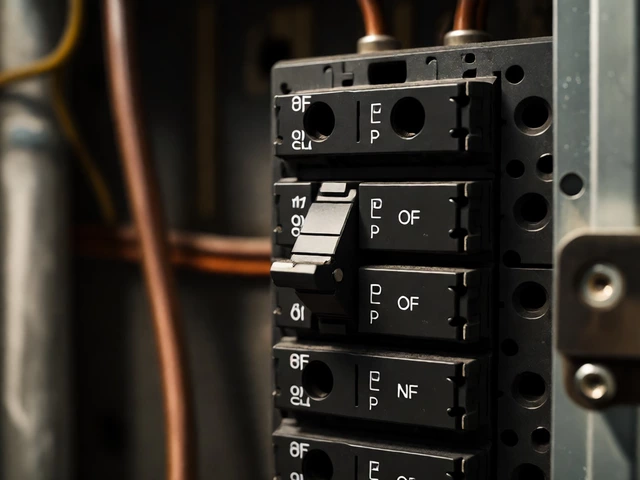
Before you call a technician and face a hefty service fee, take a breath. Most "broken" freezers are actually suffering from simple, fixable issues like a tripped breaker, a dirty coil, or a faulty door seal. Knowing how to diagnose these problems yourself can save you hundreds of dollars and prevent you from throwing away expensive groceries.
The Temperature Test: The First Line of Defense
The most obvious sign that something is wrong is temperature. However, relying on your sense of touch through the door isn't enough. Air inside the freezer might feel cold, but if the compressor is struggling, the actual storage temperature could be rising dangerously close to thawing point.
Grab a standard kitchen thermometer. Place it in a glass of water inside the freezer, ensuring the bulb doesn't touch the sides or the bottom. Leave it there for at least two hours. When you check it, the reading should be at or below 0°F the target temperature for safe food storage in a freezer, equivalent to -18°C. If the thermometer reads between 0°F and 10°F, your freezer is running too warm. Food safety guidelines state that bacteria grow rapidly above 40°F (4°C), so anything consistently above 10°F risks spoiling your meat, dairy, and frozen vegetables within days rather than months.
If the temperature is correct, your freezer is likely fine. If it’s high, move to the next checks. Don’t assume the worst immediately; sometimes the thermostat dial was accidentally bumped during cleaning.
Frost Buildup: The Silent Killer
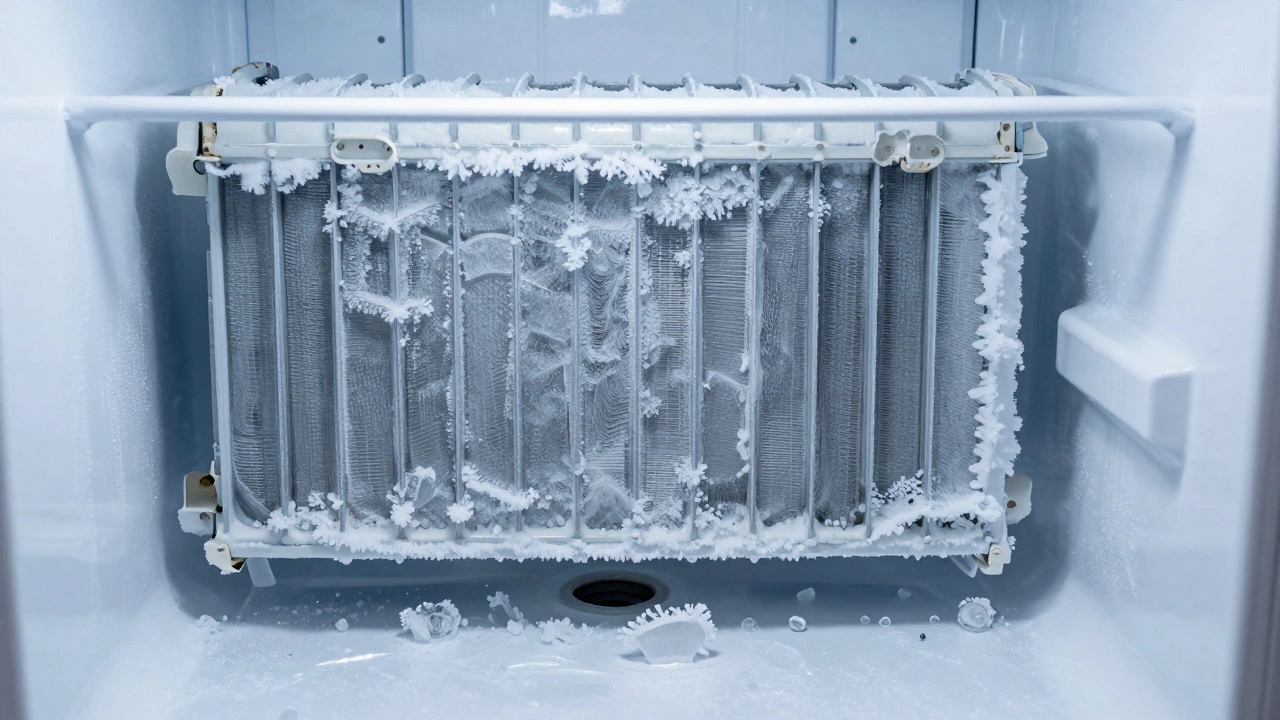
Open the freezer door and look closely at the back wall and around the evaporator coils. A thin layer of frost is normal. However, if you see thick, white chunks of ice covering the shelves, the floor, or the coils themselves, you have a problem. This is known as excessive frost buildup.
In modern frost-free freezers, this usually points to a failure in the automatic defrost system. Your freezer has a defrost heater an electrical component that periodically melts frost off the evaporator coils to maintain efficiency, a defrost timer, and a defrost thermostat. If any of these fail, frost accumulates until it insulates the coils, preventing them from absorbing heat. The result? The freezer works harder, uses more electricity, and eventually stops cooling effectively.
Check the drain hole at the bottom of the freezer compartment. If it’s clogged with ice or debris, melted water can’t escape, leading to pooling water and refreezing. Use a turkey baster filled with warm water to clear the drain tube. If the frost returns quickly after manual defrosting, the defrost heater or thermostat is likely faulty and needs replacement.
Strange Noises: What Your Freezer Is Trying to Tell You
Freezers aren't supposed to be loud, but they do make sounds. A gentle humming or occasional clicking is normal. However, new or changing noises often signal mechanical distress.
- Loud buzzing: This often indicates a failing compressor or a blocked condenser coil. If the coils are dusty, the compressor has to work overtime, creating vibration and noise.
- Clicking repeatedly: If you hear a click followed by silence, then another click minutes later, your compressor relay might be stuck. It tries to start the compressor, fails, resets, and tries again. This is a common issue in older units.
- Rattling or grinding: These sounds usually come from the evaporator fan motor or the condenser fan motor. If the fan blade hits ice buildup, it will rattle. If the motor bearings are worn out, it will grind.
To diagnose fan issues, unplug the freezer. Locate the evaporator fan (usually behind the back panel inside the freezer) and spin the blades by hand. They should spin freely. If they’re stiff or wobbly, the motor needs replacing.
Condenser Coils: The Hidden Heat Exchangers
Most people forget about the condenser coils until their freezer breaks. Located either on the back of the unit or beneath the front grille, these coils release heat from inside the freezer to the room. If they are covered in pet hair, dust, and lint, they can’t dissipate heat efficiently.
When coils are dirty, the compressor runs continuously to try to reach the set temperature. This leads to higher energy bills and premature wear on the compressor. Pull the freezer away from the wall (if accessible) or remove the front kickplate. Use a coil brush or a vacuum cleaner with a hose attachment to clean the fins. Be gentle; the aluminum fins are fragile and can bend easily. Cleaning these coils every six months can extend the life of your freezer significantly.
Door Seals: Keeping the Cold In
A broken door seal is one of the most common causes of freezer inefficiency. If warm, moist air leaks into the freezer, it condenses on the cold surfaces, forming frost and forcing the compressor to run longer.
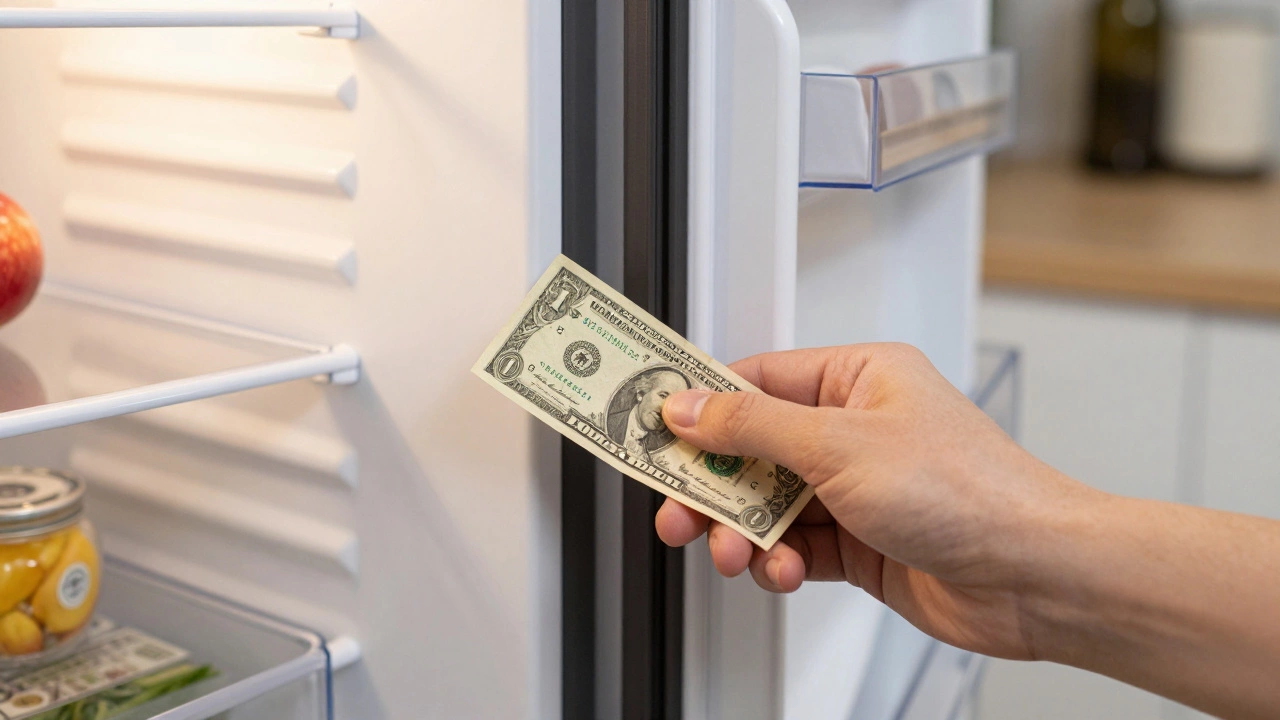
Perform the dollar bill test. Close the freezer door on a dollar bill so that half of it sticks out. Try to pull the bill out. If it slides out easily without resistance, your seal is weak. Repeat this test at various points around the door. If the seal is cracked, torn, or warped, it needs to be replaced. Replacement seals are inexpensive and easy to install-you simply peel off the old gasket and snap the new one into place.
When to Call a Professional vs. DIY
Not every freezer issue requires a technician. Simple fixes like cleaning coils, clearing drain tubes, and replacing door seals are perfect DIY projects. However, some components involve high voltage or refrigerant handling, which should be left to pros.
| Issue | Difficulty | Action |
|---|---|---|
| Dusty Condenser Coils | Easy | Clean with vacuum/brush |
| Clogged Drain Hole | Easy | Clear with warm water/turkey baster |
| Worn Door Seal | Medium | Replace gasket kit |
| Faulty Defrost Heater | Medium | Replace part (requires multimeter) |
| Compressor Failure | Hard | Call professional |
| Refrigerant Leak | Hard | Call professional (illegal to handle refrigerant without certification) |
If your freezer is more than 10 years old and the compressor has failed, it might be more cost-effective to replace the entire unit rather than repair it. Modern freezers are significantly more energy-efficient, saving you money on electricity over time.
Safety First: Handling Frozen Food
If your freezer is definitely broken and won’t recover, act fast. Keep the door closed as much as possible. A full freezer will stay cold for about 48 hours; a half-full freezer for about 24 hours. You can extend this time by adding bags of ice or dry ice if available.
Once you need to unpack, check the temperature of your food. If it still contains ice crystals or feels refrigerator-cold (40°F or below), it can be safely refrozen. Discard any perishables that have been above 40°F for more than two hours. When in doubt, throw it out. Foodborne illness is far more expensive than a few spoiled steaks.
How long does a typical freezer last?
The average lifespan of a standalone freezer is 11 to 15 years. Built-in freezer compartments often last slightly less, around 10 to 12 years, due to shared components with the refrigerator section. Regular maintenance, such as cleaning coils and checking seals, can extend this life by several years.
Why is my freezer making a buzzing noise?
A buzzing noise usually indicates a problem with the compressor or the condenser fan. It can also be caused by dirty condenser coils, which force the compressor to work harder and vibrate more. Check the coils first; if they’re clean, the issue may be a failing compressor or fan motor.
Is it worth repairing an old freezer?
If the repair cost exceeds 50% of the price of a new, energy-efficient model, it’s usually better to replace it. Additionally, if the freezer is over 10 years old and has a major component failure like the compressor, replacement is often more economical in the long run due to lower energy consumption.
Can I manually defrost my freezer?
Yes, you can manually defrost your freezer by unplugging it and letting the ice melt naturally. Place towels on the floor to catch water. Never use sharp objects to chip away ice, as you can puncture the refrigerant lines, causing a total loss of cooling capability and requiring a costly professional repair.
What causes water pooling under the freezer?
Water pooling under the freezer is typically caused by a clogged defrost drain tube. During the defrost cycle, melted ice flows down this tube to a drain pan where it evaporates. If the tube is blocked by ice or food debris, water spills out onto the floor. Clearing the tube with warm water usually resolves the issue.