Microwave Magnetron Diagnostic Tool
Select all symptoms you are experiencing with your microwave to diagnose potential magnetron failure.
No Heat
Runs normally but food stays cold
Strange Noises
High-pitched whining, buzzing, or loud bangs
Sparks/Arcing
Blue or white sparks inside cavity
Uneven Cooking
Hot spots or takes much longer than usual
Burning Smell
Ozone or burning plastic smell without burnt food
Won't Start
Completely unresponsive when pressing start
Diagnosis Result
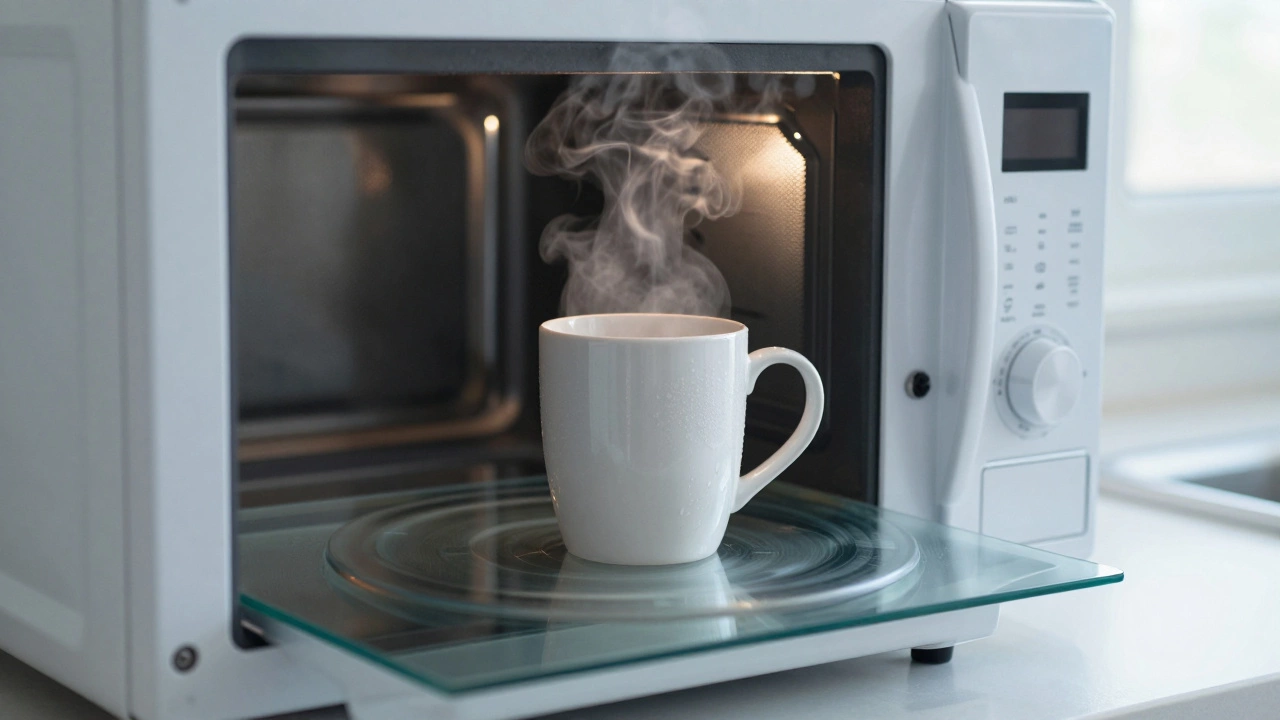
Start OverYour coffee is cold. Again. You press start, the turntable spins, and the hum of the motor fills the kitchen, but thirty seconds later, your mug is still room temperature. It’s frustrating, but before you toss that expensive appliance into the recycling bin, you need to know what’s actually broken. In most cases where a microwave runs but doesn’t heat, the culprit is a single component: the magnetron is the high-power vacuum tube that generates microwaves to cook food. Think of it as the heart of the machine. If the heart stops pumping, the body might look alive, but it’s not functioning.
A failing magnetron rarely gives a simple "on or off" signal. It usually degrades over time, showing subtle warning signs that most homeowners miss until the unit completely dies. Identifying these symptoms early can save you hundreds of dollars in unnecessary replacements or dangerous DIY repairs. Let’s break down exactly how to spot a bad magnetron and decide if it’s worth fixing.
The Silent Killer: No Heat But Normal Operation
The most obvious sign of a bad magnetron is when the microwave appears to work perfectly but fails to raise the temperature of anything inside. The light turns on. The fan whirs. The plate rotates. But after two minutes, your frozen burrito is still rock hard. This specific combination of symptoms points directly to the magnetron. If the control board were dead, nothing would happen. If the door switch failed, the unit wouldn’t start at all. When everything moves except the heat, the magnetron has likely burned out its internal filaments or lost its ability to generate electrons.
This isn’t just an inconvenience; it’s a safety issue. A magnetron that produces no heat but draws power is wasting electricity and potentially overheating other components like the high-voltage capacitor. Don’t keep testing it by running empty cycles. Each minute of operation without proper cooling airflow can damage the waveguide cover or melt the interior lining.
Strange Noises: From High-Pitched Whines to Loud Bangs
Microwaves are designed to be relatively quiet, producing a low hum from the transformer and fan. A healthy magnetron operates silently. When you start hearing unusual noises, pay attention. A high-pitched squeal or chirping sound often indicates arcing inside the magnetron tube. As the internal components degrade, tiny gaps form where electricity jumps across air instead of flowing through conductive material. This creates plasma, which sounds like static or a scream.
In more severe cases, you might hear a loud bang or pop when you first press start. This is often the sound of the filament breaking inside the vacuum tube. Once that happens, the magnetron is dead. There is no repair for this. Some users report a rattling noise, which could mean the internal antenna has loosened and is vibrating against the housing. While less common than silence, any new noise coming from the back of the unit while heating is a red flag.
Visible Sparks and Arcing Inside the Cavity
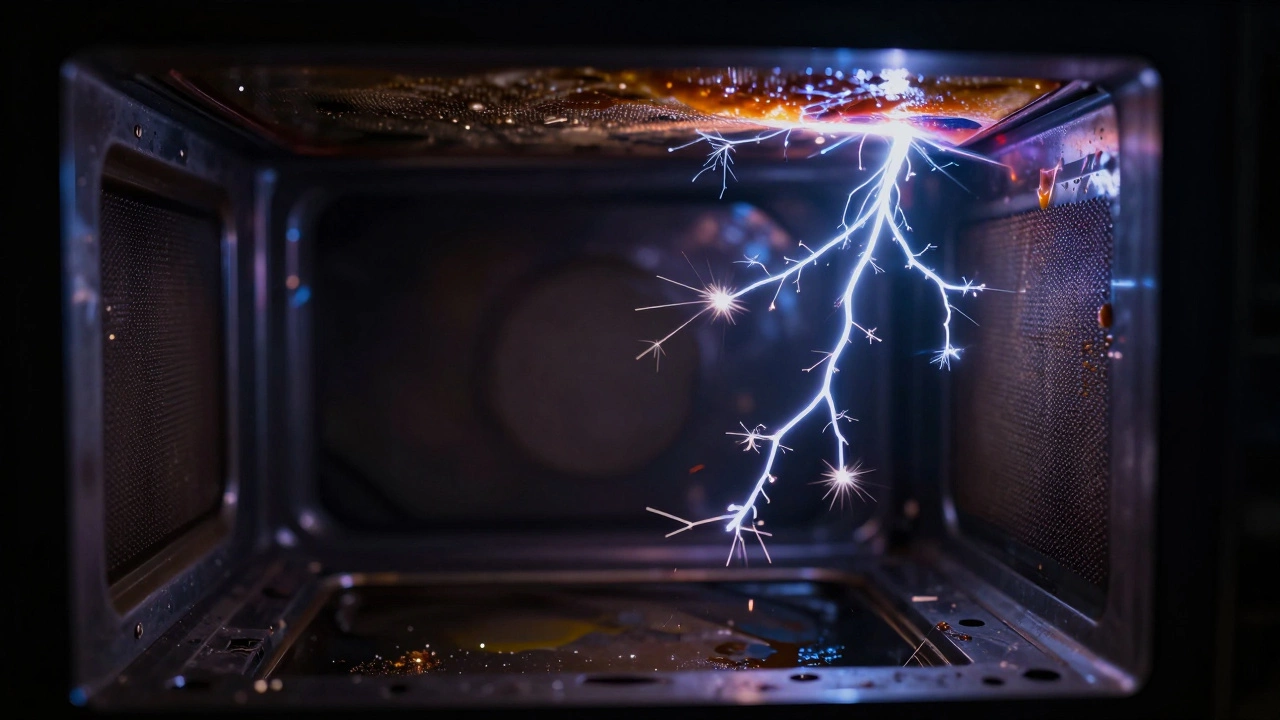
If you see blue or white sparks jumping around inside the microwave chamber, stop using it immediately. While some arcing can be caused by dirty grease splatters or metal trim on plates, persistent sparking that occurs even with clean, ceramic dishes suggests a problem with the magnetron window. The magnetron pushes waves through a small glass or mica window into the cooking cavity. Over years of use, this window can crack, burn, or become contaminated with carbon deposits. When the seal breaks, microwaves leak backward into the magnetron, causing electrical arcs that look like miniature lightning bolts. This damages both the window and the magnetron itself, creating a vicious cycle of degradation.
Food Cooks Unevenly or Takes Too Long
A weakening magnetron doesn’t always fail completely right away. It often loses efficiency gradually. You might notice that your usual one-minute pasta now takes three minutes to boil. Or worse, your soup has hot spots near the center but remains icy at the edges, despite stirring. This uneven heating pattern happens because the magnetron can no longer maintain consistent frequency and power output. Instead of bathing the food in uniform energy, it pulses weakly, leading to inconsistent results. If you find yourself constantly adjusting cook times upward, your magnetron is likely on its last legs.
Burning Smells and Smoke Without Food Burning
Have you ever opened the microwave to find no burnt food, yet the air smells like ozone or burning plastic? That distinct sharp odor is often ionized air created by electrical arcing within the magnetron or its connections. A bad magnetron can overheat due to poor electron flow, melting nearby insulation or drying out the internal lubricants. Smoke may also appear if the mica waveguide cover behind the magnetron catches fire from reflected energy. Never ignore this smell. It indicates active electrical failure that could lead to a fire hazard if left unchecked.
How to Confirm It’s the Magnetron (Not Something Else)
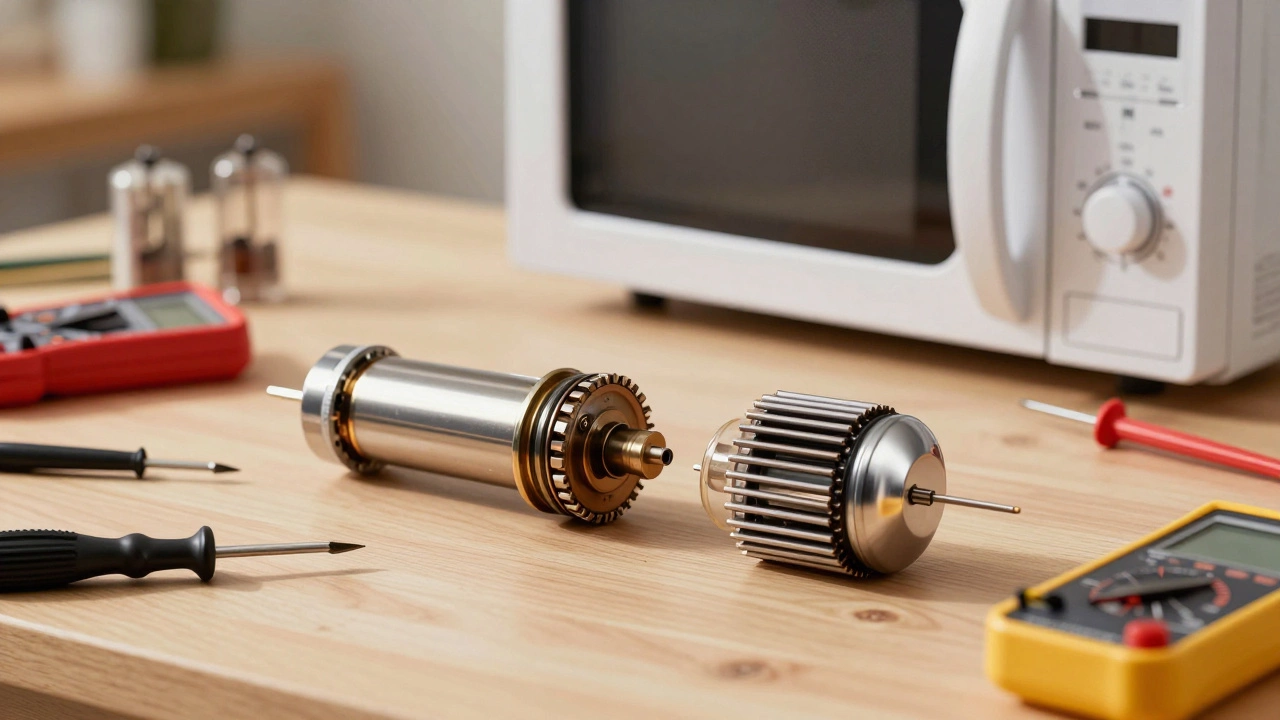
Before condemning the magnetron, rule out simpler issues. Check the door switches first. If the microwave thinks the door is open, it won’t engage the magnetron for safety reasons. Listen for a click when closing the door. Next, inspect the high-voltage diode and capacitor. These components support the magnetron. If the diode is shorted, the magnetron won’t receive enough voltage to operate. Testing these requires a multimeter and knowledge of high-voltage safety. Since microwaves store lethal charges even when unplugged, only attempt diagnostics if you’re experienced. For most people, observing the symptoms above is enough to suspect the magnetron.
| Symptom | Likely Cause | Action |
|---|---|---|
| No heat, normal noise | Magnetron failure | Replace magnetron or unit |
| Sparks inside cavity | Damaged waveguide cover or magnetron window | Clean or replace cover; check magnetron |
| Won’t start at all | Door switch or control board | Test switches; replace if faulty |
| Burning smell, no smoke | Overheating magnetron or transformer | Stop use; professional inspection needed |
Is It Worth Replacing the Magnetron?
Here’s the hard truth: replacing a magnetron is rarely cost-effective for the average homeowner. The part itself costs between $40 and $100, but labor adds another $80 to $150. Plus, you need matching specifications-voltage, wattage, and physical dimensions must align exactly. Many modern microwaves are sealed units where accessing the magnetron means disassembling the entire chassis, risking further damage. Unless your microwave is a high-end commercial model or holds sentimental value, buying a new unit is usually smarter. New models offer better efficiency, safety features, and warranties. However, if you’re handy and have a basic countertop model, replacement kits are available online with step-by-step guides. Just remember: always discharge the high-voltage capacitor before touching anything inside.
Preventing Future Magnetron Failure
You can extend the life of your magnetron by following simple habits. Never run the microwave empty. Without food to absorb the energy, the waves reflect back into the magnetron, overheating it. Clean the interior regularly to prevent grease buildup on the waveguide cover. Avoid using metal containers or foil, which cause arcing and stress the system. Finally, don’t overload the cavity. Blocking airflow around the turntable forces the magnetron to work harder to distribute heat evenly. Small changes in usage can add years to your appliance’s lifespan.
Can I fix a bad magnetron myself?
Technically yes, but it’s risky. Microwaves contain high-voltage capacitors that can deliver lethal shocks even when unplugged. If you’re not trained in electronics safety, hire a professional or replace the unit. Replacement involves removing the outer casing, discharging the capacitor, and swapping the magnetron with an exact match.
How long does a microwave magnetron last?
Typically 7 to 10 years with regular use. Heavy daily use or frequent empty cycles can shorten this to 3-5 years. Proper maintenance, like cleaning and avoiding metal objects, helps maximize longevity.
Is it safe to use a microwave with a failing magnetron?
No. A failing magnetron can cause electrical arcing, fires, or radiation leaks. Even if it seems to work intermittently, continued use risks damaging other components or creating hazardous conditions. Stop using it immediately upon noticing symptoms.
What causes a magnetron to fail prematurely?
Common causes include running the microwave empty, using metal containers, poor ventilation, voltage surges, and manufacturing defects. Grease buildup on the waveguide cover also reflects energy back into the magnetron, accelerating wear.
How much does it cost to replace a magnetron?
Parts range from $40 to $100 depending on the model. Labor adds $80 to $150. Total repair costs often exceed $200, making replacement of the entire microwave more economical for most consumers.