Water Heater Risk Assessment Tool
Identify Warning Signs
Select observed symptoms:
Risk Assessment Result
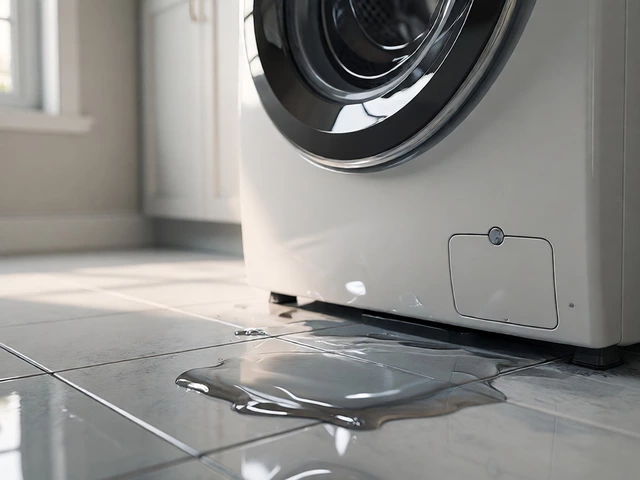
A quiet water heater rarely makes noise until something goes wrong. One day you have hot showers, and the next, you discover a puddle on the basement floor. That single event signals immediate action. Ignoring early warning signs leads to costly water damage or worse safety hazards. You might think your unit has years left because it still heats water, but internal decay often hides beneath the surface coating.
This guide covers the specific indicators that your appliance needs professional inspection or immediate replacement. We focus on tangible evidence-what you can see, hear, and smell-so you can make a confident decision before a minor issue becomes a disaster. Understanding these mechanisms helps you prioritize repairs effectively.
Visible Signs of Internal Decay
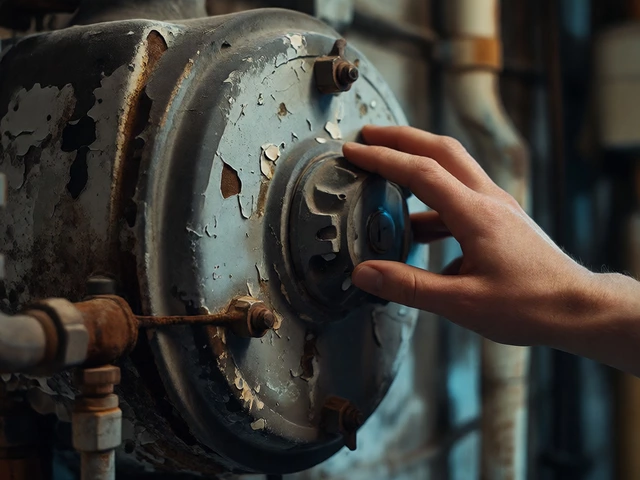
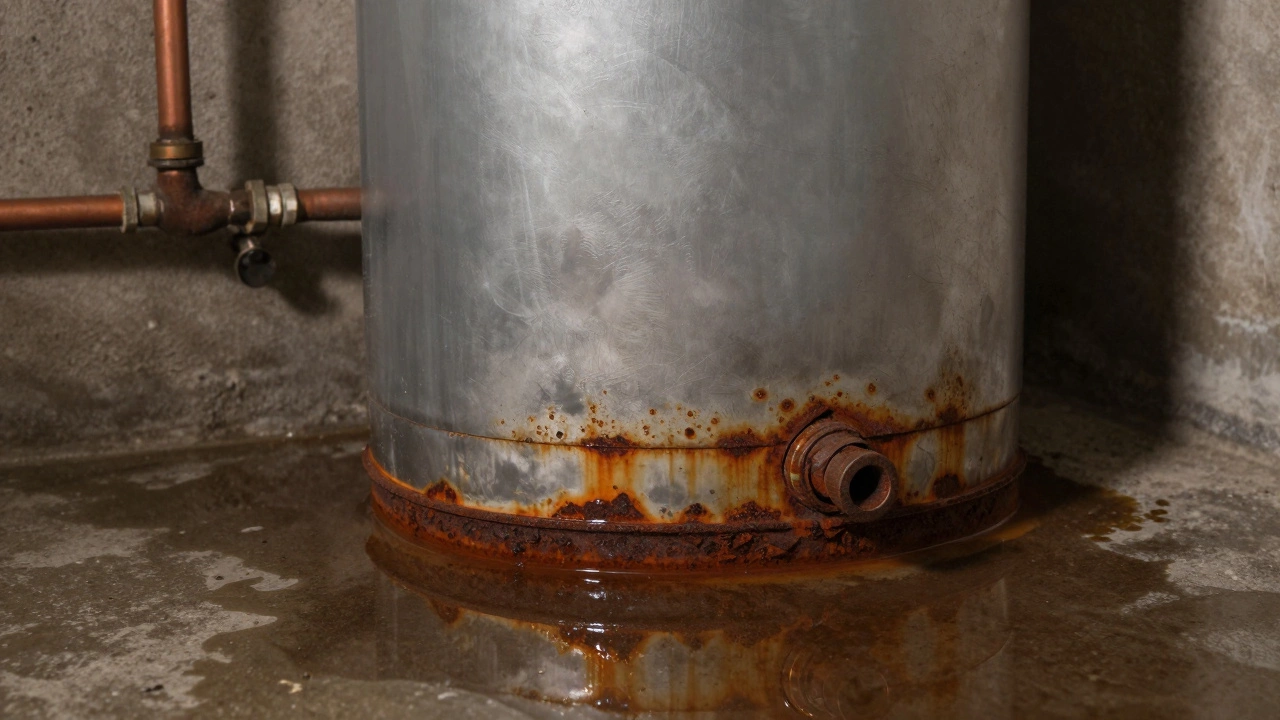
The most obvious clues appear on the exterior casing. Start by inspecting the area around the base and top of the unit. A common issue is rust accumulating near the drain valve or connection pipes. While surface rust on metal fittings is normal oxidation, seeping through the tank walls indicates a different problem.
| Symptom | Likely Cause | Risk Level |
|---|---|---|
| Brownish tint in water | Corroded tank interior | High |
| Metallic powder on ground | Anode rod degradation | Medium |
| Water pooling at base | Loose fitting or crack | Critical |
If you run a towel over the floor and find wet spots immediately after turning off the machine, check the temperature and pressure relief valve first. This safety component must function perfectly to prevent explosions. However, if drips come from the main body seams, the tank has likely ruptured internally. Once a liner fails, no weld patch works permanently. Metal fatigue spreads quickly under constant thermal expansion cycles.
Noises That Indicate Sediment Issues
Loud rumbling or popping sounds usually mean mineral buildup at the bottom. In regions with hard water, calcium and magnesium stick to the heating element. This layer acts as insulation, forcing the burner or coil to work harder to heat the water above the crust. When steam bubbles form inside that sediment and collapse, they create distinct explosive pops.
This phenomenon accelerates wear significantly. The localized heat creates hot spots where the steel weakens rapidly. Over time, this leads to perforation. If your unit is older than ten years, frequent popping suggests you are nearing the end of its service life. Flushing the system removes loose debris, but calcified layers often require chemical treatment or replacement.
Safety Warnings You Cannot Ignore
Safety overrides performance every time. Certain red flags relate directly to structural integrity rather than heating efficiency. Gas units present unique risks compared to electric ones. A faint rotten egg smell often means sulfur is reacting with the pilot light assembly or the gas line itself. Even if natural gas is odorized with mercaptan, a leak feels sharp and distinct.
Carbon Monoxide is invisible and odorless, but incomplete combustion produces it. Install carbon monoxide detectors near sleeping areas and the water heater room. If the detector alarms, evacuate immediately. Poor venting causes this hazard. Blocked flue pipes or improper drafts push exhaust gases back into the home.
Check the vent pipe regularly for obstructions like bird nests or soot buildup. These blockages force dangerous gases indoors. You must never operate a unit without proper ventilation clearance. Always verify that the draft hood stays dry and free of debris.
Temperature Fluctuations Signal Control Failure
Inconsistent water temperatures point to thermostat problems. If your shower turns unexpectedly scalding, the upper thermostat may be stuck open. Conversely, lukewarm water suggests a broken element or faulty sensor reading the ambient temperature incorrectly. This fluctuation forces users to turn the dial up, creating scald burn risks for children or elderly residents.
Modern units often have digital controls that provide clearer diagnostics. Older mechanical thermostats drift over time due to vibration and thermal cycling. When you cannot set a stable temperature despite recalibrating, internal electronics have likely failed. These components control power delivery to the heating source.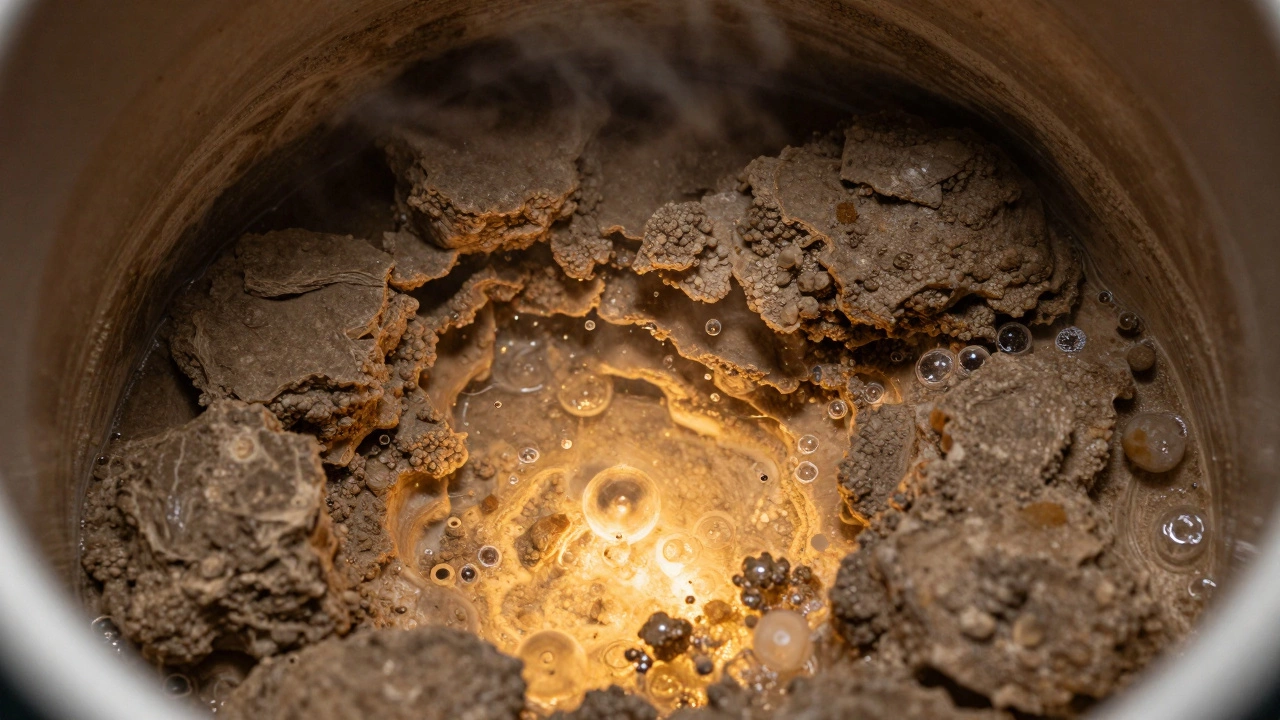
Anode Rod Depletion and Lifespan
The Anode Rod sacrifices itself to protect the steel tank from galvanic corrosion. It sits inside the vessel, drawing corrosive minerals away from the metal walls. Over time, this magnesium or aluminum rod consumes itself completely. Once gone, the water attacks the tank directly.
You should inspect the anode rod annually if you plan to extend the unit's life. A healthy rod still has material left; a depleted one looks like a thin wire skeleton. Replacing it costs less than buying a new heater and adds several years to usage. Many manufacturers design tanks expecting owners to swap this part every three to five years depending on water hardness levels.When to Call a ProfessionalDistinguishing between DIY fixes and technician calls saves money. Simple tasks involve changing gaskets on valves or tightening unions. Complex diagnostics require certified expertise, especially for sealed combustion systems. Electricians handle wiring issues, while plumbers manage piping and venting.
If you suspect a leak originating from the bottom tank section, stop using the appliance immediately. Shut off the breaker or gas supply. Continuing operation risks flooding the house foundation. Water damage insurance claims often reject losses caused by neglected maintenance.Schedule a diagnostic visit if you observe multiple symptoms appearing together. Isolated issues sometimes resolve themselves temporarily, but clusters signal systemic failure.Maintenance Best PracticesRegular upkeep prevents most critical failures. Flush the tank once a year to remove sediment. This process drains dirty water from the drain valve until it runs clear. Adjust the temperature setting to 120 degrees Fahrenheit to balance energy efficiency with bacteria prevention. Check the pressure relief valve by lifting the lever gently; water should spray out and then stop.
If the unit is located in a cold garage, insulate pipes to prevent freezing bursts. Condensation on newer glass-lined units requires drainage trays to collect condensation safely. Proper installation ensures the manufacturer warranty remains valid.Deciding Between Repair and Replacement
Consider the age of the unit against the cost of repairs. Standard industry guidelines suggest replacing tanks older than twelve years regardless of condition. Parts availability drops sharply for vintage models. New technologies offer significant efficiency gains compared to legacy models.
Cost-benefit analysis applies here. Spending more than half the price of a new unit on repairs usually does not make sense. Factor in local rebates available in Vancouver for high-efficiency upgrades. Energy Star certification reduces monthly operating expenses significantly.Frequently Asked QuestionsHow long does a standard water heater last?
Most conventional storage tanks function effectively for 8 to 12 years. Glass-lined steel models typically reach the lower end of this range, while stainless steel or copper constructions can last up to 20 years with proper maintenance.
What is the average cost of a water heater replacement?
Installation prices vary widely based on fuel type and capacity. Electric units range from $500 to $2,000 including labor, while gas models typically cost between $800 and $3,500 due to complex venting requirements and permit fees.
Is it safe to fix a leaking water heater yourself?
You can replace external valves or gaskets, but never attempt to patch a cracked tank. Leaks within the vessel itself indicate total failure. Attempting internal repairs creates high risks of further bursting or electrical hazards.
Why does my water heater make popping noises?
These sounds result from sediment buildup at the bottom. Calcium deposits trap steam bubbles which burst violently against the metal. Regular flushing clears this debris and restores quieter operation.
Should I keep the anode rod replacement schedule?
Yes, checking the rod every two years extends the life of the vessel significantly. Hard water environments accelerate consumption, requiring annual inspections to ensure the protective barrier remains intact.
Next Steps for Troubleshooting
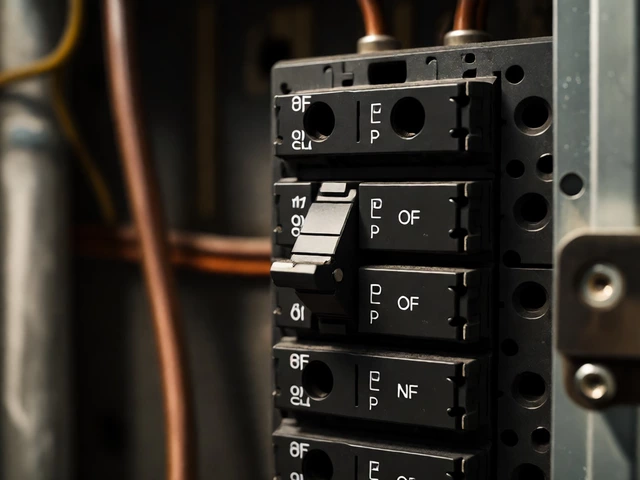
Before scheduling service, verify the basics. Confirm power is reaching the unit at the breaker panel. For gas units, ensure the flame color is blue; yellow flames indicate incomplete burning. Document exactly what you observe-photos help technicians diagnose faster. Record any recent changes in utility bills, as sudden spikes hint at efficiency loss.
If your home was built before 1990, the piping and venting infrastructure may differ from modern codes. Professionals need this context to recommend compatible replacements. Do not delay calling for help if you detect gas odors or rapid water loss. Prioritize safety over cost savings when dealing with pressurized vessels containing high-temperature liquids.