Freezer Troubleshooting Diagnostic Tool
What is the primary symptom you are experiencing?
Select the option that best describes what you see or hear.
Diagnostic Path
- •Select options to begin...
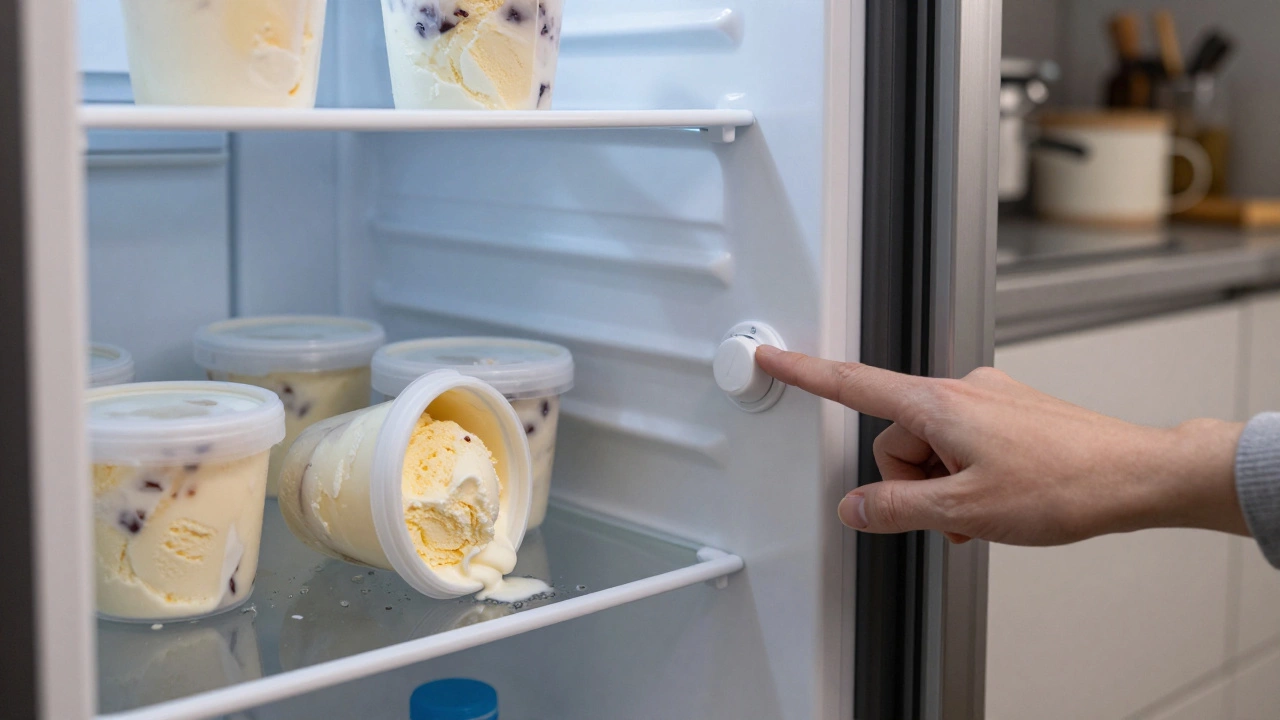
There is nothing worse than opening your freezer to find a puddle of water and half-melted ice cream. You check the temperature dial, but it looks fine. The light works. Yet, the cold air seems to have vanished. This is a frustrating problem that happens to almost every homeowner at some point. Before you call a technician or toss away spoiled groceries, you need to understand what is actually going on inside that box.
A freezer does not just 'break' randomly. It usually stops keeping things frozen because of one specific failure in its cooling system. Most of the time, the issue is simple-like a dirty coil or a stuck door seal. Other times, it involves the internal mechanics like the compressor or the defrost system. Let’s walk through the most common reasons why your freezer won’t stay frozen, starting with the easiest fixes you can do yourself.
The Hidden Culprit: Dirty Condenser Coils
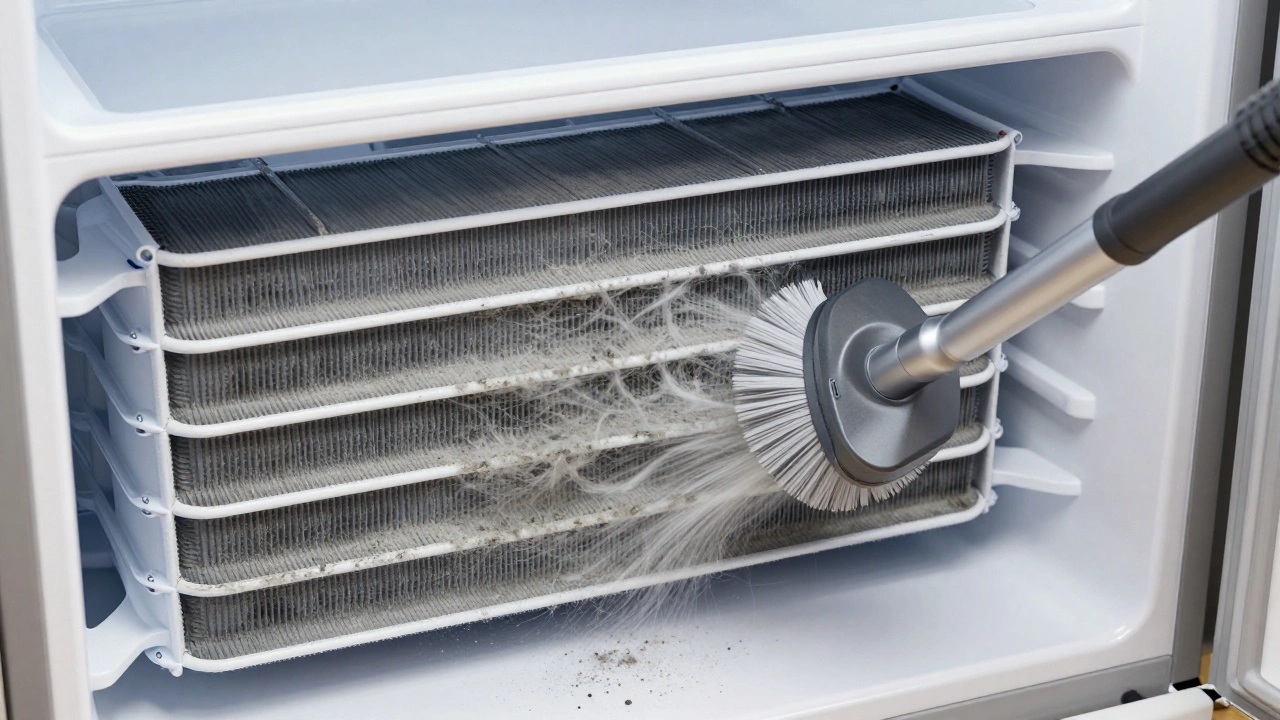
If these coils get clogged with dust, pet hair, and grime, the heat cannot escape. Think of it like trying to run a marathon in a winter coat. Your freezer works overtime to cool down, but it simply can’t shed the heat fast enough. Eventually, the internal temperature rises, and your food starts to thaw.
You can fix this without any tools. Pull the appliance away from the wall (be careful with the cords). Look for the grid-like metal mesh at the back or under the front grill. If it looks fuzzy or gray, it needs cleaning. Use a vacuum cleaner with a brush attachment or a specialized coil brush to remove the debris. For deep cleaning, mix warm water with a little mild detergent and wipe the coils gently. Do this once or twice a year to keep your unit running efficiently.
Is Air Leaking Out? Check the Door Gasket
The rubber seal around your freezer door is called the door gasket. Its job is to create an airtight barrier between the freezing cold inside and the warm room outside. Over time, this rubber gets stiff, cracked, or warped. Even a tiny gap lets warm, moist air sneak in. This moisture turns into frost, which blocks airflow and makes the compressor work harder.
To test this, close the door on a dollar bill. If you can pull the bill out easily without resistance, your seal is weak. Another sign is frost buildup along the edges of the door frame. If the gasket is dirty, clean it with warm soapy water. Sometimes, this restores flexibility. If it is cracked or torn, you need to replace it. Replacement gaskets are cheap and easy to install; you just pop them into the retaining channel around the door.
The Defrost System Failure
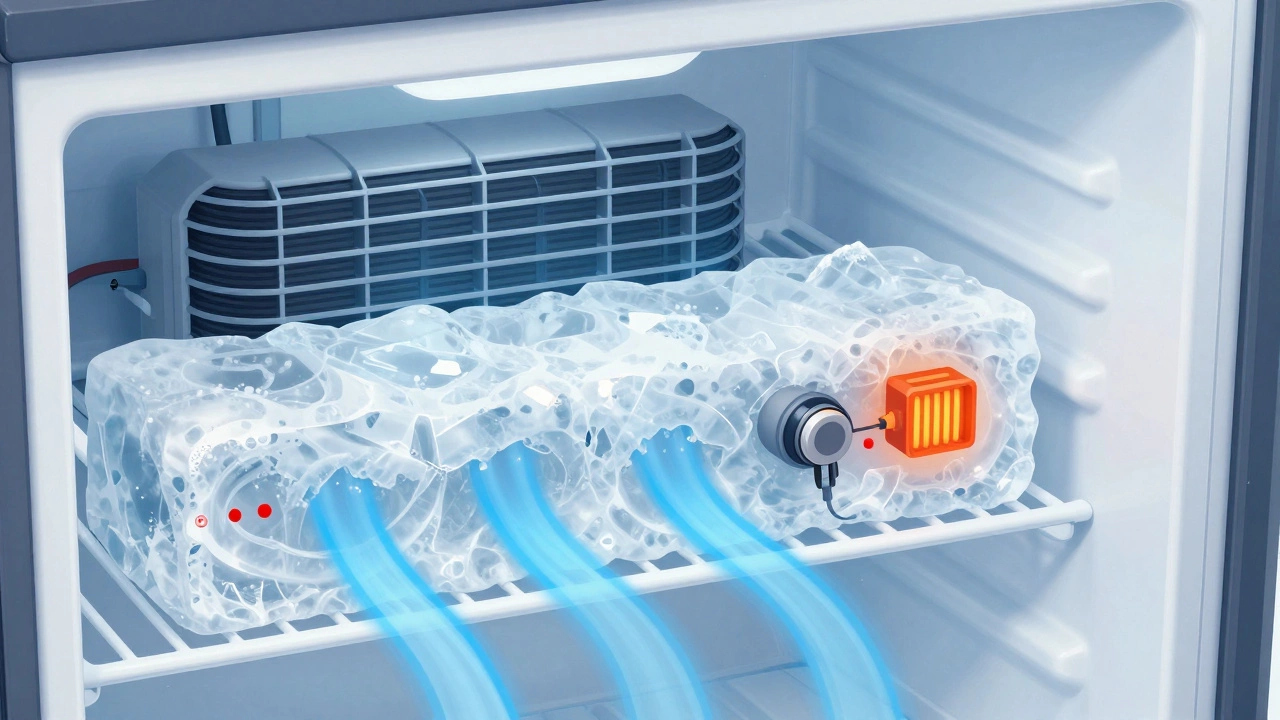
Most modern freezers use a defrost cycle to prevent ice from building up on the internal cooling coils. Every few hours, a small heating element turns on to melt any frost. If this system fails, ice builds up thickly over the coils, blocking the cold air from circulating. Your freezer might look normal on the outside, but inside, it is essentially insulated by ice.
There are three parts to this system that commonly fail:
- The Defrost Heater: This wire heats up to melt frost. If it burns out, ice accumulates unchecked.
- The Defrost Thermostat: This sensor tells the heater when to turn on and off. If it stays closed, the heater never activates.
- The Defrost Control Board: In newer models, a computer board manages the cycle. If this glitches, the defrost process stops entirely.
If you suspect this, unplug the freezer and open the back panel inside the freezer compartment. If you see a thick block of ice covering the metal fins behind the plastic liner, this is likely your problem. You can manually defrost it by leaving the door open for 24 hours, but you will eventually need to replace the faulty part to stop it from happening again.
Fan Problems: Evaporator and Condenser Fans
Cold air does not just sit there; it moves. Two fans are critical for keeping your freezer frozen:
- The Evaporator Fan: Located inside the freezer, this fan blows cold air from the coils into the freezer and fridge compartments. If this motor dies or if ice jams the blades, the cold air stays trapped near the coils. The rest of the freezer warms up quickly.
- The Condenser Fan: Located near the compressor (usually at the bottom rear), this fan cools the compressor and condenser coils. If this fan stops, the compressor overheats and shuts down to protect itself. When the compressor stops, the cooling stops.
Listen closely to your freezer. Do you hear a humming sound but no air movement? That suggests the evaporator fan is jammed or broken. If the back of the fridge feels unusually hot while the freezer is warm, the condenser fan might be the issue. Check for obstructions like debris or ice blocking the fan blades. If the path is clear but the fan doesn't spin, the motor likely needs replacement.
Compressor Issues: The Heart of the System
The compressor is the engine of your refrigeration system. It pumps refrigerant through the lines, creating the pressure changes needed for cooling. If the compressor fails, your freezer will not freeze anything. This is often the most expensive repair.
Signs of compressor trouble include:
- No hum or vibration from the back of the unit.
- Clicking sounds that repeat every few seconds (this is the start relay trying to kick the compressor on).
- The compressor housing feels cold instead of warm/hot during operation.
Sometimes, the compressor is fine, but the start relay is bad. This small component gives the compressor the initial jolt it needs to start spinning. Relays are inexpensive and easy to swap. If the relay clicks but the compressor doesn't engage, try replacing the relay first before condemning the whole compressor.
Thermostat and Temperature Control
It sounds silly, but check the thermostat setting first. Did someone bump the dial? Is it set to 'Off' or a very low number? Some digital controls have a 'Vacation Mode' or 'Demo Mode' that disables the cooling function to save energy. Make sure the display shows the correct target temperature (usually 0°F or -18°C).
If the thermostat is mechanical, it might be faulty. These sensors tell the compressor when to turn on. If the sensor thinks the freezer is already cold when it isn't, the compressor will stay off. Testing these requires a multimeter to check for continuity. If the reading is out of spec, the thermostat needs replacement.
| Symptom | Likely Cause | DIY Fix Difficulty |
|---|---|---|
| Warm air, loud humming | Dirty Condenser Coils | Easy |
| Frost buildup on walls | Bad Door Seal or Defrost System | Moderate |
| No air circulation, quiet | Evaporator Fan Motor | Moderate |
| Clicking noise, no cooling | Start Relay or Compressor | Hard |
| Freezer works, fridge warm | Damper Control or Fan Issue | Moderate |
When to Call a Professional
You should handle cleaning coils, checking seals, and resetting thermostats yourself. However, if you are dealing with electrical components like the control board, sealed system issues like refrigerant leaks, or compressor replacements, it is safer to hire a pro. Refrigerant handling requires certification, and incorrect electrical repairs can cause shocks or fire hazards.
If your freezer is more than 10-15 years old and the compressor or main control board fails, weigh the cost of repair against buying a new unit. Modern freezers are much more energy-efficient. A $300 repair might not be worth it if a new model costs $800 but saves you money on electricity every month.
How long can I leave my freezer unplugged?
If fully loaded with frozen food, a standard upright freezer will keep food frozen for about 24 to 48 hours. A chest freezer lasts longer, up to 3 days. To maximize this time, keep the door closed as much as possible. If you need to leave it unplugged longer, transfer food to another freezer or use dry ice.
Why is my freezer making a buzzing noise?
A buzzing noise often comes from the compressor struggling to start due to a bad start relay. It can also indicate that the condenser coils are extremely dirty, causing the compressor to overwork. Check the coils first, then inspect the relay if cleaning doesn't help.
Can a full freezer freeze better than an empty one?
Yes. Frozen items act as thermal mass, holding cold air. An empty freezer has only air, which loses cold quickly when the door opens. If you don't have enough food, fill containers with water and freeze them to maintain stable temperatures during power outages or minor malfunctions.
What is the ideal temperature for a freezer?
The ideal temperature is 0°F (-18°C) or lower. This temperature stops bacterial growth and preserves food quality for long periods. Temperatures above 0°F can lead to freezer burn and faster spoilage.
Should I reset my freezer if it's not freezing?
For digital models, yes. Unplugging the unit for 5-10 minutes resets the control board. This can clear temporary software glitches. However, if the problem persists after resetting, it is likely a hardware issue like a fan or sensor failure.