Extractor Fan Health & Cost Estimator
Fan Details
Analysis Results
- Estimated Lifespan: -
- Health Score: -
- Recommendation: -
Estimated Costs (CAD)
Enter your fan details to see a health assessment and cost breakdown.
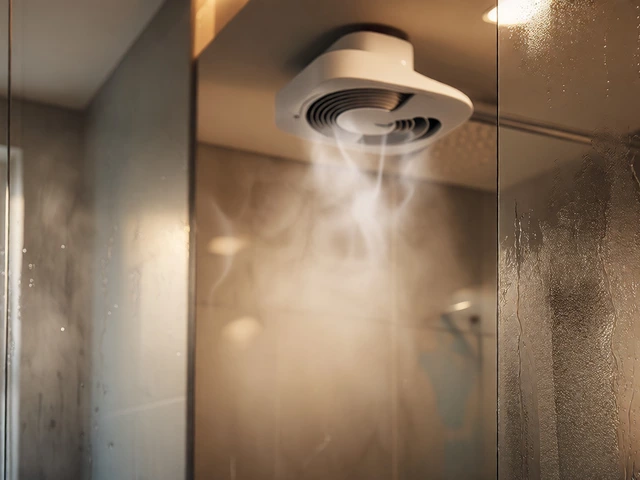
You know that feeling when your kitchen smells like last night’s garlic dinner three days later? Or when your bathroom mirror fogs up so badly you can’t see yourself shaving? That’s not just bad luck. It’s usually a sign that your extractor fan is struggling or dead. These unsung heroes of home ventilation work silently behind the scenes, pushing out moisture, grease, and odors. But they don’t last forever. The question isn’t just “how often do you need to replace an extractor fan?” but rather, “is yours still doing its job right now?”
Most people assume these fans will run indefinitely until they make a grinding noise and stop. In reality, performance degrades long before total failure. By the time a fan breaks completely, it has likely been circulating stale air for months or even years. Understanding the lifespan of different types of extractor fans helps you avoid costly damage to your home from mold, condensation, or fire hazards caused by grease buildup.
The Average Lifespan of Kitchen and Bathroom Extractor Fans
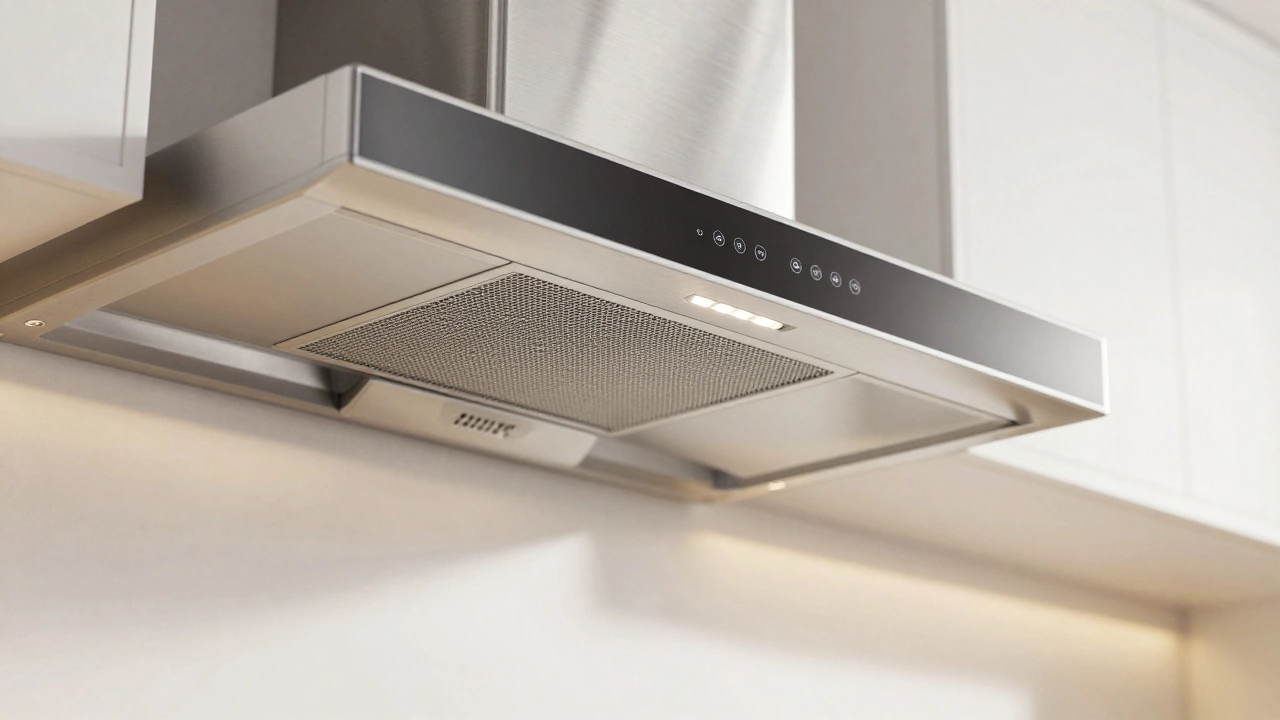
If you’re looking for a single number, here it is: most standard residential extractor fans last between 10 to 15 years. However, this range varies significantly based on usage intensity, environment, and build quality. A lightweight plastic bathroom fan used occasionally might hit the 15-year mark, while a heavy-duty stainless steel kitchen hood in a busy household could wear out in 8 to 10 years.
Why such a wide gap? It comes down to duty cycles. Bathroom fans typically run for short bursts-15 to 30 minutes after a shower. Kitchen extractor fans, especially those over gas stoves or high-heat ranges, often run continuously during cooking sessions that last an hour or more. Plus, kitchen fans deal with grease, which coats motor bearings and blades, increasing friction and heat. This accelerates wear compared to the relatively clean air handled by bathroom units.
| Fan Type | Average Lifespan | Key Wear Factors |
|---|---|---|
| Bathroom Exhaust Fan (Basic) | 12-15 years | Mold growth, humidity corrosion |
| Kitchen Range Hood (Standard) | 10-12 years | Grease accumulation, motor overheating |
| Ductless Recirculating Hood | 8-10 years | Charcoal filter saturation, reduced airflow |
| Commercial-Grade Residential Hood | 15-20 years | Heavy use, vibration stress |
Keep in mind that installation quality plays a huge role too. A poorly sealed duct system forces the motor to work harder to push air through leaks, shortening its life. Similarly, using a fan rated for 50 CFM (cubic feet per minute) in a large master bathroom means it runs constantly, burning out faster than one correctly sized for the space.
Early Warning Signs Your Fan Needs Replacement
Don’t wait for the fan to die completely. There are subtle signs that indicate declining performance long before total failure. Catching these early saves you from dealing with secondary problems like black mold spores growing on ceiling tiles or smoke alarms going off due to poor ventilation.
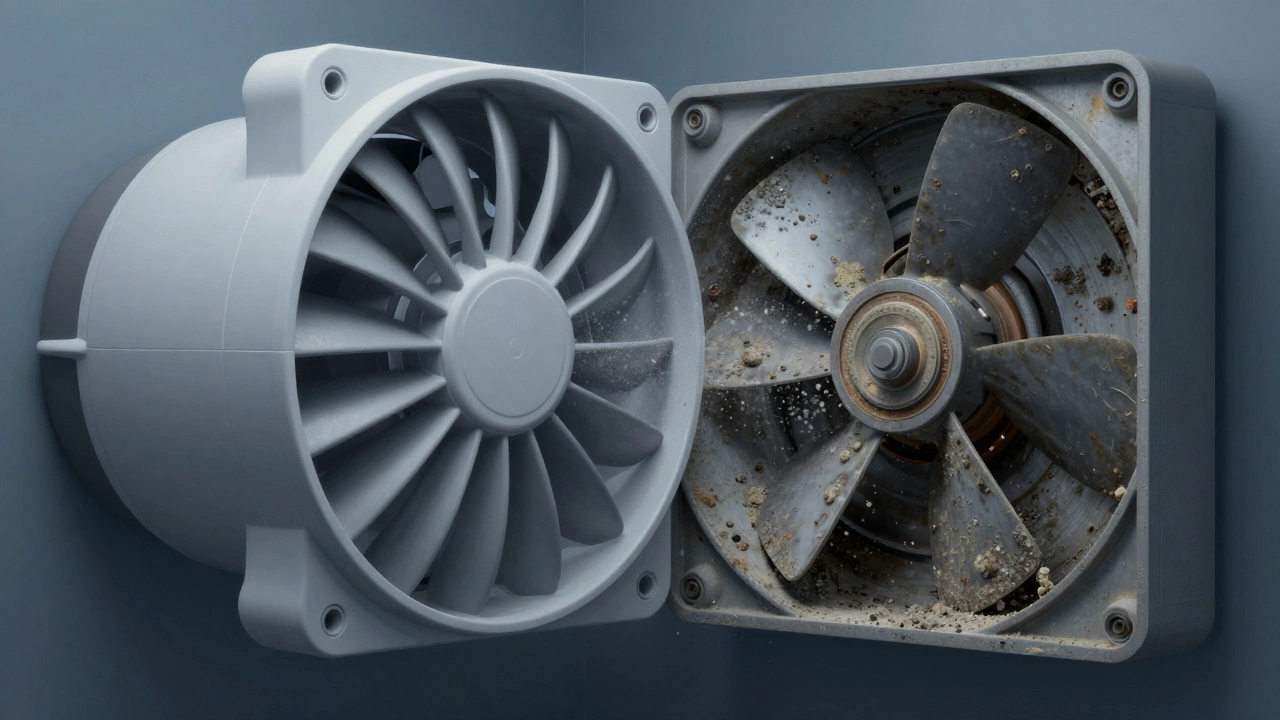
- Noise changes: A healthy fan hums quietly. If you hear rattling, grinding, or squealing, the motor bearings are worn or debris is caught in the blades. Temporary fixes rarely solve this; replacement is usually needed within months.
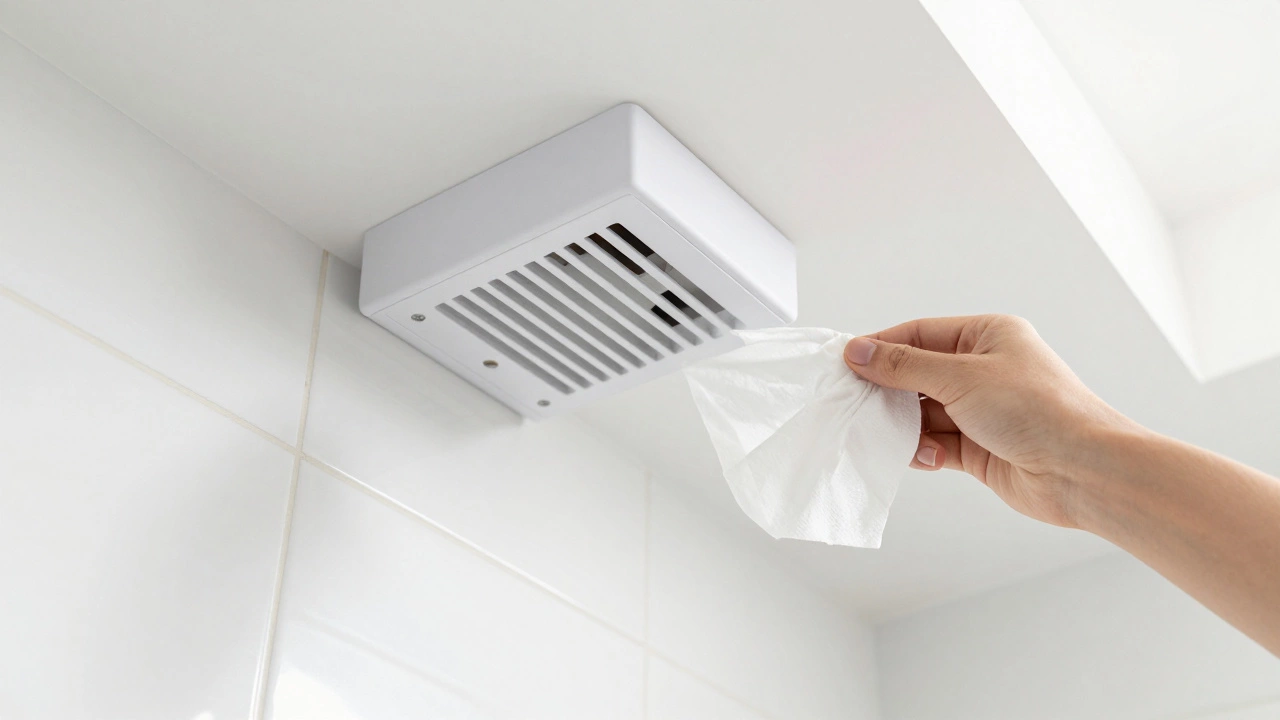
- Reduced suction power: Hold a tissue paper near the vent. If it doesn’t stick firmly or falls away quickly, airflow is compromised. Clean filters first-if cleaning doesn’t restore suction, the motor is weakening.
- Condensation issues: Persistent foggy mirrors after showers or steam lingering in the kitchen despite the fan running indicates insufficient air exchange. This leads to peeling paint, warped wood trim, and structural rot over time.
- Odor retention: Cooking smells that linger for hours suggest the fan isn’t exhausting air effectively. Grease-clogged ducts or failing motors trap odors inside the room instead of pushing them outside.
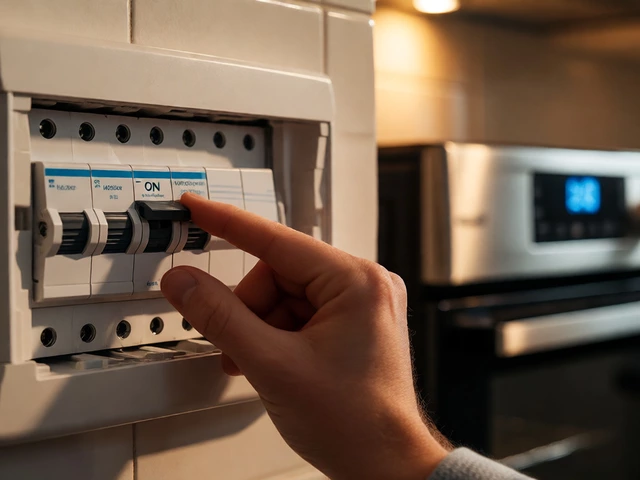
- Frequent circuit breaker trips: An aging motor draws more current as bearings seize slightly. If your breaker pops when turning on the fan alongside other appliances, electrical overload is imminent.
One common mistake homeowners make is assuming cleaning solves everything. While regular maintenance extends life, it cannot reverse mechanical wear. Once internal components degrade, no amount of scrubbing restores original efficiency.
Repair vs. Replace: When Does It Make Sense?
Not every problem requires buying a new unit. Some issues are cheap and easy to fix. Knowing when to repair versus replace prevents unnecessary spending while avoiding false economy-where saving $50 today costs $500 tomorrow in water damage repairs.
Consider repairing if:
- The fan is less than 7 years old and otherwise functional.
- The issue is isolated to a replaceable part like a light bulb, switch, or accessible capacitor.
- Cleaning the blades and housing restores normal operation temporarily.
Opt for replacement if:
- The motor itself is failing (overheating, burning smell, inconsistent speed).
- The unit is over 10 years old and shows multiple symptoms of decline.
- Ductwork is corroded internally or disconnected, requiring extensive retrofitting.
- Newer models offer significantly better energy efficiency or noise reduction that justifies the upgrade cost.
In Vancouver’s damp climate, older fans often suffer from rusted housings and corroded wiring connections. Even if the motor works, safety risks increase with age. Modern units come with improved seals and corrosion-resistant materials designed specifically for humid environments.
Cost Breakdown: Buying New vs. Professional Repair
Understanding the financial side helps you decide confidently. Prices vary widely depending on brand, features, and whether you hire a professional installer.
| Service Option | Price Range (CAD) | Includes |
|---|---|---|
| DIY Cleaning & Filter Replacement | $20-$60 | Filters, degreaser, basic tools |
| Professional Motor Repair | $150-$300 | Labor, parts, diagnostic fee |
| New Standard Bathroom Fan Installation | $400-$700 | Unit, labor, minor duct adjustments |
| Premium Kitchen Hood Replacement | $1,200-$3,000+ | High-CFM unit, custom ducting, electrician |
Note that prices in British Columbia reflect local labor rates and material costs. Hiring a licensed technician ensures proper code compliance, especially important given BC’s strict building regulations around ventilation systems. DIY installations risk voiding warranties or creating fire hazards if electrical connections aren’t secured properly.
Maintenance Tips to Extend Your Fan’s Life
Prevention beats cure every time. Simple habits can add several years to your extractor fan’s operational life. Most premature failures result from neglect, not inherent defects.
- Clean filters monthly: Grease filters in kitchen hoods should be washed in hot soapy water or placed in the dishwasher. Charcoal filters in ductless models need replacing every 3-6 months depending on usage.
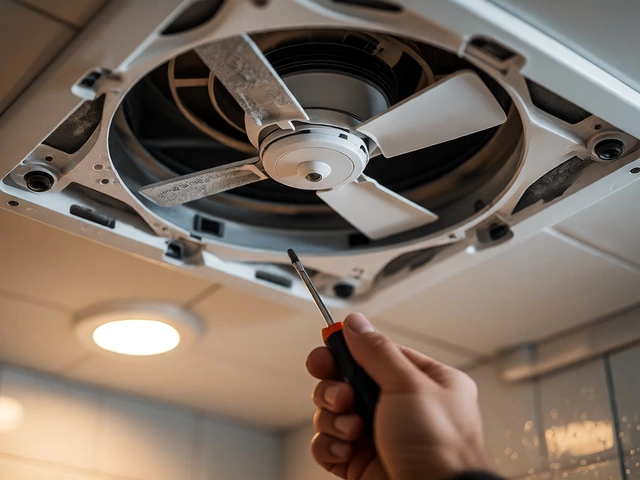
- Inspect blades quarterly: Remove the cover and wipe down fan blades with a damp cloth. Buildup reduces balance and increases strain on the motor.
- Check duct integrity annually: Look for loose connections, sagging sections, or visible holes. Seal gaps with aluminum tape-not duct tape, which degrades quickly.
- Test airflow seasonally: Use the tissue test mentioned earlier. Note any gradual decline in suction strength throughout the year.
- Lubricate bearings if applicable: Some older models have oil ports. Apply a few drops of non-detergent motor oil once a year. Never lubricate sealed-bearing motors-they’re designed to last without it.
Living in Vancouver means dealing with high humidity levels year-round. Run your bathroom fan for at least 20 minutes after each shower to prevent moisture saturation. Consider installing a timer switch or humidity-sensor model that auto-adjusts runtime based on conditions.
Choosing the Right Replacement Model
When shopping for a new extractor fan, focus on specifications that match your specific needs rather than flashy features. Sizing matters more than brand name.
Calculate required CFM based on room size:
- Bathrooms: Divide square footage by 80, then multiply by 100. Example: A 100 sq ft bathroom needs ~125 CFM minimum.
- Kitchens: Multiply linear foot of cooktop by 100. A 30-inch stove requires 300 CFM.
Also consider sound ratings measured in sones. Lower numbers mean quieter operation. For bathrooms adjacent to bedrooms, aim for under 1.0 sone. Kitchen hoods can tolerate higher noise since they’re used during active cooking periods.
Energy Star-certified models use up to 50% less electricity than standard units. Over five years, this translates to noticeable savings on utility bills, particularly in homes where fans run frequently. Look for ENERGY STAR labels alongside AHAM (Association of Home Appliance Manufacturers) verification marks to ensure accurate performance claims.
Can I extend my extractor fan's life by cleaning it regularly?
Yes, consistent cleaning removes grease and dust that accelerate motor wear. Wash metal filters monthly and vacuum blade surfaces quarterly. However, cleaning cannot reverse mechanical degradation. If your fan is already making unusual noises or losing suction despite being clean, replacement is inevitable regardless of maintenance history.
Is it worth repairing a 12-year-old extractor fan?
Generally no. At 12 years old, most fans are nearing end-of-life expectancy. Repair costs often exceed half the price of a new unit, and newer models offer superior efficiency and quieter operation. Unless it’s a high-end commercial-grade appliance, investing in replacement provides better long-term value and reliability.
What causes an extractor fan to burn out prematurely?
Premature burnout usually stems from three factors: excessive grease buildup restricting airflow, incorrect sizing causing constant maximum load operation, or poor installation leading to backpressure. In Vancouver’s humid climate, corrosion also contributes significantly. Ensuring proper ventilation paths and matching CFM requirements to room dimensions prevents undue stress on the motor.
Do ductless extractor fans last longer than ducted ones?
No, ductless recirculating models typically have shorter lifespans because charcoal filters become saturated and must be replaced frequently. Without direct exterior venting, they rely solely on filtration, which adds resistance and workload to the motor. Ducted systems expel contaminants directly outside, reducing internal component strain and extending overall durability.
How do I know if my extractor fan meets current building codes?
Check for CSA certification marks and verify CFM output matches BC Building Code requirements for your space type. Older units may lack necessary safety features like thermal overload protection. Consult a licensed HVAC technician who understands regional regulations to assess compliance. Upgrading to modern certified equipment ensures both legal adherence and optimal indoor air quality standards.