Microwave Fuse Repair Cost Estimator
Repair Options
Estimated Total Cost
- Parts Cost $15.00
- Labor & Service Fees $0.00
Potential Savings Analysis
Comparing your current choice against the average professional repair cost.
You could save approximately $75.00
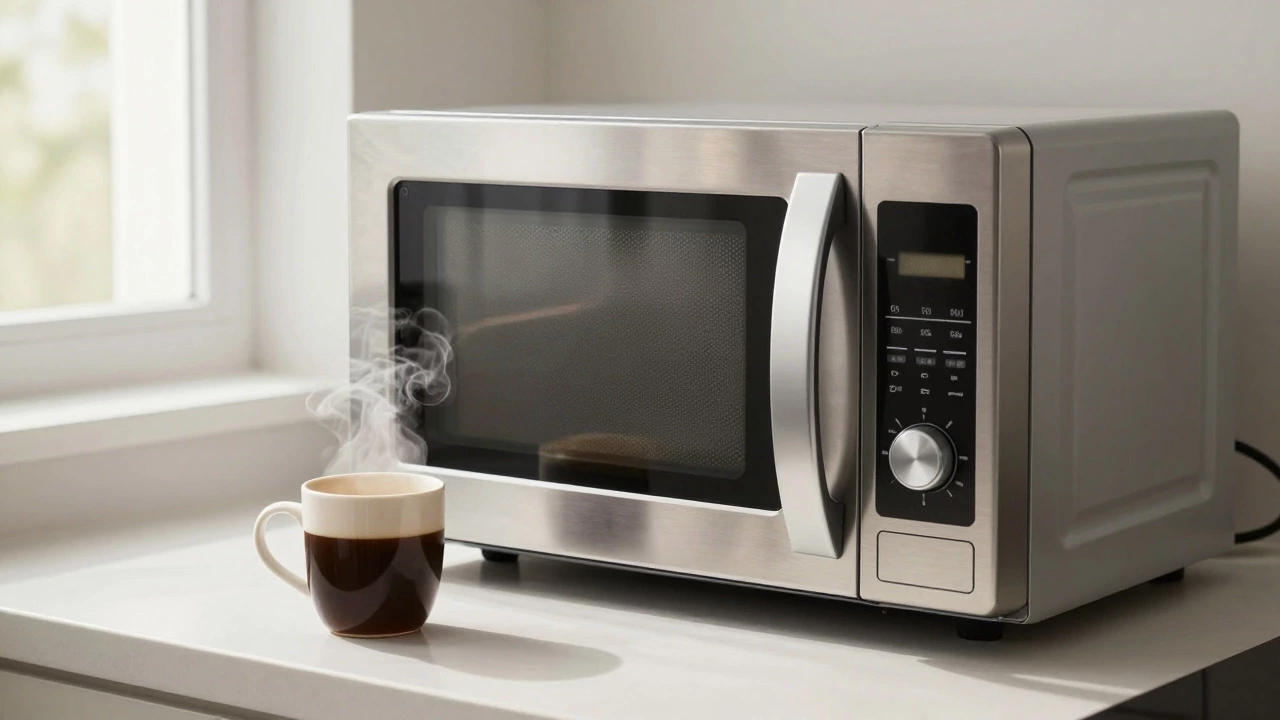
Your microwave stops heating. You press start, the turntable spins, but your coffee stays cold. It’s a frustrating moment in the kitchen. Before you toss the unit into the trash or buy a new one for $100+, you need to know if it’s just a blown fuse. A microwave fuse is a small safety component, and replacing it is often cheap. But how much does it actually cost? The answer depends on whether you fix it yourself or call a pro.
In most cases, the part itself costs between $5 and $20. If you hire a technician, the total bill usually lands between $80 and $150. That gap is huge. This guide breaks down exactly where that money goes, when you should save cash by doing it yourself, and when it’s safer to pay for professional help.
The Real Cost of the Microwave Fuse Part
Let’s look at the hardware first. A thermal fuse or primary high-voltage fuse in a microwave is a simple device. Its job is to cut power if the oven overheats or if there’s an electrical surge. Because it’s a basic safety switch, it isn’t expensive to manufacture.
| Cost Component | DYI (Do-It-Yourself) | Professional Service |
|---|---|---|
| Fuse Part Only | $5 - $20 | Included in labor fee |
| Labor / Service Call | $0 | $60 - $120 |
| Total Estimated Cost | $5 - $20 | $80 - $150 |
You can find these fuses at local appliance parts stores or online retailers like Amazon or eBay. Search for your specific microwave model number. This number is usually found on the inside frame of the door or on the back of the unit. Don’t guess. Using the wrong amperage rating can cause the new fuse to blow immediately or fail to protect the circuit.
Most microwaves use a thermal fuse rated around 3A to 5A. Some older models might have different specifications. Always check the label on the old fuse before buying a replacement. If you can’t read the label because it’s burnt, stick to the model number search. The part will typically arrive within two days if you order online.
Why Professional Repairs Cost More
If you don’t feel comfortable opening up electronics, you’ll likely call a repair technician. Why does their bill jump to $100+? It’s not just greed. Here is what you are paying for:
- Diagnostic Fee: Technicians charge a flat rate just to show up and test the unit. This covers their time and travel. Even if they find the problem instantly, this fee applies.
- Labor Rates: Most appliance repair pros charge hourly rates ranging from $75 to $120 per hour. Replacing a fuse takes about 20 to 40 minutes, but you pay for the full hour block.
- Parts Markup: Shops often mark up parts by 20% to 50% to cover storage and inventory risks.
- Warranty: When you pay a pro, you get a guarantee. If the fuse blows again next week, they usually come back for free. With a DIY fix, you’re on your own.
For a simple fuse replacement, the markup feels steep. However, if the fuse blew because of a deeper issue-like a shorted magnetron or a faulty capacitor-the technician’s expertise saves you from buying multiple parts unnecessarily.
Is It Safe to Replace a Microwave Fuse Yourself?
This is the big question. Microwaves contain a component called a high-voltage capacitor that stores a lethal electric charge even when the plug is pulled out of the wall. This charge can remain for hours or even days after the unit has been unplugged.
If you are handy with tools and understand basic electrical safety, you can do this. If you are unsure, stop. Call a pro. Here is the critical rule: Always discharge the capacitor before touching any internal components.
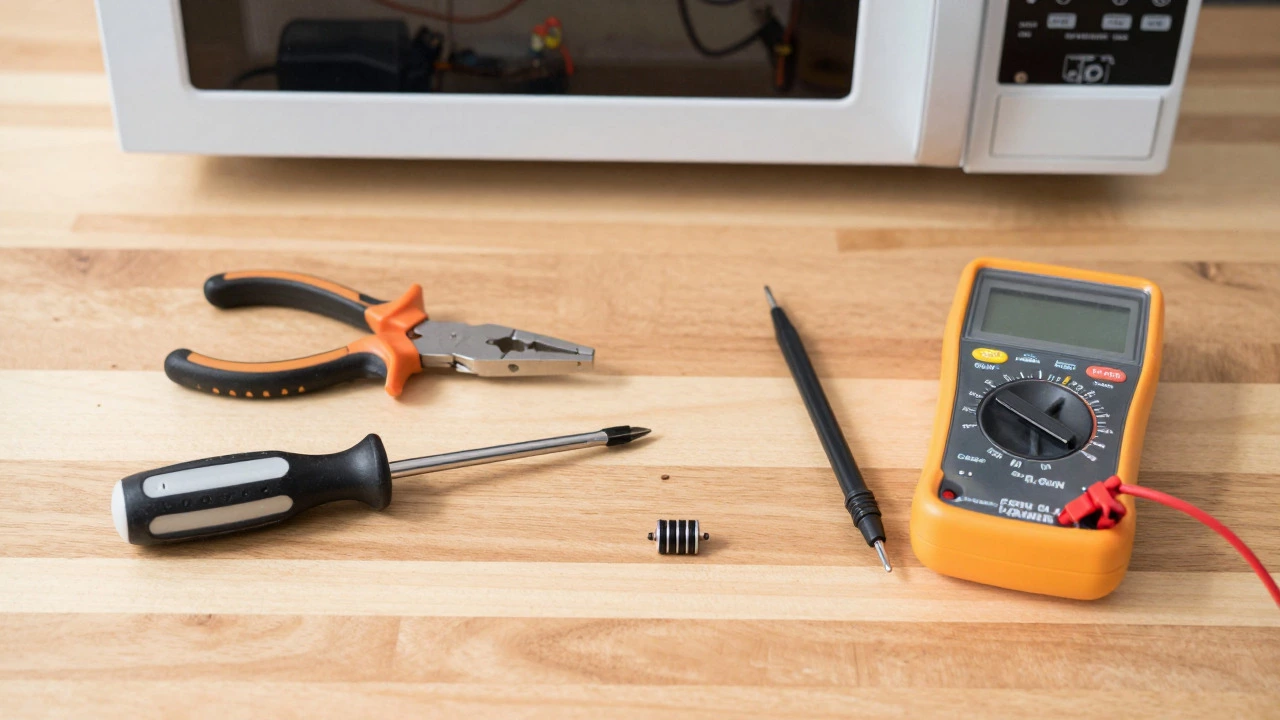
To discharge it safely, you need a insulated screwdriver with a non-conductive handle. Place the metal tip across the terminals of the capacitor while keeping your hands behind the handle. You might see a small spark. That’s good. It means the charge is gone. If you skip this step, you risk severe injury or death.
Once discharged, locate the thermal fuse. It’s usually attached to the outer casing near the magnetron or the control board. It looks like a small cylinder with two wires connected to it. Use pliers to disconnect the wires, remove the screws holding the fuse, and swap in the new one. Reassemble carefully, ensuring no metal clips are loose.
When a Blown Fuse Means Bigger Problems
A fuse doesn’t just blow for no reason. It’s a symptom. If you replace the fuse and it blows again immediately, you have a larger issue. Here are the common culprits:
- Shorted Magnetron: The magnetron generates the microwaves. If it shorts out, it draws too much current, blowing the fuse. Magnetrons cost $50-$100 alone. Fixing this requires professional skills.
- Faulty High-Voltage Diode: This diode converts AC to DC power for the magnetron. If it fails, it causes a surge. These diodes cost about $10-$15.
- Door Switch Failure: If the door switches are stuck or broken, the microwave might think the door is open while trying to run, causing erratic behavior and potential fuse blows.
- Overheating: Blocked vents or a failing cooling fan can cause the oven to overheat, triggering the thermal fuse. Clean the vents and check the fan before assuming the fuse is bad.
If you suspect any of these issues, a DIY fuse swap is a waste of money. You need a diagnostic test with a multimeter to check continuity and resistance. Without proper testing, you’re just guessing.
DIY vs. Pro: Which Is Right for You?
Let’s break down the decision tree. Ask yourself these three questions:
1. Do you have the right tools? You need a Phillips head screwdriver, needle-nose pliers, and ideally a multimeter. If you don’t own these, buying them might cost as much as the repair service call.
2. Are you comfortable with electricity? If the thought of discharging a capacitor makes you nervous, hire a pro. Safety is worth the extra $80.
3. How old is your microwave? If your microwave is more than 10 years old, consider if it’s worth repairing. New models are energy-efficient and come with warranties. Spending $150 on a 15-year-old unit might not make financial sense. For newer units under warranty, check if the manufacturer covers parts and labor. Calling a third-party tech might void that warranty.

Hidden Costs to Watch Out For
Be aware of additional fees that can inflate your bill. Many technicians charge a "trip fee" or "diagnostic fee" that is non-refundable if you choose not to proceed with the repair. Always ask for this amount upfront. In Vancouver and similar urban areas, traffic and parking can also add to the service cost, though reputable companies include this in their flat rate.
Also, check if the fuse is covered under an extended warranty. If you bought an extended protection plan through a retailer like Best Buy or Home Depot, the claim process might cover the part and labor entirely. Call the provider before calling a repair shop.
Steps to Prevent Future Fuse Blows
Once your microwave is fixed, keep it running smoothly with these tips:
- Clean the Vents: Dust buildup blocks airflow, causing overheating. Wipe the exterior vents monthly with a damp cloth.
- Don’t Run Empty: Running a microwave without food absorbs the energy back into the magnetron, causing heat damage and potential fuse blows.
- Use Microwave-Safe Containers: Metal utensils or foil can cause arcing (sparks). Arcing damages the interior and stresses the electrical components.
- Check Door Seals: Ensure the door closes tightly. A worn seal lets energy escape, forcing the system to work harder.
Maintaining your appliance extends its life and prevents costly repairs. A clean, well-ventilated microwave is less likely to overheat and blow a fuse.
How much does a microwave fuse cost to replace?
The part itself costs between $5 and $20. If you hire a professional, the total cost including labor and diagnostic fees ranges from $80 to $150.
Can I replace a microwave fuse myself?
Yes, if you are experienced with electronics and follow safety protocols. You must discharge the high-voltage capacitor before touching any internal parts. If you are unsure, hire a professional to avoid electric shock.
Why did my microwave fuse blow?
Fuses blow due to overheating, electrical surges, or component failures like a shorted magnetron or faulty diode. It is a safety mechanism designed to prevent fire or further damage.
Should I repair or replace my microwave if the fuse is blown?
If the microwave is under 5 years old and otherwise functional, repair is cost-effective. If it is older than 10 years or has other issues, buying a new model may be more economical and energy-efficient.
What tools do I need to replace a microwave fuse?
You need a Phillips head screwdriver, needle-nose pliers, and an insulated screwdriver for discharging the capacitor. A multimeter is helpful for testing the new fuse and checking for other faults.