Hob Repair vs. Replace Calculator
Use this tool to determine if it's more cost-effective to fix your current cooktop or invest in a new one.
Enter details to see recommendation.
Lifespan Context
You’re staring at a burner that won’t light or an induction zone that flickers out mid-sauté. It’s annoying, sure, but it also begs the big question: is your hob dying, or does it just need a tune-up?
Most people treat their cooktop like it’s immortal. We wipe up spills and keep cooking, rarely thinking about the internal mechanics until something breaks. But hobs have a predictable life cycle. Knowing what to expect helps you decide whether to call a technician in Vancouver for a quick fix or start budgeting for a replacement.
The Real Numbers on Hob Lifespan
There is no single answer because "hob" covers three very different technologies. A gas hob from the 1990s shares almost nothing mechanically with a modern induction unit. Here is the realistic breakdown based on industry standards and local service data:
| Hob Type | Average Lifespan (Years) | Primary Wear Factor | Common Failure Point |
|---|---|---|---|
| Gas Hob | 15-20+ | Corrosion & Burner Clogs | Ignition Module / Valves |
| Electric Coil | 10-15 | Element Burnout | Infinite Switches |
| Ceramic Glass | 8-12 | Thermal Stress Cracks | Heating Elements |
| Induction | 10-15 | Electronics Overheat | Control Board / Fans |
Notice the pattern? Gas wins on longevity. Why? Because it’s mechanical. If a gas burner gets clogged, you clean it. If an electric element burns out, you replace it. Induction and ceramic glass rely heavily on complex electronics and sensitive materials that are harder to repair once they fail.
Why Your Gas Hob Might Be Dying Early
If you own a gas hob, you likely think it will last forever. And it might! But not if you ignore the signs of early wear. The biggest killer isn't age-it's neglect.
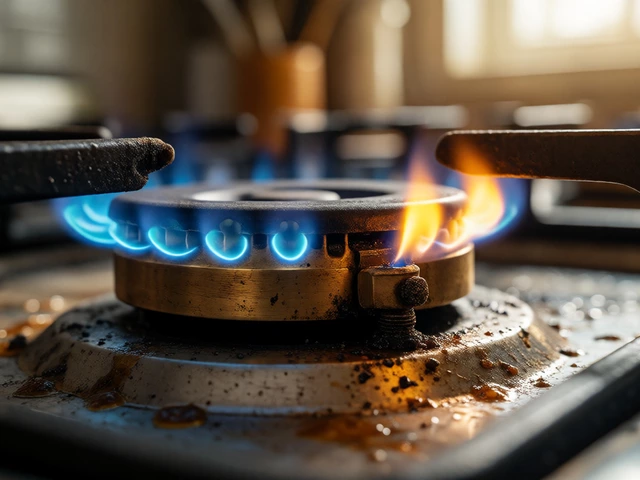
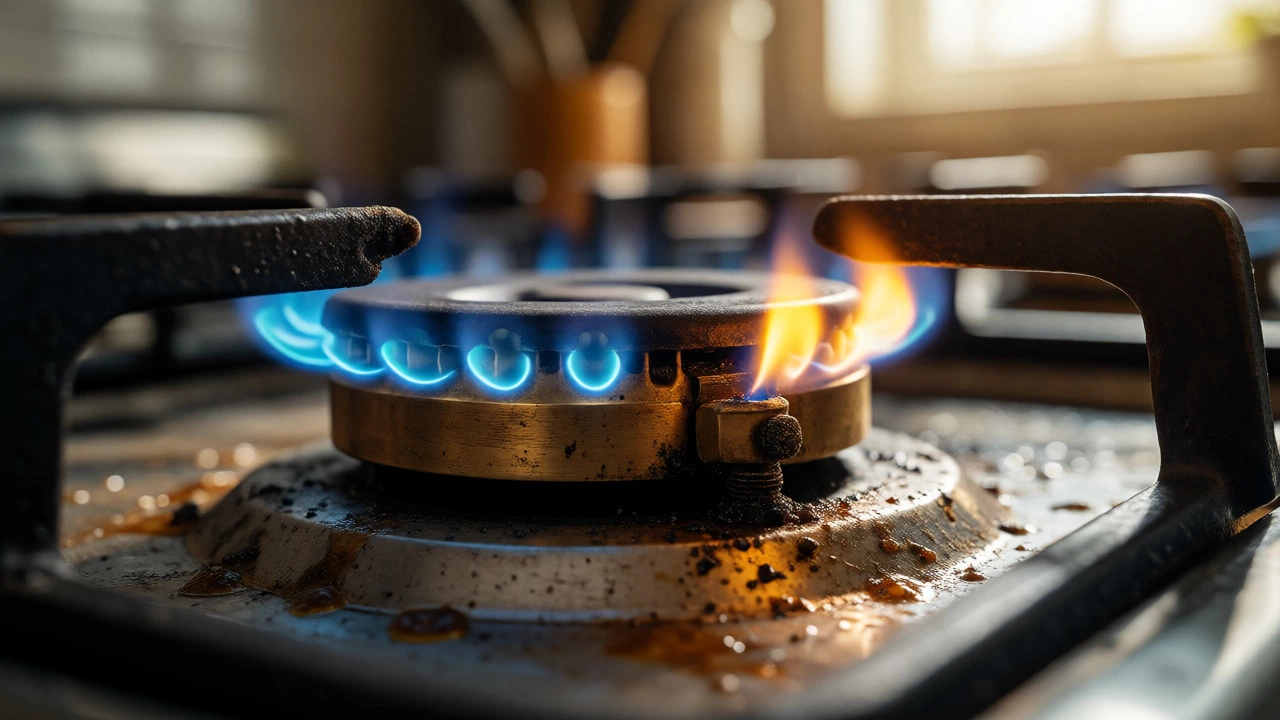
Think about the grease. When you fry bacon, oil splatters everywhere. Some goes into the drip trays, but some seeps under the burners and into the valve assembly. Over time, this gunk hardens. It blocks the tiny air holes in the burner caps, leading to yellow, sooty flames instead of crisp blue ones. That soot isn't just ugly; it insulates the thermocouple (the safety sensor), causing the gas to shut off unexpectedly.
Then there’s the ignition module. This little box sends sparks to light the gas. If you’ve ever pressed the knob and heard a rapid clicking sound but no flame, that’s often the module failing or the spark electrode being dirty. Replacing a spark electrode costs $20-$40. Replacing the whole module? Closer to $100-$150 plus labor. If your hob is over 15 years old, parts become scarce. Manufacturers stop making them. Suddenly, a $150 repair on a $200 used part becomes a tough sell compared to buying a new $600 unit.
The Fragile Truth About Electric and Ceramic Cooktops
Electric coil hobs are simple beasts. They heat up, they cool down. The main issue here is the infinite switch. These knobs control the power flow. Inside, they use a resistive track that wears down physically every time you turn them. After thousands of turns, the connection becomes intermittent. You’ll notice zones heating unevenly or not at all. Fixing this is cheap and easy for any technician.
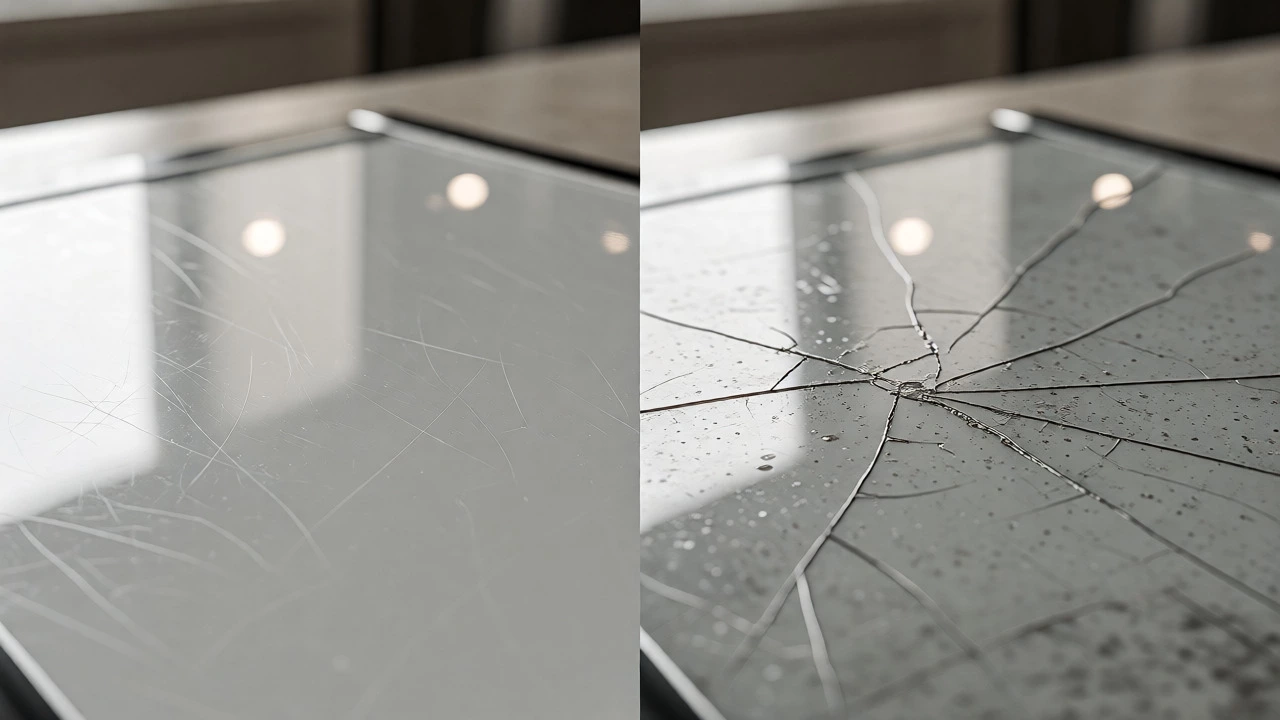
Ceramic glass hobs look sleek but hate abuse. Did you drag a cast-iron skillet across the surface? That created micro-scratches. Did you put a cold pot on a hot zone? That thermal shock can cause hairline cracks. Once cracked, moisture gets into the heating element underneath. Rust forms, the element fails, and the repair cost skyrockets. Often, replacing the glass top alone costs nearly as much as a new hob.
Induction: High Tech, High Stakes
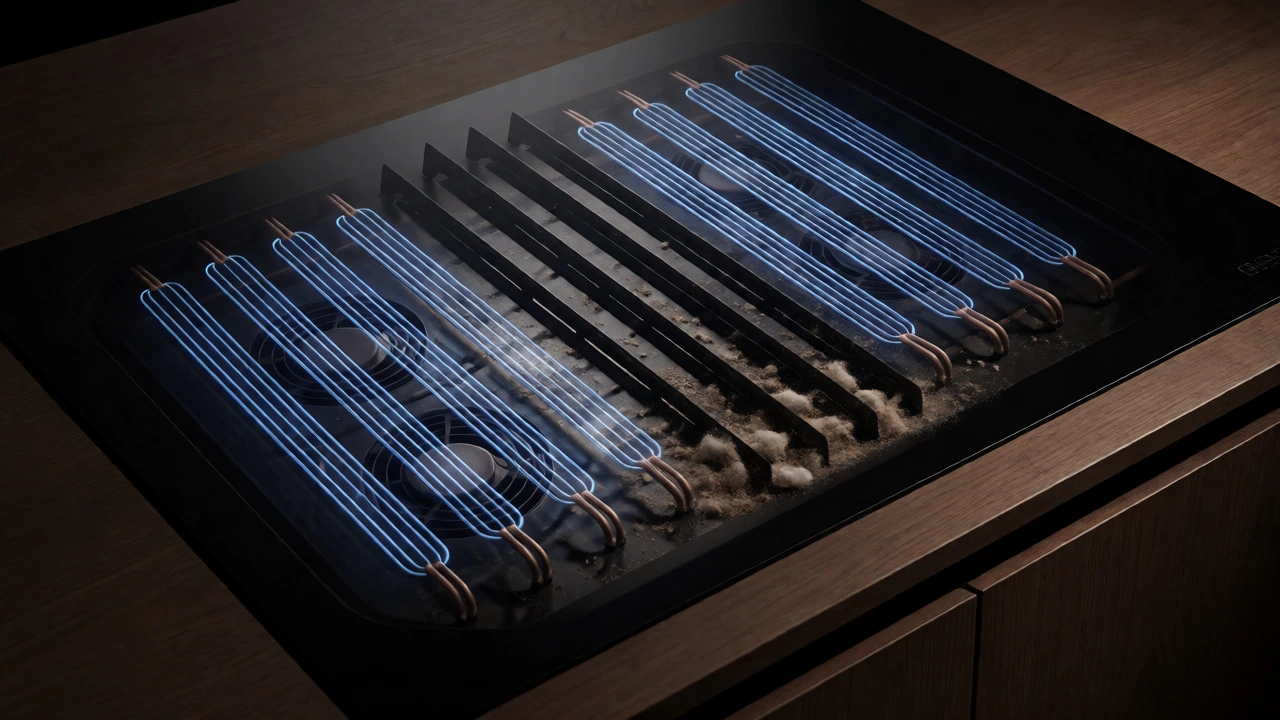
Induction hobs are essentially computers with copper coils. They don’t get hot themselves; they excite the molecules in your pan. This means less wasted energy, but more complexity. The enemy of induction is heat buildup inside the unit.
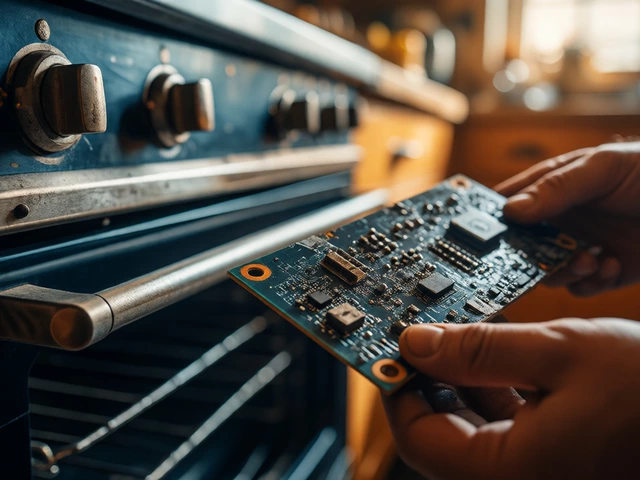
Underneath the glass, there are cooling fans. If those fans get clogged with dust and kitchen grime, the internal temperature rises. The system throttles back or shuts down to protect itself. In severe cases, the control board overheats and fries. Replacing a control board on a premium brand like Miele or Bosch can cost $300-$600. For a five-year-old hob, that’s a painful bill.
Here’s a pro tip: never block the ventilation slots. Many homeowners install induction hobs flush against cabinets without checking clearance specs. If the fan can’t breathe, the life expectancy drops from 15 years to 5.
Signs It’s Time to Call a Pro vs. Replace
So, how do you know when to pull the trigger? Use this decision tree:
- The Cost Rule: If the repair quote exceeds 50% of the price of a new equivalent model, replace it. Exception: If it’s a high-end built-in unit where installation costs are massive ($200+), sometimes repairing is still cheaper than full removal and re-installation.
- The Age Gap: Gas hobs over 20 years? Probably replace. Parts are obsolete. Electric/Induction over 10 years? Check availability first. If the manufacturer has discontinued the model, walk away.
- The Safety Red Flag: Any smell of gas after turning off the knob? Immediate professional check. Don’t wait. A leaking valve is dangerous.
- The Crack Test: Small scratch on ceramic glass? Fine. Deep crack running through the edge? Stop using it. Moisture ingress is guaranteed.
Extending Life: Simple Habits That Save Hundreds
You don’t need to be an engineer to double your hob’s lifespan. Just change your cleaning habits.
For gas hobs, remove the burner caps weekly. Soak them in warm soapy water with a splash of vinegar. Scrub the ports with a toothpick or a paperclip. Never use steel wool on brass components; it scratches and accelerates corrosion.
For induction and ceramic, use specific cleaners. Avoid abrasive sponges. They create microscopic grooves that trap dirt and dull the shine. Also, lift pots-don’t slide them. Sliding drags grit across the glass, acting like sandpaper.
And please, keep the vents clear. Vacuum the underside of built-in units twice a year if accessible. Dust accumulation is the silent killer of electronic components.
Frequently Asked Questions
Can I repair a cracked glass hob myself?
Technically yes, but it’s risky. Replacing the glass requires disconnecting electrical connections and handling heavy, fragile panels. If you damage the seal or wiring during DIY, you could void warranties or create safety hazards. Professional replacement ensures proper sealing against moisture.
Why does my gas hob click but not light?
This usually indicates a dirty igniter or a wet burner cap. Clean the area around the spark electrode with a dry cloth. Ensure the burner cap is seated correctly and completely dry. If cleaning doesn’t work, the ignition module may need replacement.
Is induction better than gas for long-term value?
Gas generally lasts longer due to simpler mechanics. However, induction offers higher energy efficiency and faster cooking times. From a resale perspective, induction is increasingly preferred in modern homes, potentially boosting property appeal despite a shorter average lifespan.
How often should I service my hob?
Professional servicing isn’t strictly required annually like boilers. However, a check-up every 3-5 years can catch loose fittings, worn seals, or early electronic faults before they become major failures. Daily cleaning is the most critical maintenance step.
What causes an induction hob to shut off randomly?
Overheating is the primary cause. Blocked cooling fans, poor ventilation under the counter, or using pans that are too small for the zone can trigger safety shutdowns. Ensure adequate airflow and use compatible cookware sizes.