Washing Machine Troubleshooter & Repair Estimator
Enter your machine's age and select the primary symptom to get a diagnosis, estimated repair cost, and a recommendation.
Diagnosis
Probable Cause:
DIY Difficulty:
Estimated Parts Cost:
Description:
Recommendation
You’re standing in the laundry room, staring at a puddle of soapy water or listening to a sound that sounds like a jet engine taking off inside your washing machine. It’s not just annoying; it’s expensive if you call a technician for every little thing. But here’s the truth: washing machines don’t break randomly. They fail in specific, predictable ways based on wear, tear, and how they’re used. If you know what usually breaks, you can diagnose the problem before you even pick up the phone.
Most people panic when their appliance stops working, but 80% of failures come down to just five or six components. Whether you have a top-loader or a front-loader, the mechanics are surprisingly similar. Let’s look at exactly what goes wrong, why it happens, and whether you should fix it yourself or call for help.
The Water Pump: The Heart That Stops Beating
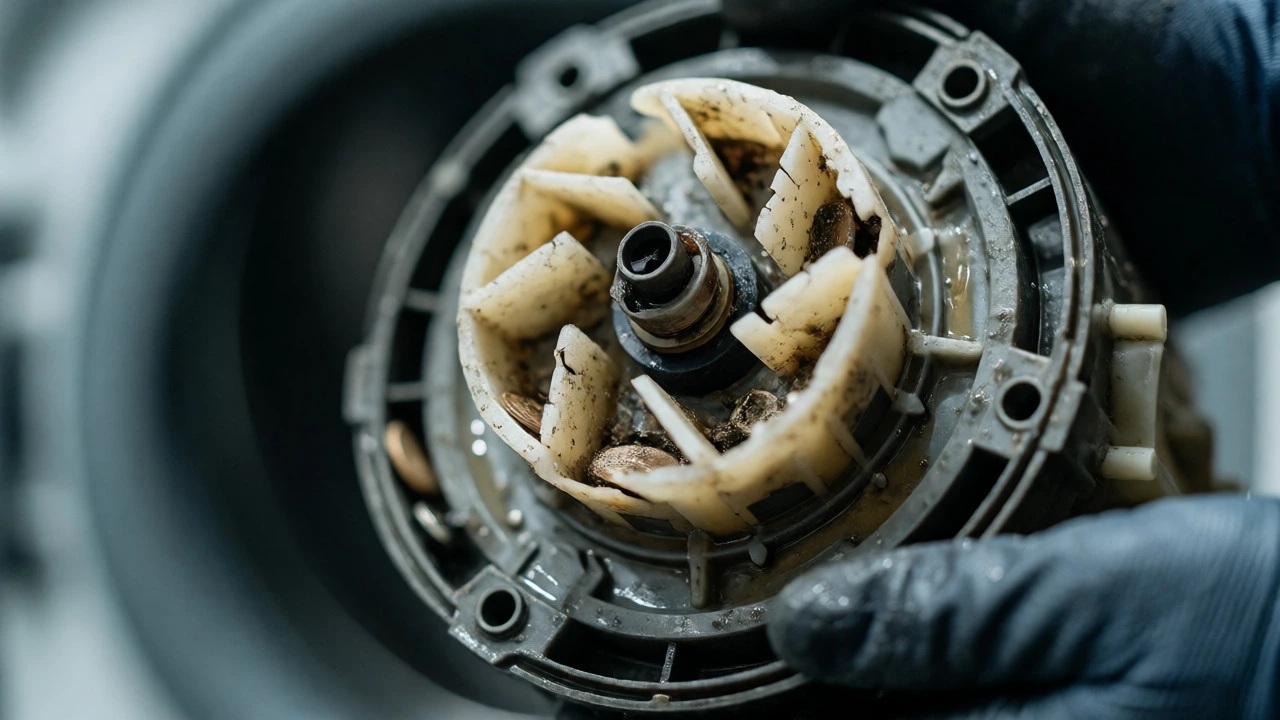
If your washer fills with water but won’t drain, or if it makes a loud humming noise without spinning, the water pump is likely the culprit. This small motorized part is responsible for pushing dirty water out of the tub and into your home’s plumbing. Because it handles debris-coins, buttons, lint, and hair-it clogs easily.
Over time, the impeller (the fan-like blade inside) can crack from hitting hard objects. Or, the motor itself burns out after years of heavy use. Replacing a pump is one of the most common DIY repairs because it’s often accessible from the bottom panel of the machine. Before buying a new one, check the filter trap (common in front-loaders). You might just need to clear a blockage rather than replace the whole unit.
Drum Bearings: The Expensive Noise Maker
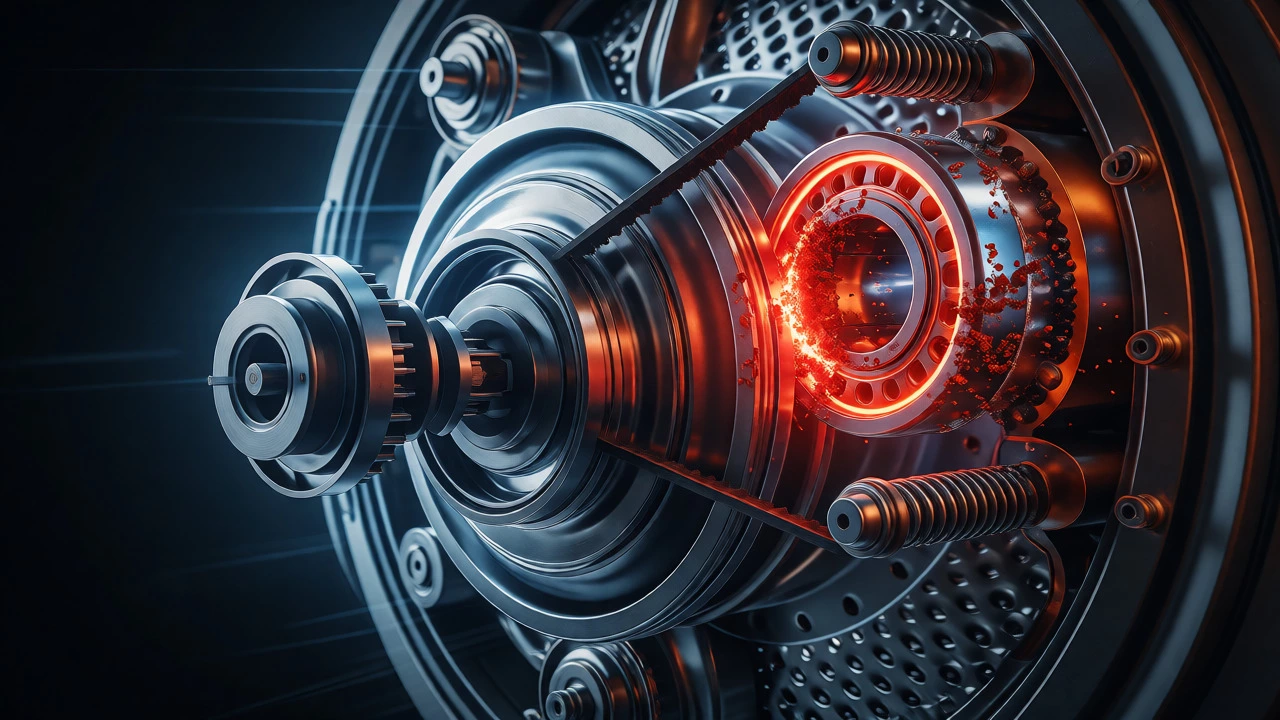
That deep, rumbling roar during the spin cycle? That’s almost always bad drum bearings. These metal rings support the inner drum as it spins at high speeds (often over 1,000 RPM). When the rubber seal protecting them fails, water gets in, rust sets in, and the bearings disintegrate.
This is the big one. While replacing a pump costs $50-$100, fixing bearings is labor-intensive. You have to take the entire machine apart. For many homeowners, the cost of parts plus professional labor approaches the price of a new washer. However, if you’re handy, it’s doable. Just be warned: if you hear grinding noises, stop using the machine immediately. A seized bearing can snap the drive belt or damage the outer tub, turning a $100 repair into a $300 disaster.
The Door Seal and Hoses: Where Leaks Start
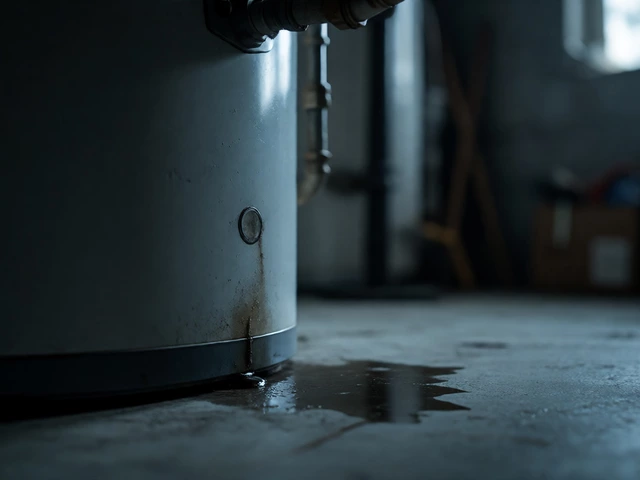
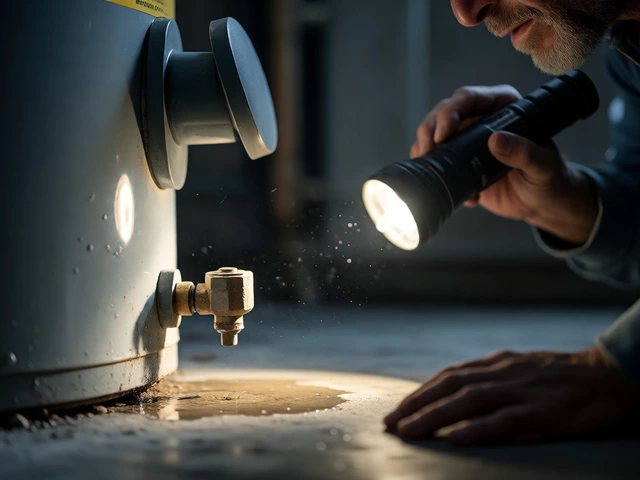
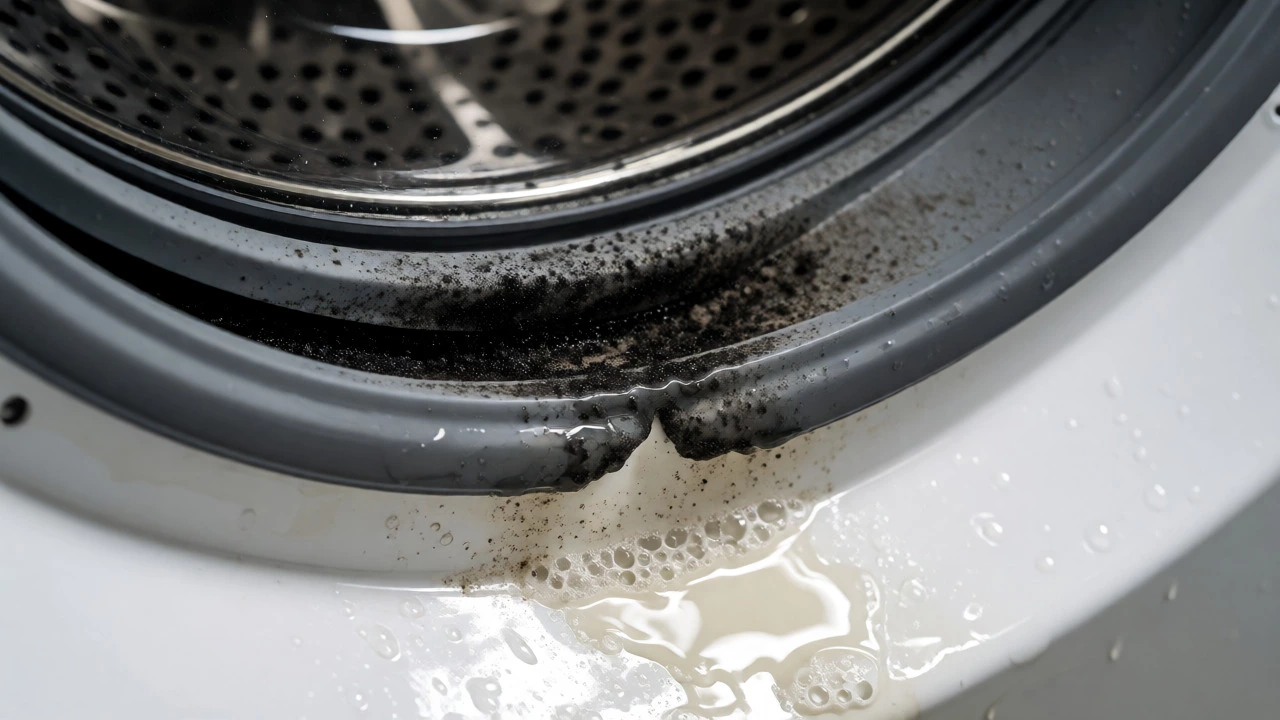
Water on the floor doesn’t always mean a cracked tub. In fact, leaks are frequently caused by simple external failures. Check the door boot seal (also called the gasket) on front-loading models. This thick rubber ring creates a watertight barrier between the door and the drum. Over time, detergent buildup and mold cause cracks or tears. Even a tiny hole will spray water everywhere during a high-speed spin.
| Leak Location | Likely Cause | DIY Difficulty |
|---|---|---|
| Under the door | Torn door boot seal | Moderate |
| Back of machine | Loose inlet hose connection | Easy |
| Center of cabinet | Cracked tub or loose clamp | Hard |
| Bottom front | Blocked drain filter overflow | Easy |
Also, inspect the inlet hoses that connect your washer to the wall. Rubber hoses degrade after five years. Look for bulges or brittleness. Swapping these out takes ten minutes and prevents catastrophic flooding if they burst while you’re away.
Control Board: The Brain Freeze
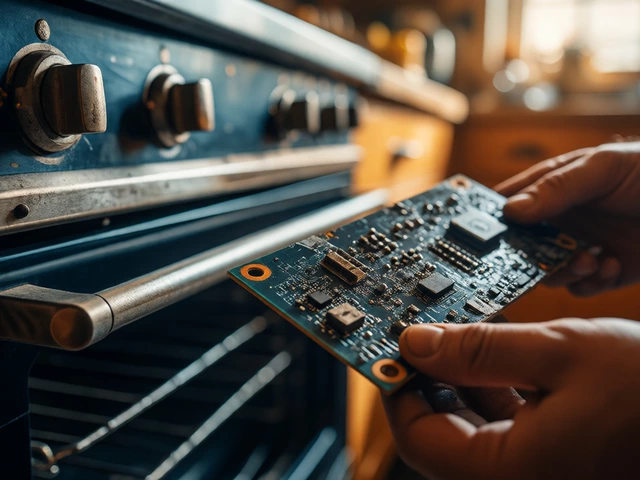
Sometimes the mechanical parts are fine, but the electronics fail. The control board (or main PCB) manages the wash cycles, timing, and sensor inputs. Power surges, moisture ingress, or simple component aging can fry this circuit board.
Symptoms include the machine not starting at all, lights flashing erratically, or stopping mid-cycle without reason. Diagnosing a bad control board is tricky because other failing parts (like a lid switch or timer) can mimic electronic failure. Always rule out simple electrical issues first. Check your outlet with another device. Ensure the power cord isn’t damaged. If those are good, the board might be dead. Replacement boards vary wildly in price depending on the brand, ranging from $100 to over $400.
Drive Belt and Motor Coupler: The Spin Cycle Stalls
If the drum turns freely by hand but doesn’t move during the wash cycle, or if the motor runs but the drum stays still, look at the drive system. Older top-loaders use a drive belt connected to a pulley. Newer direct-drive models use a motor coupler, a small plastic-and-rubber piece that absorbs vibration.
Belts stretch or snap over time. A snapped belt means no agitation or spin. It’s a cheap part ($15-$30) and easy to replace on many models. Motor couplers, however, are designed to fail intentionally to protect the motor. If your washer hums but doesn’t agitate, the coupler has likely sheared. This is a classic "wear item" failure. Both fixes are relatively inexpensive and highly rewarding for DIYers.
Lid Switch and Lock Assembly: The Safety Interlock
Modern washers won’t start if they think the door or lid is open. This safety feature relies on the lid switch or door lock assembly. If this sensor fails, the machine may fill with water but never begin the wash cycle, or it might refuse to drain.
In front-loaders, the electronic door lock is a frequent point of failure. Debris can jam the latch mechanism, or the internal solenoid can burn out. Try restarting the machine or unplugging it for a few minutes to reset the logic. If the error code persists (often displaying "DL" or "Door Locked"), the assembly needs replacement. It’s a straightforward swap on most units, requiring only a screwdriver and patience.
When to Fix vs. Replace
So, how do you decide? Here’s a quick rule of thumb. If the repair involves the pump, belt, hoses, or switches, and the machine is under 7-8 years old, fix it. These parts are affordable and readily available.
If the issue is the transmission, drum bearings, or an expensive control board on an older machine, consider replacement. Washing machines have a typical lifespan of 10-12 years. Spending $300 on a repair for a 10-year-old unit often isn’t worth it compared to investing in a newer, more energy-efficient model. Always get a quote first. If the repair cost exceeds 50% of the price of a new machine, walk away.
Why is my washing machine leaking water?
Leaks are most commonly caused by worn inlet hoses, a torn door boot seal (on front-loaders), or a loose drain hose connection. Less frequently, a cracked tub or faulty pump housing can cause leaks. Always check external connections first before assuming internal damage.
What does it mean when my washer makes a loud banging noise?
A loud banging or thumping noise usually indicates an unbalanced load. Pause the cycle and redistribute the clothes evenly around the drum. If the noise persists with balanced loads, it could be worn shock absorbers or suspension springs, which dampen the movement of the tub.
How long do washing machine drum bearings last?
High-quality drum bearings typically last 10 to 15 years, or roughly 10,000 to 15,000 wash cycles. However, exposure to water due to a failed seal can reduce this lifespan significantly, causing premature failure within 5-7 years.
Can I replace a washing machine water pump myself?
Yes, for most models. You typically need to remove the front or rear access panel, disconnect the drain hose and wiring harness, and unscrew the mounting bolts. It requires basic tools like a screwdriver and pliers. Always unplug the machine before starting.
Why won't my washing machine spin?
If the machine drains but doesn't spin, check the lid switch or door lock assembly first, as the machine won't spin if it thinks the door is open. Other causes include a broken drive belt, a failed motor coupler, or a faulty clutch (in top-loaders).