Water Heater Lifespan Estimator
Enter your water heater details below to estimate its remaining life and get personalized maintenance advice.
Your Water Heater Details
Fill out the form to see your estimated lifespan.
You’re standing in the basement or utility closet, staring at that big metal cylinder humming quietly in the corner. It’s been there for years, maybe decades, doing its job without complaint. But then you notice a slight damp spot on the floor, or perhaps your morning shower turns lukewarm way too quickly. The question hits you: how long should a water heater last? Is it nearing retirement, or is this just a minor glitch?
The short answer isn’t as simple as checking an expiration date on milk. A standard tank water heater typically lasts between 8 and 12 years. Tankless models can push past 20 years if treated right. But here’s the kicker: those numbers are averages. Your specific unit could fail in year six or survive until year fifteen, depending entirely on how you treat it and where you live. In Vancouver, with our relatively soft water compared to other parts of North America, we often see heaters lasting toward the upper end of that spectrum, but hard water pockets still exist. If you ignore the warning signs, you might be looking at a flood instead of a planned replacement.
What Actually Determines Water Heater Lifespan?
Think of your water heater like a car engine. Some cars run for 300,000 kilometers; others need major repairs at 150,000. It’s not just about mileage-it’s about maintenance, fuel quality, and environment. For water heaters, the biggest enemy is corrosion. Inside the tank, steel walls are constantly exposed to hot water and oxygen. Without protection, rust eats through the metal from the inside out.
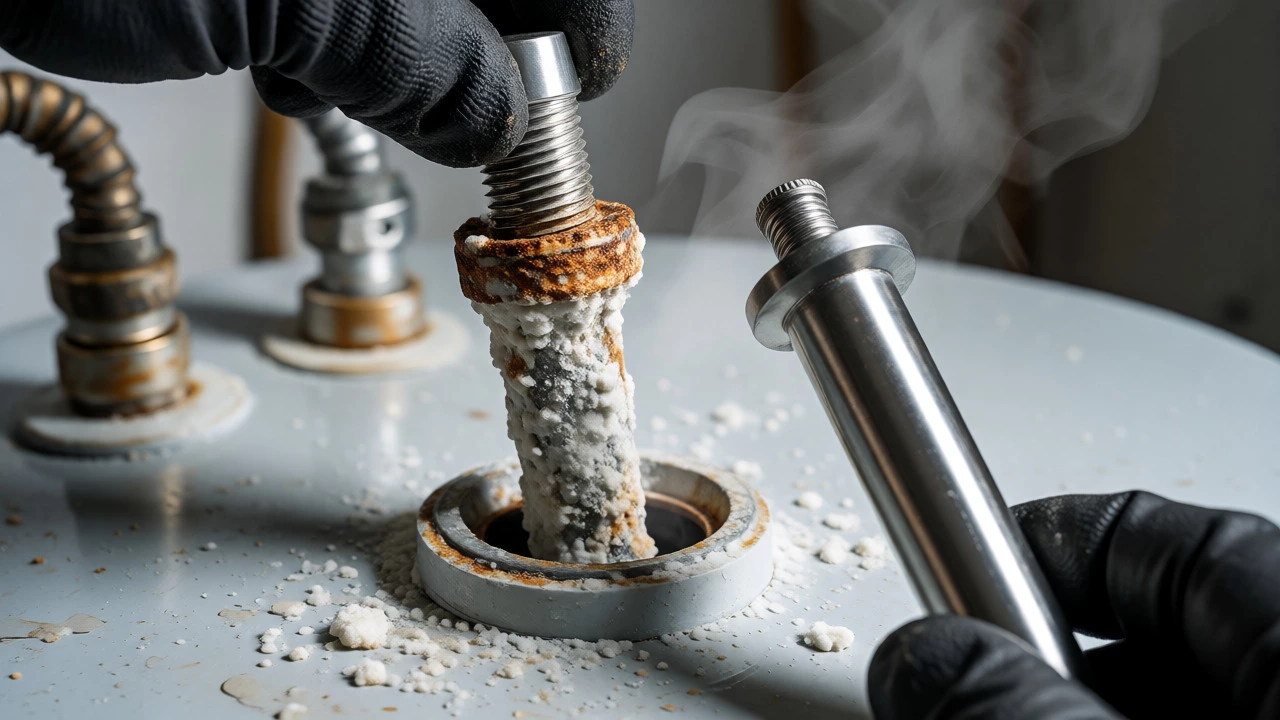
This is where the Anode Rod comes into play. It’s a sacrificial piece of metal-usually magnesium or aluminum-that sits inside the tank. Its job is to corrode instead of the steel tank. When the rod degrades completely, the tank starts rusting. If you never check or replace this rod, you’re cutting your heater’s life by half. Another major factor is Sediment Buildup. Minerals in your water settle at the bottom of the tank. This layer insulates the burner (in gas units) or heating elements (in electric units), forcing them to work harder and overheat. Over time, this stress cracks the tank or burns out components.
Your local water chemistry plays a huge role here. If you have hard water high in calcium and magnesium, sediment builds up faster. Conversely, very aggressive water can eat through anode rods rapidly. Knowing your water hardness helps you predict when trouble might strike. You can buy a simple test kit at any hardware store for under $20 to find out what you’re dealing with.
Tank vs. Tankless: Different Lifespans, Different Risks
Not all water heaters are created equal. The technology inside dictates how long the machine will stick around.
| Type | Average Lifespan | Key Failure Point | Maintenance Need |
|---|---|---|---|
| Standard Gas Tank | 8-12 Years | Tank Corrosion / Sediment | Annual flushing, Anode check every 3-5 years |
| Electric Tank | 10-15 Years | Heating Element Burnout | Element replacement, Flushing |
| Tankless (Gas) | 20+ Years | Heat Exchanger Scaling | Annual descaling flush |
| Hybrid Heat Pump | 10-15 Years | Compressor Failure | Filter cleaning, Condensate line check |
Tankless units don’t hold water, so they don’t suffer from the same kind of constant internal pressure and static corrosion. However, they aren’t invincible. Because water flows through narrow copper coils, mineral scale can clog them up. In areas with hard water, skipping the annual descaling flush can kill a $1,500 unit in just five years. Gas tank heaters tend to have shorter lives than electric ones because the combustion process creates more heat stress on the tank’s bottom section.
Warning Signs Your Heater Is Dying
You don’t want to wait until cold water shocks you awake at 6 AM. Catching the decline early saves money and stress. Here’s what to look for:
- Rusty Water: If you turn on the hot tap and brownish water comes out, the interior lining is failing. Note: If only cold water is rusty, it’s your pipes, not the heater.
- Popping or Rumbling Noises: That sounds like bacon frying? It’s trapped steam bubbling up through layers of sediment. This reduces efficiency and damages the tank.
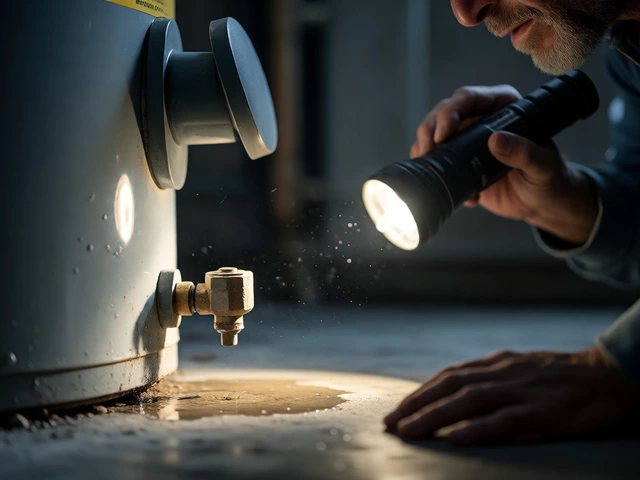
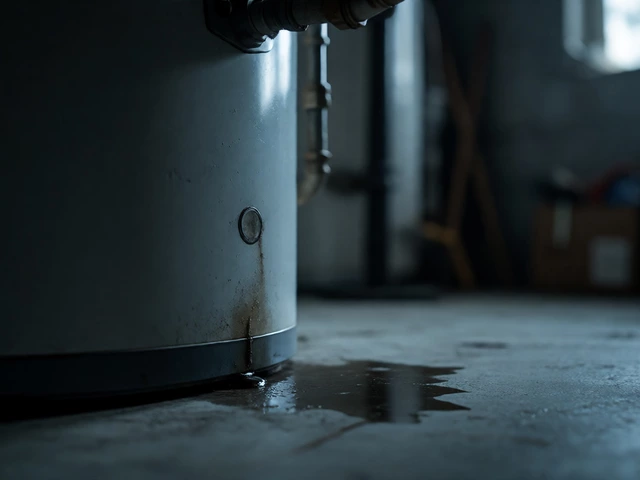
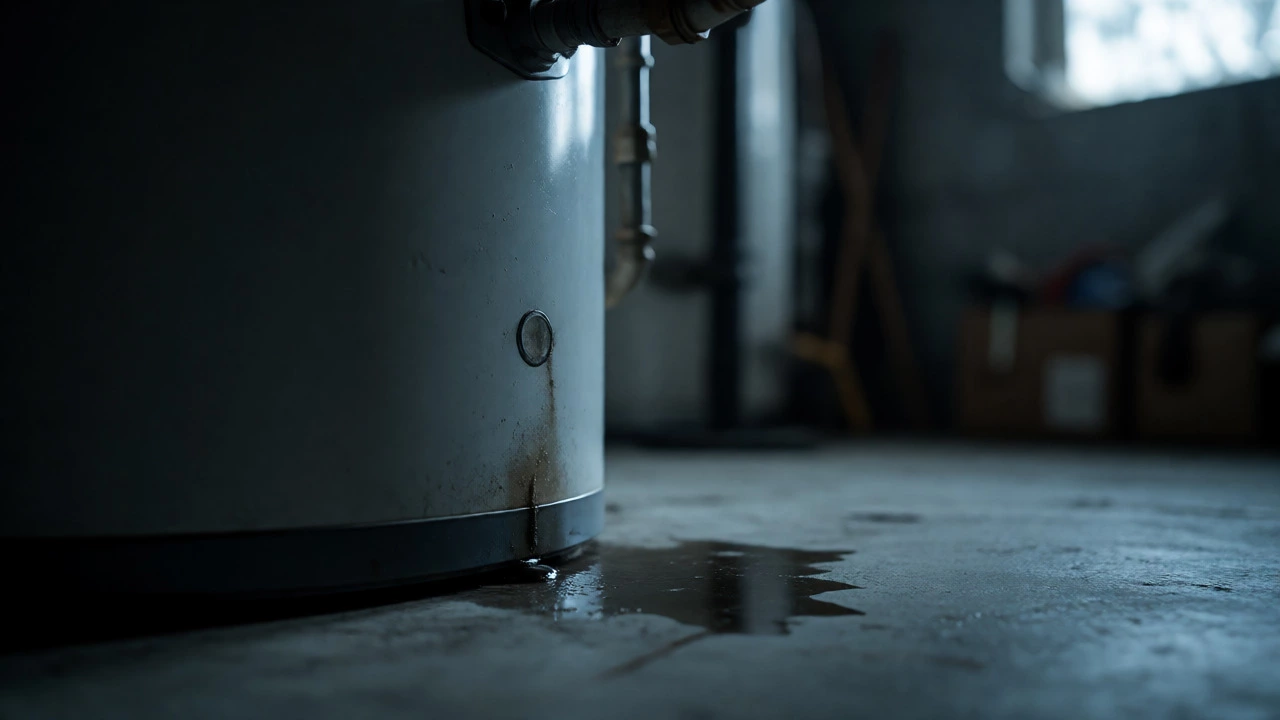
- Visible Moisture: Check the base of the unit. Even a small drip means the tank has developed a pinhole leak. Tanks cannot be patched effectively; they must be replaced.
- Inconsistent Temperature: If the water goes from scalding to lukewarm randomly, your thermostats or mixing valves might be failing, or the dip tube is broken.
- Age: If your unit is over 10 years old and showing any of the above signs, start shopping for a replacement now. Don’t wait for the total failure.
A broken Dip Tube is a common issue in older tanks. This plastic tube directs incoming cold water to the bottom of the tank. When it cracks, cold water mixes immediately with hot water at the top, causing rapid temperature drops during showers. Replacing a dip tube costs less than $20 in parts, but labor makes it pricey unless you DIY.
How to Extend Your Water Heater’s Life
You can’t stop time, but you can slow down decay. Regular maintenance is the single best investment you can make.
- Flush the Tank Annually: Hook a hose to the drain valve and let it run until the water runs clear. This removes sediment before it hardens into concrete-like layers. Do this once a year, preferably before winter.
- Check the Pressure Relief Valve (T&P Valve): Lift the lever briefly once a year. If water discharges and stops when released, it works. If it leaks continuously or doesn’t discharge, replace it. A stuck valve can cause dangerous pressure buildup or premature tank failure.
- Inspect or Replace the Anode Rod: Every three to five years, unscrew the anode rod. If it’s heavily corroded or covered in white calcium deposits, replace it. A new rod costs $20-$40 and can add 3-5 years to your tank’s life.
- Adjust Thermostat Settings: Keep the temperature at 120°F (49°C). Higher temperatures accelerate sediment formation and increase energy costs. Most modern heaters come preset at 140°F, which is unnecessarily high for most homes.
If you live in an area with extremely hard water, consider installing a whole-house water softener. While expensive upfront, it protects not just your water heater but also your dishwasher, washing machine, and plumbing fixtures. The math often works out within a few years due to reduced appliance replacements and lower detergent usage.
Repair or Replace? Making the Financial Call
So, your heater is acting up. Should you fix it or bin it? Use this rule of thumb: If the repair cost exceeds 50% of the price of a new unit, replace it. If your heater is less than 7 years old, repairs usually make sense. If it’s over 10 years old, even a cheap fix is risky because another component will likely fail soon.
Consider the hidden costs of failure. A leaking tank can ruin flooring, drywall, and insulation. The cleanup and restoration often cost more than the heater itself. If you’re renting, talk to your landlord immediately. If you own, budget for replacement proactively. Saving $1,500 now might cost you $10,000 in water damage later.
Also, think about energy efficiency. Newer models, especially condensing gas units or hybrid heat pumps, are significantly more efficient. If your current unit is an old atmospheric gas model, upgrading could save you enough on utility bills to offset part of the purchase price over time.
When to Call a Professional
While flushing a tank is a weekend warrior task, some jobs require a licensed plumber. Call a pro if:
- You smell gas near a gas water heater (evacuate first!).
- The T&P valve won’t close after testing.
- You suspect a leak but can’t locate the source.
- You’re replacing the unit yourself and aren’t comfortable working with gas lines or electrical connections.
In Vancouver, building codes are strict regarding venting and seismic strapping. Improper installation can void warranties and create safety hazards. A professional ensures compliance and handles permits if needed.
Can I extend my water heater's life beyond 15 years?
Yes, but it requires diligent maintenance. Units that exceed 15 years usually have had their anode rods replaced multiple times and undergo regular flushing. However, the risk of sudden catastrophic failure increases significantly after year 12, so insurance may become difficult to obtain or more expensive.
Does water hardness really affect lifespan?
Absolutely. Hard water contains minerals like calcium and magnesium that form scale. This scale insulates heating elements, causing them to overheat and burn out, and accumulates at the bottom of tanks, reducing capacity and causing noise. Softened water can double the effective lifespan of many appliances.
Is a tankless water heater worth the longer lifespan?
For many homeowners, yes. While the upfront cost is higher, the 20-year lifespan and energy savings often break even within 7-10 years. Plus, you gain unlimited hot water. However, they require strict annual maintenance to prevent scaling, so they are not "set it and forget it" devices.
What happens if I ignore a leaking water heater?
A small leak can quickly turn into a burst tank. Water weighs 8.3 pounds per gallon; a 50-gallon tank holds over 400 pounds of water. If the tank ruptures, it can flood your home in minutes, damaging floors, walls, and personal belongings. Immediate replacement is the only safe option for a leaking tank.
How often should I replace the anode rod?
Inspect it every 3 to 5 years. If more than 50% of the core wire is exposed or the rod is heavily coated in calcium, replace it immediately. In areas with very aggressive water, you might need to replace it every 2 years.