Oven Longevity & Repair Estimator
Enter your oven details below to get a personalized recommendation on whether to keep fixing it or start shopping for a new one.
Verdict:
Based on current market dataAvg. Lifespan
Repair % of New
Risk Factor
| Brand | Typical Life | Common Failures | Part Availability |
|---|---|---|---|
| Bosch | 12-15 yrs | Control boards, seals | High |
| Wolf | 15-20+ yrs | Igniters, sensors | Moderate |
| GE / Whirlpool | 10-13 yrs | Elements, fans | Very High |
| Samsung / LG | 7-9 yrs | Main PCB, touch controls | Moderate |
You just spent $1,500 on a new range. Two years later, the igniter fails. Or maybe it’s the control board that fries after three years of heavy baking. It feels like a scam, doesn’t it? You’re not imagining things. The average lifespan of a modern electric oven has actually dropped in recent decades. We used to expect appliances to last 20 years; now, 7 to 10 years is often considered "good" for mid-range models.
If you are tired of replacing parts every other year, you need to know which brands actually build machines that survive daily use. This isn't just about brand names printed on the front panel. It's about internal components, build quality, and how easy they are to fix when they inevitably break. Let’s look at what really lasts.
The Hard Truth About Modern Appliance Lifespans
Before we name winners, let’s talk about why your old stove probably outlived your new one. Manufacturers today chase margins and features, not necessarily longevity. They pack ovens with complex electronics-touchscreens, Wi-Fi modules, and digital displays-that serve as failure points. A simple mechanical timer from 1985 rarely broke. A smart display from 2024 breaks if you spill sugar water on it.
According to data from major consumer reports and repair technicians, the median life expectancy for a standard electric range sits between 10 and 13 years. Gas ranges often edge them out slightly, lasting closer to 15 years because their heating mechanisms (burners) are mechanically simpler than electric coils or glass tops. But here is the catch: repairability matters more than raw lifespan. An oven that lasts 12 years but costs $400 to fix a minor issue is less valuable than one that lasts 10 years but uses universal, cheap parts.
Top Contenders for Durability
We analyzed repair frequency, part availability, and technician feedback to rank the most reliable brands. Keep in mind: no brand is perfect. Every company has bad batches. But some consistently produce units that stay out of the shop.
| Brand | Avg. Lifespan (Years) | Common Failure Points | Repair Difficulty | Part Availability |
|---|---|---|---|---|
| Bosch | 12-15 | Control boards, door seals | Moderate | High |
| Wolf | 15-20+ | Igniters, sensors | High (Specialized) | Moderate |
| GE Profile | 10-12 | Touchpads, fan motors | Low | Very High |
| Whirlpool | 10-13 | Heating elements, thermostats | Low | Very High |
| Samsung | 7-9 | Main PCB, touch controls | Moderate-High | Moderate |
Bosch: The Engineer’s Choice
Bosch is a German manufacturer known for precision engineering and robust construction. Their ovens typically feature heavier-gauge steel and better insulation than budget competitors. Technicians often report that Bosch units handle high heat cycles without warping, which keeps door seals intact longer. When seals fail, heat escapes, forcing the oven to work harder and burn out elements faster. Bosch avoids this cycle effectively.
The downside? Parts can be pricier. If a specific European-standard sensor fails, you might wait a week for shipping compared to two days for a US-made GE part. But you replace it less often.
Wolf: Built Like a Tank
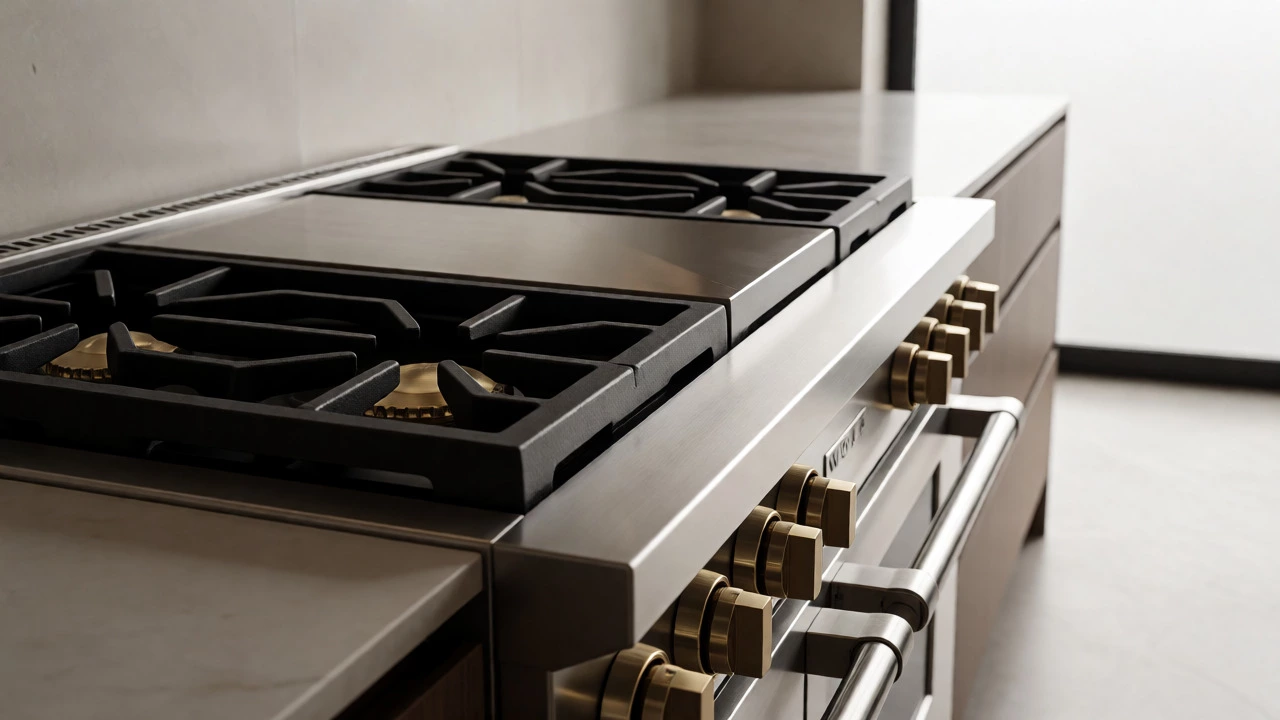
If money is no object, Wolf (owned by Sub-Zero Group) is arguably the gold standard for durability. These are commercial-grade appliances adapted for home use. They use cast iron grates and brass burners that resist corrosion. Many Wolf owners keep their original ranges for over 20 years with only routine maintenance.
However, Wolf repairs require specialized technicians. You cannot just call any handyman. The parts are proprietary and expensive. A single control board replacement can cost as much as a mid-range Whirlpool oven. Is it worth it? Only if you plan to stay in your home for a decade or more and value performance over low upfront costs.
GE Profile and Whirlpool: The Practical Winners
For most households, General Electric (GE) and Whirlpool offer the best balance of longevity and serviceability. Why? Because almost every appliance repair person in North America stocks their parts. If your GE oven’s bake element burns out, a local tech can likely fix it same-day for under $200.
GE’s "Profile" line specifically adds better insulation and sturdier racks compared to their base models. Whirlpool shares many components with Maytag and KitchenAid, creating a massive ecosystem of interchangeable parts. This redundancy means even if one supplier goes out of business, alternatives exist. That accessibility extends the practical life of the appliance because fixes remain affordable.
Samsung and LG: The Electronics Gamble
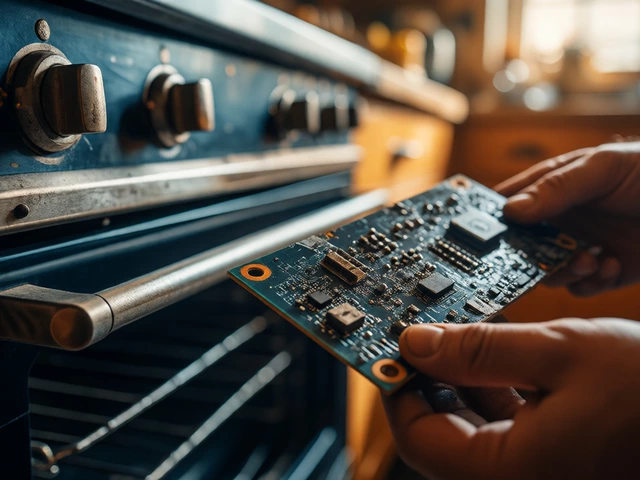
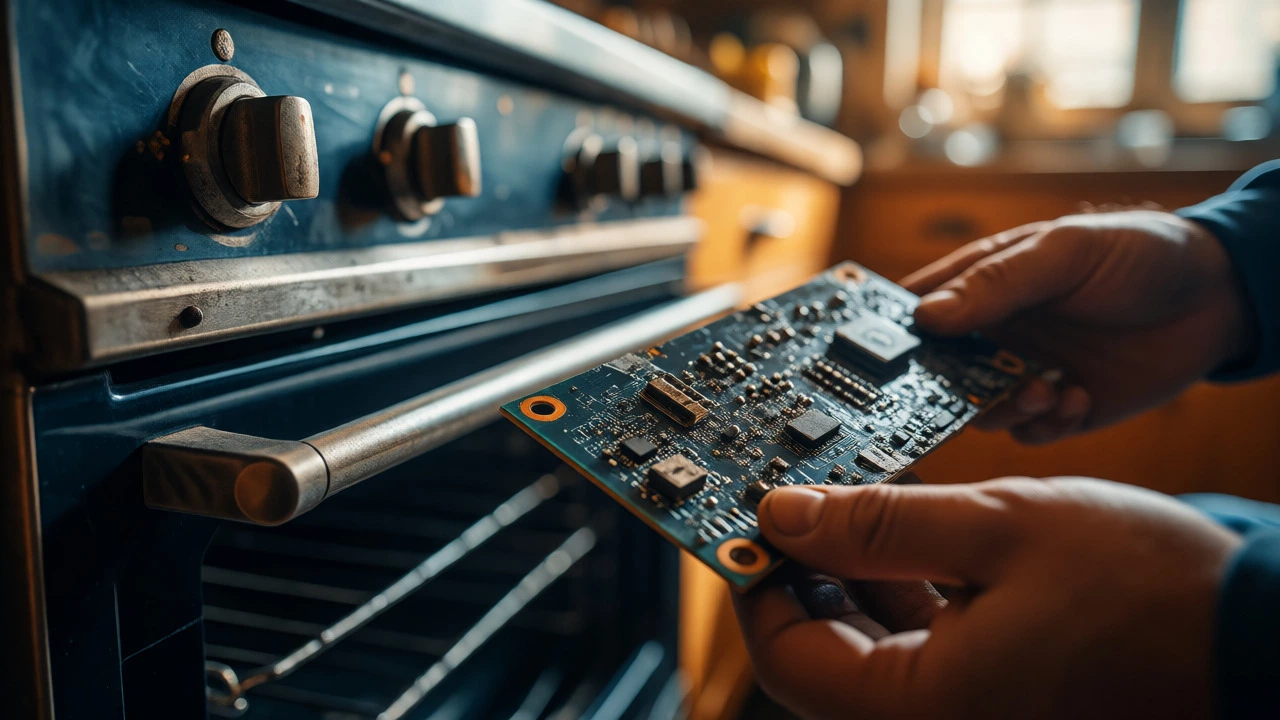
Korean giants like Samsung and LG dominate the market with sleek designs and smart features. They look great in a modern kitchen. But repair technicians often dread them. The main Printed Circuit Board (PCB) in Samsung ovens is a notorious failure point. Water intrusion, power surges, or simple age can fry these boards.
Replacing a Samsung PCB often costs $300-$500 including labor. For an oven that is five years old, this repair might not make financial sense. While their stainless steel finishes resist fingerprints well, the internal electronics lack the ruggedness of Bosch or GE. If you buy Samsung, consider an extended warranty that covers electronics.
What Actually Kills Your Oven?
It is rarely the oven itself dying of old age. It is usually specific components failing due to misuse or poor maintenance. Understanding these failure modes helps you choose a brand that mitigates them.
- Door Seals: If your oven leaks heat, the heating element runs constantly. This shortens its life. Look for brands with magnetic, removable gaskets that are easy to clean and replace.
- Self-Clean Cycles: This feature heats the oven to nearly 900°F (480°C). It stresses electronic components and melts grease onto sensitive sensors. Brands with simpler self-clean systems or those that allow manual cleaning tend to have fewer electronic failures.
- Ventilation: Blocked vents cause overheating. Some brands design better airflow channels around the control panel to prevent heat buildup from damaging the user interface.
How to Make Any Oven Last Longer
Buying a durable brand is half the battle. How you treat it determines the rest. Here are four habits that extend lifespan regardless of the logo on the front.
- Stop Using Aluminum Foil on the Bottom: Lining the floor of your oven with foil blocks air circulation. In gas ovens, this disrupts burner flames. In electric ovens, it reflects heat back into the element, causing it to overheat and burn out prematurely. Clean spills instead.
- Clean Spills Immediately: Sugar-based spills turn into hard carbon deposits that insulate the bottom of the oven, leading to uneven heating and stress on the thermostat. Wipe them up while warm (not hot).
- Check Door Alignment: If your oven door doesn’t close flush, heat escapes. Adjust the hinges or replace the gasket early. Ignoring this forces the system to work 20% harder, accelerating wear on all moving parts.
- Respect the Self-Clean Limit: Run the self-clean cycle only once or twice a year. Overusing it degrades the enamel coating and stresses the lock mechanism.
When to Repair vs. Replace
Even the best ovens break. The question is whether to fix them. Use this rule of thumb: If the repair cost exceeds 50% of the price of a new comparable model, replace it. However, for high-end brands like Wolf or Viking, you might pay 70% of a new unit’s cost to repair it because buying new is so prohibitively expensive.
For standard brands like GE or Whirlpool, if your oven is over 10 years old and needs a control board, it is usually time to upgrade. Newer models are more energy-efficient and safer. But if it is under 8 years old and needs a heating element or fan motor, fix it. Those parts are cheap and easy to swap.
Is it better to buy a gas or electric oven for longevity?
Gas ovens generally last longer because their heating mechanism (burners) is mechanically simpler and more robust than electric heating elements. Electric ovens rely on resistive wires that degrade over time and complex control boards. However, electric ovens offer more consistent temperature control for baking. If pure longevity is your goal, a gas range with a simple mechanical ignition system is often the most durable choice.
Do smart features shorten oven lifespan?
Yes, significantly. Smart features add complexity, including Wi-Fi modules, touchscreens, and additional circuitry. Each added component is a potential point of failure. Studies and repair data suggest that ovens with basic analog controls or simple digital keypads have lower failure rates than those with large color touchscreens and app connectivity. If you want longevity, skip the Wi-Fi and stick to physical knobs or simple buttons.
Which oven brand has the cheapest parts?
Whirlpool, GE, and Frigidaire typically have the lowest-cost and most widely available parts. Because these brands sell millions of units, third-party manufacturers produce compatible components, driving prices down. Luxury brands like Miele or Wolf have proprietary parts that are more expensive and often must be ordered directly from the manufacturer, increasing both cost and wait times.
How does humidity affect my oven?
High humidity, common in coastal areas like Vancouver, can corrode metal components and damage electronic contacts. Moisture inside the control panel can cause short circuits. To mitigate this, ensure your kitchen has good ventilation. If you live in a very humid climate, avoid ovens with exposed electronic interfaces near the steam vent, or choose models with sealed control panels.
Are induction ovens more durable than electric ones?
Induction cooktops are extremely durable because they have no open flame or glowing elements to burn out. However, the oven portion of an induction range is still electric. Therefore, the oven's lifespan depends on the same factors as any electric oven: heating elements, fans, and control boards. Induction benefits the cooktop surface, not necessarily the oven cavity itself.