Range Oven Lifespan & Repair Estimator
Enter your details to get a personalized recommendation on whether to repair or replace your oven.
Recommendation:
Financial Breakdown:
| Repair Cost: | - |
| New Unit Cost: | - |
| 50% Threshold: | - |
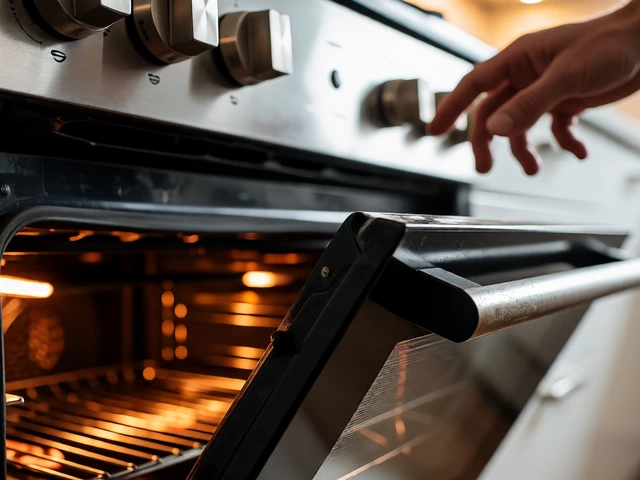
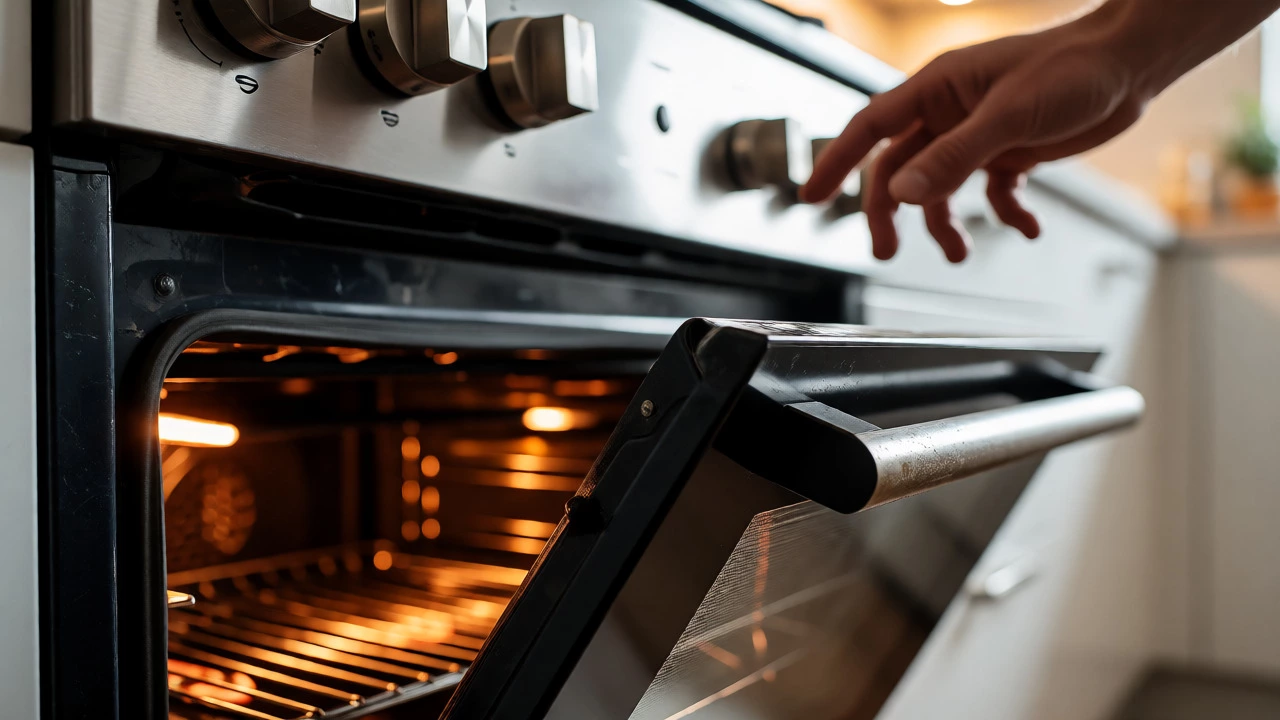
You’re staring at your range oven. It’s not broken exactly, but it’s acting weird. The temperature swings wildly, the door doesn’t seal right, or maybe a burner just quit on you. Now you’re stuck with the big question: Is this thing worth fixing, or is it time to say goodbye? To answer that, you need to know what normal range oven life expectancy actually looks like. Spoiler alert: It’s rarely as long as your fridge, and way shorter than your stove top if you cook heavy meals daily.
Most homeowners assume appliances are built to last decades. They aren’t. Modern manufacturing prioritizes cost-efficiency over indestructibility. A standard electric range oven is engineered to function reliably for about 13 to 15 years under normal residential use. That number isn’t arbitrary; it comes from industry data provided by organizations like the National Association of Home Builders (NAHB) and major manufacturer service logs. But here’s the catch: "Normal use" is a flexible term. If you’re baking sourdough every Sunday and hosting Thanksgiving dinners, you might hit 10 years. If you barely touch it except for reheating leftovers, you could stretch it to 20. Let’s break down why these numbers vary and how to spot the end-of-life signs before you get burned-literally or financially.
The Real Numbers Behind Appliance Lifespan
When we talk about lifespan, we need to distinguish between "functional" and "efficient." Your oven might technically turn on for 20 years, but if it takes 45 minutes to preheat because the insulation failed, is it really working? Industry benchmarks suggest the average replacement cycle for ranges has dropped significantly in the last two decades. In the 1990s, you’d expect 15-20 years. Today, the NAHB reports an average life of 13 years for gas ranges and 15 years for electric ones. Why the drop? Cheaper components, thinner steel, and electronic control boards that fail more often than mechanical dials ever did.
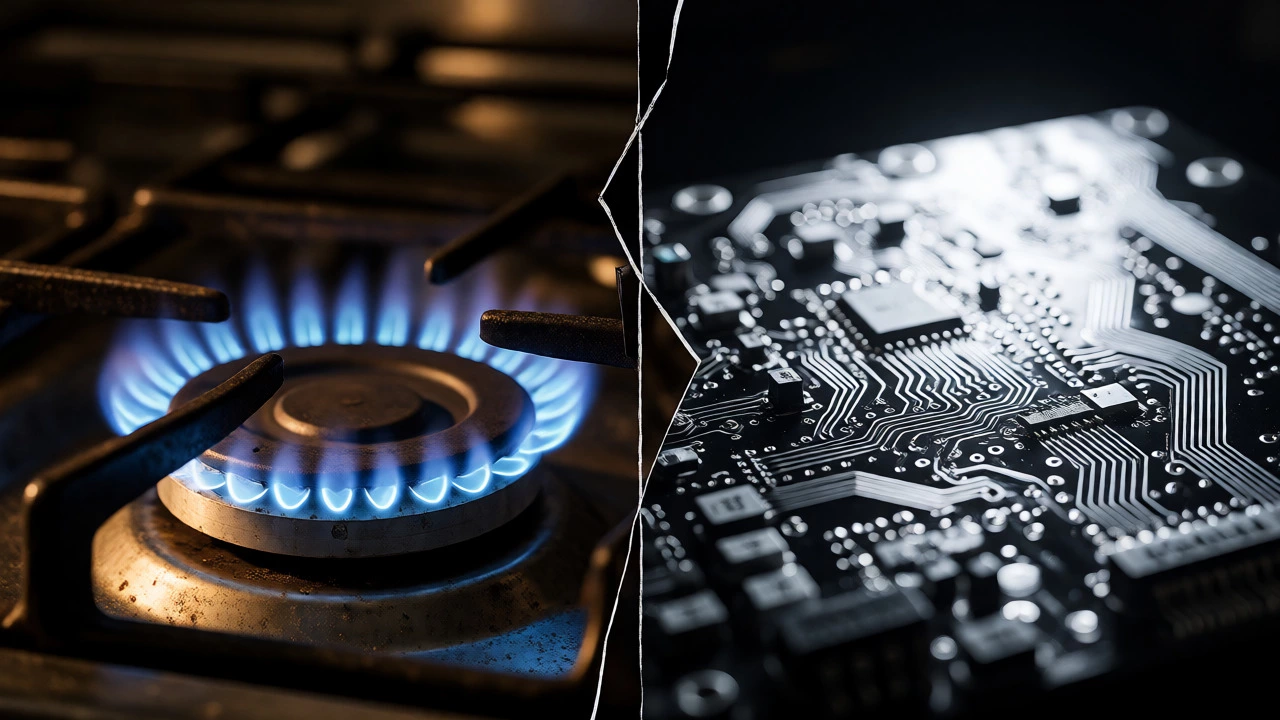
It’s also crucial to separate the oven from the cooktop. They share a chassis, but they age differently. Gas burners are mechanically simple and can last 20+ years. Electric coil elements are durable too. But the oven cavity-the heating elements, the thermostat, the door seals, and the electronics-takes the brunt of thermal stress. This is where most failures happen. If your cooktop works fine but the oven bakes unevenly, you’re looking at a component failure, not necessarily a total system death.
| Component | Average Lifespan | Common Failure Mode |
|---|---|---|
| Electric Heating Elements | 10-15 Years | Burnout due to thermal cycling |
| Gas Burners | 15-20 Years | Clogged ports or igniter failure |
| Control Board | 8-12 Years | Electronic surge damage or relay failure |
| Door Seals/Gaskets | 5-10 Years | Hardening, cracking, heat loss |
| Thermostat/Sensor | 7-10 Years | Calibration drift or sensor failure |
Factors That Shorten Your Oven’s Life
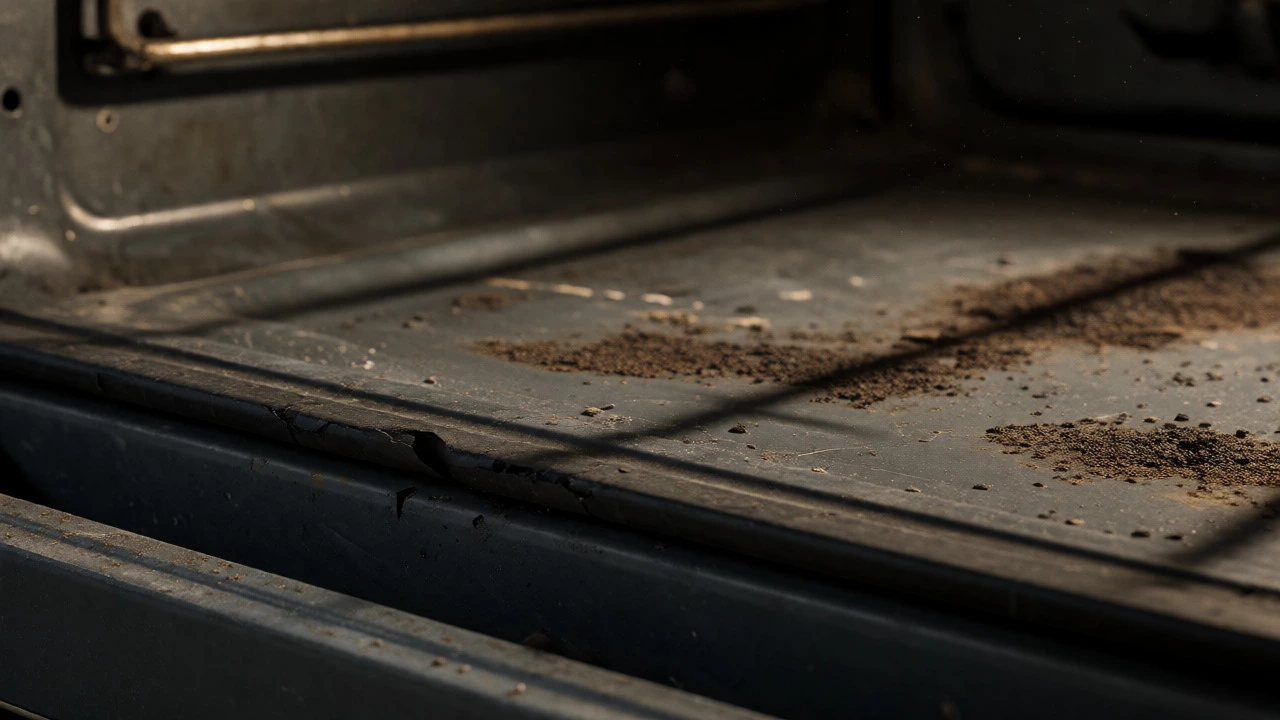
Not all ovens die of old age. Many commit suicide through misuse. The biggest killer of modern electric ovens is excessive moisture combined with high heat. If you constantly spill sugary liquids on the bottom of the oven and let them carbonize, you create hot spots that warp the metal floor. Once the floor warps, the heating element loses contact efficiency, forcing the unit to work harder and hotter to maintain temperature. This accelerates wear on everything else.
Then there’s the self-cleaning feature. Love it or hate it, it’s brutal on components. Self-cleaning cycles reach temperatures upwards of 900°F (480°C). That extreme heat degrades door gaskets faster than regular cooking does. It also stresses the electronic control board, which wasn’t designed to operate continuously at those temps. If you run the self-clean cycle weekly, you’re effectively aging your oven three times faster than someone who cleans manually once a month.
Voltage instability is another silent assassin, especially in older homes or areas with grid fluctuations. Electric ranges draw massive amperage. A power surge can fry the main control board instantly. Unlike the heating element, which fails gradually, a fried board means no lights, no timers, and no heat. Replacing a board costs $200-$400 plus labor. If your home lacks whole-house surge protection, your expensive appliance is gambling with every thunderstorm.
Signs Your Range Is Nearing the End
How do you know if you’re in the danger zone? Ignore the minor quirks; focus on systemic issues. If your oven takes more than 20 minutes to preheat to 350°F, something is wrong. It could be a failing bake element, a bad sensor, or poor insulation. If multiple repairs have been done in the last two years, you’re likely entering the "repair spiral." This is when each fix reveals another problem because the surrounding components were stressed by the first failure.
Look at the door glass. If it’s foggy inside the panes, the seal has failed. Heat escapes, making the oven inefficient and potentially damaging the cabinet above it. Check the hinges. If the door sags or doesn’t close flush, the structural integrity of the frame is compromised. On gas models, listen to the igniter. If it glows but doesn’t click, or clicks repeatedly without lighting, the igniter is weak. These are cheap fixes now, but ignoring them strains the gas valve, which is expensive.
Another red flag is inconsistent baking results. If cookies burn on one side and stay raw on the other, and rotating the pans doesn’t help, your convection fan motor might be dying, or the airflow path is blocked by warped racks. When the core function-baking evenly-fails, the appliance has lost its primary value proposition.
Repair vs. Replace: The Cost-Benefit Analysis
Here’s the hard truth: Repairing an oven older than 10 years is often throwing good money after bad. Use the "50% Rule." If the repair cost exceeds 50% of the price of a new comparable model, replace it. For example, if a new mid-range electric oven costs $800 and the quote to replace the control board and bake element is $450, buy the new oven. You’ll get better energy efficiency, modern features, and a fresh warranty.
However, there are exceptions. If you own a high-end pro-style range (like Wolf, Viking, or Thermador) that cost $5,000+, repairing it makes sense even if it’s 15 years old. Replacement costs can exceed $10,000. In these cases, maintaining the original unit is financially sound. Also, consider the installation factor. If your current range fits perfectly into your cabinetry and venting setup, swapping it out might require carpentry or plumbing changes. Factor those hidden costs into your decision.
Energy efficiency plays a role too. Newer electric ovens use improved insulation and smarter sensors to reduce energy consumption by 10-15%. Over five years, that savings might offset part of the purchase price. But don’t count on it fully paying for itself unless you cook heavily. For most households, the convenience and reliability of a new unit outweigh the marginal energy savings.
Extending the Life of Your Current Oven
You can’t stop time, but you can slow it down. First, stop abusing the self-clean button. Clean spills manually while the oven is warm (not hot) using a damp cloth. Avoid abrasive scouring pads on stainless steel finishes; they scratch the protective coating, leading to rust and discoloration.
Keep the vents clear. Most ranges have intake and exhaust vents near the back or bottom. Dust and grease buildup here restrict airflow, causing overheating. Vacuum the area around the base annually. For gas ovens, keep the burner caps clean and dry. Wet caps cause irregular flames and strain the ignition system.
Finally, calibrate your thermostat. Most ovens allow you to adjust the temperature offset by ±25°F. Use an independent oven thermometer to check accuracy. If your oven runs 25° hot, food cooks faster, stressing components unnecessarily. Correcting this small error reduces thermal load and extends the life of heating elements and sensors.
Frequently Asked Questions
Is a 15-year-old oven worth repairing?
Generally, no. At 15 years, you are past the average lifespan of 13-15 years. Unless it is a luxury brand costing thousands to replace, the likelihood of subsequent failures is high. If the repair cost is more than half the price of a new unit, replacement is usually the smarter financial move.
Do electric ovens last longer than gas ovens?
On paper, yes. Electric ranges average 15 years versus 13 for gas. However, this is misleading. Gas cooktops are extremely durable, but gas ovens have complex ignition systems that fail often. Electric ovens have simpler heating mechanisms but rely heavily on electronic controls that can be sensitive to power surges. Both types see similar real-world decline in performance after the 10-year mark.
What kills an oven the fastest?
Three things: Power surges frying the control board, constant use of the self-cleaning cycle degrading door seals and electronics, and physical abuse like slamming the door or dragging heavy cast iron across the enamel floor, which causes cracks and rust.
Can I extend my oven's life beyond 15 years?
Yes, but it requires proactive maintenance. Regularly cleaning filters (if equipped), avoiding harsh chemical cleaners that eat away seals, installing a surge protector, and addressing minor issues like loose hinges immediately can push a well-maintained unit to 20 years. However, parts availability becomes difficult after 15 years, making future repairs risky.
Why is my oven taking so long to heat up?
This is a classic sign of aging. Common causes include a partially failed bake element, a dirty or faulty temperature sensor, or degraded insulation allowing heat to escape. Before replacing the oven, try testing the element with a multimeter and checking the sensor resistance. These are inexpensive fixes that might restore performance.