Water Heater Repair vs. Replace Calculator
Enter the details below to determine if it's worth fixing your current unit or time to invest in a new one.
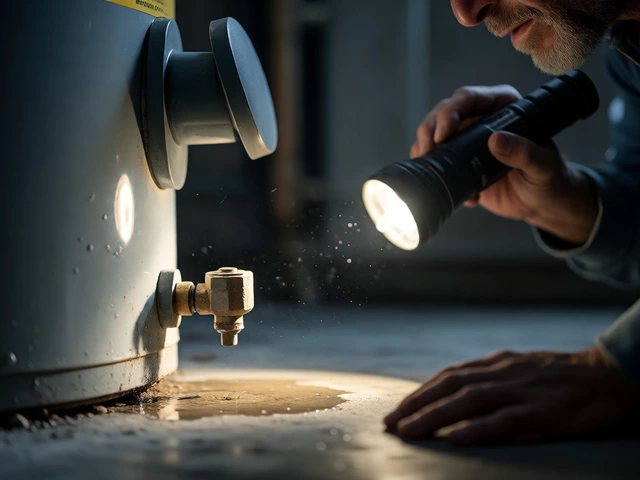
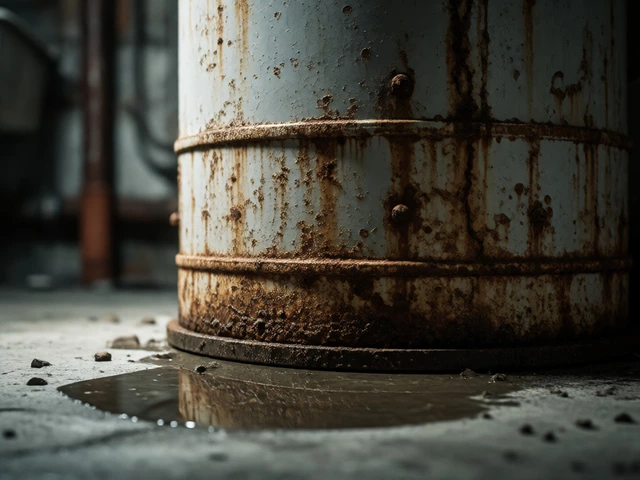
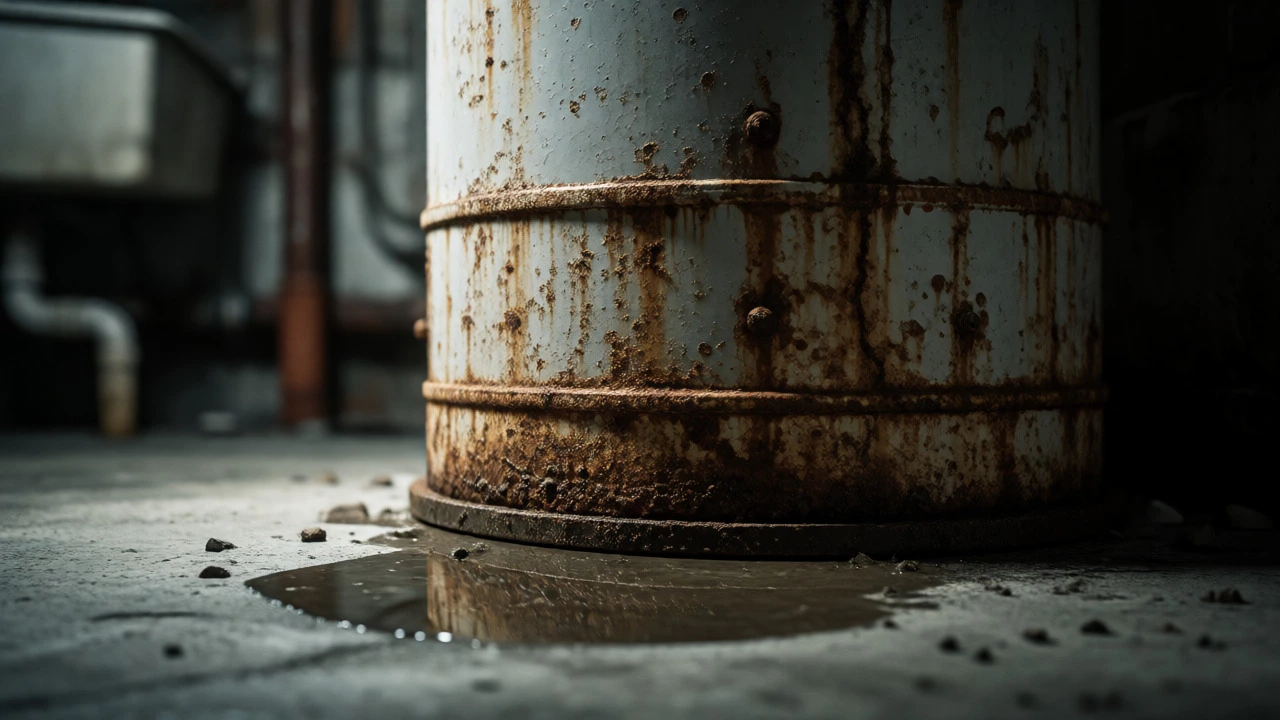
You’re standing in the basement, staring at a puddle. The unit humming quietly for two decades has finally decided to leak. Your plumber quotes you $350 for a new valve or element. You look at the rusted tank and wonder: is it worth fixing a 20-year-old water heater, or should you just rip it out?
Here’s the brutal truth: at twenty years, you are past the warranty, past the expected lifespan, and likely past the point of diminishing returns. Most standard tank heaters last 8-12 years. Hitting 20 means you’ve beaten the odds, but that victory comes with hidden risks. This guide breaks down exactly when to patch it up and when to cut your losses.
The Hard Math: Repair Costs vs. Replacement Value
Let’s talk numbers, because emotions don’t pay the bills. In Vancouver, where hard water accelerates corrosion, a standard replacement runs between $1,800 and $3,500 depending on whether you go gas, electric, or switch to high-efficiency models. A minor repair-like replacing a thermocouple, heating element, or pressure relief valve-costs $150 to $400.
If the repair cost exceeds 25% of the replacement price, walk away. Why? Because a 20-year-old tank is a ticking time bomb. Even if you fix the current issue, the next failure could be catastrophic (a full tank rupture) rather than minor (a dripping valve). Insurance often covers sudden bursts but rarely covers slow leaks from aged equipment. You’re essentially gambling with your drywall and flooring.
| Scenario | Estimated Cost | Recommendation | Reasoning |
|---|---|---|---|
| Minor Part Failure (Element/Thermostat) | $150 - $300 | Consider Repair | Low risk, buys you 6-12 months if no other symptoms exist. |
| Leaking Tank Base | N/A (Replace) | Replace Immediately | Tank integrity is compromised. No fix exists for internal corrosion. |
| Rusty Water / Sediment Noise | $200 - $500 (Flush/Anode) | Replace Soon | Indicates advanced internal decay. Anode rod likely gone. |
| Gas Valve/Igniter Failure | $300 - $600 | Replace | High part/labor cost relative to remaining life expectancy. |
Why Age Matters More Than Brand
You might think, "But this is a Rheem!" or "This is a Bradford White!" Does brand loyalty save you here? Not really. At year 20, all tanks are fighting the same enemy: electrolysis and mineral buildup. In our region, calcium and magnesium deposits insulate the heating elements (in electric units) or create hot spots that crack the glass lining inside steel tanks.
When the glass lining cracks, water touches raw steel. Rust forms. Eventually, the rust eats through. If your unit is leaking from the bottom, the tank itself has failed. There is no such thing as "patching" a corroded tank wall effectively. Epoxy patches are temporary band-aids that fail under thermal expansion cycles. If the tank body is weeping, stop repairing. Start shopping.
The Hidden Costs of Keeping an Ancient Unit
Keeping a 20-year-old heater isn't just about the repair bill. It’s about efficiency and safety. Older units lack modern insulation standards. A 20-year-old electric tank might have an Energy Factor (EF) of 0.90, while a new condensing gas model hits 0.96 or higher. That sounds small, but over five years, the energy savings can offset a significant chunk of the replacement cost.
Then there’s the sediment issue. Over two decades, gallons of sludge settle at the bottom. This layer acts as an insulator, forcing the burner or element to work harder to heat the water above it. You’re paying more to heat less water. Plus, that sediment clogs valves and sensors, leading to the very repairs you’re trying to avoid. It’s a vicious cycle of declining performance and rising utility bills.
When You Should Actually Repair It
So, is there ever a good reason to fix it? Yes, but only under specific conditions:
- You are moving soon: If you plan to sell your home within 6-12 months, a $200 repair keeps the inspection passing without the capital expenditure of a new system. Buyers often accept older appliances if they function.
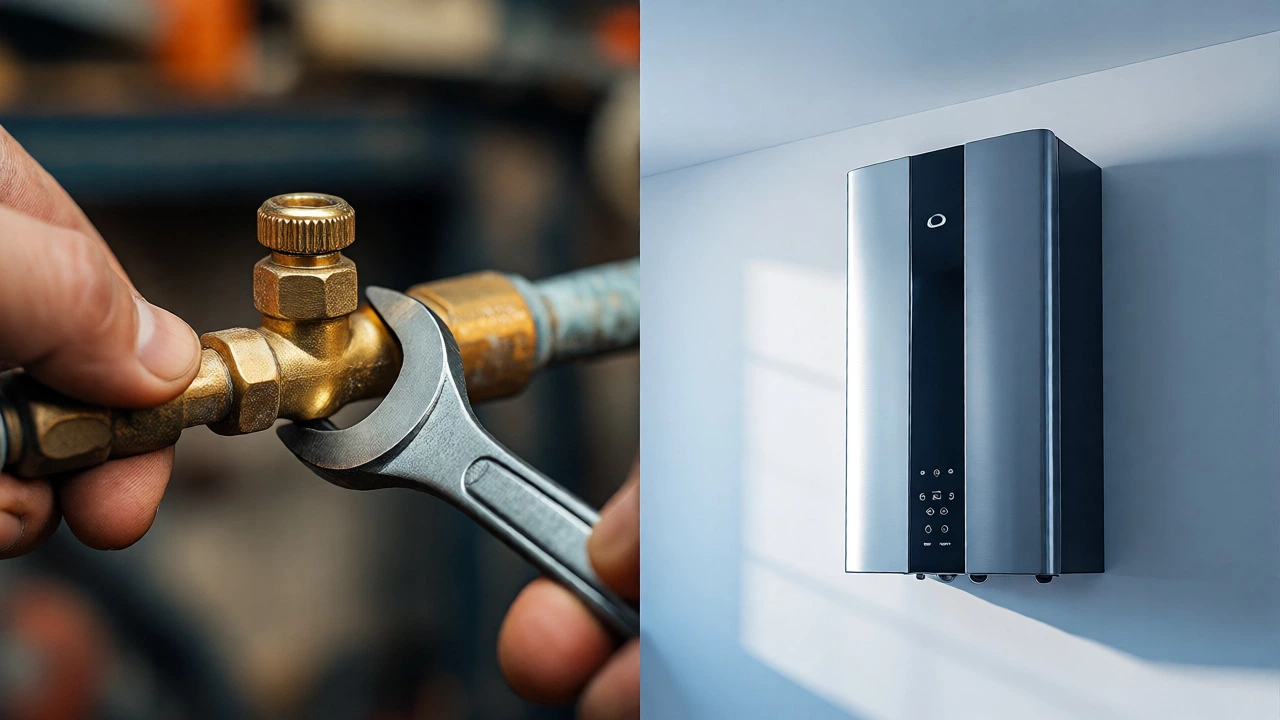
- The problem is external: If the leak is from a loose pipe connection, a faulty T&P valve, or a worn-out gasket-not the tank itself-a repair is cheap and logical.
- Budget constraints are tight: If you absolutely cannot afford $2,000+ right now, a repair buys you time. But set aside money monthly for the inevitable replacement. Treat it as a loan against your future self.
For example, I recently helped a client whose 22-year-old electric heater stopped producing hot water. The diagnosis? A burnt-out upper heating element. Cost to fix: $280. She chose to repair it because she was downsizing to a condo in four months. It worked perfectly until she moved. That’s a smart financial move. For someone staying put for another decade? It would have been a mistake.
Upgrade Options: What Replaces a 20-Year-Old Tank?
If you decide to replace, you have choices. Don’t just swap like-for-like unless you have strict budget limits. Consider these upgrades relevant to 2026 building codes and local utility rebates:
Tankless Water Heaters
A tankless water heater heats water on demand, eliminating standby heat loss. They last longer (20+ years themselves) and save space. However, installation can be complex if your gas line or venting isn’t up to code. Expect higher upfront costs ($2,500-$4,500) but lower operating costs.
Heat Pump Water Heaters
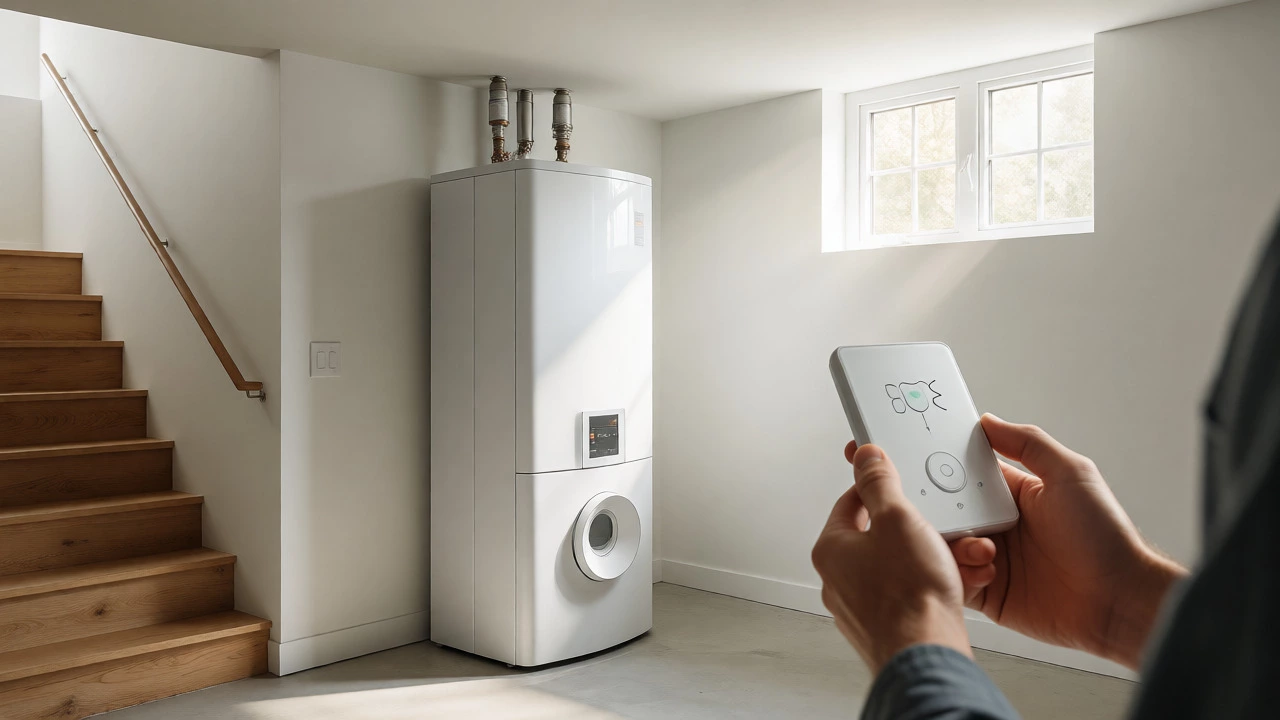
These use electricity to move heat from the air into the water, making them 2-3 times more efficient than standard electric tanks. They are ideal for basements with ample headroom. Check with BC Hydro for potential rebates; they often cover hundreds of dollars for qualifying models.
Hybrid Electric Models
Combining a tank with heat pump technology, these offer the familiarity of a tank with the efficiency of a heat pump. They are quieter and safer than gas options in tight spaces, though they require proper ventilation for optimal performance.
Signs Your Time Is Up (Regardless of Age)
Sometimes age isn’t the only factor. Watch for these red flags that signal immediate replacement:
- Discolored Water: Yellow or brown tint means internal corrosion is shedding particles into your supply.
- Loud Popping/Banging: This is steam bubbles trapped under sediment layers exploding. It stresses the tank walls.
- Inconsistent Temperature: If you run out of hot water faster than usual, the effective capacity has shrunk due to sediment displacement.
- Visible Moisture Around Fittings: If you see rust streaks running down the sides from the top fittings, moisture is escaping internally.
Making the Final Call
Ask yourself one question: "Do I want peace of mind, or do I want to save $300 today?" If you value reliability and energy efficiency, replace it. A new water heater gives you a fresh start, better warranties (often 10-12 years), and predictable performance. If you’re handy, live alone, and monitor the basement daily, you might squeeze another year out of it. But know that every day you wait increases the chance of a flood.
Don’t let a small drip become a disaster. Evaluate the cost, check the tank condition, and make the decision based on your long-term plans, not just the immediate invoice.
How long do water heaters actually last?
Most conventional tank water heaters last between 8 and 12 years. Gas models tend to last slightly longer than electric ones due to slower corrosion rates, but maintenance plays a huge role. A 20-year-old unit is considered exceptionally old and is operating well beyond its designed lifespan.
Can I extend the life of my old water heater?
You can try flushing the tank annually to remove sediment and replacing the sacrificial anode rod if it hasn't completely dissolved. However, at 20 years, the anode rod is usually gone, and the glass lining is likely cracked. These steps might buy you six months, but they won't reverse structural decay.
Is it cheaper to repair or replace a leaking water heater?
If the leak is coming from the tank itself, replacement is the only option. Patching a tank is unreliable and dangerous. If the leak is from a pipe joint or valve, repair is significantly cheaper. Always identify the source of the leak before deciding.
What are the signs I need a new water heater immediately?
Key signs include visible pooling water around the base, rusty or discolored hot water, loud rumbling noises during operation, and inconsistent water temperatures. If you see water pooling directly under the tank, turn off the power/gas and water supply immediately to prevent flooding.
Are tankless water heaters worth the upgrade?
Tankless heaters offer endless hot water and higher energy efficiency, potentially saving 20-30% on utility bills. However, they have higher upfront installation costs and may require upgraded gas lines or electrical service. For large households, the convenience and savings often justify the investment over time.