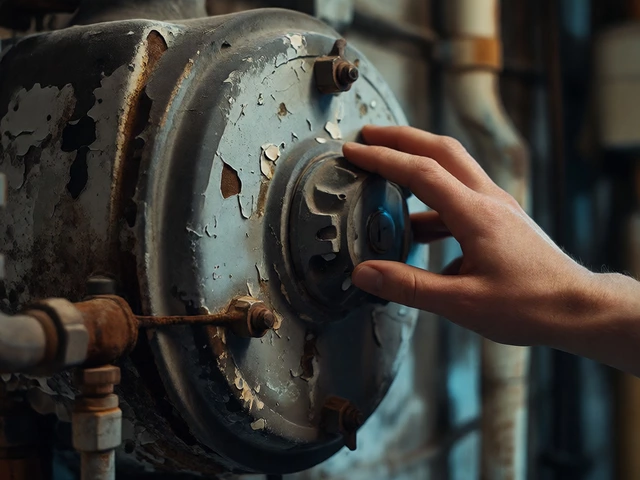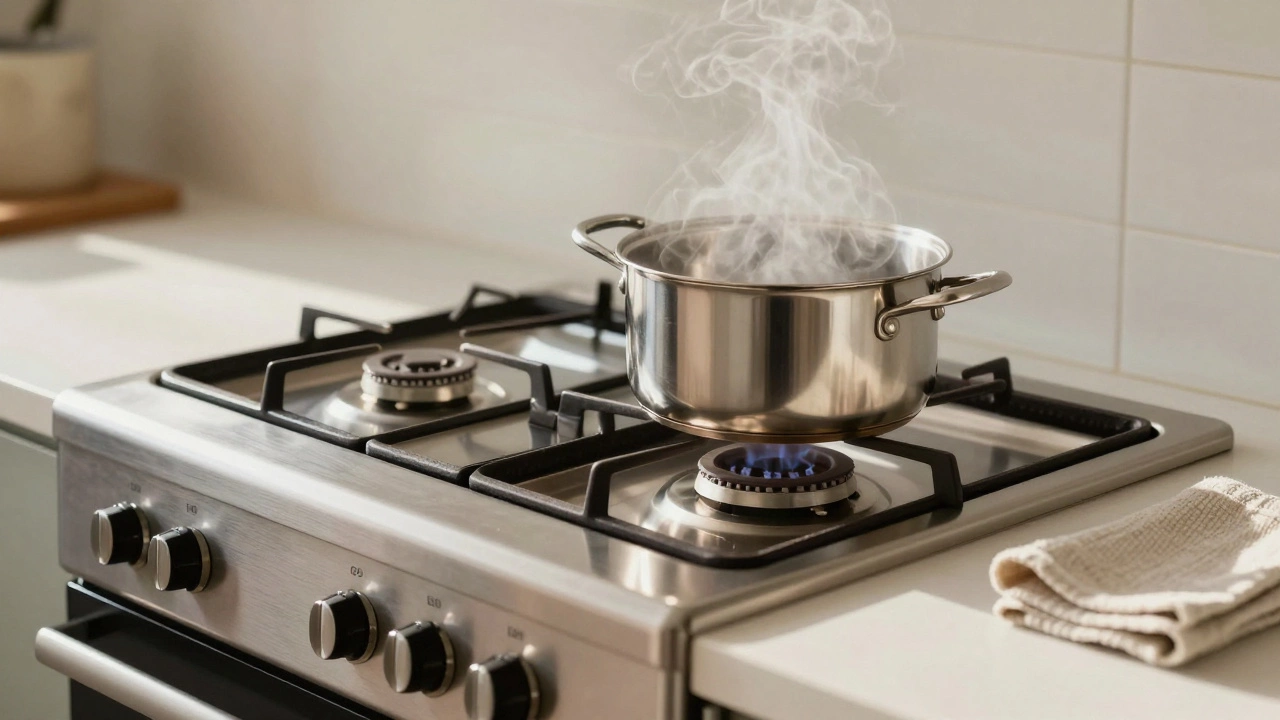
Most people don’t think about their cooker until it stops working. Then suddenly, you’re staring at a cold stove, wondering if it’s worth fixing-or if it’s time to replace it. The truth is, cookers don’t last forever. But how long should you really expect yours to last? And when does repair make more sense than replacement?
Typical Lifespan of a Cooker
A standard gas or electric cooker, if properly maintained, usually lasts between 10 and 15 years. That’s the average you’ll see from major manufacturers like Whirlpool, Bosch, GE, and Samsung. Some models, especially higher-end ones with better materials and simpler designs, can push past 20 years. On the flip side, budget cookers made with thinner steel, weaker burners, or cheaper controls often start showing problems before the 8-year mark.
Gas cookers tend to outlast electric ones by about 1-2 years on average. Why? Gas burners have fewer electronic parts that can fail. Electric cooktops rely on heating elements, control boards, and sensors-all of which can break down over time. A cracked ceramic glass surface on an electric model? That’s usually a full replacement job. A worn-out gas burner cap? Easy fix.
What Kills a Cooker Before Its Time
It’s not just age that kills your cooker. Poor care does far more damage than time.
- Spills left to bake on: Sugar, tomato sauce, or grease that hardens over burners can corrode metal parts and clog gas ports. This leads to uneven flames or ignition failure.
- Overloading the burners: Placing a heavy stockpot on a small burner doesn’t just strain the element-it warps the pan support and stresses the gas valve.
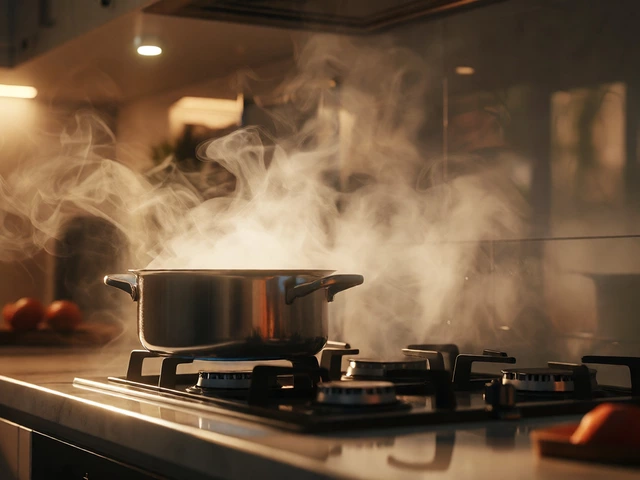
- Moisture and steam: If your kitchen lacks proper ventilation, steam from boiling pots slowly eats away at control knobs, switches, and internal wiring. Rust builds up in places you can’t see.
- Ignoring small problems: A burner that clicks but doesn’t light? A drawer that sticks? A knob that feels loose? These aren’t just annoyances. They’re early signs of bigger failures.
One technician in Vancouver told me he sees the same pattern every winter: people who let their cookers go 12 years without cleaning, then panic when the oven won’t heat. Cleaning isn’t just about looks-it’s maintenance.
Signs Your Cooker Is Near the End
Not every problem means it’s time to buy new. But these five red flags are strong indicators your cooker is running on borrowed time:
- Multiple burners fail to ignite-even after replacing the spark module and cleaning the ports. This usually means the gas valve assembly is failing.
- Uneven cooking-food burns on one side and stays raw on the other. If cleaning and recalibrating the thermostat doesn’t fix it, the heating element or gas regulator is worn out.
- Strange smells-burning plastic, rotten eggs (gas leak), or metallic odors. These aren’t normal. A gas leak needs immediate attention. Burning plastic means insulation or wiring is overheating.
- Control panel glitches-buttons that don’t respond, displays that flicker, or settings that change on their own. Modern cookers have circuit boards that cost more to replace than a new unit.
- Visible rust or corrosion-especially under the cooktop or around the oven door seal. Once metal starts to eat away, it won’t stop.
If you’re seeing two or more of these, it’s time to consider replacement. Repairing a 12-year-old cooker with multiple failing parts is like patching a leaky roof with duct tape.
Repair vs. Replace: When to Choose What
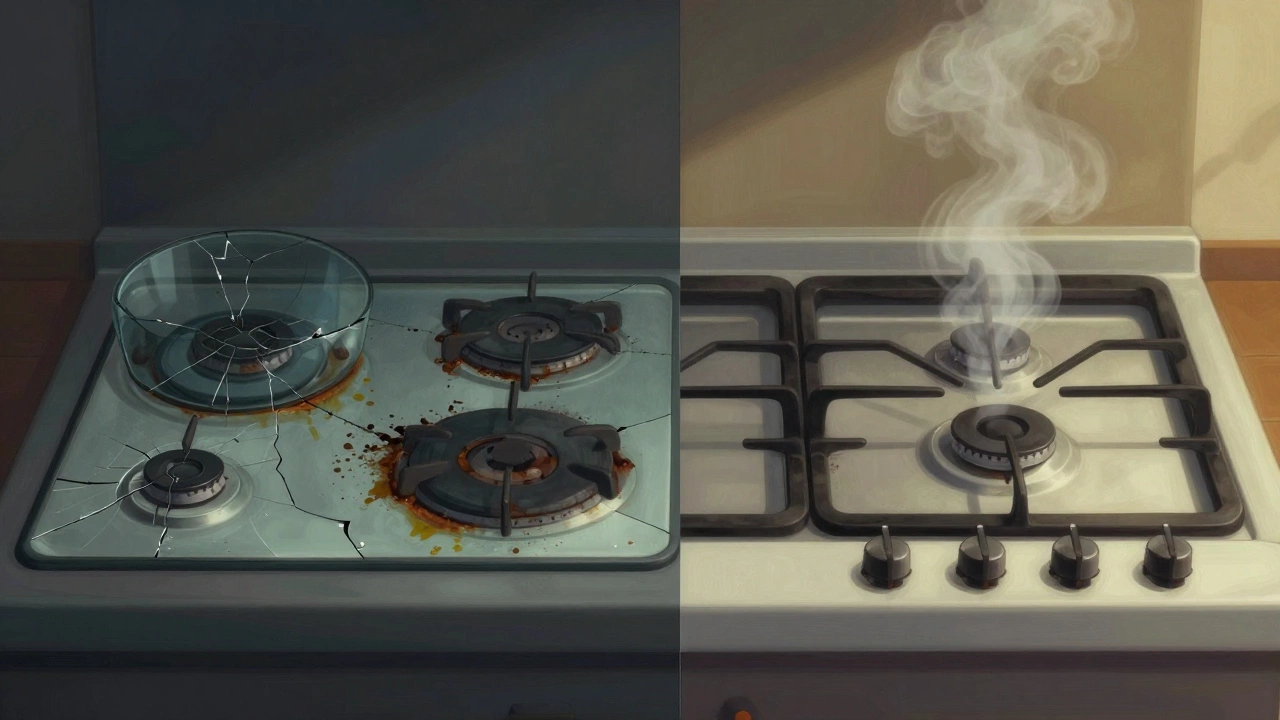
Here’s a simple rule: if the repair cost is more than half the price of a new cooker, walk away.
Let’s say your gas cooker is 11 years old. The oven won’t heat. A technician quotes $320 to replace the igniter and thermostat. A new entry-level gas cooker costs $650. That’s less than half. Fix it.
Now, same cooker, but the control board is fried. Repair? $480. New cooker? $700. Now you’re over 65%. Time to replace. Why? Because if one expensive part failed, others are close behind. You’ll be calling the technician again in 6-12 months.
Also, think about energy. A 15-year-old cooker uses up to 30% more gas or electricity than a new Energy Star-rated model. Over five years, that adds up to hundreds in wasted bills. Newer models also have better safety features-automatic shut-off, child locks, leak detection.
How to Make Your Cooker Last Longer
You don’t need to be a technician to extend your cooker’s life. Just do these three things:
- Clean spills the same day. Use warm soapy water and a soft cloth. Avoid abrasive pads-they scratch surfaces and trap moisture.
- Check and clean burner caps and ports monthly. Remove the caps, soak them in vinegar, scrub gently with a toothbrush, and dry completely before replacing.
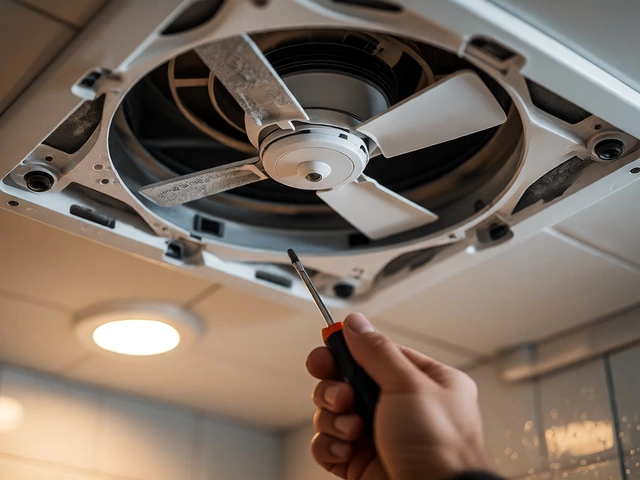
- Run the exhaust fan every time you cook. Even if you’re just boiling water. It pulls steam away from electronics and prevents corrosion.
Also, don’t use your cooktop as a counter. Don’t set hot pots on the glass surface to cool. Don’t slam the oven door. Treat it like the precision tool it is-not a shelf or a hammer.
What to Look for in a New Cooker
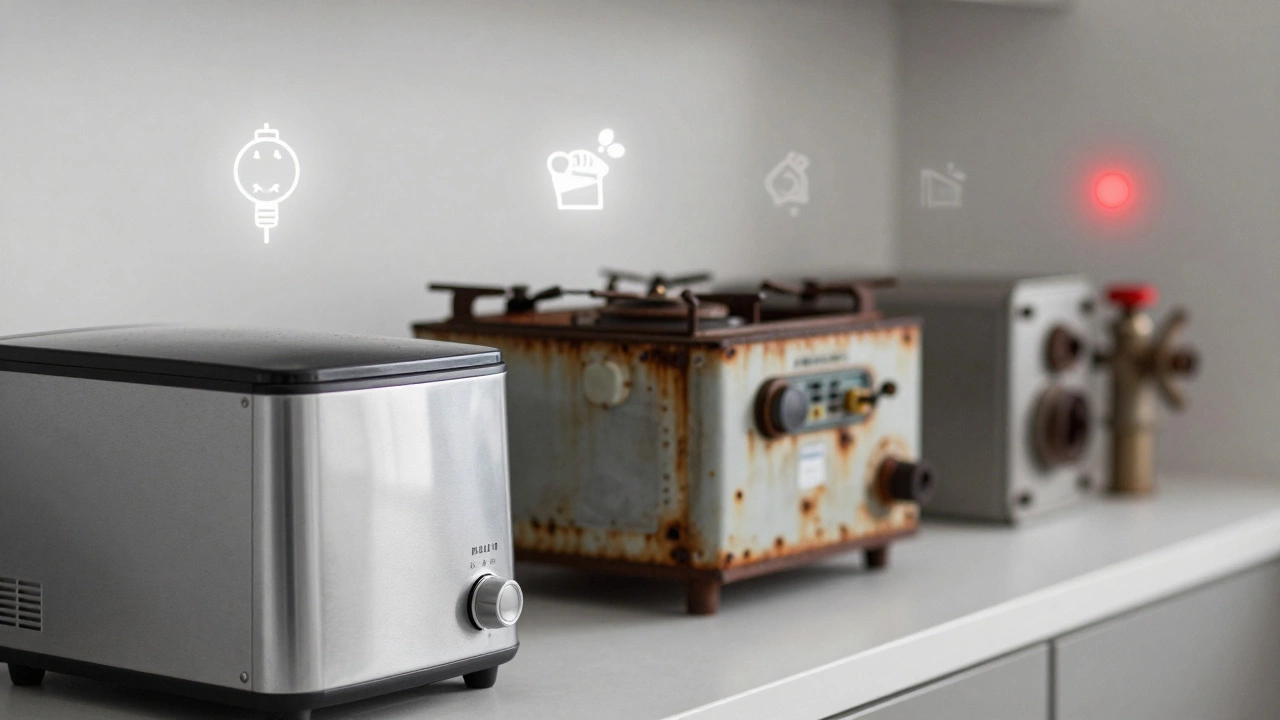
If you’re replacing, here’s what actually matters:
- Gas vs. electric: Gas gives better control for searing and simmering. Electric is easier to clean and safer if you have kids.
- Stainless steel over enamel: Enamel chips. Stainless lasts longer and resists scratches.
- Sealed burners: These prevent spills from getting inside the gas lines. A must-have.
- Warranty: Look for at least a 2-year parts and labor warranty. Brands like Miele and Bosch offer 5 years on key components.
- Smart features? Skip them. Wi-Fi connectivity and app controls add cost and complexity. If your oven works without them, it’ll last longer.
Don’t be fooled by flashy displays. The best cookers are simple, sturdy, and quiet.
What Happens to Old Cookers?
Most people just leave theirs on the curb. Bad idea. Cookers contain refrigerants, copper wiring, and sometimes asbestos insulation (in models built before 1990). Many cities, including Vancouver, require appliance recycling.
Check with your local waste management service. Most offer free pickup for old appliances if you schedule it. Some retailers will haul away your old cooker when delivering a new one-ask when you buy.
Don’t let your cooker end up in a landfill. Recycling it means metals get reused, and hazardous parts get handled safely.
How long should a gas cooker last compared to an electric one?
Gas cookers typically last 12 to 15 years, while electric ones average 10 to 13 years. Gas models have fewer electronic components, so they’re less prone to circuit board failures. Electric cooktops rely on heating elements and sensors that wear out faster, especially if spills aren’t cleaned regularly.
Is it worth repairing a 10-year-old cooker?
It depends on the repair cost and the issue. If the problem is a single part like a burner igniter or thermostat, and it costs less than half the price of a new unit, then yes. But if multiple components are failing-like the control board, oven element, and gas valve-it’s rarely worth it. At 10 years, the cooker is already past its prime, and other parts are likely to fail soon.
Can I extend my cooker’s life with regular cleaning?
Absolutely. Cleaning spills immediately, wiping down burners monthly, and using the exhaust fan every time you cook can add 3 to 5 years to your cooker’s life. The biggest killers aren’t age-they’re neglect and moisture buildup. A well-maintained cooker can easily hit 18-20 years.
What’s the most common reason cookers fail?
The most common failure is a worn-out or clogged gas valve in gas cookers, or a burnt-out heating element in electric models. But behind those failures is usually poor maintenance-spills left to bake on, no ventilation, or ignoring early warning signs like uneven heating or delayed ignition.
Should I buy a new cooker with smart features?
Unless you really need remote control or voice commands, skip them. Smart cookers have more electronics, which means more things that can break. They also rely on software updates and Wi-Fi, which may stop working in a few years. A basic, non-smart cooker with sealed burners and stainless steel construction will last longer and cost less to repair.
Final Thought: Your Cooker Is a Tool, Not a Disposable Item
Most people treat their cookers like phones-upgrade every few years. But a cooker isn’t a gadget. It’s a core part of your home. With basic care, it can serve you for more than a decade. Don’t wait for it to die. Clean it. Listen to it. Fix small things early. That’s how you get the most out of it-and avoid the stress of a broken stove in the middle of dinner prep.