Boiler Shower Safety Checker
Check Your Safety
Determine if it's safe to shower when your boiler is broken based on your specific situation.
Safety Assessment
When your boiler breaks down, the first thing you probably think about is how cold your house will get. But there’s another question that pops up fast: Can you shower with a broken boiler? The answer isn’t simple. It depends on what kind of boiler you have, how it’s broken, and whether your hot water still flows.
Not All Boilers Are the Same
Many people assume all boilers are like water heaters-big tanks that store hot water. But in places like Vancouver, most homes use combination boilers (also called combi boilers). These don’t store hot water. Instead, they heat water on demand, right when you turn on the tap or shower. If this type breaks, you lose hot water instantly.
Other homes have system boilers or regular boilers with a hot water tank. These store hot water in a cylinder. If the boiler itself fails but the tank is still full and warm, you might still get hot water for a few hours-or even a full day-depending on insulation and how long it’s been since the boiler last ran.
So before you panic, check: Do you have hot water at all? If yes, you can shower. If no, then the boiler isn’t just broken-it’s cut off your supply.
What Happens When the Boiler Dies?
Most modern boilers shut down completely when they detect a fault. This isn’t just for convenience-it’s a safety feature. If the boiler’s heat exchanger cracks, the pump fails, or the pressure drops too low, the system locks out. No hot water. No heating. Period.
But here’s the catch: even if the boiler is dead, your cold water supply is still working. That means you can take a cold shower. And yes, that’s safe. It’s uncomfortable, sure. But unless you have a medical condition that makes cold exposure dangerous, it won’t hurt you.
Some people try to heat water on the stove to sponge-bathe. That’s fine in a pinch. But don’t try to fill a bathtub with stovetop water-it takes way too long, and you’ll burn yourself or flood your kitchen. Stick to quick, controlled washes.
Why You Shouldn’t Risk It
Even if you still have hot water, there’s a reason to avoid showering right after a boiler failure. The problem isn’t the water-it’s the system.
Boilers that fail suddenly often have hidden issues. A leak in the heat exchanger? A corroded pipe? A faulty thermostat? These can cause water to mix with gas, electrical components, or even sewage lines in rare cases. If you’re showering while the system is unstable, you might be exposing yourself to steam that carries contaminants, or worse, triggering a secondary failure.
Also, turning on the shower can put pressure on the system. If the boiler is already damaged, that extra demand might cause a full rupture. I’ve seen homes where a simple shower turned a slow drip into a flooded basement. It wasn’t the water that broke the boiler-it was the user.
How to Tell If You Can Still Shower
Here’s how to check your situation fast:
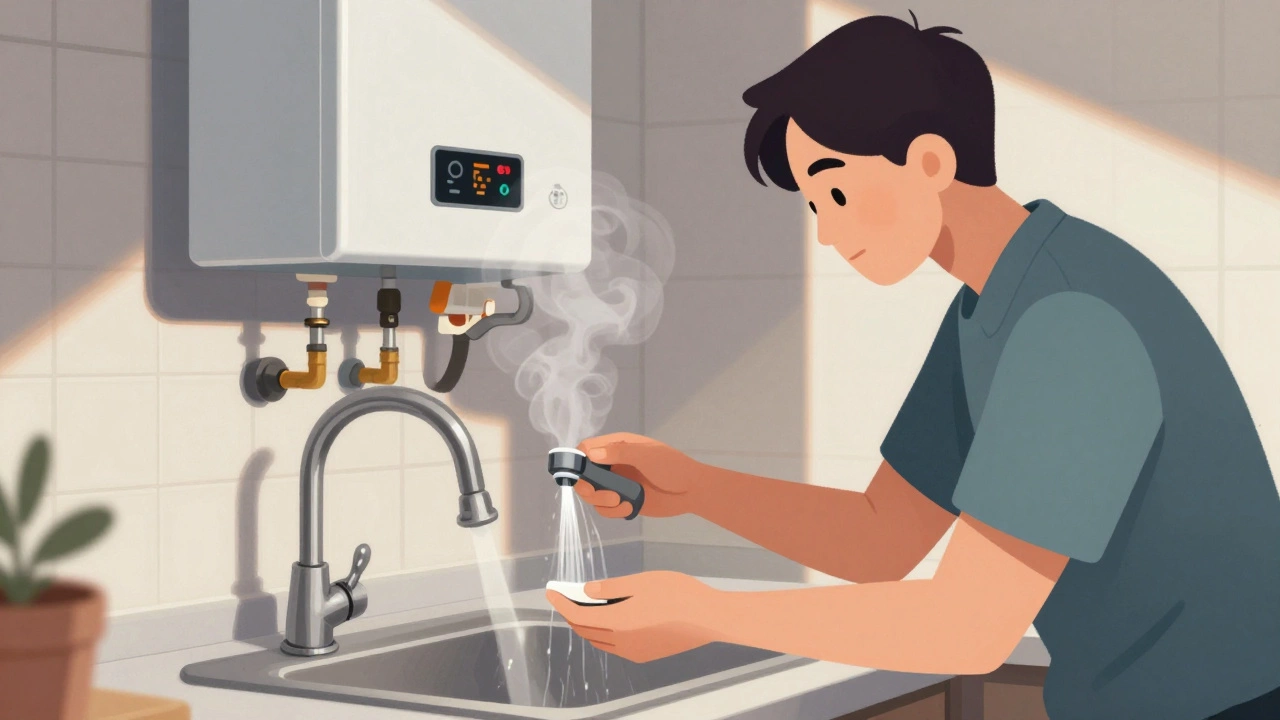
- Turn on the kitchen tap. Let it run for 30 seconds. Is the water hot? If yes, your tank (if you have one) still has heat.
- Try the bathroom sink. Same test. Hot? Then you might have a few hours left.
- Check the boiler display. If it’s flashing an error code (like E1, F2, or 122), it’s locked out. No hot water coming.
- Feel the pipes near the boiler. If they’re cold and dry, the system isn’t running. If they’re warm or damp, there might be a leak.
If the water’s cold and the boiler is dead, skip the shower. Wait. Call a repair tech. Don’t gamble with your safety or your floors.
What to Do Instead
Here’s what works when your boiler’s out:
- Use wet wipes or baby wipes for quick cleanups. They’re cheap, easy to find, and work better than you think.
- Fill a large bucket with warm water (from the kettle or microwave) and use a washcloth. Do it in the bathroom, not the shower.
- Ask a neighbor if you can use their shower. Most people will say yes.
- Book a hotel room for the night if you’re really uncomfortable. It’s cheaper than water damage repairs.
And if you have a tank system? Use your hot water wisely. Take short showers. Don’t run the dishwasher or washing machine. Save every drop.
When to Call a Pro
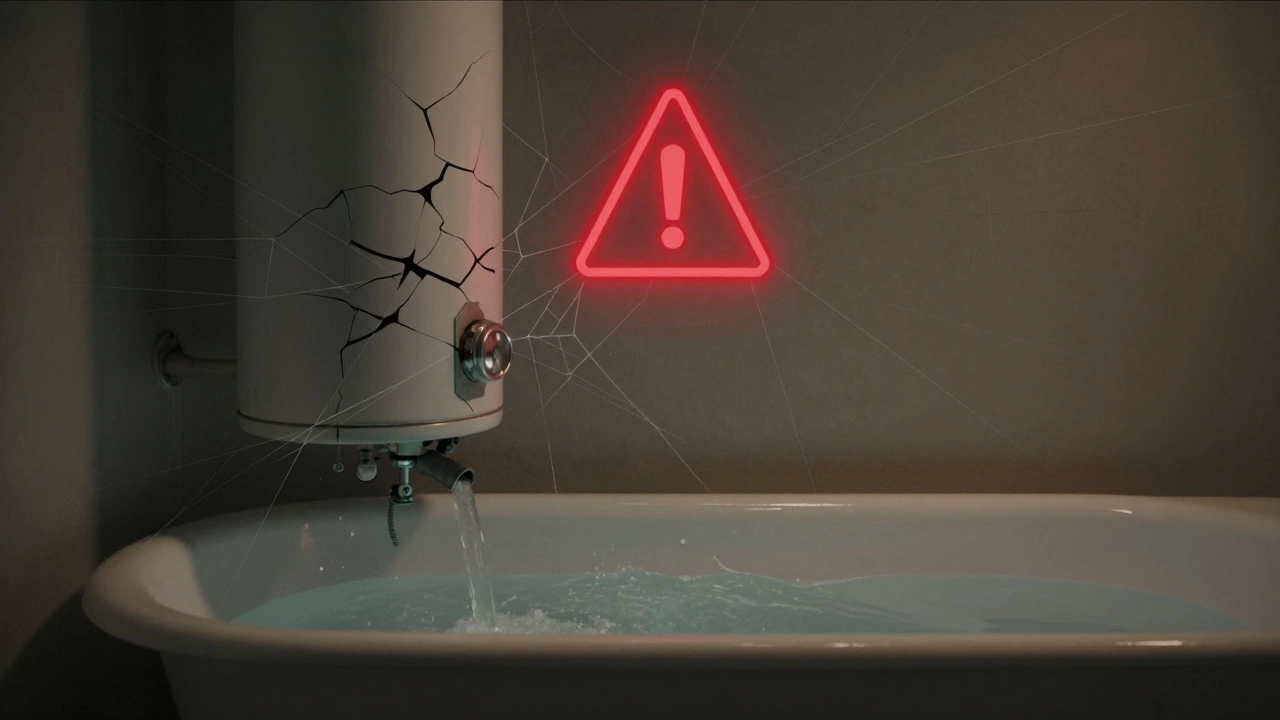
You don’t need to panic right away. But if your boiler’s been off for more than 24 hours, or if you smell gas, hear hissing, or see water pooling around it, call a licensed technician immediately. Don’t wait for a "convenient time."
Most boiler failures in Vancouver happen between November and March. The cold, the pressure, the age-all add up. If your boiler is over 10 years old, it’s likely nearing the end of its life. Replacing it now might cost $3,000. Waiting until it bursts? That could cost $15,000 in water damage alone.
Prevention Is Cheaper Than Repair
Boilers don’t just die out of nowhere. They warn you. Look for these signs:
- Strange noises-gurgling, banging, or whistling
- Water stains on the ceiling near the boiler room
- Increased gas bills with no change in usage
- Frequent resets or error codes
- Slow hot water recovery
If you notice any of these, book a service check. Most HVAC companies offer $99 annual inspections. That’s less than one shower’s worth of hot water.
Final Thought
Can you shower with a broken boiler? Technically, maybe. But should you? Almost never. Your safety and your home’s integrity matter more than a few minutes of warmth. Treat a broken boiler like a warning light on your car-not a suggestion to keep driving. Stop. Assess. Call help. And if you’re cold? Bundle up. Drink tea. Wait. It’ll be worth it.