Extractor Fan Installation Decision Tool
Stale air, greasy countertops, and foggy mirrors are more than just annoyances-they’re signs your home isn’t breathing right. If you’ve ever wondered who installs extractor fans, you’re not alone. The answer depends on where the fan goes, how complex the wiring is, and whether you want to handle it yourself or hire a pro.
In this guide, we’ll break down exactly who should install these units, what permits you might need, and how much you can expect to pay. We’ll also look at common mistakes that turn a simple fix into a costly repair job.
The Short Answer: Who Handles the Job?
For most homeowners, the best person to install an extractor fan is a licensed electrician or an HVAC technician. These professionals understand local building codes, electrical safety standards, and proper ductwork sizing. They ensure the fan pulls air out effectively without causing backdrafts or noise issues.
That said, if you’re handy with tools and comfortable working with electricity, you can install a basic model yourself. Many modern fans come with plug-in options or simple hardwiring instructions. However, once you start cutting holes in walls, running new circuits, or dealing with roof vents, calling a professional becomes a smart move.
| Scenario | DIY Friendly? | Why? |
|---|---|---|
| Replacing an existing fan in the same spot | Yes | No new wiring or ductwork needed; just swap the unit. |
| Installing a plug-in under-cabinet fan | Yes | No electrical work required; just mount and plug in. |
| New installation in a bathroom or kitchen | Maybe | Requires cutting drywall, running ducts, and possibly new wiring. |
| High-CFM range hood over a gas stove | No | Needs dedicated circuit, make-up air, and strict code compliance. |
| Rooftop or exterior wall venting | No | Involves roofing work, weatherproofing, and structural integrity checks. |
Types of Professionals Who Install Extractor Fans
Not all contractors are created equal when it comes to ventilation systems. Here’s who you might call and what they bring to the table:
- Licensed Electricians are skilled tradespeople certified to handle electrical wiring, circuits, and connections. They’re ideal if your main concern is power supply-like adding a new outlet or connecting the fan to a switch. Most jurisdictions require licensed electricians for any permanent wiring work.
- HVAC Technicians are specialists in heating, ventilation, and air conditioning systems. They understand airflow dynamics, duct sizing, and pressure balancing. If you’re installing a high-performance fan or integrating it with your home’s climate system, an HVAC tech is your best bet.
- General Contractors are professionals who manage construction projects and coordinate subcontractors. Useful for larger renovations where the fan is part of a bigger kitchen or bathroom remodel. They’ll pull permits, hire specialists, and ensure everything meets code.
- Handyman Services are versatile workers who handle small repairs and installations. Good for simple swaps or minor adjustments, but avoid them for anything involving new electrical circuits or structural changes.
Can You Install an Extractor Fan Yourself?
Absolutely-if you meet certain conditions. Many homeowners successfully install basic models by following manufacturer instructions and using online tutorials. But before you grab your drill, ask yourself:
- Do I have experience with electrical wiring?
- Am I comfortable cutting drywall or plaster?
- Do I know how to seal ductwork properly?
- Is my local jurisdiction allowing DIY electrical work?
If you answered “yes” to all four, go ahead. Start with a plug-in model or a replacement unit. Use a voltage tester to confirm the power is off, follow the wiring diagram, and secure all connections with wire nuts. Test the fan before closing up the wall.
But if you’re unsure about any step, stop. Electrical shocks and fire hazards aren’t worth saving $150. Plus, improper installation can void warranties and lead to insurance denials if something goes wrong.

Permits and Building Codes: What You Need to Know
Here’s where things get tricky. In many areas, including Vancouver, BC, installing an extractor fan requires a permit-especially if you’re adding new wiring or modifying ductwork. Why? Because poor ventilation can cause moisture buildup, mold growth, and even carbon monoxide accumulation in kitchens with gas stoves.
Building codes typically specify:
- Minimum airflow rates (measured in CFM-cubic feet per minute)
- Proper exhaust paths (no recirculating indoor air unless it’s a ductless model)
- Electrical safety standards (GFCI protection in bathrooms, dedicated circuits for hoods)
- Weatherproofing for exterior vents
Failing to comply can result in fines, failed inspections, or problems when selling your home. Always check with your local authority-like the City of Vancouver’s Development Permits Division-before starting work.
Cost Breakdown: DIY vs. Professional Installation
Let’s talk numbers. A basic extractor fan costs between $50 and $300, depending on features like speed settings, filters, and noise levels. Labor varies widely based on complexity and location.
| Service Type | Cost Range (CAD) | Includes |
|---|---|---|
| DIY Replacement | $50-$150 | Fan unit only; no labor cost. |
| Professional Swap | $150-$300 | Labor + disposal of old unit; no new wiring. |
| New Bathroom Fan Install | $300-$600 | Ductwork, wiring, drywall patching, testing. |
| Kitchen Hood + Ducting | $800-$2,500+ | Custom duct runs, electrical upgrades, cabinetry mods. |
| Roof Vent Installation | $500-$1,200 | Roof penetration, flashing, weather sealing. |
Note: Prices in Vancouver tend to be 10-20% higher due to labor rates and stricter code enforcement. Always get three quotes and verify licenses.
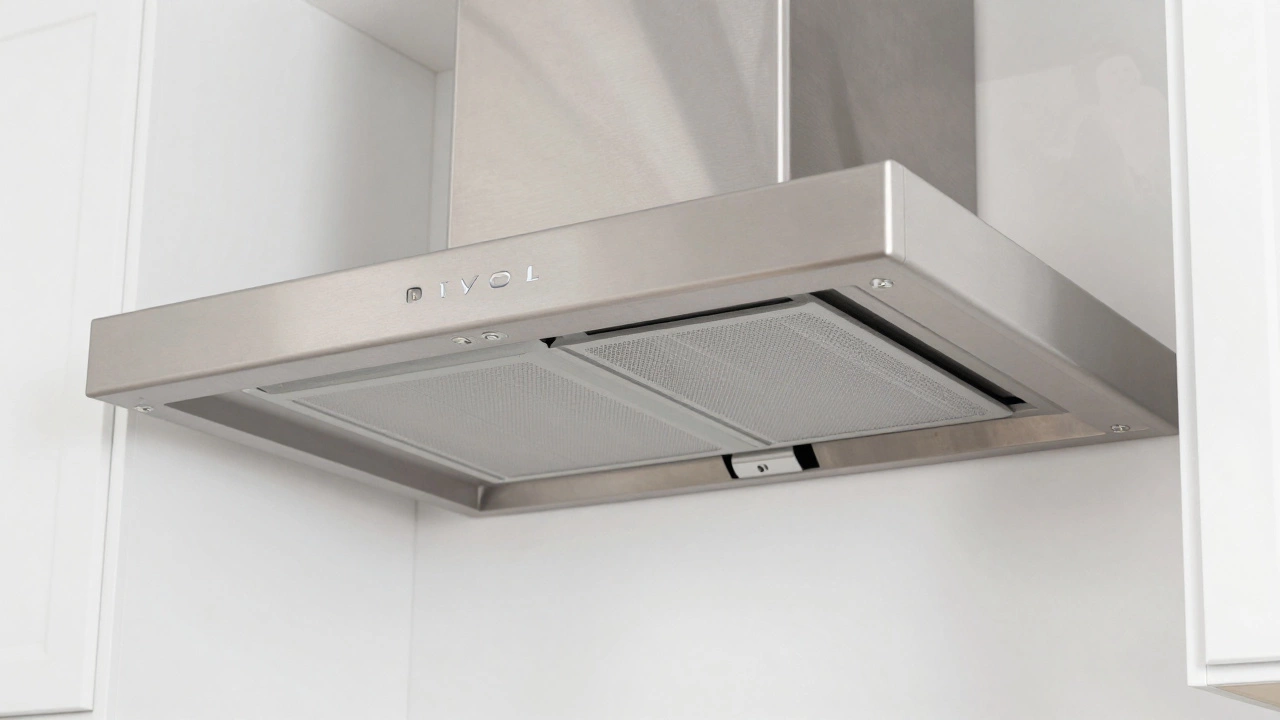
Common Mistakes That Lead to Costly Repairs
I’ve seen too many homeowners skip steps and end up paying double. Avoid these pitfalls:
- Undersized ductwork: Using flexible aluminum duct instead of rigid metal reduces airflow by up to 40%. It also collects grease and lint, becoming a fire hazard.
- Ignoring make-up air: High-CFM fans create negative pressure, pulling cold air through cracks or backdrafting gas appliances. You may need a fresh air intake valve.
- Poor sealing: Gaps around the vent cap let rain, pests, and heat escape. Use silicone caulk and insulation foam.
- Wrong CFM rating: Match the fan to room size. Bathrooms need 1 CFM per square foot; kitchens need 100 CFM per linear foot of cooktop width.
- No timer or humidity sensor: Running the fan manually leads to inconsistent use. Auto-shutoff prevents motor burnout and saves energy.
Signs Your Current Fan Needs Replacement or Professional Help
Before deciding who installs your next fan, assess your current one. Call a pro if you notice:
- Loud grinding or rattling noises
- Visible grease buildup inside the housing
- Moisture stains on ceilings or walls near the fan
- Switches that don’t respond or flicker lights
- Odors lingering after cooking or showering
These issues often point to worn bearings, clogged ducts, or electrical faults. A technician can diagnose and fix them-or recommend a better-suited model.
Choosing the Right Fan for Your Space
Not all extractor fans are equal. Consider these factors:
- Sone level: Measures noise. Aim for 1-3 sones for bedrooms/bathrooms; 4-6 for kitchens.
- CFM capacity: Higher isn’t always better. Oversized fans waste energy and disturb comfort.
- Filter type: Charcoal filters trap odors but need monthly replacement. Mesh filters catch grease but require frequent cleaning.
- Mounting style: Ceiling-mounted saves counter space; under-cabinet offers targeted extraction.
- Smart features: Wi-Fi-enabled fans adjust speed based on humidity or smoke detection-great for hands-free operation.
Brands like Panasonic, Broan-NuTone, and Zephyr offer reliable options across price points. Look for Energy Star certification for efficiency.
Do I need a permit to install an extractor fan in Vancouver?
Yes, if you’re adding new wiring, modifying ductwork, or changing the structure of your home. Simple replacements usually don’t require permits. Check with the City of Vancouver’s Development Permits website for specific guidelines.
How much does it cost to hire someone to install a kitchen extractor fan?
Expect to pay between $800 and $2,500 CAD in Vancouver, depending on ductwork complexity, electrical upgrades, and cabinetry modifications. Basic swaps run $150-$300.
Can I install a bathroom extractor fan myself?
If you’re replacing an existing unit and aren’t touching the wiring, yes. For new installations involving electrical work or drywall cuts, hire a licensed electrician to ensure safety and code compliance.
What happens if I install an extractor fan incorrectly?
Poor installation can lead to moisture damage, mold growth, electrical fires, or inefficient ventilation. It may also void warranties and fail home inspections, costing more to fix later.
Are there eco-friendly extractor fan options?
Yes. Look for Energy Star-certified models with variable speed motors and auto-shutoff sensors. Some brands offer heat-recovery ventilators that retain warmth while exhausting stale air.
How do I know if my current extractor fan is working properly?
Hold a tissue near the grille while the fan runs. If it sticks firmly, airflow is good. If it falls away, the fan is weak or blocked. Also check for unusual noises, odors, or moisture buildup.
Should I choose a ducted or ductless extractor fan?
Ducted fans remove air outside, making them more effective for kitchens and bathrooms. Ductless models recirculate filtered air indoors-fine for light use but less efficient for heavy cooking or humidity control.
Who should I call if my extractor fan makes loud noises?
Start with an HVAC technician or appliance repair specialist. Loud noises often indicate worn bearings, loose parts, or debris in the motor. Early repair prevents total failure.