Appliance Repair vs. Replace Calculator
Enter Appliance Details
Ready to Calculate
Enter the details on the left to see if you should repair or replace your appliance.
When you hear the word appliance, do you picture a massive refrigerator humming in the kitchen or a tiny toaster sitting on the counter? The truth is, both are correct. An appliance is simply any machine that performs a specific household task using electricity, gas, or water. But if you’re looking for help fixing one, knowing exactly what counts as an appliance-and how they differ-can save you time and money.
In this guide, we’ll break down real-world examples of appliances, split them into major and minor categories, and explain why understanding these distinctions matters when you need repairs. Whether your washing machine is leaking or your microwave won’t heat, knowing where your device fits helps you find the right technician faster.
The Quick Takeaways
- Major appliances (like fridges and washers) are large, expensive, and usually require professional repair due to complex mechanics or safety risks.
- Minor appliances (like blenders and toasters) are small, portable, and often cheaper to replace than fix.
- Fixed appliances (like built-in ovens and dishwashers) are installed permanently and may require specialized tools to service.
- Knowing the difference helps you decide whether to call a pro or try a DIY fix.
- Regular maintenance extends the life of all appliances, reducing unexpected breakdowns.
What Exactly Counts as an Appliance?
An appliance is a device designed to assist with domestic chores or improve daily living through mechanical or electrical means. This definition covers everything from the giant HVAC system keeping your home comfortable to the electric kettle boiling water for tea. The key trait? It automates a task that would otherwise take manual effort.
But not all machines are created equal. In the world of home services, we categorize appliances by size, function, and installation type. This isn’t just semantics-it affects how you buy, maintain, and repair them.
Major Appliances: The Workhorses of Your Home
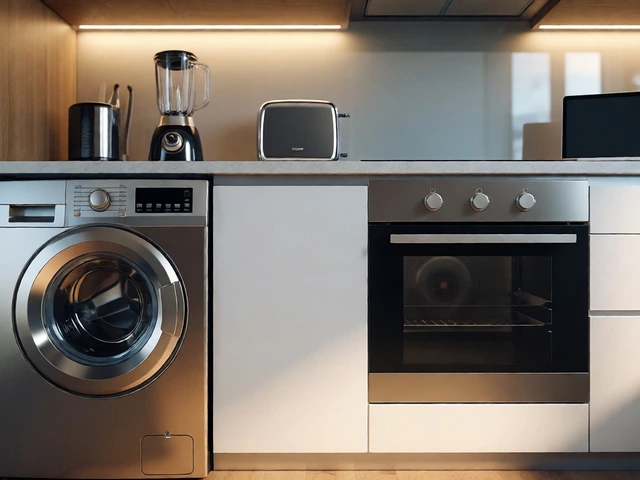
Major appliances, also known as white goods, are the large, essential machines that handle heavy-duty tasks. They’re typically expensive, long-lasting, and integrated into your home’s infrastructure. Here are common examples:
- Refrigerator: Keeps food fresh by maintaining low temperatures. Modern units often include ice makers and smart displays.
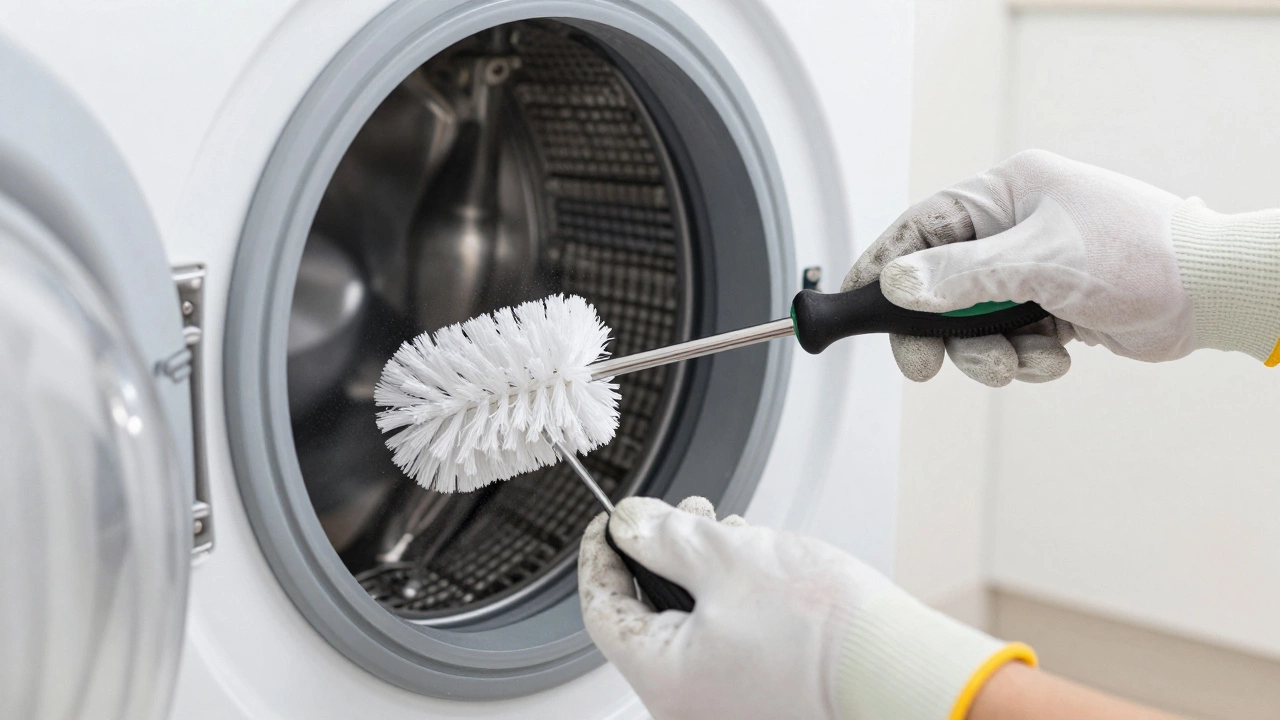
- Washing Machine: Cleans clothes using water, detergent, and agitation. Front-loaders and top-loaders have different repair needs.
- Dryer: Removes moisture from laundry using heat and airflow. Electric and gas models require different venting setups.
- Dishwasher: Washes dishes automatically using high-pressure water jets and heated drying cycles.
- Oven/Range: Cooks food using electric coils, gas burners, or convection fans. Built-in wall ovens differ from freestanding ranges.
- Water Heater: Heats water for bathing, cleaning, and cooking. Tankless and storage-tank models have distinct maintenance requirements.
These appliances cost hundreds to thousands of dollars. When they break, it’s rarely worth replacing unless they’re over 10-15 years old. That’s why professional appliance repair is the process of diagnosing and fixing malfunctioning major household machines so critical. A certified technician can often restore performance at a fraction of replacement cost.
Minor Appliances: Small Tools, Big Convenience
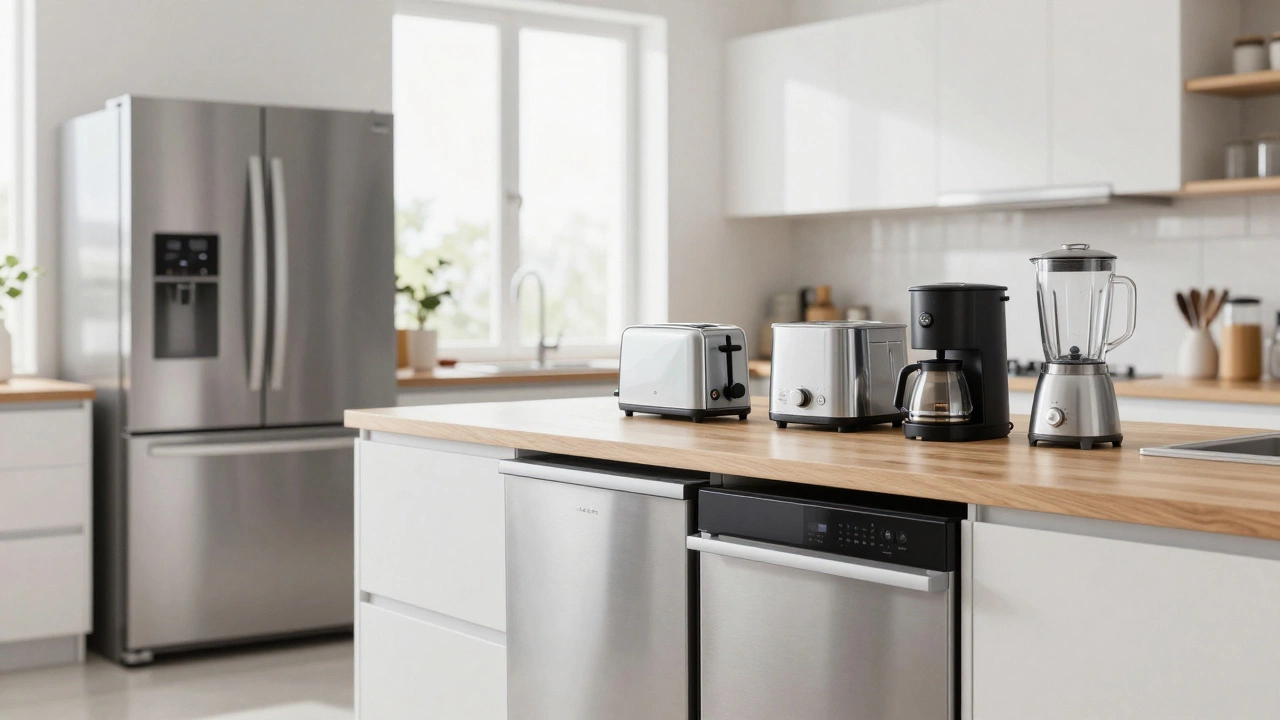
Minor appliances, sometimes called brown goods or small appliances, are compact, portable devices that handle lighter tasks. You move them around easily, and they plug into standard outlets. Examples include:
- Toaster: Browns bread using heating elements. Simple mechanism but prone to crumb buildup.
- Microwave Oven: Heats food quickly using electromagnetic radiation. Not ideal for cooking but great for reheating.
- Coffee Maker: Brews coffee by forcing hot water through grounds. Drip, espresso, and single-serve pods vary widely.
- Blender: Mixes, purees, or chops ingredients using sharp blades and high-speed motors.
- Vacuum Cleaner: Sucks up dirt and debris from floors and carpets. Upright, canister, and robot vacuums serve different needs.
- Air Purifier: Filters airborne particles like dust, pollen, and pet dander using HEPA or carbon filters.
Minor appliances are generally cheaper to replace than repair. If your $30 blender stops working, buying a new one makes more sense than paying $80 for labor. However, higher-end models-like premium espresso machines or smart vacuums-may warrant professional attention.
Fixed vs. Freestanding: Installation Matters
Another way to classify appliances is by how they’re installed. This distinction impacts repair complexity and safety.
| Type | Examples | Installation | Repair Complexity |
|---|---|---|---|
| Fixed | Built-in oven, dishwasher, central AC | Permanently mounted; requires plumbing/electrical work | High; often needs specialized tools and permits |
| Freestanding | Top-freezer fridge, portable washer, microwave | Plugged in; movable without structural changes | Low to moderate; easier access for technicians |
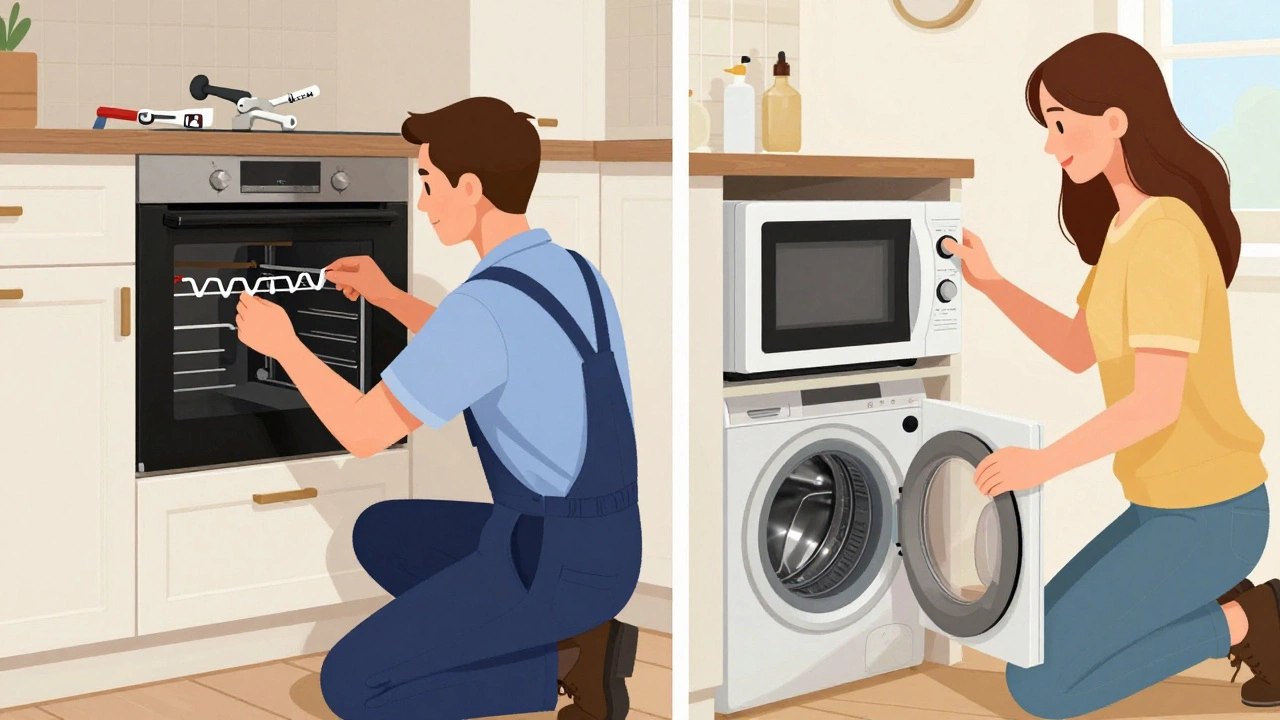
Fixed appliances are part of your home’s structure. Removing or repairing them might involve cutting drywall, disconnecting gas lines, or shutting off power circuits. Freestanding units are simpler-they sit on the floor and plug into standard outlets. If your freestanding dryer stops spinning, you can often pull it out and inspect the belt yourself. With a built-in oven, you’d likely call a pro.
Why Appliance Type Affects Repair Decisions
Not all breakdowns are equal. The type of appliance determines whether you should attempt a DIY fix or hire a professional. Consider these factors:
- Safety Risk: Gas ovens, water heaters, and HVAC systems involve fire, explosion, or carbon monoxide hazards. Never DIY these.
- Cost-Benefit Ratio: If repair costs exceed 50% of a new unit’s price, replacement is smarter. For example, fixing a $200 dishwasher motor for $120 isn’t worth it.
- Warranty Coverage: Many manufacturers void warranties if unauthorized repairs occur. Check your manual before opening panels.
- Complexity: Smart appliances with Wi-Fi modules and digital controls require diagnostic software only pros possess.
In Vancouver, where humidity and hard water affect appliance longevity, regular maintenance is crucial. Descaling your coffee maker every three months or cleaning your dryer lint trap after each use prevents costly failures.
Common Appliance Problems and Quick Fixes
Some issues are easy to resolve without calling anyone. Try these steps before scheduling a repair:
- Check Power Supply: Ensure the outlet works by plugging in another device. Reset tripped breakers if needed.
- Clean Filters and Vents: Clogged air filters in HVAC units or lint traps in dryers cause overheating and inefficiency.
- Inspect Door Seals: Frayed refrigerator or freezer gaskets let cold air escape, making the compressor work harder.
- Reset Electronics: Unplug smart appliances for 60 seconds to clear error codes. Many self-diagnose upon restart.
- Lubricate Moving Parts: Dryer drums and washing machine bearings benefit from occasional silicone spray application.
If these don’t work, it’s time to consult a technician. Attempting advanced repairs without proper training can lead to injury or further damage.
How to Choose the Right Appliance Service
When you need professional help, not all repair companies are equal. Look for these qualities:
- Certification: Technicians should hold EPA certification for handling refrigerants and manufacturer-specific training.
- Transparent Pricing: Avoid firms charging vague “diagnostic fees” without explaining what’s included.
- Local Reputation: Read reviews on trusted platforms. In Vancouver, local businesses often respond faster than national chains.
- Guarantees: Reputable services offer warranties on parts and labor, showing confidence in their work.
Don’t hesitate to ask questions. A good technician will explain the problem clearly and give you options-not pressure you into unnecessary repairs.
Related Concepts You Should Know
Understanding appliances goes beyond identifying them. These connected topics deepen your knowledge:
- Energy Efficiency Ratings: ENERGY STAR labels indicate lower electricity usage, saving money over time.
- Smart Home Integration: Modern appliances connect to apps for remote control and predictive maintenance alerts.
- Recycling Programs: Old appliances contain valuable metals and hazardous materials. Proper disposal protects the environment.
- Preventive Maintenance Schedules: Regular servicing extends lifespan and reduces emergency breakdowns.
By learning how your appliances work and interact with your home’s systems, you gain control over comfort, convenience, and costs.
Is a laptop considered an appliance?
No. Laptops fall under electronics or computing devices, not appliances. Appliances perform physical household tasks like cleaning, cooking, or climate control. Computers process information and aren’t classified as such in home service contexts.
Can I repair my own major appliance?
Only if you have technical expertise and follow safety protocols. Major appliances involve high voltage, gas lines, or pressurized systems. Unauthorized repairs risk injury, void warranties, and may violate local codes. Always prioritize professional assistance for complex issues.
What’s the average lifespan of a refrigerator?
Most refrigerators last 10-15 years with proper care. Factors affecting longevity include brand quality, usage frequency, maintenance habits, and environmental conditions. Cleaning coils annually and ensuring door seals remain intact can extend life significantly.
Do all appliances use electricity?
Not all. Some appliances run on natural gas (like certain ovens and water heaters), propane, or even manual mechanisms (like hand-cranked mixers). However, most modern household appliances rely primarily on electricity for operation and control systems.
How do I know if my appliance needs repair or replacement?
Use the 50% rule: if repair costs exceed half the price of a new equivalent unit, replace it. Also consider age-if your appliance is near or past its expected lifespan, frequent breakdowns signal it’s time for an upgrade. Energy-efficient newer models may save money long-term.
Are smart appliances worth the extra cost?
It depends on your lifestyle. Smart features offer convenience (remote monitoring, automated schedules) and potential energy savings. However, they add upfront cost and cybersecurity considerations. If you value integration and data insights, they’re worthwhile. For basic functionality, traditional models suffice.
What should I do during an appliance recall?
Stop using the appliance immediately. Visit the manufacturer’s website or contact customer support to verify recall status. Follow instructions for free repair, part replacement, or refund. Ignoring recalls poses safety risks and may void insurance coverage in case of incidents.
Can I install a fixed appliance myself?
Only if you’re qualified in electrical, plumbing, or gas work. Improper installation causes leaks, fires, or code violations. Most jurisdictions require licensed professionals for permanent installations. DIY attempts often result in costly corrections later.