Freezer Compressor Repair vs. Replacement Calculator
Determine whether repairing your freezer compressor or buying a new unit makes more financial sense based on current market costs.
🔧Repair Cost Estimate
❄️New Freezer Options
Cost Breakdown
Repair Costs
Replacement Costs
💡 Key Considerations:
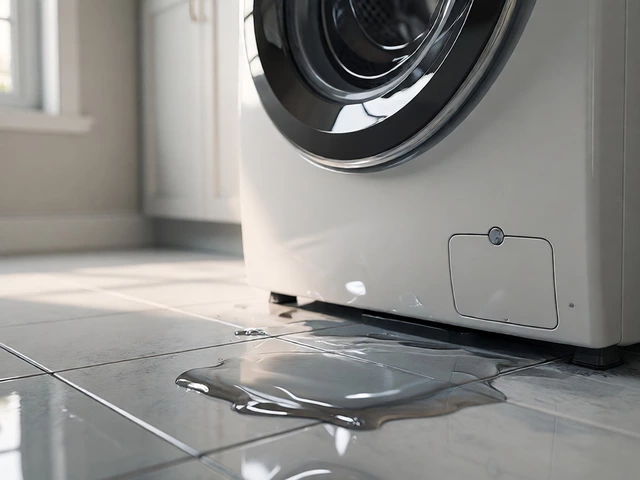
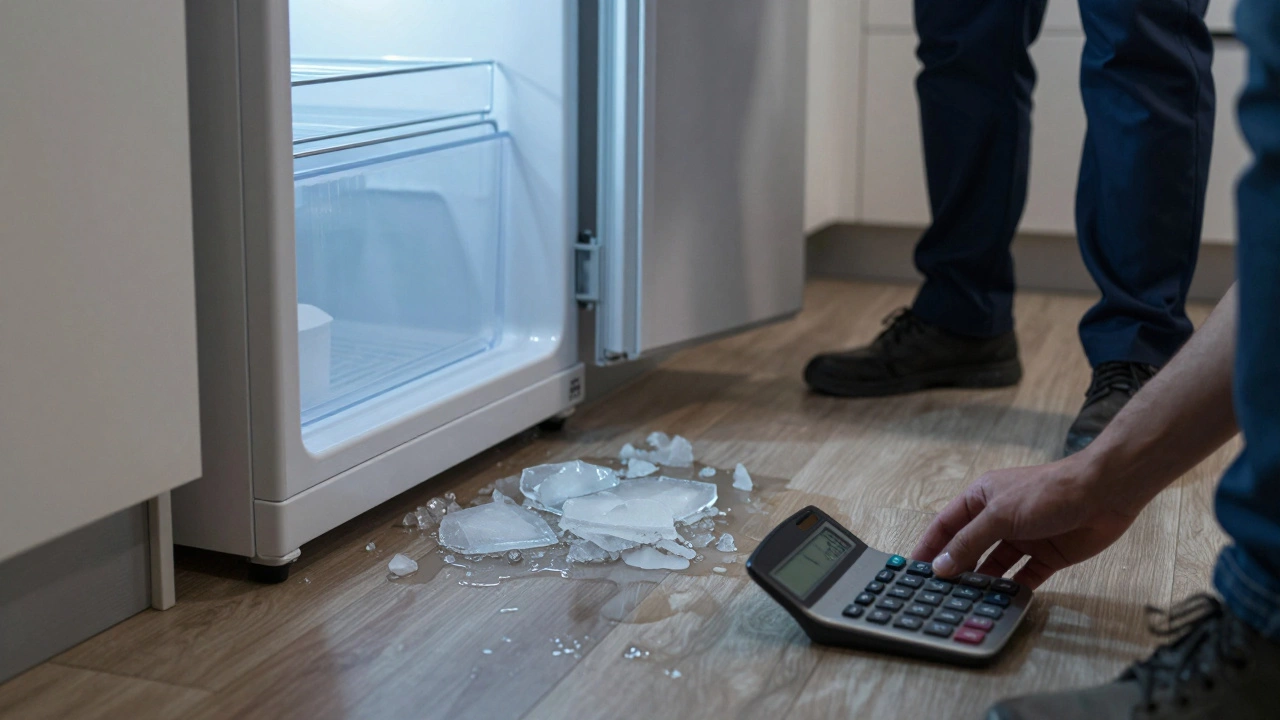
That low hum from your freezer suddenly stops. The ice starts melting into a puddle on the kitchen floor. You call a technician, and they tell you the compressor has died. Then comes the question that makes every homeowner’s stomach drop: "Should I pay $400 to fix it, or just buy a new one?"
The short answer is usually no. For most standard upright freezers, replacing the compressor is not worth the money. However, if you own a high-end built-in unit or a commercial-grade chest freezer, the math changes completely. Let’s break down exactly why this part fails, how much it actually costs in 2026, and when you might want to pull the trigger on a repair instead of a replacement.
Why Compressors Fail (And Why It’s Rare)
First, let’s understand what we’re dealing with. The compressor is the motor that pumps refrigerant through the system to keep your food frozen. It is the heart of the appliance. Unlike door seals or light bulbs, which wear out naturally, compressors are designed to last for decades. Most modern units have a lifespan of 10 to 20 years before this specific component gives up.
So, why do they fail? Usually, it’s not age alone. It’s often external factors. Power surges can fry the start relay, which is a cheap part often mistaken for a dead compressor. Voltage fluctuations in older homes can burn out the windings inside the motor. In some cases, a clogged capillary tube causes pressure to build up until the compressor locks up and burns out.
If your freezer is less than five years old, there is a good chance the issue isn’t the compressor itself but the start relay or overload protector. These small electrical components sit on top of the compressor and cost between $15 and $30 to replace. If the technician didn’t check these first, get a second opinion before spending hundreds of dollars.
The Cost Breakdown: Repair vs. Replace
To decide if it’s worth it, you need to look at the numbers. In 2026, labor rates for appliance technicians in major cities like Vancouver, Toronto, or New York have risen significantly. Here is what you are looking at:
| Item | Estimated Cost (USD/CAD) | Notes |
|---|---|---|
| Diagnostics Fee | $75 - $120 | Often waived if you proceed with repair |
| New Compressor Unit | $150 - $300 | Varies by brand and size |
| Labor (4-6 hours) | $300 - $600 | Includes evacuation and recharge |
| Refrigerant Gas | $50 - $100 | Required for system recharge |
| Total Repair Cost | $575 - $1,120+ | Does not include parts markup |
| New Standard Freezer | $300 - $800 | Includes warranty and delivery |
| New Premium/Built-In | $1,500 - $4,000+ | High-end brands like Sub-Zero |
As you can see, for a standard standalone freezer, the repair cost often exceeds the price of a brand-new unit. Plus, a new freezer comes with a full manufacturer’s warranty, whereas a repaired compressor might only be guaranteed for 90 days by the technician.
When Is It Actually Worth Fixing?
There are exceptions to the "just buy new" rule. You should consider repairing the compressor if:
- You own a built-in or integrated unit: If your freezer is custom-built into your cabinetry, replacing the entire unit means ripping out cabinets, repainting, and potentially changing your kitchen layout. The installation costs for a new built-in can easily exceed $1,500, making a $600 compressor repair a bargain.
- It’s a high-end commercial chest freezer: Large chest freezers used for hunting, bulk storage, or business purposes can cost $1,000 to $2,500 new. These units are also incredibly durable. If the rest of the unit is in good shape, fixing the compressor extends the life of a robust machine.
- The unit is under warranty: Check your paperwork. Some premium brands offer extended warranties that cover major components like compressors for 5 to 10 years. If you’re covered, the repair is essentially free.
- Parts availability is an issue: Sometimes, finding a replacement model in your exact size and configuration takes months. If you cannot afford downtime, a quick repair might be necessary.
Signs Your Compressor Is Truly Dead
Before you commit to any decision, make sure the diagnosis is correct. A faulty thermostat or a dirty condenser coil can mimic compressor failure. Here are the definitive signs that the compressor has failed:
- No Humming Sound: When plugged in, you hear nothing. Not even a click. This suggests the motor windings are open or burned out.
- Tripped Circuit Breaker: Every time you plug the freezer in, the breaker trips immediately. This indicates a short circuit within the compressor.
- Burning Smell: You smell burnt insulation or hot electronics near the back of the unit. This is a sign of overheated windings.
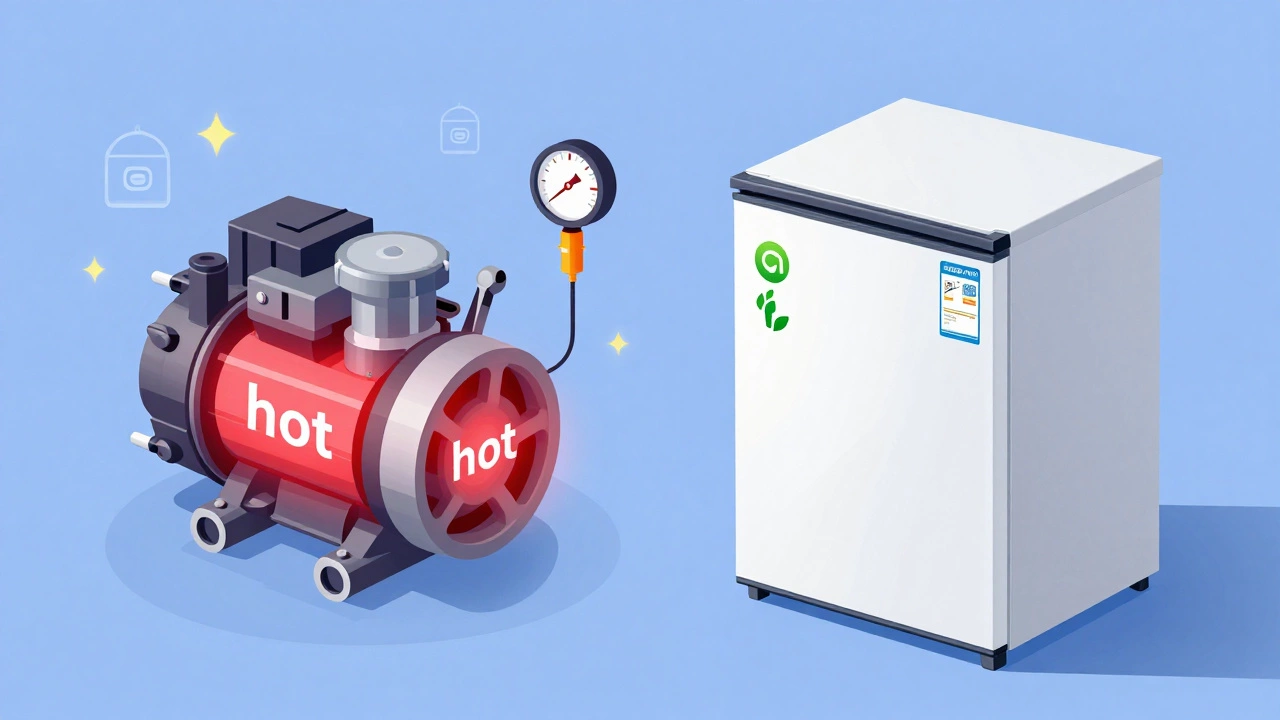
- Hot to the Touch: The compressor housing gets extremely hot quickly after turning on, then shuts off. This is often due to a locked rotor.
- Cold Evaporator, Warm Compressor: If the inside of the freezer is cold but the compressor runs constantly without cooling further, the system may have a leak, not necessarily a dead compressor. But if the compressor is silent and the interior is warm, it’s likely dead.
DIY vs. Professional Repair
Can you replace a compressor yourself? Technically, yes. But it’s not like swapping a belt on a car. It requires specialized tools and knowledge. You need to:
- Evacuate the refrigerant: Handling refrigerants like R-600a (isobutane) or R-134a requires EPA certification in many regions. Releasing them into the atmosphere is illegal and harmful to the environment.
- Use a vacuum pump: After installing the new compressor, you must pull a deep vacuum on the system to remove moisture and air. Moisture in the lines will destroy the new compressor within weeks.
- Solder copper lines: You need to cut the existing lines and braze new ones. Poor soldering leads to leaks, which means starting over.
- Weigh the refrigerant: You must charge the system with the exact amount of gas specified by the manufacturer. Too little, and it won’t cool. Too much, and it damages the motor.
Unless you are a trained HVAC technician, DIY compressor replacement is risky. One mistake can lead to a fire hazard or a destroyed unit. For most homeowners, hiring a pro is the safer route, even if it costs more.
Alternatives to Full Replacement
If the compressor is indeed dead and you don’t want to spend $600+ on a repair, consider these alternatives:
Convert to a Dry Storage Cabinet: If the freezer is built-in and you hate the idea of remodeling, you can have a technician remove the compressor and refrigerant system entirely. The cabinet remains, and you use it for storing dry goods, pet supplies, or seasonal items. It’s a creative way to save on renovation costs.
Buy a Used Unit: Check local marketplaces for gently used freezers. Many people upgrade during kitchen remodels and sell their working units for $50 to $150. While it lacks a warranty, it’s a cheap way to get immediate cooling.
Upgrade to Energy Efficient Models: If you’re buying new, look for ENERGY STAR certified models. Modern freezers use significantly less electricity than units from 10 years ago. Over three years, the energy savings can offset the higher upfront cost of a new unit compared to repairing an old, inefficient one.
How to Extend the Life of Your Current Compressor
If your freezer is still running, take steps to prevent premature failure. Compressors work harder when conditions are poor. Here’s how to give yours a longer life:
- Clean the Condenser Coils: Dust buildup on the coils (usually behind or below the unit) forces the compressor to run longer to achieve the same cooling. Clean them every six months with a vacuum brush.
- Ensure Proper Ventilation: Don’t push the freezer flush against the wall. Leave at least 2 inches of space for airflow. Heat trapped around the unit stresses the compressor.
- Check Door Seals: If the seal is cracked or loose, warm air enters, and the compressor runs continuously. Test by closing the door on a dollar bill. If it slides out easily, replace the gasket.
- Use a Surge Protector: Plug your freezer into a heavy-duty surge protector. Power spikes are a leading cause of sudden compressor death.
- Avoid Frequent Power Losses: If you live in an area with frequent blackouts, consider a battery backup or generator for essential appliances. Restarting cycles are hard on motors.
How long does a freezer compressor last?
A well-maintained freezer compressor typically lasts between 10 and 20 years. High-quality brands like Whirlpool, Samsung, and LG often reach the upper end of this range. If your compressor fails before 10 years, it may have been damaged by power surges, poor ventilation, or manufacturing defects.
Can I replace just the start relay instead of the compressor?
Yes, and you should always try this first. The start relay is a common failure point that mimics compressor issues. It costs $15-$30 and is easy to replace. If the relay is bad, the compressor might still be perfectly fine. A technician should test the relay before condemning the compressor.
Is it safe to leave a dead freezer unplugged?
Yes, but you should unplug it immediately if it’s not cooling. Leaving a malfunctioning compressor plugged in can cause it to overheat, potentially leading to a fire or releasing refrigerant gas. Always disconnect power if you suspect a mechanical failure.
What happens if I ignore a failing compressor?
Ignoring a failing compressor can lead to complete system failure, spoiled food, and potential safety hazards. If the compressor locks up, it can draw excessive current, tripping breakers or damaging your home’s electrical wiring. Additionally, refrigerant leaks can occur, which are harmful to the environment and your health.
Do all freezers use the same type of compressor?
No. Most household freezers use reciprocating piston compressors. Some high-end or commercial units use rotary or scroll compressors. The type affects compatibility and repair complexity. Always match the exact model number when ordering a replacement to ensure voltage, refrigerant type, and mounting style align.