Boiler Emergency Action Tool
Your boiler is acting up? Use this tool to identify the severity of the issue and find out exactly who to call.
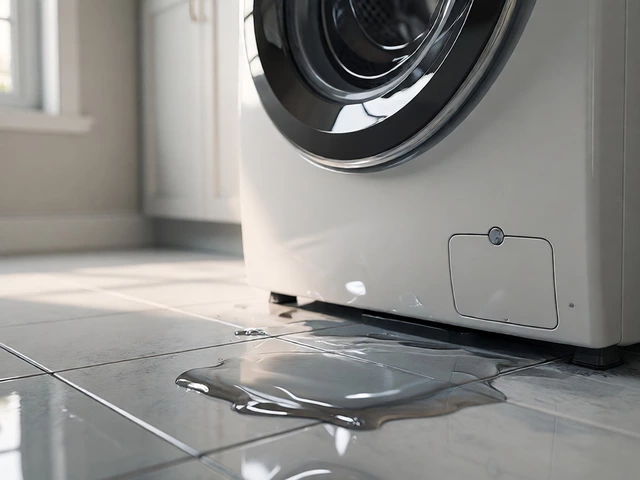
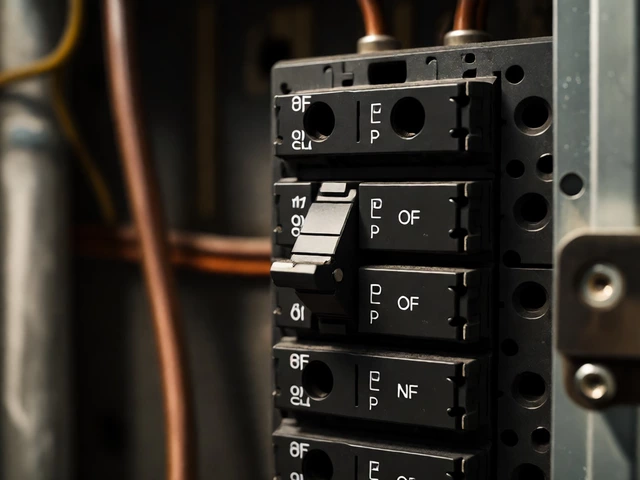
Before calling, check these physical indicators to help the technician.
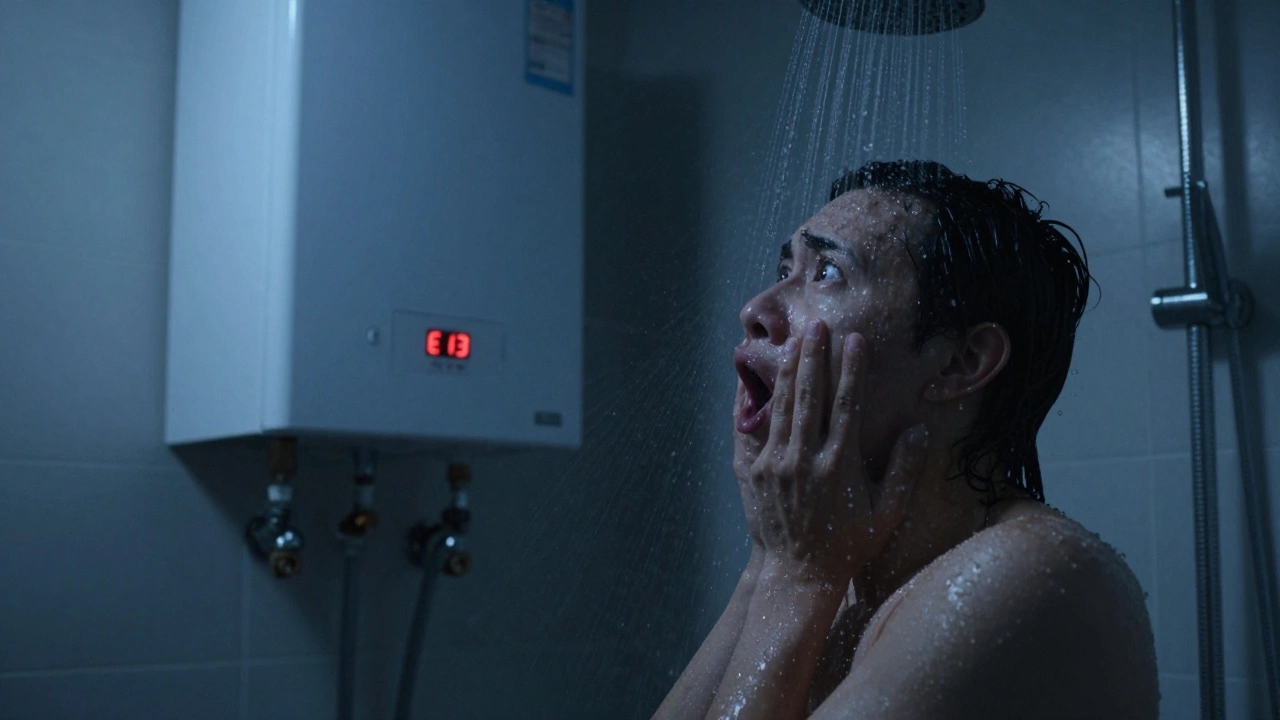
It’s 7:00 AM on a freezing Tuesday in Vancouver. You step out of the shower, and instead of warm water, you get an icy shock. The radiator in the living room is cold as stone. Your boiler display shows a blinking error code you’ve never seen before. Panic sets in immediately. You have work to do, kids to get ready, and no heat. The first question that screams through your head isn't technical-it's practical: who do you call if your boiler isn't working?
The answer isn't just "a plumber" or "someone with a wrench." Calling the wrong person can lead to inflated bills, unsafe repairs, or even voided warranties. In this guide, we’ll break down exactly who holds the right credentials, how to spot a legitimate professional, and when it’s time to shut everything off and wait for help.
The Short Answer: Look for a Certified Heating Specialist
If your boiler is acting up, you need a licensed heating contractor or a Gas Safe registered engineer (depending on your region). While many general plumbers handle pipes, boilers are complex systems involving gas combustion, electrical controls, and high-pressure water. You want someone who specializes in HVAC (Heating, Ventilation, and Air Conditioning) or specifically in boiler systems.
In Canada, particularly in British Columbia, look for technicians registered with the BC Safety Authority (BCSA). In the UK, the non-negotiable standard is Gas Safe registration. Hiring an unlicensed handyman for gas appliance repair is illegal in many jurisdictions and incredibly dangerous. It’s not just about fixing the leak; it’s about ensuring carbon monoxide doesn’t silently fill your home.
Immediate Steps Before You Dial Any Number
Before you scroll through your contacts or search online, take three critical steps. These actions protect your home and give the technician vital information when they arrive.
- Check for Carbon Monoxide (CO): If you have CO detectors and they are beeping, evacuate immediately. Do not try to fix the boiler. Call emergency services from outside the house. Even if they aren't beeping, if you feel dizzy, nauseous, or have headaches, leave the area. Boilers burn fuel, and incomplete combustion produces deadly gas.
- Locate the Main Gas Valve: If you smell gas (that distinct rotten egg scent), turn off the main gas supply at the meter or the valve near the boiler. Do not use light switches or create sparks.
- Note the Error Code: Modern condensing boilers have digital displays. Write down the flashing code (e.g., F.28, E13, or a specific symbol). This tells the technician whether it’s a pressure issue, a pump failure, or a ignition problem before they even walk in the door.
Who Is Actually Qualified? Decoding the Credentials
Not all "repairmen" are created equal. Here is a breakdown of the professionals you might encounter and which one you should actually hire.
| Professional Type | Best For... | Avoid If... | Typical Cost Range |
|---|---|---|---|
| Certified HVAC Technician | Major repairs, gas line issues, full system diagnostics | You only need a filter change or visual check | $150 - $300/hour |
| General Plumber | Radiator bleeding, pipe leaks connected to the boiler | The issue involves gas valves, igniters, or control boards | $100 - $200/hour |
| Handyman | Installing shelves near the boiler, painting around it | Any internal mechanical or gas-related repair | $50 - $100/hour |
| Manufacturer Support | Warranty claims, part ordering, initial troubleshooting | Emergency night-time breakdowns | Free (if under warranty) |
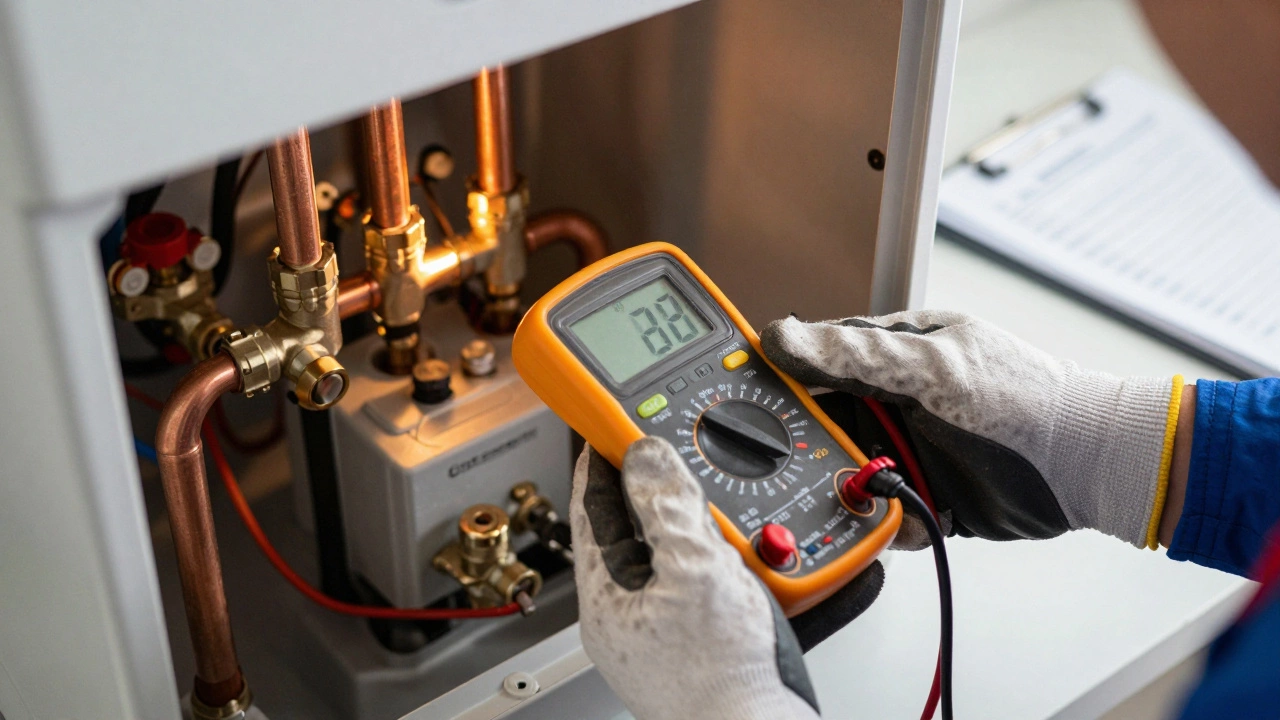
The gold standard is a technician who carries specific certification for your boiler brand (like Vaillant, Bosch, or Navien) combined with local licensing. They have access to proprietary diagnostic tools and genuine parts. Using generic parts from a non-specialist can cause further damage down the line.
Red Flags: How to Spot a Bad Hire
The boiler repair industry is unfortunately rife with scams, especially during winter peaks. Watch out for these warning signs that suggest you’re talking to someone who shouldn’t touch your equipment.
- No Physical Address: Legitimate companies have a local office. If they only operate via a PO Box or a mobile number with no traceable location, proceed with caution.
- Cash-Only Demands: Professional businesses accept credit cards and provide receipts. Insisting on cash upfront is a major red flag for tax evasion and lack of accountability.
- Vague Pricing: A quote should include labor, parts, and travel fees. If they say "I'll know once I look at it" without giving a diagnostic fee cap, you could end up paying hundreds for a simple reset.
- Pressure Tactics: Phrases like "This will explode if you don't pay now" are scare tactics. Real technicians explain the risk calmly and allow you to think.
Emergency vs. Scheduled Repair: Knowing the Difference
Not every boiler issue requires a midnight wake-up call and a premium emergency fee. Understanding the severity helps you manage costs and stress.
Call Emergency Services Immediately If:
- You smell gas.
- Your carbon monoxide alarm sounds.
- The boiler is making loud banging noises (kettling) accompanied by scorching smells.
- There is visible smoke coming from the flue or unit.
Schedule a Standard Appointment If:
- The pilot light won’t stay lit (but no gas smell).
- One radiator is cold while others are hot.
- The boiler is making a whistling noise but still producing heat.
- The pressure gauge is slightly low (you can often top this up yourself).
In Vancouver, where winters are wet and mild but occasionally drop below freezing, a total loss of heat is uncomfortable but rarely life-threatening unless you have elderly family members or infants. However, a loss of hot water affects daily hygiene and sanitation. Prioritize based on safety first, then comfort.
The Importance of Annual Maintenance
The best way to avoid the "who do I call" panic is to already have a relationship with a trusted technician. Most manufacturers require annual servicing to keep the warranty valid. During a service, a technician cleans the heat exchanger, checks the condensate drain, tests the gas pressure, and inspects seals for wear.
A well-maintained boiler runs 10-15% more efficiently than a neglected one. That means lower utility bills. If you haven’t had your boiler serviced in over two years, consider scheduling a maintenance visit rather than waiting for a breakdown. It’s cheaper to prevent a failure than to repair a burnt-out motor.
What to Ask Before They Arrive
When you finally find a candidate, ask these three questions to verify their professionalism:
- "Are you licensed and insured?" Ask for their license number. You can usually verify this online with your provincial or national regulatory body.
- "Do you offer a guarantee on your work?" Reputable pros stand behind their repairs. A 30-day to 1-year guarantee on labor is standard.
- "Will you provide a written estimate?" Never agree to open-ended work. Get the diagnostic fee and potential repair ranges in writing or text before they start turning wrenches.
Finding the right person for your boiler repair takes a little homework, but it pays off in safety, savings, and peace of mind. Don’t settle for the first name you see on a flyer. Check reviews, verify licenses, and trust your gut. Your home’s heart-the boiler-deserves expert care.
Can I fix my boiler myself if it’s showing an error code?
Generally, no. While you can reset the boiler or check the pressure gauge, opening the casing or touching gas components is illegal and dangerous for unlicensed individuals. DIY attempts often void warranties and risk carbon monoxide leaks. Stick to basic troubleshooting like resetting the unit or bleeding radiators.
How much does emergency boiler repair cost?
Emergency rates are typically 1.5 to 2 times the standard hourly rate. Expect to pay between $200 and $400 just for the diagnostic visit after hours. Parts and labor are added on top. To save money, try to resolve minor issues like low pressure before they become emergencies requiring immediate attention.
What should I do if my boiler is leaking water?
Turn off the power to the boiler immediately to prevent electrical shorts. Place a bucket under the leak to catch water. Check the pressure gauge; if it’s zero, there may be a significant leak in the system. Contact a technician. Do not ignore small drips, as they can indicate a failing seal or corrosion that will worsen.
Is it better to repair or replace an old boiler?
If your boiler is over 15 years old and requires frequent repairs, replacement is usually more cost-effective. Modern condensing boilers are significantly more efficient, saving you money on energy bills. A technician can perform a cost-benefit analysis based on the age of your unit and the cost of the proposed repair.
Why is my boiler making a banging noise?
Banging, known as kettling, is caused by limescale buildup on the heat exchanger or air trapped in the system. As water boils locally around the scale, steam bubbles collapse violently, creating noise. This reduces efficiency and can damage the boiler. It requires professional descaling or flushing.