Oven Repair vs. Replacement Calculator
Input Costs & Details
Condition Check
Check any issues currently present with the oven:
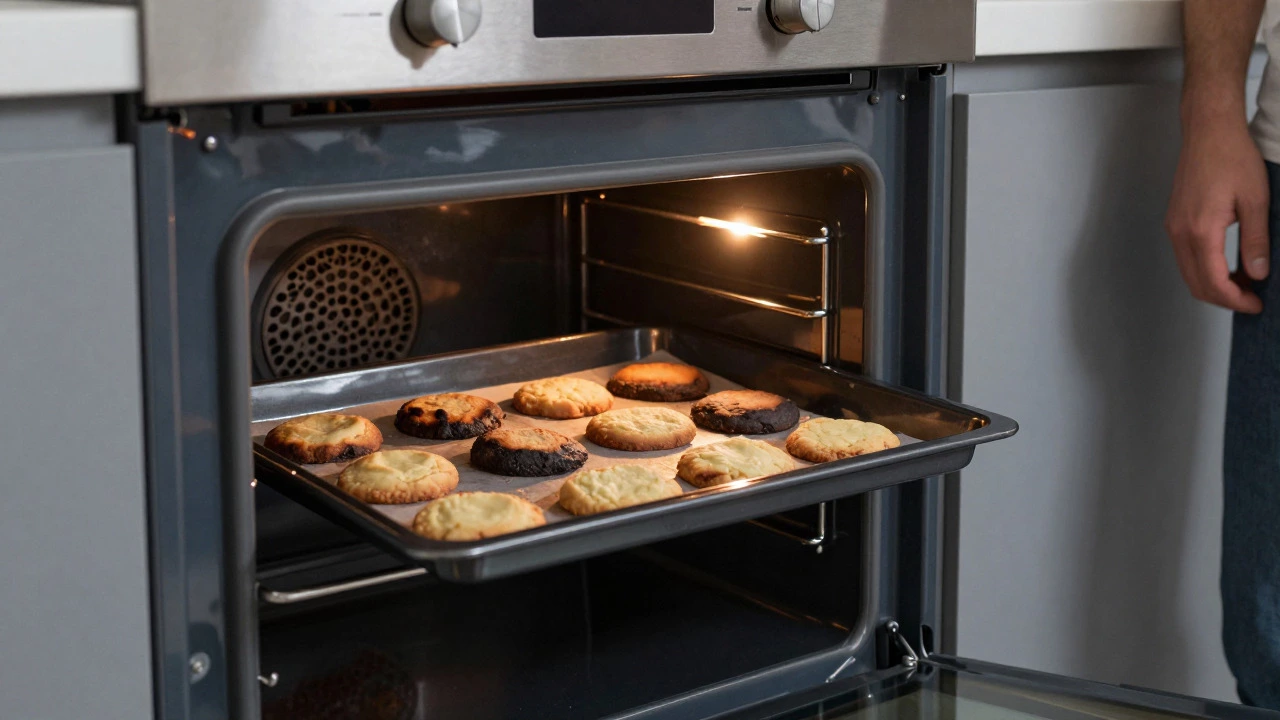
You open the oven door, and instead of a warm glow, you see darkness or a flickering light. The temperature gauge reads 350°F, but your cookies are burnt on the outside and raw in the middle. You’re staring at an eight-year-old electric oven that has served you faithfully until now. The immediate question isn’t just “how do I fix this?” but rather, “should I even bother fixing it?” This is a classic dilemma for homeowners. Do you spend $200 to $400 on a repair bill, hoping the machine lasts another three years, or do you bite the bullet and buy a new one?
The answer depends on more than just the price tag. It involves understanding the typical lifespan of kitchen appliances, the specific nature of the breakdown, and the long-term value of modern technology versus older models. Let’s break down the math and the mechanics so you can make a decision that saves you money and stress.
The Five-Year Rule: A Simple Heuristic for Appliance Decisions
In the world of appliance repair, there is a widely accepted guideline known as the "five-year rule." If an appliance is less than five years old, you generally repair it. If it is more than ten years old, you usually replace it. Your oven sits right in the gray area at eight years old. This means the decision requires a closer look at the specific costs involved.
The logic behind this rule is simple economics. Newer appliances have remaining useful life, making repairs a good investment. Older appliances are near the end of their natural lifespan, meaning one repair often leads to another shortly after. An eight-year-old oven is approaching the end of its expected service window. Most standard residential ovens are designed to last between 10 and 15 years, depending on usage frequency and build quality. At year eight, you are likely getting diminishing returns on every dollar spent on maintenance.
However, rules are meant to be broken when the circumstances align. If the repair is minor and inexpensive, keeping the oven might still be the smart move. But if the issue is major, replacing it becomes the safer financial bet.
Calculating the True Cost: Repair vs. Replace
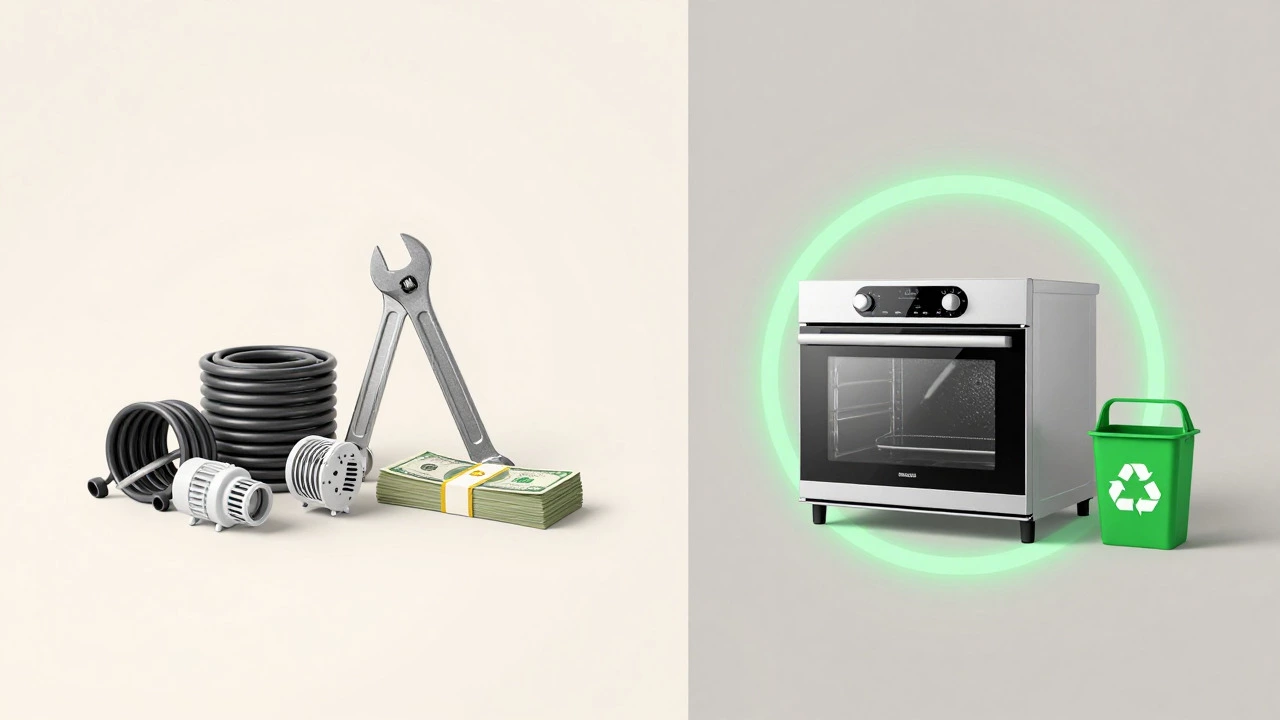
To decide whether to repair your oven, you need to compare two numbers: the cost of the repair and the cost of a new unit. But don’t just look at the sticker price. You need to factor in labor, parts, and potential hidden issues.
| Factor | Repair Scenario | Replacement Scenario |
|---|---|---|
| Initial Outlay | $150 - $400 (parts + labor) | $600 - $1,500 (unit + installation) |
| Labor Costs | $75 - $120 per hour | $100 - $200 for hookup/disposal |
| Long-Term Risk | High (other parts may fail soon) | Low (new warranty coverage) |
| Energy Efficiency | Standard (older model) | Improved (newer standards) |
| Warranty | 90 days on parts/labor only | 1-5 years comprehensive |
If the repair quote comes in under $150, it is often worth trying. Common fixes like replacing a door seal, a thermostat, or a heating element are relatively cheap. However, if the technician tells you the problem is the control board, the igniter, or the internal wiring, the cost can easily exceed $300. At that point, you are spending nearly half the price of a mid-range new oven to keep an old one running for maybe two more years.
Consider the "sunk cost" fallacy. Just because you’ve already invested eight years into the oven doesn’t mean you should throw more money at it if the foundation is crumbling. Think of it like a car with 150,000 miles. If the transmission goes out, you weigh the repair cost against buying a reliable used vehicle. The same principle applies here.
Common Failures in Eight-Year-Old Ovens
Understanding what typically breaks around the eight-year mark helps you anticipate future problems. Ovens are complex machines with electrical, mechanical, and thermal components. Here are the most common failure points:
- Baking Elements: These coils heat up to bake food. Over time, they can burn out or develop hot spots. Replacement is straightforward and inexpensive ($20-$50 for the part), but labor adds to the cost.
- Thermal Fuses: Safety devices that cut power if the oven overheats. If this blows, the oven won’t turn on. It’s a cheap fix, but it often indicates a deeper overheating issue.
- Control Boards: The brain of the oven. Electronic failures here can cause erratic heating, display errors, or complete shutdown. Control boards are expensive ($100-$200) and labor-intensive to replace.
- Door Seals (Gaskets): Rubber seals degrade over time, letting heat escape. This causes uneven cooking and higher energy bills. Replacing a gasket is one of the few repairs that makes sense even for older ovens because it’s low-cost and improves efficiency.
- Igniters (Gas Ovens): If you have a gas range, the igniter glows red to open the gas valve. Weak igniters take longer to heat up, leading to delayed ignition. They wear out with use and are a common failure point around year seven or eight.
If your issue is a door seal or a single heating element, repair is a strong candidate. If it’s the control board or multiple elements failing simultaneously, replacement is the logical choice.
The Hidden Value of Upgrading: Efficiency and Features
One reason many people choose to replace their eight-year-old ovens isn’t just because they broke-it’s because newer models offer significant advantages. When you buy a new kitchen appliance, you aren’t just buying functionality; you’re buying efficiency and convenience.
Modern ovens are far more energy-efficient than those from eight years ago. Energy standards have tightened, and manufacturers have improved insulation and heating technologies. A new oven can reduce your electricity or gas bill by 10-20% compared to an older model. Over the next five years, these savings can add up to hundreds of dollars, offsetting some of the initial purchase price.
Furthermore, today’s ovens come with features that make cooking easier and more consistent. Convection fans, self-cleaning cycles, and precise digital controls are now standard. If your current oven struggles with even baking or requires manual scrubbing to clean, a new model could significantly improve your daily kitchen experience. For busy households, time saved on cleaning and monitoring food is valuable currency.
Also consider safety. Older ovens may lack modern safety features like automatic shut-offs or better child locks. If your oven has any history of tripping breakers or smelling like burning dust, upgrading eliminates potential fire hazards.
When to Definitely Replace Your Oven
There are clear signs that indicate it’s time to say goodbye to your old oven. Don’t ignore these red flags:
- Frequent Repairs: If you’ve had to call a technician more than once in the past two years, the oven is signaling its end. Each repair is a patch on a deteriorating system.
- Inconsistent Performance: If food burns on one side and stays raw on the other, or if the temperature fluctuates wildly, the core heating mechanism is failing. No amount of tweaking will fix this permanently.
- Noisy Operation: Strange buzzing, clicking, or humming sounds often indicate failing motors or loose electrical connections. These can escalate into safety risks.
- Visible Damage: Rust inside the cavity, cracked glass doors, or warped racks compromise safety and hygiene. Rust can spread, weakening the structure over time.
- Outdated Technology: If your oven lacks basic features like a timer, convection setting, or easy-to-clean interior, you’re working harder than necessary. Modern conveniences exist for a reason.
If any of these apply to your situation, lean towards replacement. The peace of mind that comes with a new warranty and reliable performance is worth the upfront cost.
How to Make the Final Decision: A Step-by-Step Guide
Still unsure? Follow this practical checklist to reach a confident conclusion:
- Get a Detailed Quote: Call a reputable oven repair service for a diagnostic fee. Ask for a written estimate including parts and labor. Avoid vague verbal estimates.
- Research Replacement Costs: Visit local appliance stores or check online prices for similar models. Factor in delivery and installation fees. Don’t forget the cost of disposing of the old oven.
- Apply the 50% Rule: If the repair cost exceeds 50% of the price of a comparable new oven, replace it. This is a conservative threshold that protects you from overspending on dying equipment.
- Check Warranty Status: Confirm if your oven is still under manufacturer warranty. If yes, repair might be free or discounted. If no, you’re paying full price for parts that may fail again soon.
- Consider Your Plans: Are you planning to sell your home in the next year? A new oven can boost curb appeal and buyer satisfaction. If you’re staying put, prioritize personal comfort and efficiency.
This structured approach removes emotion from the equation. You’re not deciding based on attachment to the old appliance; you’re making a rational financial choice.
Environmental Considerations: Is Repairing Greener?
Some homeowners hesitate to replace appliances due to environmental concerns. Manufacturing new products consumes resources and generates waste. In theory, repairing extends the life of existing materials, reducing landfill burden. However, this argument holds true only if the repaired appliance remains efficient and functional for several more years.
If your eight-year-old oven is inefficient, leaving it running actually increases your carbon footprint through higher energy consumption. Newer models meet stricter energy guidelines, meaning they use less power to achieve the same results. Additionally, many retailers offer recycling programs for old appliances, ensuring metals and plastics are properly processed rather than dumped.
So, while repair seems eco-friendly on the surface, replacement can be the greener choice in the long run-provided you dispose of the old unit responsibly. Look for haul-away services that guarantee recycling.
Conclusion: Making the Smart Choice for Your Kitchen
Deciding whether to repair an eight-year-old oven isn’t about saving money at all costs; it’s about maximizing value. For minor issues like door seals or heating elements, repair is a sensible, budget-friendly option. But for major failures involving control boards or widespread inefficiency, replacement offers better long-term savings, improved performance, and enhanced safety.
Use the 50% rule as your guiding star. If the repair bill feels heavy, trust your instincts and explore new models. Your kitchen is the heart of your home, and having a reliable, efficient oven makes daily life smoother and more enjoyable. Don’t let fear of spending keep you tied to a broken-down appliance. Invest in something that serves you well for the next decade.
What is the average lifespan of an electric oven?
The average lifespan of a standard electric oven is between 10 and 15 years. Heavy usage, poor maintenance, or lower-quality brands can shorten this period. Conversely, high-end models with regular care may last longer.
How much does it cost to repair an oven?
Oven repair costs vary widely. Minor fixes like replacing a heating element or door seal typically range from $100 to $250. Major repairs involving control boards or igniters can cost $300 to $500 or more, including labor.
Is it cheaper to repair or replace an 8-year-old oven?
It depends on the repair cost. If the repair is under $150, it’s usually cheaper to fix. If the repair exceeds $300, replacing the oven is often more cost-effective in the long run, especially considering energy savings and new warranties.
What are signs my oven needs replacement?
Signs include frequent breakdowns, inconsistent heating, strange noises, visible rust or damage, and outdated features. If the oven fails to maintain temperature or cooks unevenly, replacement is recommended.
Do new ovens save money on energy bills?
Yes, modern ovens are more energy-efficient due to improved insulation and heating technology. They can reduce energy consumption by 10-20% compared to older models, leading to noticeable savings over time.