Extractor Fan Troubleshooter
Select your fan's current behavior to find out who you should call.
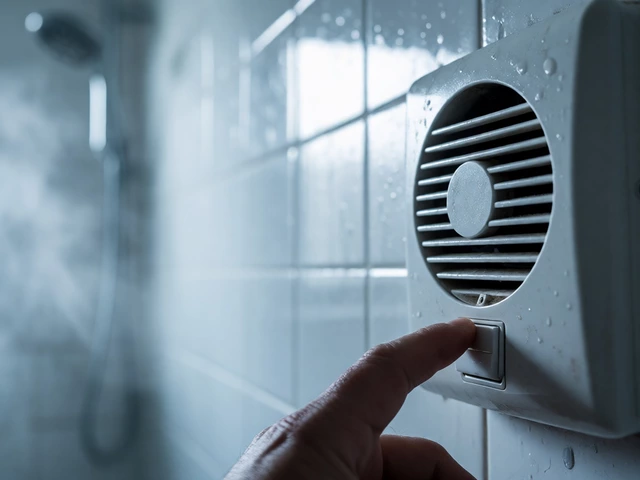
You turn on the switch, and instead of a soothing hum that clears steam from your shower or grease from your stir-fry, you get silence. Or worse, a rattling noise that sounds like a helicopter landing in your hallway. The fan is dead, but who do you call?
This is a common point of confusion. Unlike a washing machine (plumber/appliance tech) or a boiler (gas engineer), an extractor fan sits at the intersection of electrical work and mechanical ventilation. It’s plugged into a wall or wired directly into the ceiling circuit, but it also involves ducting, dampers, and sometimes external louvers.
The Short Answer: Start with an Electrician
For most standard domestic extractor fans-whether in the bathroom or under a kitchen cabinet-the primary trade to call is a qualified electrician. Why? Because in many regions, including the UK and parts of Europe, any fixed electrical appliance connected to the mains supply falls under specific safety regulations (like Part P in the UK). If the fan needs rewiring, replacing a faulty switch, or if the unit itself is being swapped out for a new hardwired model, you need someone certified to handle live circuits safely.
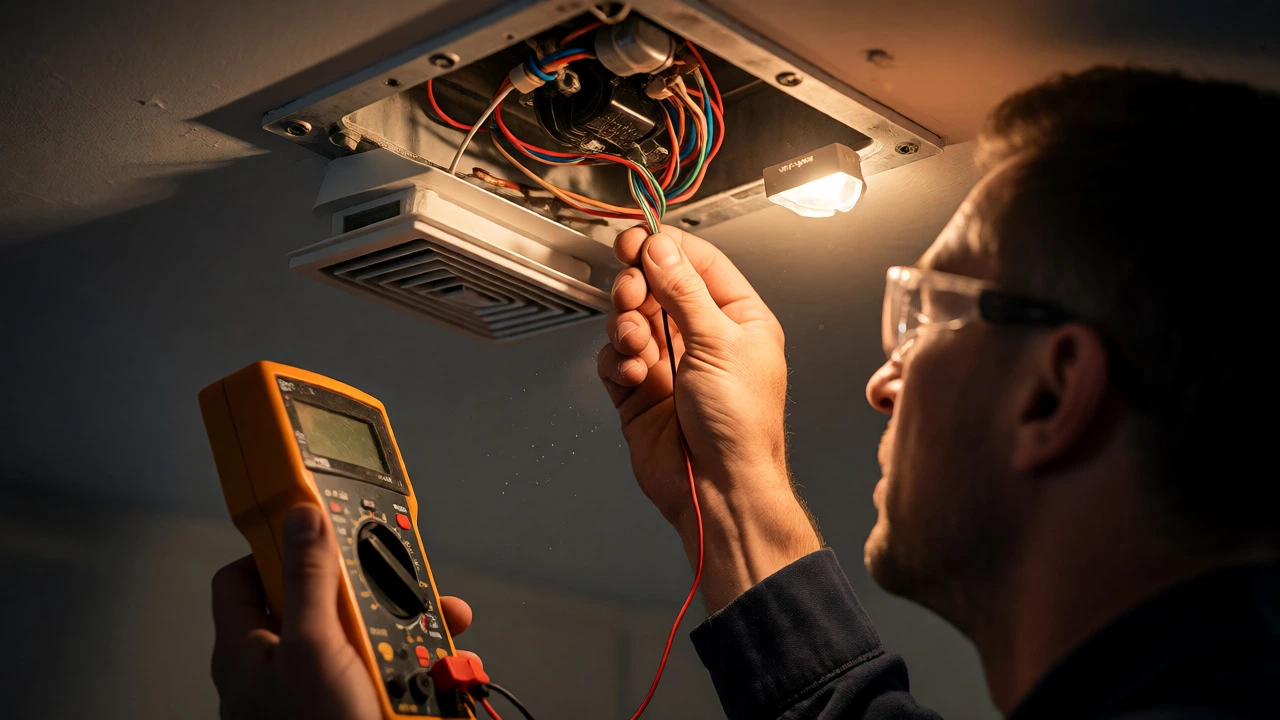
An electrician can diagnose if the motor has seized, if the capacitor has blown, or if the issue is simply a tripped breaker. They have the multimeters and the legal authority to open up the junction box and ensure the earth bonding is correct. If your fan is just clogged with dust, an electrician might not be the cheapest option, but they are the safest bet for anything involving the power source.
When to Call a Ventilation Specialist Instead
Not all extractor fans are created equal. If you have a complex system, such as a whole-house Mechanical Ventilation with Heat Recovery (MVHR) unit or a high-end commercial kitchen extraction system, a general electrician might hit their limit. This is where a ventilation specialist comes in.
These professionals understand airflow dynamics, static pressure, and ductwork integrity. If your fan runs but doesn’t actually pull air out of the room, the problem often isn’t electrical-it’s physical. Maybe the flexible ducting has collapsed behind the ceiling. Maybe the external louver is stuck shut due to paint or rust. A ventilation specialist knows how to check for blockages, balance the system, and ensure the fan is sized correctly for the room volume.
| Symptom | Likely Cause | Best Trade to Call |
|---|---|---|
| Fan makes no sound; light works | Motor failure, blown fuse, faulty switch | Electrician |
| Fan runs loudly but doesn't vent | Clogged duct, stuck damper, disconnected pipe | Ventilation Specialist / Handyman |
| Fan stops after running for 5 mins | Overheating motor, thermal cut-out triggered | Electrician |
| Drip water when fan is off | Condensation backflow, missing drip loop | Plumber / Ventilation Specialist |
| New installation required | Wiring, mounting, compliance testing | Electrician (+ Plasterer if ceiling cut) |
Can You DIY the Fix?
If you’re handy, you might save some cash by tackling simple issues yourself. But there’s a strict line between "easy" and "dangerous." Cleaning the cover and wiping down the blades is safe for anyone. Replacing a plug-on fan (one that plugs into a socket rather than being hardwired) is also low-risk. Just unplug it, swap the unit, and plug it back in.
However, if you need to remove the fan housing to access the motor or wiring, you’re dealing with electricity. In bathrooms, zones dictate what kind of equipment and IP ratings are allowed. Installing the wrong type of fan in Zone 1 or 2 can be a fire hazard or fail inspection. If you aren’t comfortable stripping wires and checking continuity with a multimeter, don’t guess. Electricity doesn’t give second chances.
The Hidden Costs of Ignoring a Broken Fan
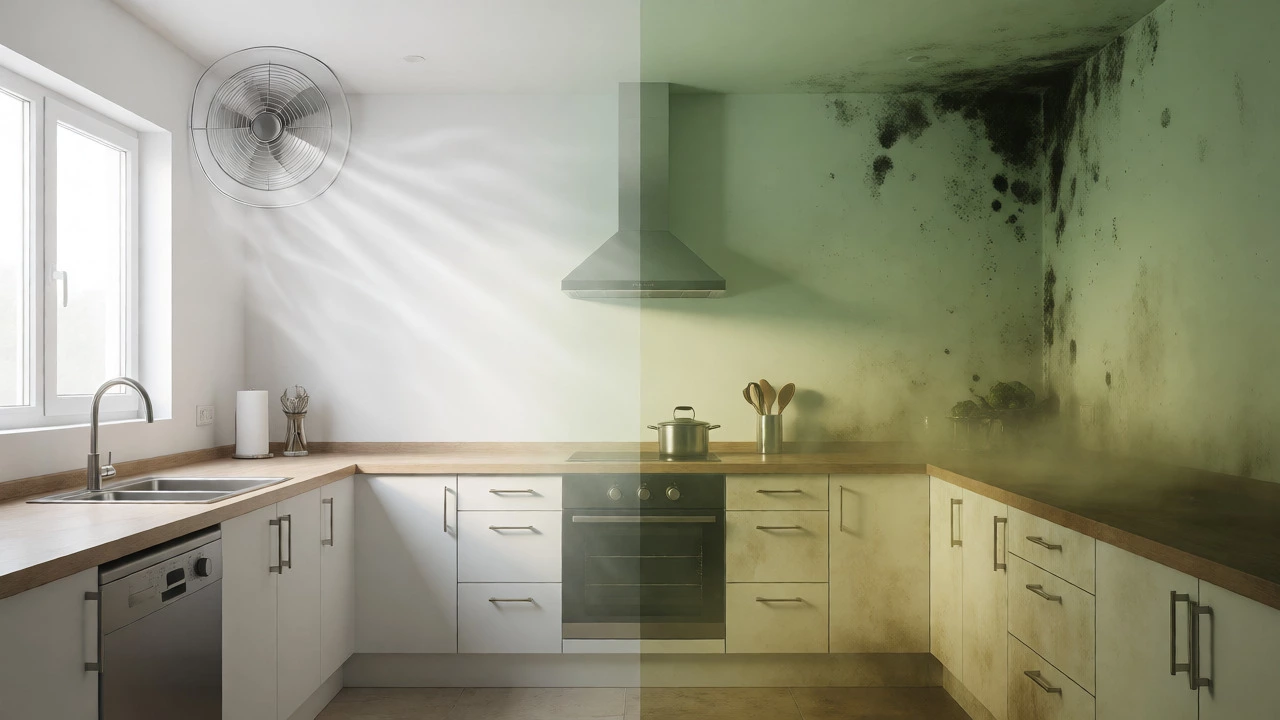
A broken extractor fan isn’t just an annoyance; it’s a health risk. Without proper ventilation, moisture accumulates on walls and ceilings. Within weeks, you’ll see black spots forming in corners-mold spores thriving in the humidity. Mold isn’t just ugly; it triggers allergies and respiratory issues. For kitchens, the lack of extraction means grease settles on cabinets and appliances, becoming sticky and difficult to clean over time.
Furthermore, modern building standards require continuous ventilation. If you’re selling your home, a non-functional extractor fan can lead to failed surveys. Buyers’ inspectors will flag it, leading to price negotiations or costly last-minute repairs. Fixing it early preserves both your health and your property value.
How to Prepare for the Tradesperson
To make the visit efficient and cost-effective, do a little homework before the expert arrives. Take photos of the fan’s label. Note the brand, model number, and wattage. Check if the fan is battery-operated, plug-in, or hardwired. Look at the external vent-is it visible from outside the house? Is it painted over?
Clear the area around the fan. Remove toiletries from the bathroom shelf or pots from the kitchen counter. If the fan is in a tight space, ensure there’s room for a ladder and tools. If you suspect the ducting is the issue, try to locate where the pipe exits the building. Knowing this saves the technician valuable diagnostic time, which translates to lower labor costs for you.
What to Ask When Getting Quotes
Don’t just accept the first quote. Ask these questions to gauge expertise:
- "Is the quote inclusive of VAT/tax and parts?"
- "Will you test the airflow after repair?"
- "Do you provide a warranty on the labor and the part?"
- "If the motor is beyond repair, do you recommend a specific replacement model?"
A good tradesperson will offer advice on upgrading to a quieter, more energy-efficient model if the old one is obsolete. They should also explain why the previous fan failed-was it poor maintenance, incorrect sizing, or natural wear and tear?
Can a plumber fix an extractor fan?
Generally, no. Plumbers specialize in water systems. While they may install fans during a full bathroom renovation, they typically do not perform electrical diagnostics or motor repairs. However, if the issue is related to condensation dripping back through the duct, a plumber might help assess the pipework layout, but an electrician or ventilation specialist is still needed for the fan itself.
How much does extractor fan repair cost?
Costs vary by region and complexity. A simple service (cleaning and lubrication) might range from $50 to $100. Replacing a motor could cost $100-$200 plus parts. Installing a new hardwired unit typically ranges from $150 to $400 depending on accessibility and whether new wiring is needed. Always ask for a breakdown of parts vs. labor.
Why is my extractor fan making a loud noise?
Loud noises usually indicate worn bearings, a loose blade hitting the housing, or debris caught in the impeller. Dust buildup can also cause imbalance, leading to vibration. Cleaning the blades and tightening screws often resolves minor noise. If the noise persists after cleaning, the motor bearings may be failing, requiring replacement.
Do I need an electrician to replace a plug-in extractor fan?
No. If the fan connects via a standard plug and socket, you can replace it yourself. Ensure the power is off at the socket before removing the old unit. Mount the new fan securely, plug it in, and test. No specialized electrical certification is needed for plug-and-play units.
How long do extractor fans last?
Most residential extractor fans have a lifespan of 5 to 10 years. High-quality models with sealed motors can last longer, while cheaper units with exposed bearings may fail sooner. Regular cleaning extends life significantly by preventing dust from overheating the motor.