Appliance Repair vs. Replace Decision Tool
Use this tool to determine if you should call an appliance specialist for a repair or consider buying a new unit. This aligns with the "50% Rule" often cited by professionals.
Enter costs above to get a recommendation.
You call someone when your fridge stops cooling or the dryer won't spin. But who is that person walking through your door? It's not just a handyman with a wrench. An appliance specialist is a trained professional who diagnoses, repairs, and maintains household machines using specialized tools and technical knowledge. They bridge the gap between complex electronics and everyday comfort.
The Core Mission: More Than Just Fixing Things
Think of an appliance specialist as a doctor for your kitchen and laundry room. Their primary job isn't just swapping parts; it's solving puzzles. When you report a "leaking dishwasher," the water might come from a cracked hose, a clogged drain, or a faulty pump seal. A general contractor might guess. An appliance specialist tests each possibility systematically to find the root cause. This precision saves you money because you don't replace working parts unnecessarily.
In Vancouver, where humidity can impact electrical components and older homes have unique wiring challenges, this diagnostic skill is crucial. The role requires understanding how different systems-electrical, mechanical, hydraulic, and thermal-interact within a single machine. If you've ever tried to fix a washing machine yourself and ended up with more spare parts than solutions, you know why expertise matters.
Key Responsibilities in Daily Operations
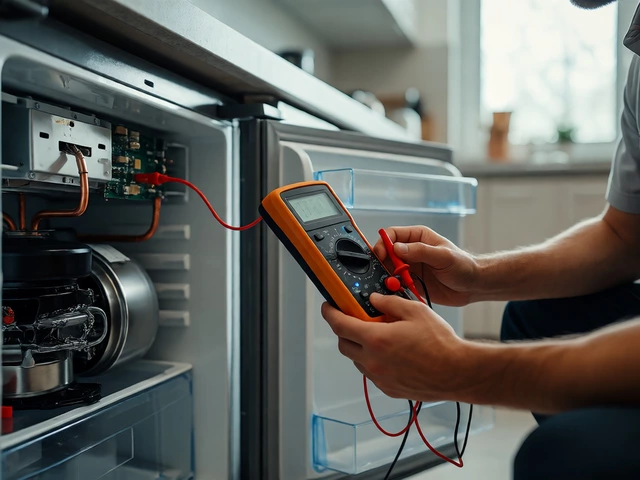
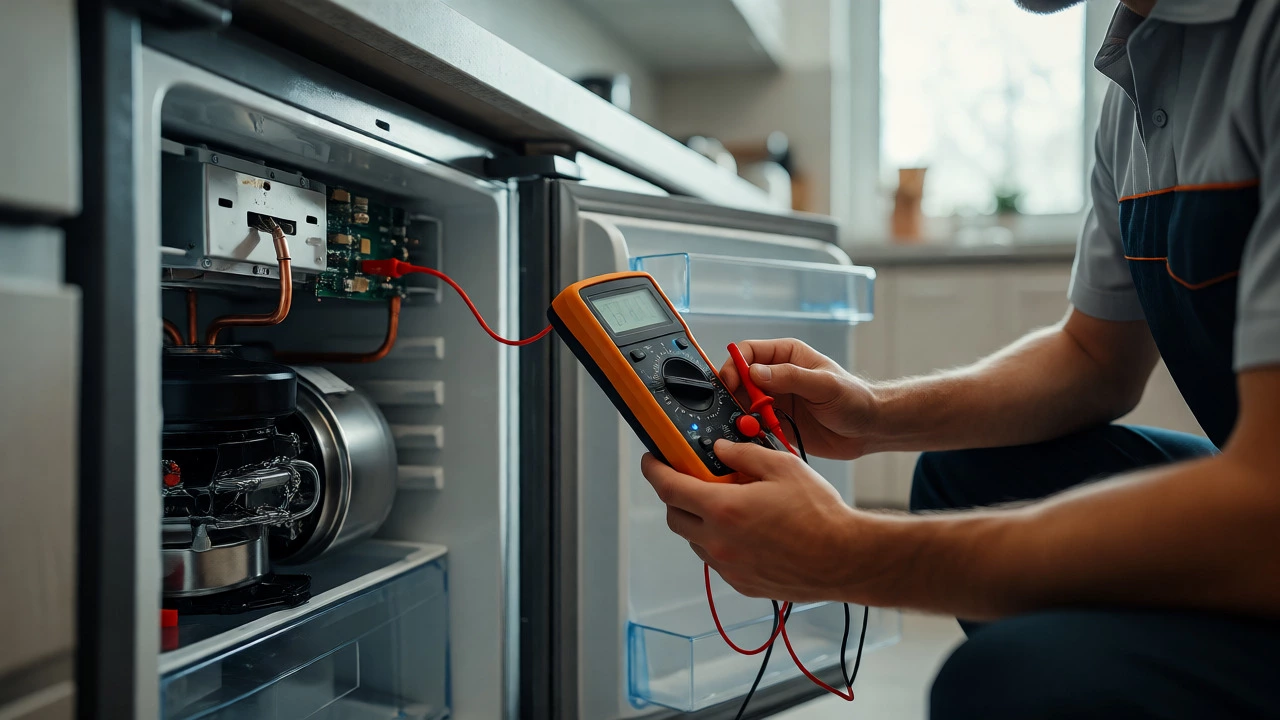
A typical day for an appliance specialist involves several distinct tasks. First, they handle diagnostics. Using multimeters, pressure gauges, and sometimes laptop-based diagnostic software, they identify faults. For instance, modern refrigerators often have error codes displayed on internal control boards. Reading these codes correctly prevents hours of unnecessary labor.
- Troubleshooting: Isolating the problem by testing voltage, continuity, and component function.
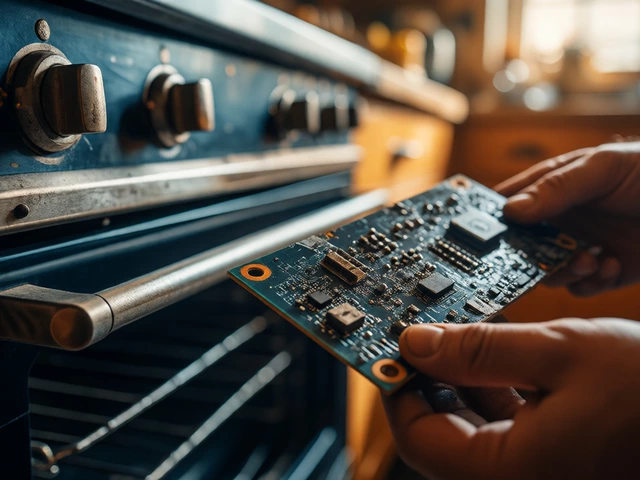
- Repair Execution: Replacing motors, compressors, heating elements, or circuit boards.
- Maintenance: Cleaning coils, checking seals, and lubricating moving parts to prevent future breakdowns.
- Customer Education: Explaining what went wrong and how to avoid repeating the mistake.
They also manage inventory. Carrying the right parts means fewer return trips. In cities like Vancouver, traffic delays make efficiency critical. A specialist who anticipates common failures for specific brands (like Samsung washers or Whirlpool ovens) arrives prepared, reducing your downtime.
Technical Skills That Separate Pros from Amateurs
What makes an appliance specialist different from a DIY enthusiast? It’s the depth of technical training. They understand HVAC principles that apply to fridges and freezers, including refrigerant handling and compressor cycles. They grasp electrical safety standards such as grounding requirements and GFCI protection, which are vital in wet environments like kitchens and bathrooms.
Consider a boiler issue. While some specialists focus strictly on appliances, many cross-train in basic boiler repair techniques because hot water systems often share infrastructure with dishwashers and washing machines. Understanding gas lines, venting, and combustion air helps them diagnose why a tankless water heater might fail intermittently.
| Feature | Appliance Specialist | General Handyman |
|---|---|---|
| Diagnostic Tools | Specialized meters, OEM scanners | Basic screwdrivers, pliers |
| Parts Knowledge | Brand-specific model numbers | Generic hardware store items |
| Warranty Handling | Familiar with manufacturer claims | Rarely manages warranties |
| Safety Certifications | Often holds gas/electrical tickets | Varies widely |
Why Specialization Matters for Specific Appliances
Not all appliances are created equal. A fridge repair involves sealed systems where improper handling can lead to refrigerant leaks or compressor burnout. Compare this to an oven repair, where high-voltage elements and thermostats require careful calibration to ensure even cooking temperatures.
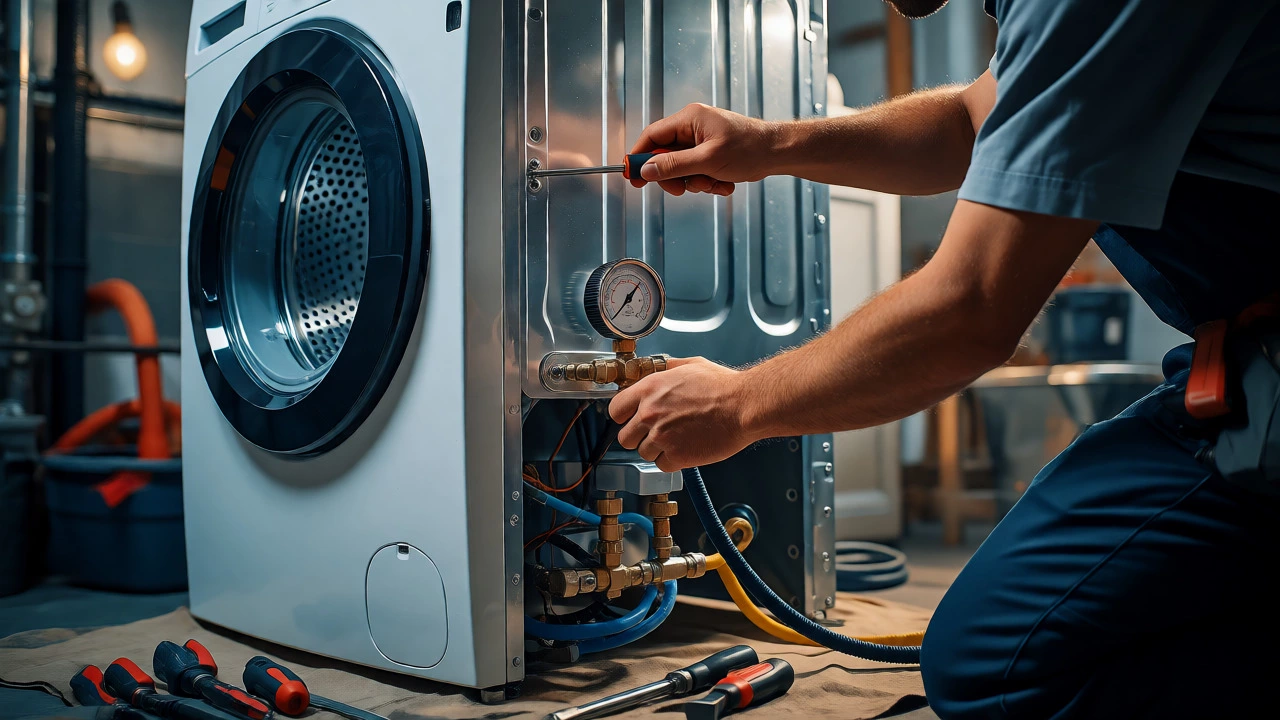
Take dryers, for example. Many homeowners ignore lint buildup until the machine overheats. A specialist knows that restricted airflow doesn't just slow drying-it increases fire risk. They check the entire exhaust path, including wall vents, something a casual observer might miss. Similarly, with washing machine repair, they assess drum bearings and shock absorbers, ensuring the machine remains balanced during high-speed spins.
This specificity extends to newer smart appliances. Modern devices connect to Wi-Fi and use app-based controls. Troubleshooting these requires both mechanical insight and IT literacy. Can the module communicate with the router? Is the firmware outdated? These questions fall squarely in the lap of a modern appliance specialist.
The Business Side: Service, Safety, and Trust
Beyond technical skills, an appliance specialist acts as a trusted advisor. They provide transparent estimates before starting work. No one likes surprise bills. By explaining the cost-benefit analysis of repair versus replacement, they help you make informed decisions. If your ten-year-old dishwasher costs $400 to fix but only $600 to replace, they’ll tell you straight up.
Safety is another pillar. Gas appliances, such as ranges and boilers, involve combustion risks. Improper installation or repair can lead to carbon monoxide poisoning. Specialists adhere to local building codes and safety regulations. In Canada, this often means holding valid tickets for gas fitting or electrical work, depending on provincial laws.
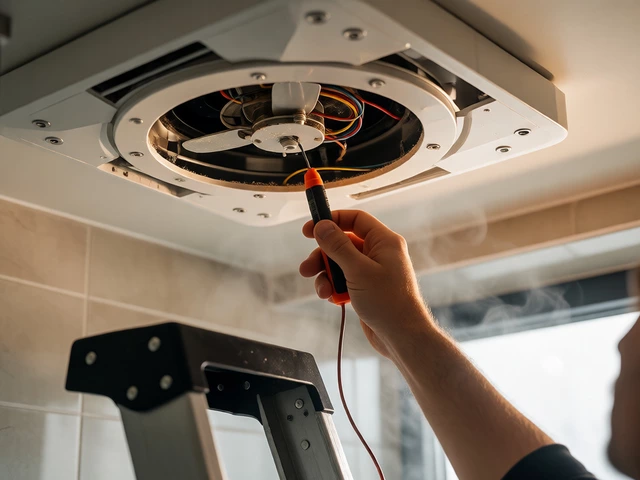
They also prioritize cleanliness. Professional technicians wear shoe covers, lay down drop cloths, and clean up debris. This respect for your home builds long-term relationships. You’re more likely to call the same tech for annual maintenance if they left your kitchen spotless after fixing the extractor fan.

When to Call an Appliance Specialist
How do you know when it’s time to pick up the phone? Here are clear indicators that you need professional help rather than a YouTube tutorial:
- Error Codes: Your digital display shows a code you can’t reset.
- Electrical Issues: The unit trips the breaker or smells like burning plastic.
- Water Leaks: Persistent moisture under the fridge or dishwasher indicates seal or pump failure.
- Noise Changes: Grinding, squealing, or banging sounds suggest mechanical wear.
- Inefficiency: Clothes take twice as long to dry, or food spoils faster than usual.
Ignoring these signs often leads to bigger problems. A small leak can rot subflooring. A failing motor can burn out completely, costing double to replace later. Early intervention by a specialist preserves both the appliance and your home structure.
Related Concepts and Future Trends
The role of an appliance specialist is evolving. As homes become smarter, technicians must learn about IoT integration. Remote diagnostics allow some issues to be identified before arrival, speeding up service times. Additionally, sustainability plays a larger role. Repairing instead of replacing reduces e-waste. Specialists now often discuss energy-efficient upgrades, helping clients lower utility bills while extending device life.
Understanding related fields enhances their value. Knowledge of home improvement projects ensures they can coordinate with contractors during renovations, preventing damage to new installations. Familiarity with technology trends helps them support smart home ecosystems, integrating appliances into broader automation setups.
Do I need a specialist for every appliance repair?
Not necessarily. Simple fixes like cleaning filters or resetting breakers can be done by homeowners. However, for electrical faults, gas connections, sealed systems (like fridges), or complex electronics, a specialist’s training ensures safety and correct diagnosis.
How much does an appliance specialist charge?
Costs vary by region and complexity. Typically, you pay a service call fee plus hourly labor rates. Parts are billed separately at retail prices. Always ask for a quote upfront to avoid surprises.
Can an appliance specialist fix my HVAC system too?
Many do, especially if they hold relevant certifications. Since fridges and AC units share similar refrigeration principles, cross-skilling is common. However, large central HVAC systems might require a dedicated HVAC contractor.
Is it worth repairing old appliances?
It depends on age and repair cost. A rule of thumb: if the repair exceeds 50% of the replacement cost, consider buying new. Also, older models may lack energy efficiency features found in current units.
What should I look for when hiring an appliance specialist?
Check for proper licensing, insurance, and positive reviews. Ask if they carry common parts for your brand. Clear communication and transparent pricing are also key indicators of professionalism.