Dryer Repair vs. Replace Calculator
Enter Your Details
Enter your details and click "Analyze Options" to see if you should repair or replace your dryer.
Does Your Dryer Have an Expiration Date?
You pull a load of laundry out of the machine, and it’s still damp. The drum spins, but the heat feels weak, or maybe the whole unit is making a noise that sounds like a blender crushing ice. Before you rush out to buy a new tumble dryer a household appliance designed to remove moisture from wet clothes using heated air, you might be asking yourself: Is this thing just old, or is it broken? Knowing the average lifespan of your dryer can save you hundreds of dollars in unnecessary repairs or prevent you from buying a replacement too early.
The short answer is that most modern dryers last between 10 and 13 years. However, this number isn't set in stone. A well-maintained condenser dryer might push past the 15-year mark, while a neglected vented model could give up the ghost in five years. Understanding what drives this timeline helps you decide whether to call a technician or start shopping for a new unit.
Factors That Determine How Long Your Dryer Survives
Not all dryers are created equal, and not all households treat them the same. Several key variables dictate whether your appliance will hit double digits or fail prematurely.
- Type of Dryer: Vented dryers, which expel moist air through a hose to the outside, generally have simpler mechanics and often last longer than condenser or heat pump models. Heat pump dryers are more energy-efficient but contain complex refrigeration components that can fail sooner.
- Usage Frequency: If you’re running four loads a day for a family of six, your dryer accumulates wear much faster than a single person running one load every few days. Manufacturers rate appliances based on standard cycles; exceeding that volume accelerates motor and bearing degradation.
- Maintenance Habits: This is the biggest wildcard. Cleaning the lint filter after every use and inspecting the exhaust vent annually prevents overheating and fire hazards, extending the life of the heating element and motor.
- Build Quality: Premium brands often use stainless steel drums and heavier-duty motors compared to budget models with plastic components. While the upfront cost is higher, the longevity can justify the investment.
Signs Your Dryer Is Nearing the End of Its Life
Sometimes, age isn't the only factor. You need to watch for specific symptoms that indicate internal failure. Ignoring these signs can lead to complete breakdowns or even safety risks.
| Symptom | Possible Cause | Repair Worth It? |
|---|---|---|
| Clothes remain damp after full cycle | Faulty thermostat, blocked vent, or failing heating element | Yes, if under 7 years old |
| Loud banging or screeching noises | Worn drum rollers, damaged belt, or failing bearings | Maybe; depends on cost vs. age |
| Overheating or burning smell | Lint buildup, faulty thermal fuse, or electrical issue | Immediate attention required |
| Won't start or turn off randomly | Door switch failure, control board issues, or power supply problem | Often yes; simple fixes exist |
| Takes excessively long to dry | Inefficient heating element or restricted airflow | Check vent first; then assess repair |
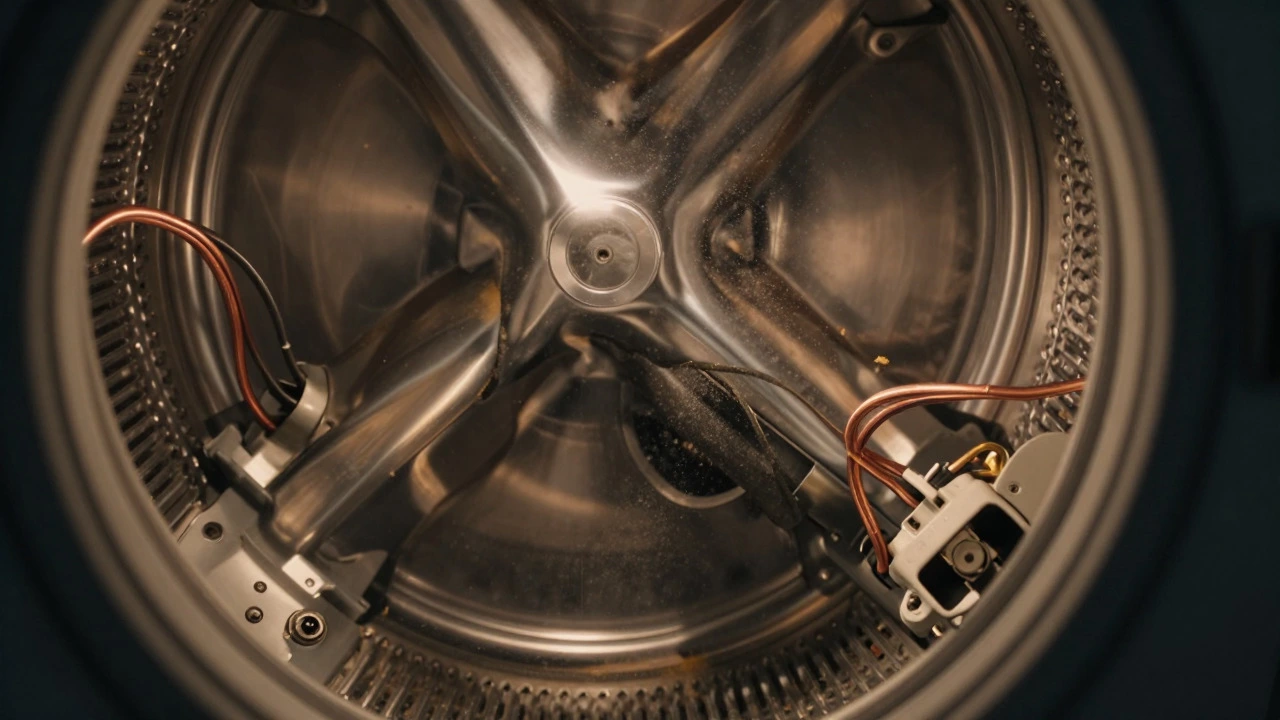
If your dryer is over ten years old and exhibiting multiple issues, repair costs may outweigh the benefit. For instance, replacing a control board can cost $150-$300, plus labor. If the motor also fails soon after, you’ve spent nearly half the price of a new machine.
Repair vs. Replace: Making the Smart Financial Choice
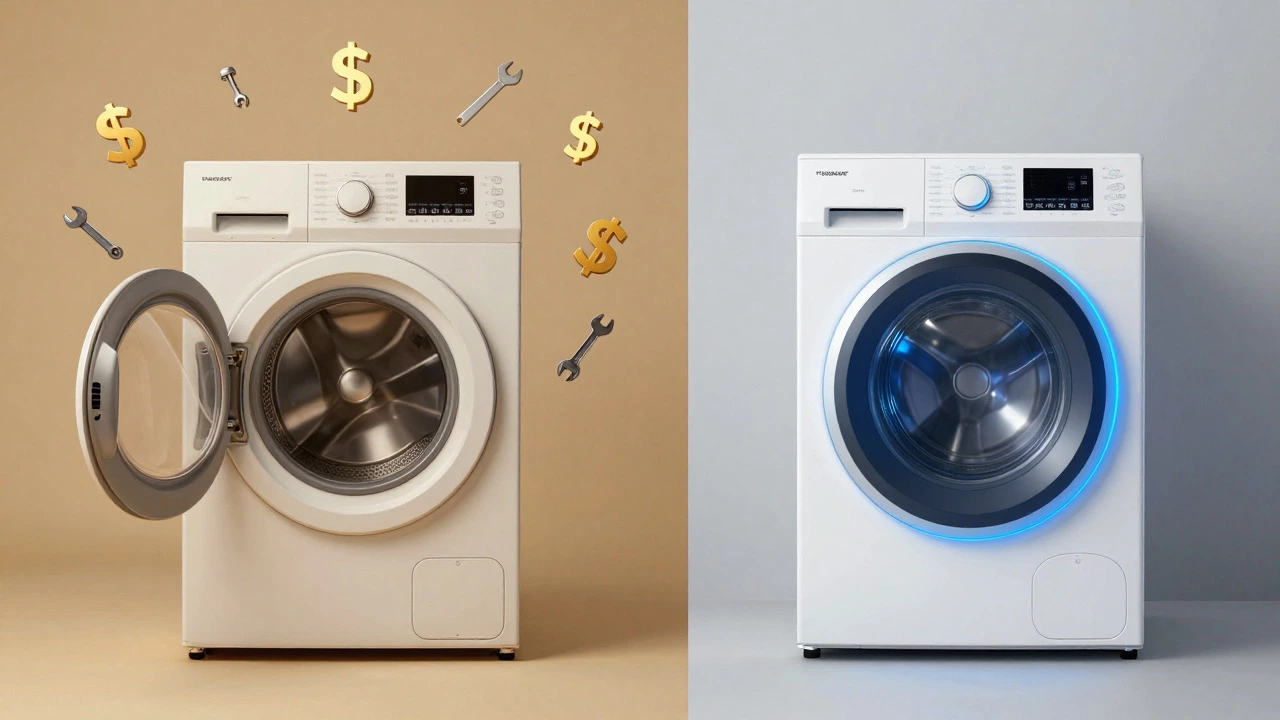
Deciding whether to fix or replace your dryer comes down to a simple calculation. Use the "50% Rule": if the repair cost exceeds 50% of the price of a new comparable unit, and the appliance is more than halfway through its expected lifespan, replacement is usually the better option.
Consider this scenario: Your 12-year-old dryer needs a new heating element ($80 part) and labor ($100). Total: $180. A new mid-range dryer costs around $600. Since $180 is less than 50% of $600, repair makes sense-provided no other major components are failing. But if the drum seal is also cracked, adding another $150, the total jumps to $330. Now you’re spending more than half the cost of a new machine on an aging unit. Replacement becomes the logical choice.
Also factor in energy efficiency. Older dryers consume significantly more electricity or gas than modern heat pump or high-efficiency condenser models. Upgrading can reduce utility bills by 20-30%, offsetting the purchase price over time.
How to Extend Your Dryer’s Lifespan
You don’t have to wait for failure to act. Proactive maintenance can add several years to your dryer’s life. Here’s what you should do regularly:
- Clean the lint filter every time: It seems obvious, but many people skip this. Lint restricts airflow, forcing the heater to work harder and increasing fire risk.
- Inspect the exhaust vent quarterly: Remove the vent hose from the back of the dryer and check for lint accumulation. Use a vacuum attachment or a specialized vent brush to clear blockages.
- Don’t overload the drum: Overstuffing strains the motor and belt, leading to premature wear. Leave room for clothes to tumble freely.
- Use the correct settings: Delicate fabrics don’t need high heat. Using lower temperatures reduces stress on the heating element and prevents fabric damage.
- Level the machine: An unlevel dryer vibrates excessively, causing wear on the suspension system and drum supports. Adjust the feet until the unit sits firmly without rocking.
When to Call a Professional Technician
Some problems are DIY-friendly, like cleaning filters or replacing a door switch. Others require expertise. If you notice sparking, frequent tripping of circuit breakers, or unusual odors, shut off the power immediately and call a professional. Electrical faults can be dangerous if mishandled.
A qualified technician can diagnose issues quickly and provide honest advice about repair viability. Look for certified professionals who offer warranties on their work. Avoid generic handymen for complex appliance repairs; they may lack the specific training needed for modern electronic controls.
Choosing a Replacement Dryer
If you decide to replace your dryer, consider your household’s needs. Do you prefer the convenience of a washer-dryer combo? Or do you need the capacity of a standalone unit? Heat pump dryers are gaining popularity due to their energy savings, but they come at a higher upfront cost. Vented models remain affordable and reliable for those with proper exterior venting options.
Research brands known for durability and customer service. Read reviews focusing on long-term performance rather than initial features. Remember, the goal is finding a machine that will serve you reliably for the next decade, not just look good in the showroom.
What is the average lifespan of a tumble dryer?
The average lifespan of a tumble dryer is between 10 and 13 years. However, with proper maintenance and moderate usage, some units can last up to 15 years or more.
How can I tell if my dryer is dying?
Signs include clothes remaining damp after cycles, loud noises during operation, overheating, frequent breakdowns, and taking longer to dry loads than usual.
Is it worth repairing an old dryer?
If the repair cost is less than 50% of the price of a new dryer and the unit is under 10 years old, repair is often worthwhile. For older units, replacement may be more cost-effective.
Do heat pump dryers last longer than vented dryers?
Heat pump dryers are more complex and may have shorter lifespans due to additional components like compressors. Vented dryers have simpler mechanics and often last longer, though they are less energy-efficient.
How often should I clean the dryer vent?
You should clean the dryer vent at least once a year. If you use the dryer frequently, consider cleaning it every six months to prevent lint buildup and ensure efficient operation.