Oven Repair vs. Replace Calculator
Analysis Result
Enter your oven details and click analyze to see if you should repair or replace.
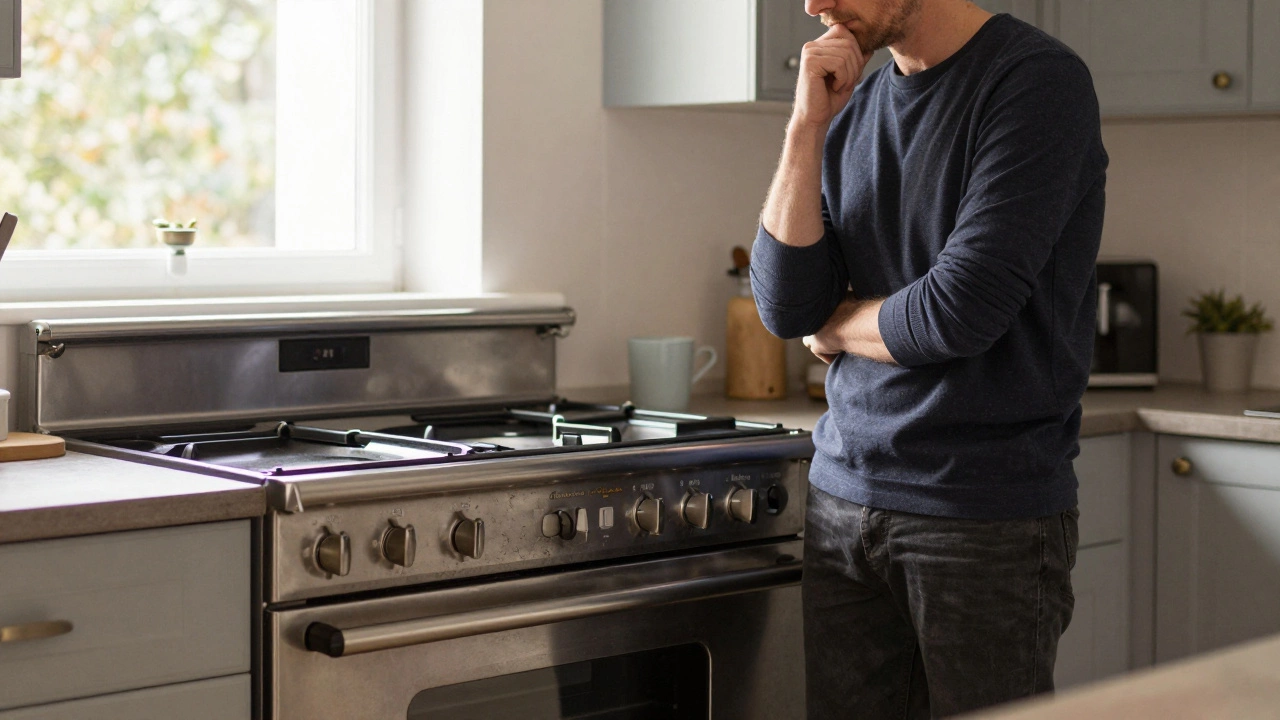
You stand in front of your kitchen, staring at a stove that takes forever to heat up or has a door that sticks. You wonder if you should just call a technician for a quick fix or if it is time to buy a new one. The answer isn't always obvious. Knowing the life expectancy of an oven can save you hundreds of dollars in unnecessary repairs and help you plan your budget better.
Most standard ovens last between 10 and 15 years. However, this number shifts depending on whether you have a gas or electric model, how often you use it, and the quality of the brand. If your oven is pushing past the 15-year mark, you are likely running on borrowed time. Understanding these timelines helps you decide when to invest in a repair and when to cut your losses.
Gas vs. Electric Ovens: Which Lasts Longer?
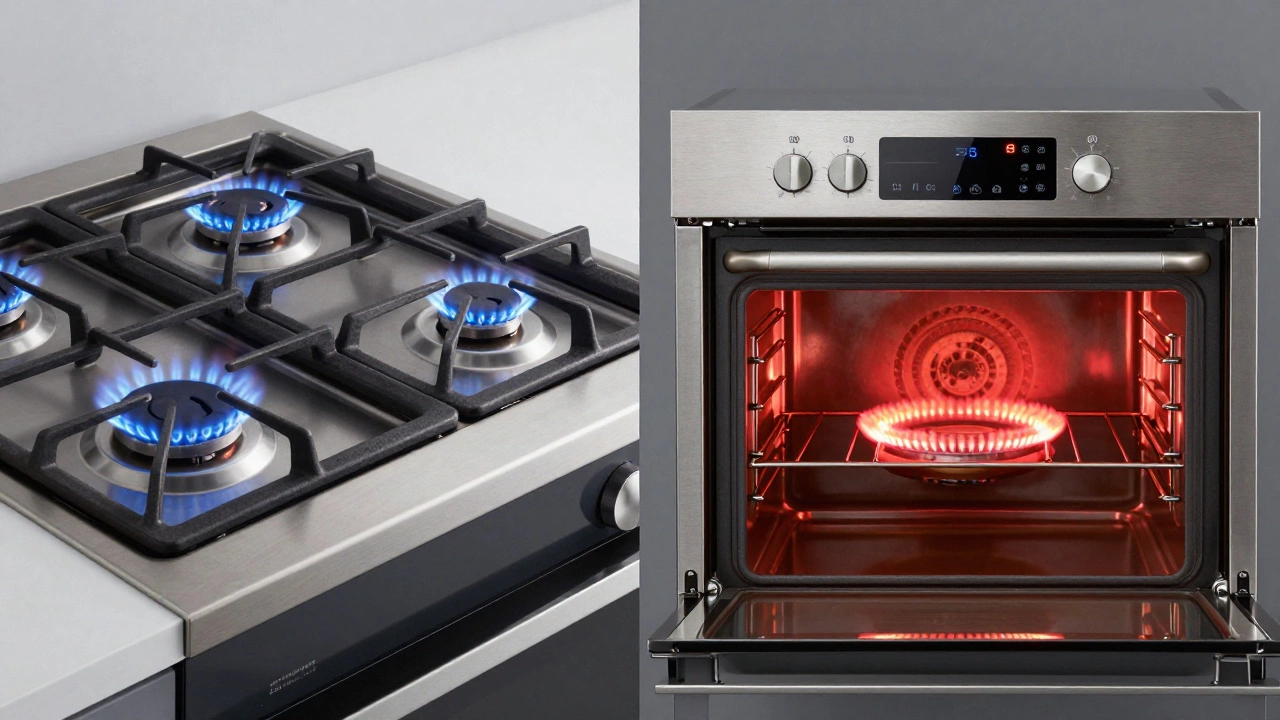
The type of fuel your oven uses plays a huge role in its longevity. Gas ovens generally outlast their electric counterparts. A typical gas oven is a cooking appliance that uses natural gas or propane to generate heat for baking and roasting lasts about 15 years on average. Some high-end models can even reach 20 years with proper care.
Electric ovens, which rely on heating elements inside the cavity, usually have a shorter lifespan of 10 to 12 years. The heating coils in electric ovens degrade over time due to constant expansion and contraction from heating cycles. This physical stress causes them to break or become inefficient faster than the burners in a gas unit.
| Oven Type | Average Lifespan | Common Failure Points |
|---|---|---|
| Gas Oven | 15-20 years | Igniter, burner tubes, thermostat |
| Electric Oven | 10-12 years | Heating elements, control board, door switch |
| Built-in Wall Oven | 10-13 years | Electronic controls, glass door seals |
| Freestanding Range | 13-15 years | Stove top burners, knobs, timer |
Signs Your Oven Is Near the End of Its Life
Just because an oven hasn't hit the 15-year mark doesn't mean it's healthy. Several warning signs indicate that your appliance is failing. Ignoring these signs can lead to safety hazards or ruined meals.
- Inconsistent Heating: If your cookies burn on one side and remain raw on the other, your thermostat or heating element is failing. This is common in older electric ovens where the sensors lose calibration.
- Strange Noises: Clicking, buzzing, or popping sounds that weren't there before often point to electrical issues or a failing fan motor. In gas ovens, a loud clicking without ignition suggests a bad igniter.
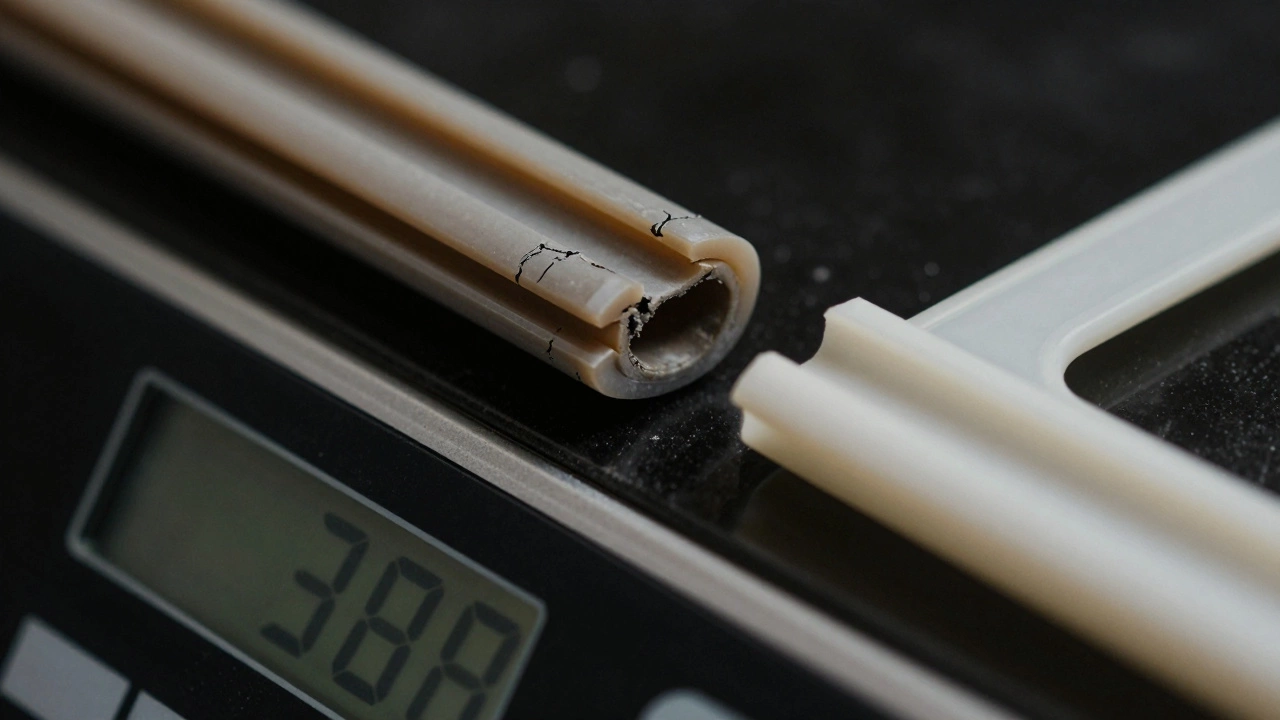
- Door Seal Issues: The gasket around the oven door keeps heat inside. If it cracks or tears, heat escapes, forcing the oven to work harder and longer. This increases energy bills and wears out components faster.
- Frequent Repairs: If you've called a technician more than twice in the last year, it's time to think about replacement. The cumulative cost of parts and labor will soon exceed the price of a new mid-range oven.
- Display Glitches: Modern ovens have digital control boards. If the screen flickers, shows error codes constantly, or loses memory settings, the main computer is likely dying. These boards are expensive to replace.
Factors That Shorten Oven Lifespan
Not all ovens age at the same rate. How you treat your appliance matters just as much as the brand you bought. Several factors can drastically reduce the expected life of your oven.
Heavy Usage: Professional bakers or families who cook three hot meals every day put more strain on their ovens than light users. Each heating cycle stresses the internal components. An oven used daily for heavy roasting will wear out faster than one used occasionally for baking bread.
Lack of Cleaning: Grease and food residue build up on heating elements and fans. This buildup insulates the elements, causing them to overheat and fail prematurely. It also clogs vents, leading to poor airflow and uneven cooking. Regular cleaning extends the life of the interior mechanisms.
Poor Ventilation: Kitchens without adequate exhaust fans trap heat and moisture. This environment corrodes metal parts and damages electronic components over time. Ensuring your range hood works properly helps keep the oven cooler when not in use.
Voltage Fluctuations: In areas with unstable power grids, voltage spikes can damage the sensitive control boards in modern ovens. Using a surge protector for built-in ovens can prevent sudden failures caused by electrical surges.
Repair vs. Replace: Making the Right Decision
When your oven starts acting up, the big question is whether to fix it or buy a new one. There is no one-size-fits-all answer, but a simple rule of thumb can guide you. If the repair cost exceeds 50% of the price of a new oven, replacement is usually the smarter financial move.
Consider the age of the unit as well. If your oven is less than 7 years old and under warranty, repairing it makes sense. You still have many years of service left. However, if your oven is 12 years old and needs a $400 part, spending that money is risky. Another major component could fail next month, leaving you with a broken oven and empty pockets.
Newer ovens also offer significant efficiency improvements. Models from the last five years use convection fans and better insulation to cook food faster and use less energy. Upgrading can lower your monthly utility bills, offsetting the initial purchase cost over time.
Extending the Life of Your Current Oven
If your oven is still within its prime years, you can take steps to ensure it lasts as long as possible. Maintenance is key to preventing premature failure.
- Clean Spills Immediately: Don't let sugar or cheese bake onto the floor of the oven. Acidic foods can corrode the enamel coating, leading to rust and structural weakness.
- Check the Door Gasket: Inspect the seal around the door once a year. Wipe it clean with warm soapy water. If you see gaps or cracks, replace the gasket. It's a cheap part that saves energy.
- Avoid Thermal Shock: Never place a cold pan into a preheated oven or spray water on a hot surface. Rapid temperature changes can crack glass doors and warp metal racks.
- Calibrate the Temperature: Use an oven thermometer to check if your oven is cooking at the right temperature. If it's off by more than 25 degrees, adjust the calibration setting in the menu or call a pro to recalibrate the sensor.
- Use Self-Cleaning Sparingly: The self-clean cycle reaches extremely high temperatures (up to 900°F). While effective, it puts intense stress on the door hinges, seals, and insulation. Limit self-cleaning to once or twice a year.
Choosing a New Oven: What to Look For
If you decide to replace your oven, focus on reliability and features that match your cooking style. You don't need the most expensive model to get a long-lasting appliance.
Look for brands with strong reputations for durability. Brands like Bosch, GE, and Whirlpool often rank high for customer satisfaction and longevity. Read reviews specifically mentioning "reliability" and "after-sales support." Avoid trendy models with too many complex electronics if you prefer simplicity; fewer moving parts mean fewer things to break.
Consider the installation type. Freestanding ranges are easier to install and replace, while built-in wall ovens require custom cabinetry. If you rent or plan to move soon, a freestanding model is more flexible. For homeowners looking to upgrade their kitchen permanently, a double wall oven offers convenience and space.
How long does a gas oven last compared to an electric one?
A gas oven typically lasts 15 to 20 years, while an electric oven lasts 10 to 12 years. Gas ovens have fewer complex heating elements and tend to be more durable over time.
Is it worth repairing a 15-year-old oven?
Generally, no. At 15 years old, an oven is at the end of its expected lifespan. Major repairs are likely to be followed by other failures soon. Replacing it is usually more cost-effective and safer.
What is the most common reason ovens fail?
The most common failures are related to heating elements in electric ovens and igniters in gas ovens. Control board failures are also frequent in modern digital ovens due to electrical surges or age.
Can cleaning extend the life of my oven?
Yes. Regular cleaning prevents grease buildup on heating elements and fans, which can cause overheating and inefficiency. Keeping the door seal clean also ensures proper heat retention.
Do built-in ovens last longer than freestanding ranges?
Built-in ovens often have higher-quality components but may have slightly shorter lifespans (10-13 years) due to complex electronic controls. Freestanding ranges are simpler and can last 13-15 years.