Extractor Fan Cost Calculator
Estimate costs for bathroom or kitchen extractor fan installation and repair in Vancouver. Enter your details below for an accurate quote.
Ever turned on your extractor fan and heard nothing but silence? Or worse - a loud rattling that sounds like it’s about to fall out of the ceiling? You’re not alone. In homes across Vancouver, extractor fans are the silent heroes of moisture control, but when they break or need replacing, most people have no idea who to call. It’s not like fixing a light switch. You can’t just grab a screwdriver and wing it. So who actually puts in extractor fans? The answer isn’t always obvious.
Extractor Fans Aren’t Just Plugged In
People often think extractor fans are like ceiling lights - plug it in, screw it in, done. But that’s not true. A proper extractor fan installation involves ductwork, electrical wiring, structural cuts, and sometimes venting through exterior walls or roofs. If it’s not done right, you’ll get mold, condensation damage, or even a fire hazard from overheated wiring.In a typical Vancouver bathroom, the fan needs to move at least 50 cubic feet per minute (CFM) of air to meet building code. That means the duct must be properly sized - usually 4-inch rigid metal ducting, not flexible plastic. And it must slope slightly toward the outside to prevent water pooling. Most DIYers don’t know this. And if they try, they end up calling a pro anyway - after the ceiling starts dripping.
Who Installs New Extractor Fans?
The short answer: electricians and HVAC technicians handle most installations. But here’s the breakdown:- Electricians - They’re the go-to if you’re replacing a fan in the same spot and just need new wiring, a switch, or a timer. They’re licensed to work inside walls and panels, and they know how to connect the fan to your home’s circuit without overloading it.
- HVAC technicians - If you’re installing a high-power kitchen extractor or a whole-house ventilation system, you need someone who understands airflow, static pressure, and duct sizing. They’ll also check if your home has proper makeup air - something many older homes in Vancouver lack.
- General contractors - If you’re doing a full bathroom remodel, they’ll often subcontract the fan install to an electrician or HVAC pro. But they’ll coordinate the whole job - cutting the hole, framing, drywall repair, and finishing.
- Plumbers - Rarely. Unless your fan is tied into a bathroom vent stack (which is outdated and usually against code now), plumbers don’t touch extractor fans.
Here’s a real example from a home in Kitsilano: A homeowner bought a fancy new bathroom fan with Bluetooth controls and LED lighting. They tried installing it themselves. The fan worked, but after two weeks, mildew appeared on the shower tiles. An HVAC tech found the duct was kinked, the vent terminated inside the attic, and the fan was only moving 20 CFM - less than half the code requirement. The fix? New ducting, proper roof penetration, and a 90 CFM fan. Cost: $850. The DIY attempt? $0 - until the drywall had to be replaced.
What About Repairing an Existing Fan?
If your fan is making noise, not pulling air, or turning on and off randomly, you might not need a full replacement. Often, it’s just the motor, capacitor, or bearings wearing out.Here’s what usually goes wrong:
- Motor failure - After 8-12 years, the motor burns out. Easy fix if you can find the model number.
- Dirty blades - Grease and dust build up, especially in kitchen fans. Cleaning can restore 80% of airflow.
- Loose wiring - Vibration over time loosens connections. That’s an electrician’s job.
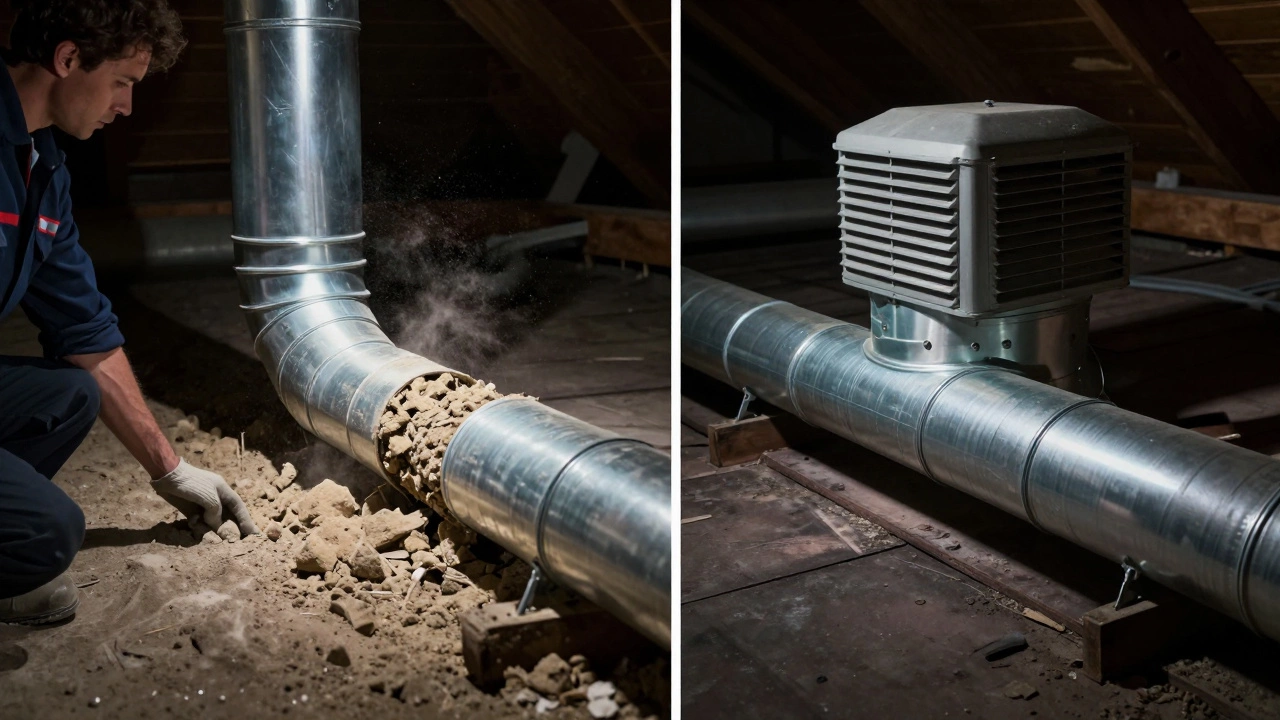
- Clogged duct - Bird nests, insulation, or collapsed ducts block airflow. This requires a duct inspection.
Most repair jobs take under an hour. But you need someone who knows how to safely disconnect power, test the capacitor with a multimeter, and check if the fan is grounded. A bad ground can shock you - and it’s surprisingly common in older homes.
Why You Shouldn’t DIY Unless You’re Trained
You might think, “I changed a light fixture - how hard can this be?” But extractor fans are different. Here’s why:- Electrical risk - Most fans run on 120V and are wired into a dedicated circuit. Messing up the neutral or ground can trip breakers or cause sparks.
- Structural risk - Cutting into ceiling joists or roof rafters without knowing what’s behind them can damage plumbing, wiring, or insulation.
- Code violations - Vancouver’s building code requires fans to vent directly outside. No recirculating fans allowed in bathrooms. If you install one anyway, you’re violating code - and your insurance won’t cover water damage from mold.
- Warranty void - Most manufacturers require professional installation. If you install it yourself and the fan fails, you’re out of luck.
I’ve seen too many cases where someone saved $200 by DIYing - then spent $2,000 fixing water damage from a poorly vented fan. The real cost isn’t the labor. It’s the rot behind the walls.
What to Look for in a Professional
Not every handyman is qualified. Here’s what to ask before hiring:- Do you have a valid electrical or HVAC license in British Columbia?
- Have you installed extractor fans in homes similar to mine? (Ask for photos.)
- Will you use rigid metal ducting, not flexible plastic?
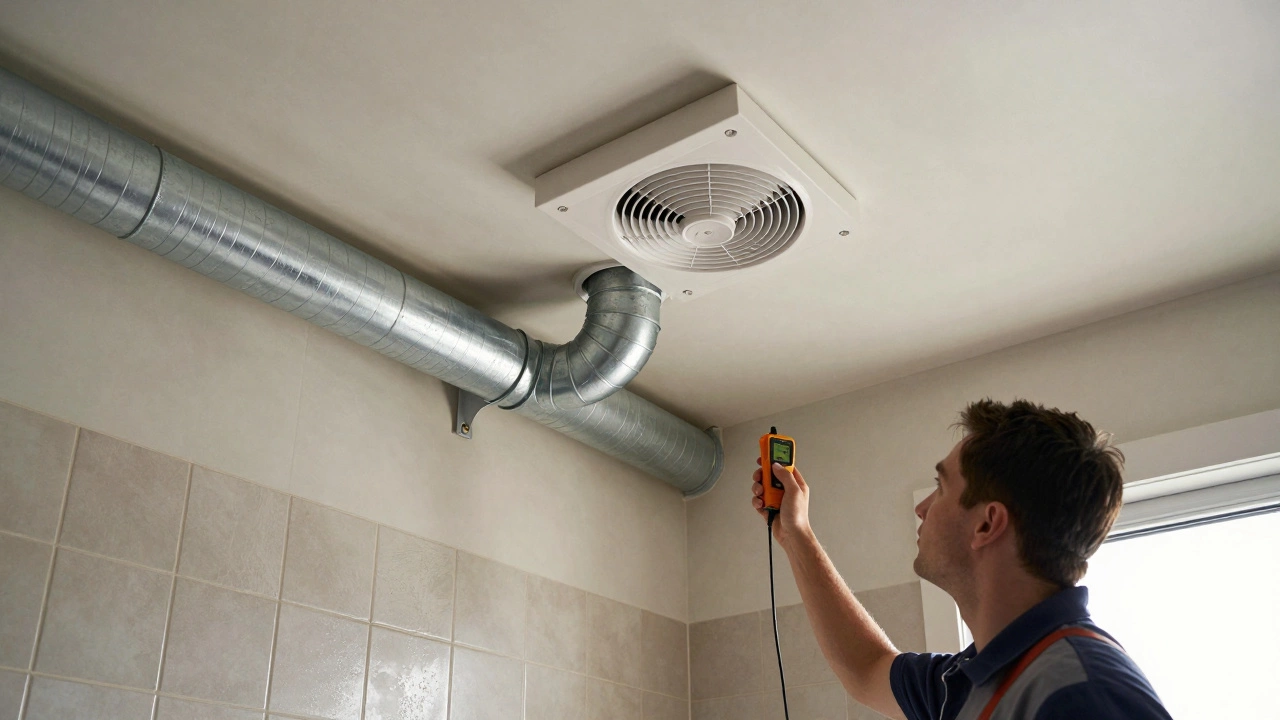
- Will you test airflow with a vane anemometer after installation?
- Do you pull a permit if required? (Most new installations do.)
Look for companies that specialize in ventilation systems, not just general repair. In Vancouver, many HVAC firms offer fan installation as part of indoor air quality packages. Ask if they test for humidity levels before and after - good pros will do this.
Cost Breakdown: What You’ll Pay in 2026
Prices vary by location and complexity, but here’s what you can expect in the Lower Mainland:| Service | Cost Range | Time Required |
|---|---|---|
| Simple fan replacement (same location) | $250-$450 | 1-2 hours |
| New fan + new ducting + roof vent | $600-$1,100 | 3-5 hours |
| Kitchen extractor fan (high-power, 600+ CFM) | $900-$1,800 | 4-6 hours |
| Fan repair (motor, capacitor, cleaning) | $150-$300 | 1 hour |
| Duct cleaning and inspection | $200-$400 | 2-3 hours |
Prices include labor, materials, and disposal. Most pros offer a 1-year warranty on labor. Don’t go cheap - a $150 job might mean a $1,000 repair next year.
When to Replace vs. Repair
Ask yourself these questions:- Is the fan over 10 years old? → Replace.
- Is it noisy even after cleaning? → Motor’s dying - replace.
- Does it take 10 minutes to clear steam? → Underpowered - upgrade.
- Is the duct sagging or full of dust? → Clean or replace ducting.
- Are you remodeling? → Install a new, quieter, energy-efficient model.
Modern fans are 40% quieter and use 30% less power than models from 2015. Look for Energy Star-rated units with humidity sensors. Some even turn on automatically when moisture rises.
What Happens If You Ignore It?
Ignoring a broken extractor fan isn’t just annoying - it’s dangerous.In Vancouver’s damp climate, poor ventilation leads to:
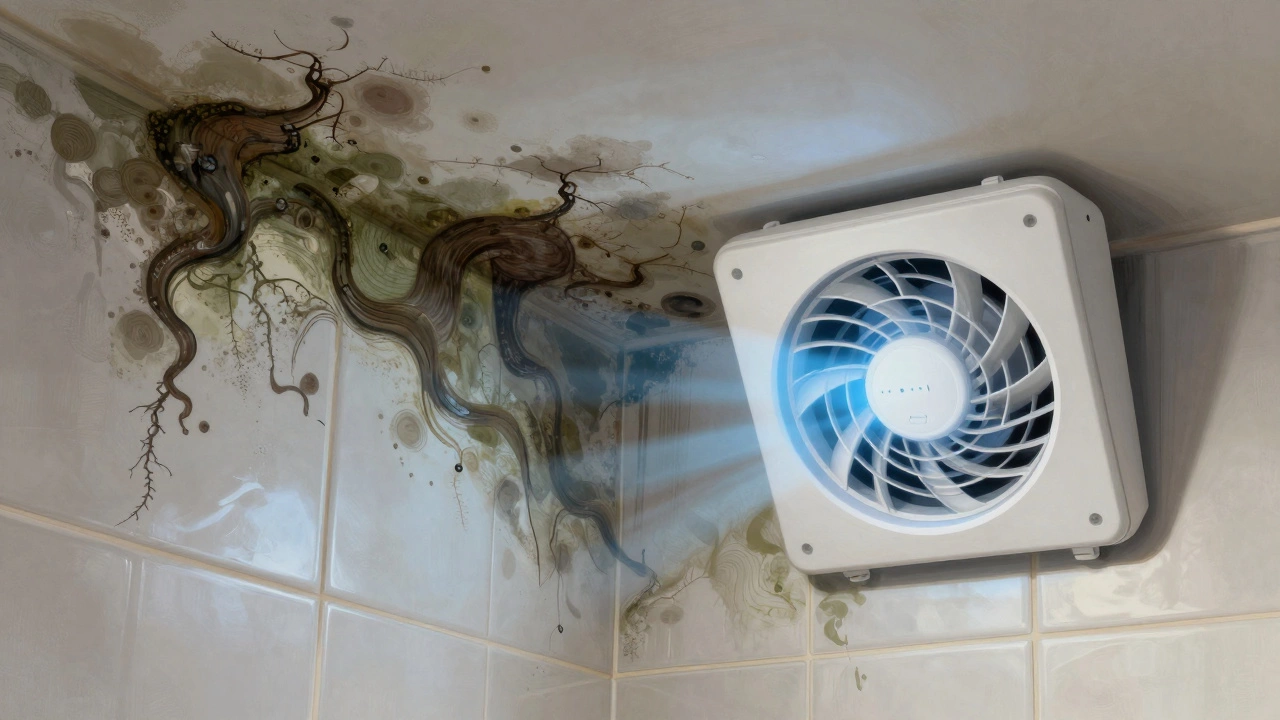
- Mold growth behind tiles and under flooring
- Peeling paint and warped wood
- Increased heating bills (wet air holds more heat)
- Respiratory issues from airborne spores
- Insurance claim denials for water damage
A 2023 study by the BC Centre for Disease Control found that homes with faulty bathroom ventilation had 3x higher mold levels than those with properly installed fans. That’s not a risk worth taking.
Can I install an extractor fan myself?
You technically can, but it’s not recommended unless you’re licensed in electrical work and understand building codes. Most DIY installations fail to meet Vancouver’s ventilation standards, leading to mold, code violations, and insurance issues. If you’re unsure, hire a pro - it’s cheaper than fixing the damage later.
Do I need a permit to install an extractor fan?
Yes, if you’re installing a new fan or moving the vent location. Permits ensure the work meets safety and ventilation codes. Most licensed electricians and HVAC technicians will handle the permit process for you. Skipping it can void your home insurance if damage occurs.
How often should I clean my extractor fan?
Clean the grille and blades every 3-6 months, especially in kitchens. Check the duct annually for blockages. If you have pets or cook heavily, clean more often. A clogged fan works harder, wears out faster, and uses more electricity.
What’s the difference between a bathroom fan and a kitchen extractor fan?
Bathroom fans are designed for moisture removal and usually move 50-90 CFM. Kitchen extractors handle grease, smoke, and heat - they need at least 150 CFM, often 400-600 CFM. They also require grease filters and are built with stainless steel. Don’t use a bathroom fan in the kitchen - it won’t handle the load and will fail quickly.
Why does my extractor fan turn on by itself?
That’s usually a sign of a humidity sensor or timer malfunction. Newer models have sensors that activate when moisture rises. If it’s happening randomly, the sensor may be dirty or faulty. Clean the sensor with a dry cloth. If it keeps happening, the control board may need replacement.
Next Steps
If your fan is acting up, don’t wait. Take a minute to test it: turn it on and hold a piece of tissue paper near the grille. If it doesn’t pull the paper firmly, airflow is weak. That’s your signal to call someone.Look for a local HVAC or electrical company with experience in residential ventilation. Ask for references. Check if they use digital airflow meters. Avoid anyone who says, “I’ll just plug it in.” Proper installation matters - not just for function, but for your health and your home’s value.