Oven Element Repair Cost Calculator
Estimate Your Repair Costs
Calculate your total oven element replacement cost based on your specific situation
Your Estimated Cost
Important Advice
⚠️ Common mistake: Replacing the wrong element can cause damage or fire hazards. Always verify your exact model number from the sticker inside the oven door or back panel.
Cost Savings Tip
Save 30-50%: Buying online from RepairClinic or AppliancePartsPros is often cheaper than local stores. Check part compatibility before purchasing.
Based on article: "How Much Does It Cost to Replace an Element in an Electric Oven?"
When your electric oven stops heating properly, the first thing you check is the element. It’s the most common failure point, and replacing it usually fixes the problem. But before you grab a screwdriver, you need to know what you’re getting into-especially the cost. Replacing an oven element isn’t complicated, but the price can vary wildly depending on your oven model, where you live, and whether you do it yourself or hire someone.
What Exactly Is an Oven Element?
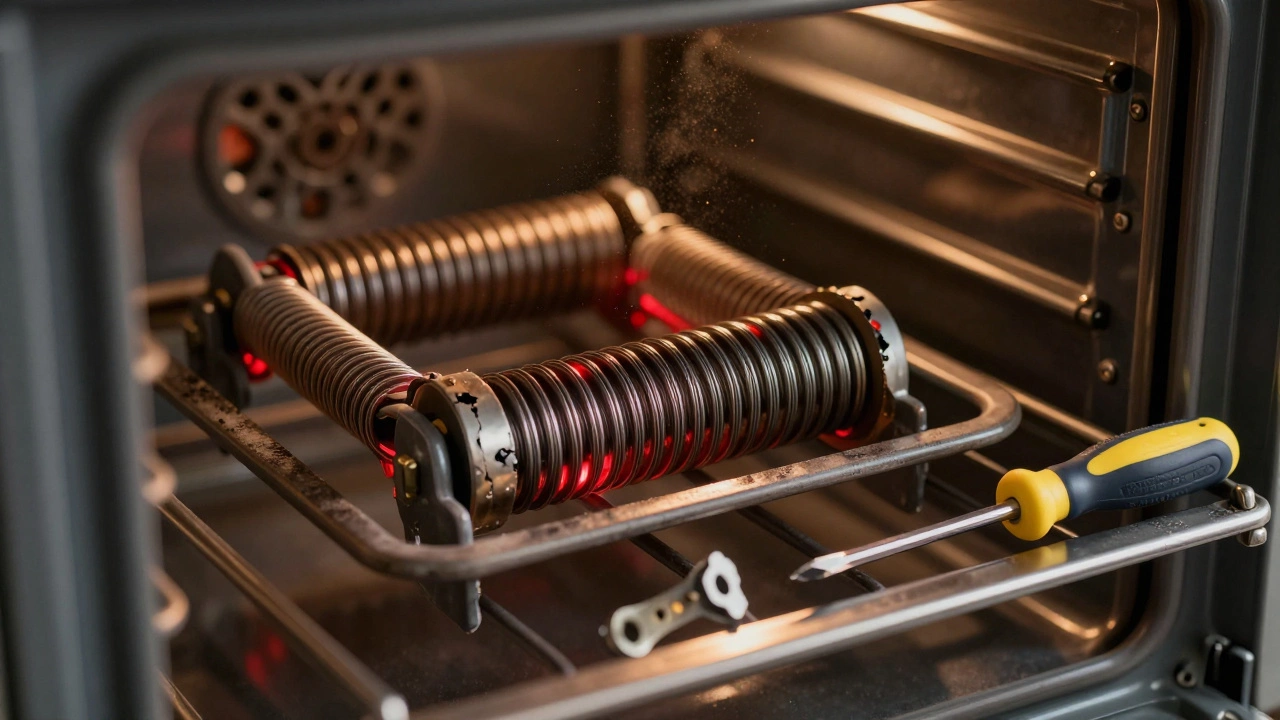
An electric oven has at least two heating elements: one on the bottom for baking and one on the top for broiling. Some ovens also have a convection element near the back fan. These are the long, coiled wires you see glowing red when the oven heats up. They’re made of nichrome, a metal alloy that resists heat and electricity. Over time, the constant expansion and contraction from heating cycles causes the element to crack or burn out. You’ll know it’s bad if your oven doesn’t heat evenly, takes forever to preheat, or shows no glow at all.
Cost of the Element Itself
The part alone can cost anywhere from $25 to $120. Why such a big range? It comes down to compatibility. A basic oven model from a brand like Frigidaire or GE might use a standard element that’s easy to find and cheap to replace. But if you have a high-end oven like Wolf, Viking, or Miele, the element is custom-made for that specific model. Those can cost $80 to $120, sometimes more. You can’t just buy any element that looks similar-you need the exact part number. Check your oven’s manual or look for a sticker inside the oven cavity that lists the model and serial number. Then search for the element using that number on sites like RepairClinic, AppliancePartsPros, or Amazon.
Labor Costs: DIY vs. Professional
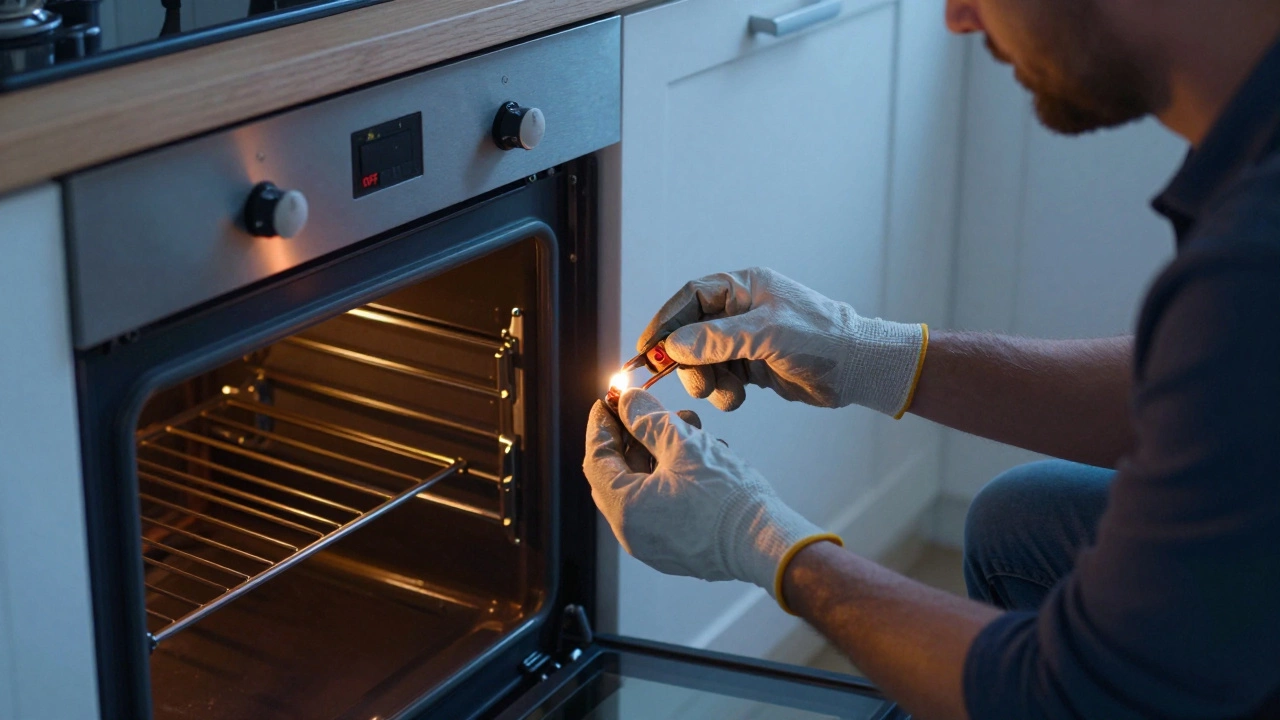
If you’re handy with tools, replacing the element yourself is straightforward. You’ll need a screwdriver, possibly a wrench, and about 30 minutes. Turn off the power at the breaker, pull the oven out, remove the back panel, disconnect the old element, and swap in the new one. Most elements plug in with two or three terminals. No wiring skills needed.
If you hire a technician, labor costs range from $80 to $150 in most Canadian cities, including Vancouver. That’s on top of the part cost. Some companies charge a service call fee of $50 to $75 just to show up, even if you end up buying the part from them. Others bundle the call fee into the labor rate. Always ask upfront: “Is the diagnostic fee waived if I hire you for the repair?”
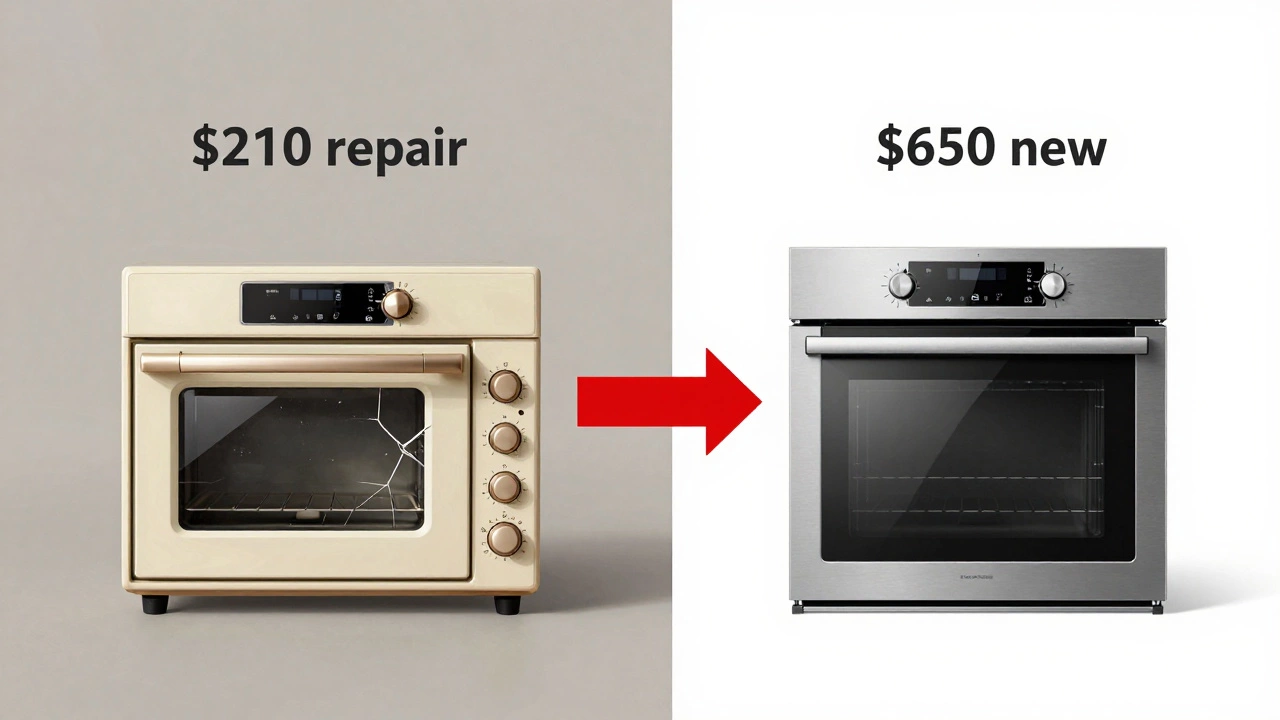
Here’s the thing: if you’re paying $120 for labor and $90 for the part, you’re looking at $210 total. That’s more than half the price of a new basic electric oven. So if your oven is older than 10 years, it’s worth asking if a full replacement makes more sense.
When Replacement Makes Sense (and When It Doesn’t)
Replacing an element is a smart fix if:
- Your oven is less than 10 years old
- Other features like the control panel, lights, and fan still work
- You’re not having other issues like uneven heating or strange smells
It’s probably not worth it if:
- Your oven is 15+ years old and has multiple failing parts
- The control board is glitchy or the display is dead
- You’re spending more than 50% of what a new oven costs
A mid-range new electric oven runs about $500 to $800. If your repair bill hits $400 or more, you’re flirting with the point of no return. Consider upgrading to a newer model with better energy efficiency and smart features. You’ll save on your electricity bill over time.
Common Mistakes People Make
Many people assume the element is broken because the oven isn’t heating. But sometimes the problem isn’t the element-it’s the thermostat, the relay board, or even a blown fuse in the control panel. That’s why some technicians charge for diagnosis. If you replace the element and it still doesn’t work, you’ve wasted money and time.
Another mistake: buying the wrong part. Don’t rely on pictures alone. Two elements might look identical, but one has a different wattage or connector type. Using the wrong one can damage your oven or create a fire hazard. Always match the part number exactly.
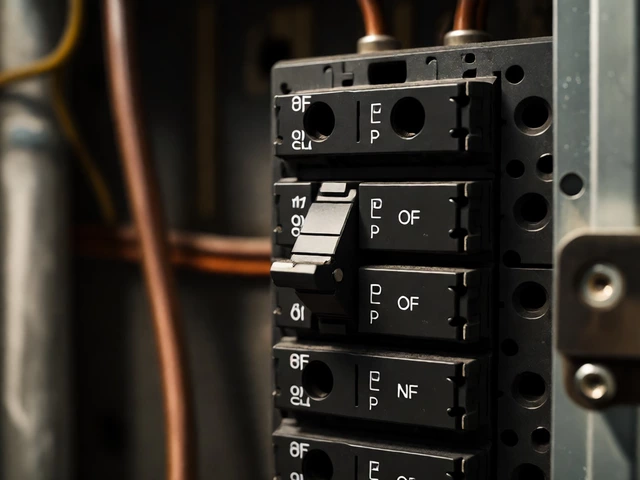
And never skip turning off the power. Even when the oven is off, the wiring behind it can still carry 240 volts. That’s enough to kill you. Always flip the breaker, not just the oven switch.
Where to Buy the Right Element in Canada
Local appliance repair shops often carry common parts, but their prices are usually higher than online retailers. Online stores like RepairClinic and AppliancePartsPros ship to Canada quickly and often have detailed installation videos. Amazon has a lot of options, but check the seller’s ratings and return policy. Avoid random third-party sellers on eBay unless they have a solid track record.
Some hardware stores like Home Depot or Rona carry generic oven elements, but they’re not always compatible. If you go this route, bring your old element with you to match the size, terminals, and mounting holes.
Real-World Example: Vancouver Repair Costs
Last month, a homeowner in Burnaby called a repair service because their oven wouldn’t heat. The technician diagnosed a failed bake element. The part cost $42, labor was $95, and there was no service fee. Total: $137. The oven was 8 years old and otherwise worked fine. They saved money and got another 5+ years out of it.
Compare that to a woman in North Vancouver who tried to replace her oven element herself. She bought the wrong part online because she guessed the model number. After two failed attempts and a $75 service call to fix her mistake, she ended up spending $210 and still didn’t fix the issue. She ended up buying a new oven.
How to Save Money on This Repair
- Do it yourself if you’re comfortable with basic tools
- Buy the part online-often 30-50% cheaper than local shops
- Call multiple repair services and ask for a flat rate, not hourly
- Check if your home warranty or credit card offers appliance repair coverage
- Wait for sales: appliance parts often go on sale in January and September
Most people think appliance repair is expensive. But for a single element, it’s usually one of the cheapest fixes you can make. Just make sure you’re fixing the right thing-and that you’re not throwing good money after bad.
How Long Do Oven Elements Last?
On average, oven elements last 5 to 10 years. Heavy use, frequent cleaning with harsh chemicals, or power surges can shorten that life. If you notice the element turning dull or flaking, it’s starting to fail. Replace it before it stops working completely.
What to Do If the Element Keeps Failing
If you’ve replaced the element twice in under two years, there’s a deeper issue. It could be a faulty thermostat sending too much power, a bad control board, or wiring problems. In that case, a technician should test the voltage going to the element. If it’s spiking above 240 volts, the control system is damaged. Replacing the element again won’t help-you’ll just burn out the next one.
Can I replace an oven element myself?
Yes, most people can replace an oven element in under 30 minutes with just a screwdriver. Turn off the power at the breaker, remove the back panel, unplug the old element, and plug in the new one. No wiring or soldering is needed. Just make sure you get the exact replacement part for your model.
How do I find the right replacement element?
Look for the model and serial number on a sticker inside the oven door or on the back of the oven. Use that number to search for the part online at RepairClinic, AppliancePartsPros, or Amazon. Never guess-using the wrong element can cause damage or be unsafe.
Why is my oven not heating even after replacing the element?
If the oven still doesn’t heat after replacing the element, the problem could be a faulty thermostat, control board, relay, or wiring issue. The element might not be getting power. A technician can test the voltage at the element terminals to diagnose the real cause.
Is it cheaper to repair or replace an old electric oven?
If the repair costs more than half the price of a new oven, replacement is usually the better choice. A new mid-range electric oven costs $500-$800. If your repair bill is over $400 and your oven is over 10 years old, consider upgrading for better efficiency and reliability.
How much does it cost to replace an oven element in Canada?
In Canada, the total cost ranges from $65 to $220. The part costs $25-$120, and labor runs $80-$150. DIY brings the cost down to just the part price. Service call fees may add $50-$75 if not waived. Prices vary by city, oven brand, and technician.
Final Thoughts
Replacing an oven element is one of the most cost-effective repairs you can make in your kitchen. For under $150, you can get your oven working like new again. But don’t rush into it without confirming the element is actually the problem. And don’t pay full price for labor if you can do it yourself. Keep your oven running longer, save money, and avoid the hassle of buying a whole new appliance.