Water Heater Troubleshooting Wizard
Follow this step-by-step wizard to identify the most likely cause of your cold water issue. Always prioritize safety.
Diagnosis Complete
Recommended Next Steps:
Note: If you smell gas at any point, leave the area immediately and call your utility provider or a professional plumber. Do not use electrical switches.
Nothing ruins a morning faster than turning on the shower and getting blasted with freezing water. You wait five minutes, ten minutes, maybe even fifteen, but that stubborn hot water heater just sits there, silent and cold. It’s not just annoying; it’s a mystery you need to solve before your next load of laundry or dinner dishes pile up. The good news is that in most cases, this isn’t a catastrophic failure requiring a full replacement. It’s usually a tripped breaker, a extinguished pilot, or a faulty component that you can identify-and often fix-yourself.
Quick Summary / Key Takeaways
- Check the Power Source: For electric heaters, look for a tripped breaker or a popped reset button. For gas, check if the unit has power at all.
- Inspect the Pilot Light (Gas Models): If the pilot is out, relight it following the manufacturer’s instructions. If it won’t stay lit, the thermocouple might be dirty or broken.
- Test Thermostats (Electric Models): A failed upper or lower thermostat is a common culprit. Use a multimeter to check for continuity.
- Listen for Sounds: Clicking sounds may indicate a failing heating element or relay, while silence suggests an electrical break.
- Safety First: Always turn off power or gas before opening panels. If you smell gas, leave immediately and call a pro.
The Panic Moment: What Happens When It Doesn't Start?
You expect heat. You get ice. This disconnect between expectation and reality triggers immediate troubleshooting mode. But before you start pulling wires, let’s categorize your unit. Is it gas or electric? This distinction dictates every subsequent step. Gas units rely on combustion and a flame sensor system, while electric units depend on high-voltage resistance elements and thermostats. Mixing up the diagnostic steps here will send you down a rabbit hole of irrelevant parts.
Think of your water heater as a simple loop: Power enters, a signal says "heat," energy converts to heat, and water warms up. If any link in that chain breaks, the cycle stops. Our goal is to find that broken link efficiently, without replacing expensive parts based on guesses.
For Electric Heaters: The Silent Treatment
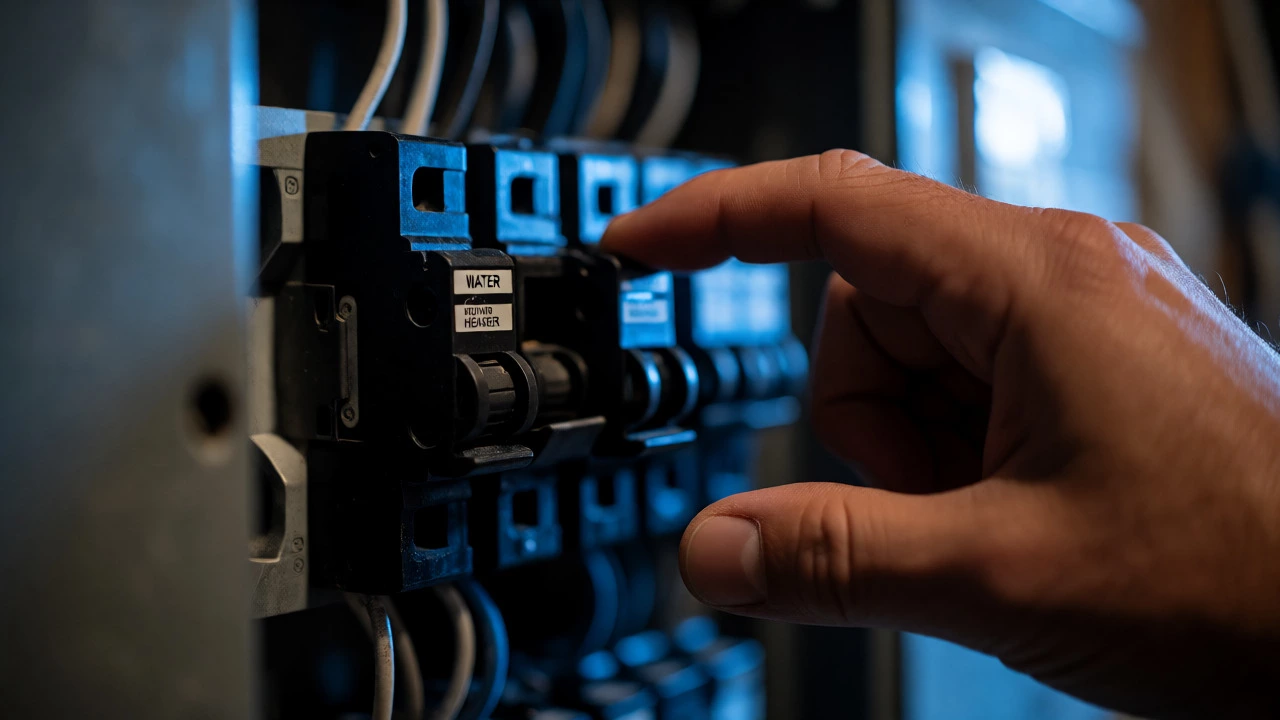
If you have an electric model, silence is often the loudest clue. Unlike gas heaters, which make noise when igniting, electric units are quiet until they fail loudly. The first place to look is your home’s electrical panel. Go to your breaker box and look for a double-pole breaker labeled "Water Heater" or similar. Even if it looks "on," it might have tripped internally. Flip it fully off, then firmly back on. This resets the circuit.
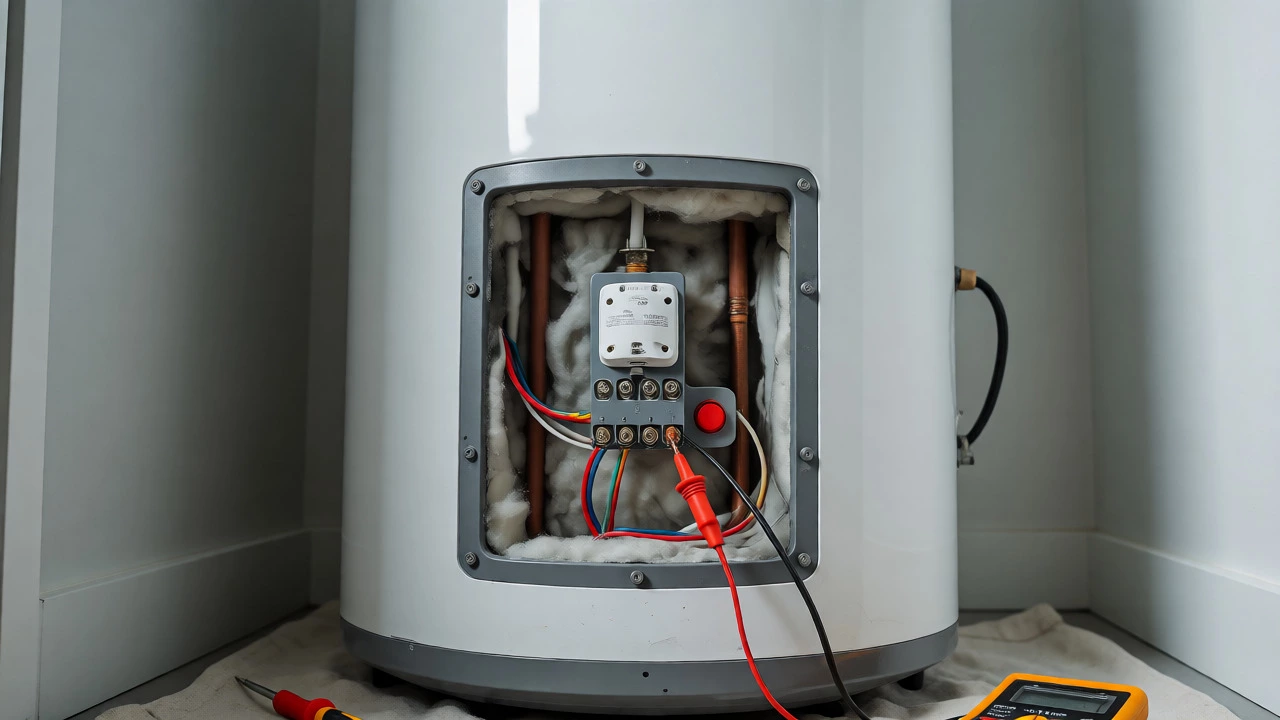
Still nothing? Next, head to the tank itself. Behind a removable cover near the top of the tank, you’ll find an access panel. Inside, behind insulation, is a small red button called the reset button a safety device that cuts power if the water overheats. Press it. If you hear a click, the system was overheating due to a stuck thermostat or low voltage. If pressing it does nothing, the issue lies deeper.
| Component | Function | Failure Symptom | Fix Complexity |
|---|---|---|---|
| Circuit Breaker | Protects wiring from overload | No power to unit | Easy (Reset) |
| Thermostat | Controls temperature settings | Unit runs constantly or never starts | Moderate (Replace) |
| Heating Element | Converts electricity to heat | Lukewarm water or no heat | Moderate (Replace) |
| Upper/Lower Sensor | Monitors water temp | Erratic heating cycles | Moderate (Replace) |
Once power is confirmed, test the thermostats. Most tanks have two: one near the top, one near the bottom. The upper thermostat controls the upper element and passes power to the lower one. If the upper thermostat fails, the entire system dies. You’ll need a multimeter set to continuity mode. Disconnect power, remove the wires from the thermostat terminals, and touch the probes together. If the meter doesn’t beep when the dial is turned to "On," the thermostat is dead. Replacing it costs under $50 and takes about an hour for a handy homeowner.
For Gas Heaters: The Flame That Won't Stay
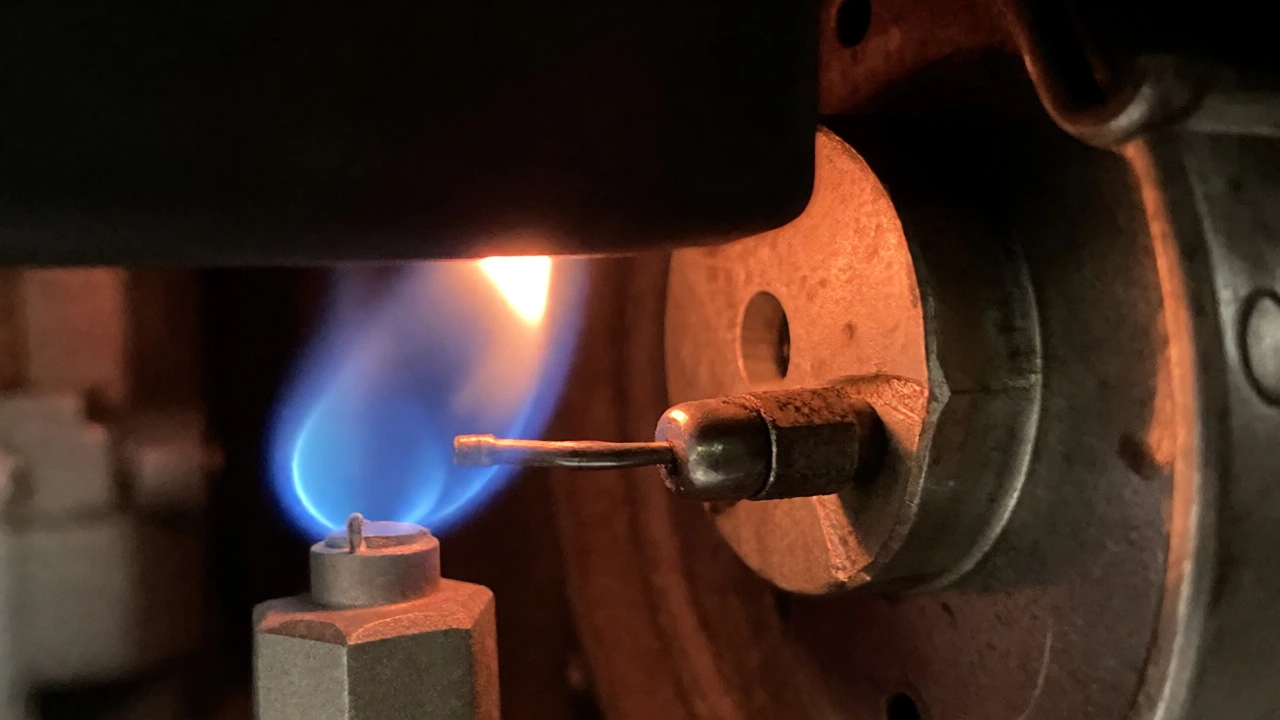
Gas units are more complex because they involve actual fire. If your gas heater won’t kick on, the first thing to check is the pilot light. In older models, this is a small blue flame visible through a window. If it’s out, follow the ignition sequence printed on the label. Usually, you turn the control knob to "Pilot," press it in, and hold a lighter to the burner assembly while pushing the igniter button.
But what if the pilot lights and then immediately goes out? This points to the thermocouple a safety device that detects the presence of a flame. The thermocouple generates a tiny electrical current when heated by the pilot flame. This current keeps the gas valve open. If the thermocouple is dirty, bent away from the flame, or worn out, it won’t generate enough current, and the gas valve closes for safety.
Cleaning a thermocouple is easy: use steel wool to gently scrub off soot buildup. If cleaning doesn’t work, replace it. They’re cheap ($15-$25) and screw into the gas control valve. However, if the pilot won’t light at all, the issue might be the gas supply or the gas control valve itself. Check if other gas appliances in your home are working. If they are, the problem is isolated to the heater.
Digging Deeper: When Basic Checks Fail
You’ve checked the breaker, pressed the reset, cleaned the thermocouple, and still have cold water. Now we enter the realm of specific component failures. For electric heaters, a burnt-out heating element is common. Elements corrode over time, especially in areas with hard water like Vancouver. To test them, drain some water (to prevent burns), remove the element, and measure its resistance. It should read between 10 and 30 ohms. An infinite reading means the coil inside is broken.
For gas heaters, consider the dip tube. This plastic pipe directs incoming cold water to the bottom of the tank. If it cracks-which happens in older units-cold water mixes directly with the hot water at the top. Your heater might actually be running, but the output feels lukewarm. Symptoms include short showers and warm-but-not-hot water. Replacing a dip tube requires draining the tank and removing the inlet nipple, a job best left to pros if you’re uncomfortable with plumbing connections.
Another sneaky culprit is sediment buildup. Over years, minerals settle at the bottom of the tank. In gas heaters, this layer insulates the burner from the water, causing inefficient heating and potential overheating. In electric heaters, sediment covers the lower element, causing it to burn out prematurely. Flushing the tank annually prevents this. If you haven’t flushed yours in five years, that could be why performance dropped before total failure.
When to Call a Professional
DIY saves money, but not always. Here’s when you should pick up the phone instead of a wrench:
- Gas Smell: If you smell rotten eggs (natural gas additive) around the heater, stop everything. Turn off the gas valve and ventilate. Do not try to relight the pilot yourself.
- Leaking Tank: If water is pooling under the tank, the inner liner may be cracked. No repair fixes this; you need a new water heater.
- Electrical Confusion: If you’re not comfortable testing live circuits or dealing with 240V components, hire an electrician or plumber. One wrong connection can fry your control board.
- Old Age: If your unit is over 10-12 years old and needs multiple repairs, replacement is often cheaper long-term. Modern units are significantly more efficient.
Troubleshooting Checklist
Use this quick list to diagnose your issue systematically. Work through it step-by-step to avoid missing simple fixes.
- Verify Demand: Ensure faucets are actually calling for hot water. Sometimes aerators clog, mimicking heater failure.
- Power/Gas Supply: Confirm the unit has power (breaker/reset) or gas (valve open).
- Pilot Status (Gas): Check if pilot is lit and stable.
- Thermostat Settings: Ensure thermostats aren’t set too low (below 120°F/49°C).
- Continuity Test: Use a multimeter on thermostats and elements (electric) or thermocouple (gas).
- Visual Inspection: Look for signs of burning, corrosion, or leaks.
- Sediment Flush: Try flushing the tank to rule out mineral blockage.
How do I know if my water heater thermostat is bad?
If your electric water heater has power but produces no heat, or heats inconsistently, the thermostat is likely faulty. You can confirm this by using a multimeter to test for continuity across the thermostat terminals. If there is no continuity when the dial is set to 'On,' the thermostat needs replacement. Additionally, if the reset button pops frequently, it often indicates a thermostat sticking in the closed position.
Why did my hot water heater stop working suddenly?
Sudden failure is usually caused by a tripped circuit breaker (electric), a blown fuse, or an extinguished pilot light (gas). In electric units, a heating element can also burn out abruptly, breaking the circuit. For gas units, a faulty thermocouple can cause the pilot to go out unexpectedly. Checking these three items resolves the majority of sudden stoppages.
Can I replace a water heater heating element myself?
Yes, if you have basic mechanical skills. You must drain the tank below the level of the element, disconnect power, unscrew the old element, and install the new one with a fresh gasket. Be careful not to cross-thread the new element, as this can damage the tank threads. Always ensure the power is completely off before touching wires.
What does it mean if my gas water heater makes a clicking sound?
Clicking usually comes from the igniter attempting to light the main burner. If it clicks repeatedly but doesn't ignite, the gas valve might not be opening, or the flame sensor is dirty. If it clicks once and then stops, it may be a normal startup sequence. Continuous rapid clicking often signals a failing gas control valve or ignition module.
How long should a water heater last?
Most standard storage-tank water heaters last between 8 and 12 years. Factors influencing lifespan include water quality (hard water reduces life), maintenance frequency (annual flushing helps), and usage volume. Tankless models can last 20+ years but require different maintenance protocols.