Nothing feels worse than turning on the shower and getting a shock of icy water instead of steam. You’re not imagining it. Your hot water is running cold, and it’s happening right now. This isn’t just annoying-it’s a sign something’s wrong with your water heater, and ignoring it won’t make it better. In Vancouver, where winter temperatures regularly dip below freezing, losing hot water isn’t a minor inconvenience. It’s a daily disruption. So what’s actually going on? Let’s break it down.
It’s Not Just the Heater
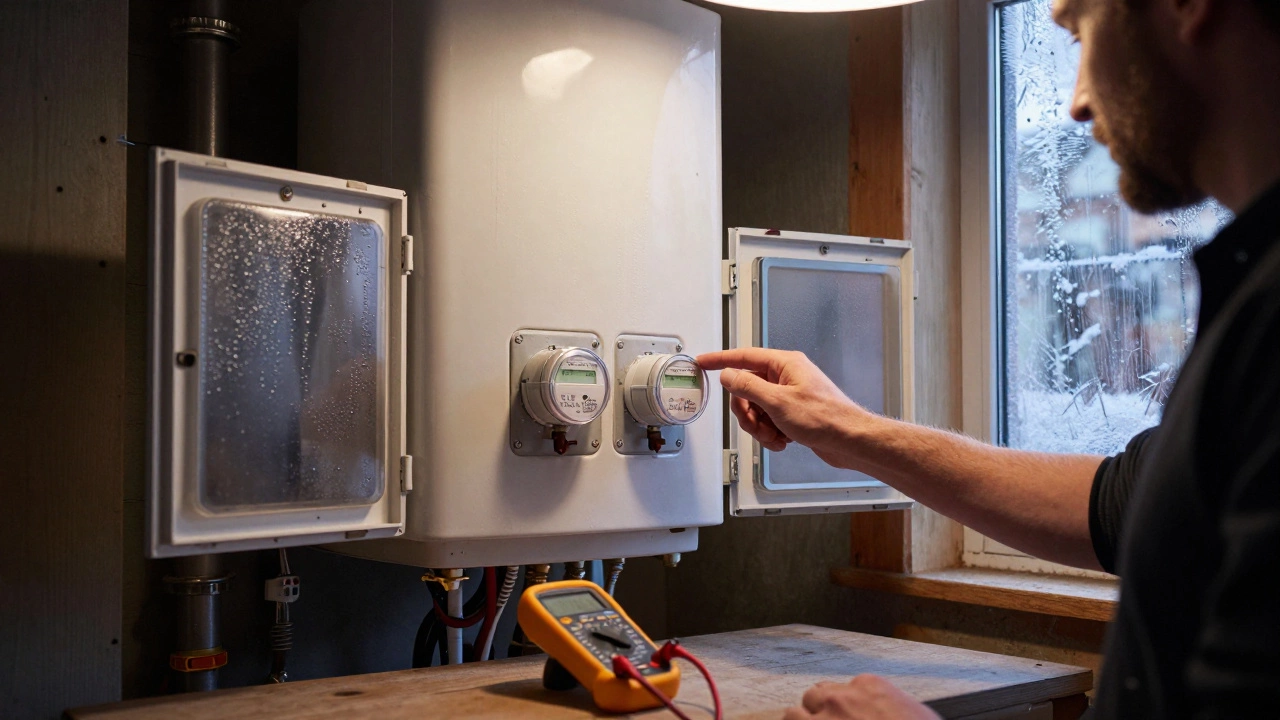
A lot of people assume a cold shower means their water heater is dead. But that’s rarely the full story. The water heater is just one part of a system. Think of it like a car: if the engine won’t start, it’s not always the battery. Could be the fuel line, the starter, or even a bad sensor. Same here. Your water heater might be fine, but something upstream or downstream is messing with the flow.Start with the simplest fix: check the thermostat. Most electric water heaters have two thermostats-one for the upper element, one for the lower. If the upper one fails, you’ll get lukewarm water at first, then nothing. If the lower one fails, you might get a few minutes of hot water before it turns cold. Neither is a full failure. Just a broken component. You can test this yourself with a multimeter. If you’re not comfortable doing that, skip to the next step.
The Dip Tube Is Broken
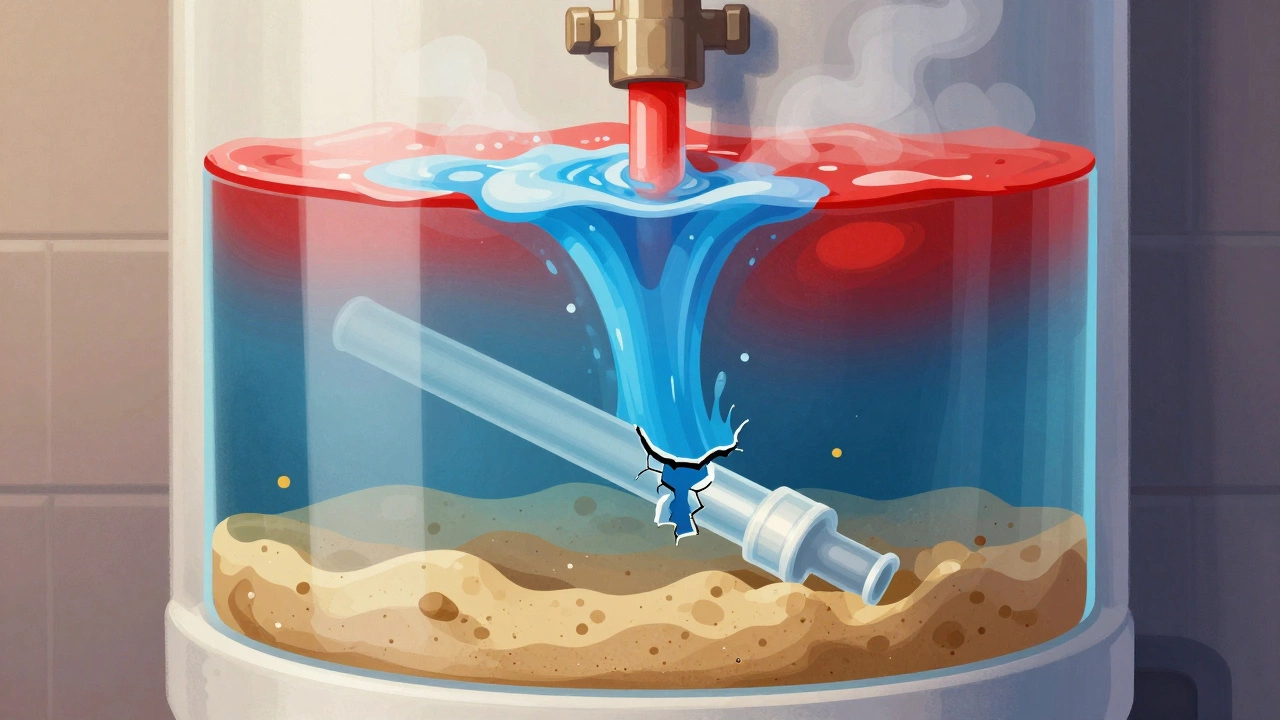
Here’s a sneaky one most people don’t know about: the dip tube. It’s a long plastic pipe that runs from the cold water inlet at the top of the tank down to the bottom. Its job? To deliver cold water to the bottom of the tank so the heater can warm it up properly. If that tube cracks or breaks, cold water shoots straight to the top-right where the hot water comes out. That’s why you get a burst of hot water at first, then it turns icy. It’s not the heater failing. It’s the cold water short-circuiting the system.This is common in water heaters older than 10 years. Plastic dip tubes from the 1990s and early 2000s were made from a weak polymer that degrades over time. If your heater was installed before 2005, this is likely your culprit. You’ll need to replace the dip tube. It’s not a DIY job unless you’ve drained a tank before. Most plumbers charge between $200 and $400 to do it, depending on access.
Thermostat Settings Are Too Low
You’d be surprised how many people turn their water heater down to save energy-and end up with barely warm showers. The recommended setting is 120°F (49°C). That’s hot enough to kill bacteria, prevent scalding, and still save energy. But if someone turned it down to 100°F or lower, you’ll think the heater’s broken. Check the dial. If it’s an electric heater, you might need to remove the access panel. Gas heaters usually have a dial on the bottom. If the setting is below 110°F, crank it up and wait an hour. If the water gets hot, you’re done.Pro tip: If you’ve got a tankless water heater, the temperature setting is digital. You can adjust it from the control panel. Some models even let you set different temps for showers vs. sinks. If you’re unsure, look up your model number online. Most manufacturers have manuals you can download.
Mineral Buildup Is Smothering the Heating Element
Vancouver’s water isn’t hard, but it’s not soft either. Over time, minerals like calcium and magnesium settle at the bottom of the tank. They form a layer between the heating element and the water. Think of it like a blanket. The element gets hot, but the heat can’t reach the water. That’s why the water starts warm, then cools off quickly. It’s not the element that’s dead-it’s the sludge.Flushing the tank is the fix. Turn off the power or gas. Close the cold water inlet. Open the pressure relief valve. Then attach a hose to the drain valve at the bottom and let it run into a bucket or driveway. Let it drain until the water runs clear. This should take 10-20 minutes. Do this once a year. It’s cheap, easy, and extends the life of your heater by years. Skip it, and you’ll be replacing the whole unit sooner than you think.
Gas Water Heaters and Pilot Light Issues
If you’ve got a gas water heater, the pilot light might have gone out. This is common after a power outage, a draft, or even a gas leak alarm that shut off the supply. Look at the access panel. You should see a small blue flame. If it’s gone, follow the relighting instructions on the side of the unit. Usually, it’s: turn the knob to "pilot," press and hold the button, light it with a long match, hold for 30 seconds, then turn to "on."If the pilot won’t stay lit after a few tries, the thermocouple is likely faulty. It’s a safety sensor that shuts off the gas if the flame goes out. A bad thermocouple won’t let the gas flow, even if you relight it. Replacing it costs about $50 for the part and 30 minutes of labor. You can do it yourself if you’re handy. Just make sure the gas is off before you start.
Water Heater Size Matters
If you’ve recently added a new shower, a dishwasher, or a washing machine, your heater might be overloaded. A standard 40-gallon tank can handle two showers back-to-back. Three? Not so much. If you’ve got a family of four and a 30-gallon heater, you’re asking for cold water. That’s not a repair-it’s a sizing issue.Check your tank size. It’s usually printed on the label. If it’s under 40 gallons and you’ve got more than two people in the house, upgrading to a 50-gallon or even a tankless model might be smarter than fixing the old one. Tankless heaters don’t store water-they heat it on demand. That means endless hot water, but they need proper gas line sizing and electrical upgrades. Talk to a pro before buying one.
Broken Heating Elements (Electric Heaters)
Electric water heaters have two heating elements: top and bottom. If the top one fails, you’ll get hot water for a few minutes, then cold. If the bottom one fails, you might get no hot water at all. If both fail? Cold showers all day.Testing them requires a multimeter. Disconnect power. Remove the access panels. Unplug the wires from the elements. Set the multimeter to ohms. Touch the probes to the two terminals on the element. If it reads zero or infinity, the element is dead. Replace it. A new element costs $20-$50. Labor is about $150. You can do it yourself if you’re comfortable with basic electrical work. Just make sure the power is off. One mistake, and you’re not just cold-you’re in the hospital.
It’s Not the Heater-It’s the Pipes
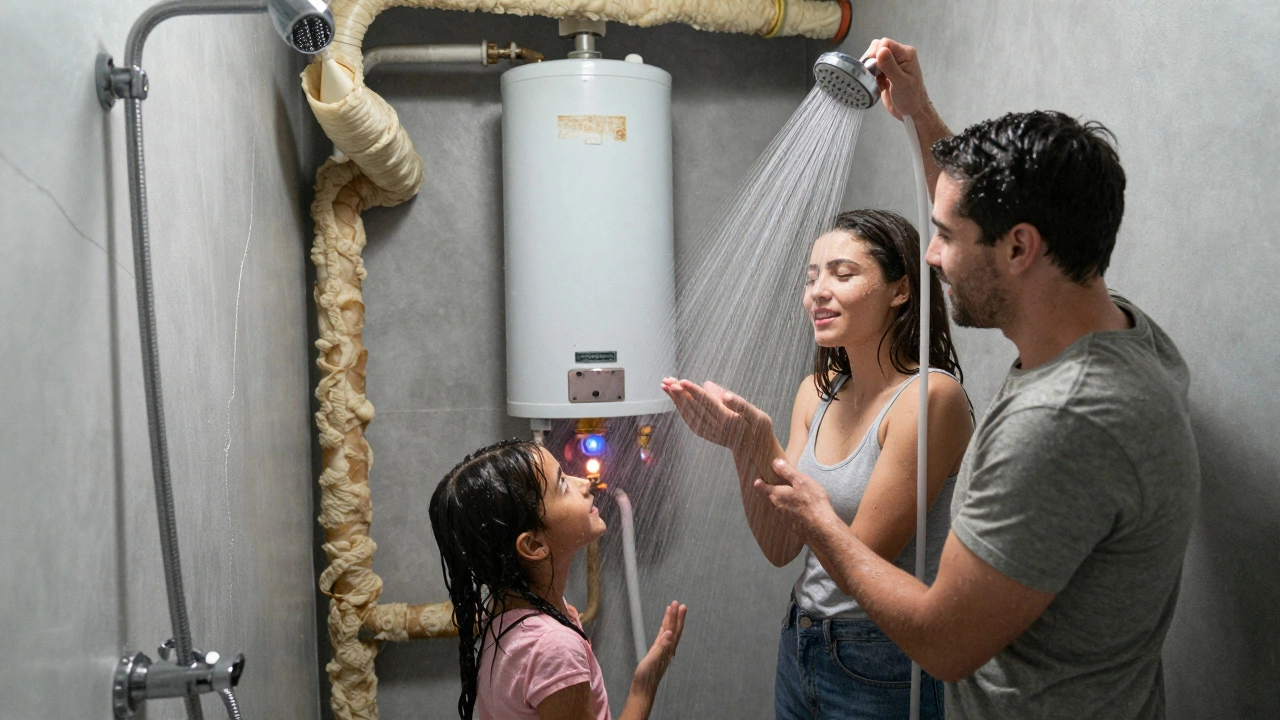
Sometimes the problem isn’t the heater at all. It’s the pipes. If your hot water lines run through an unheated crawl space, attic, or exterior wall, they can lose heat fast. In winter, that means the water cools before it even reaches your faucet. Try running the hot water for five minutes. If it starts warm and then cools off, but the heater tank feels hot to the touch, the pipes are the issue.Insulating the pipes is a cheap fix. Foam pipe insulation costs less than $10 for a 10-foot roll. Slip it over the exposed pipes. Seal joints with duct tape. It’s not glamorous, but it works. And if you’ve got pipes running under the house, consider adding insulation under the floor. It’s more work, but it saves money in the long run.
When to Call a Professional
You can fix most of these issues yourself. But some signs mean it’s time to call a plumber:- You smell gas (leave the house and call your utility company)
- Water is leaking from the tank (rust stains, puddles, dripping)
- The heater is over 12 years old
- You’ve tried everything and still get cold water
- Your electric panel trips every time the heater kicks on
If your heater is older than 12 years, it’s probably time to replace it anyway. Most units last 8-12 years. Pushing it past that just leads to bigger problems-like a tank rupture that floods your basement. Don’t wait for disaster. A new water heater in Vancouver costs between $1,800 and $3,500 installed, depending on type and size. But it’s cheaper than a flooded basement.
Quick Checklist: What to Do Right Now
- Check the thermostat. Is it set to 120°F?
- For gas heaters: Is the pilot light on?
- For electric heaters: Listen for clicking. No sound? Elements might be dead.
- Flush the tank. Drain a few gallons. Clear water? Good. Murky? Keep draining.
- Run hot water for 10 minutes. If it starts hot then cools, the dip tube or pipes are the issue.
- If none of this helps, call a licensed plumber. Don’t risk electrical or gas hazards.
Hot water isn’t a luxury. It’s a necessity. And when it stops working, the fix is usually simple-if you know where to look. Don’t panic. Don’t rush to replace it. Start with the basics. Most of the time, you’ll be back to warm showers in under an hour.
Why does my hot water run cold after a few minutes?
This usually means the dip tube is broken or the lower heating element has failed. The dip tube sends cold water to the bottom of the tank. If it’s cracked, cold water mixes with hot water at the top, giving you a short burst of warmth before it turns cold. A failed lower element means only the top portion of the tank gets heated. Both issues require replacement parts.
Can a water heater work without gas or electricity?
No. Gas water heaters need a pilot light or electronic ignition to ignite the burner. Electric models need power to run the heating elements. If either power source is cut, the heater can’t produce hot water. Some hybrid systems use solar pre-heating, but they still need a backup gas or electric element to work in winter.
Is it normal for hot water to smell like rotten eggs?
Yes, but it’s not normal in a good way. The smell comes from sulfur-reducing bacteria reacting with magnesium anode rods in the tank. It’s harmless but unpleasant. The fix is flushing the tank with hydrogen peroxide or replacing the magnesium rod with an aluminum one. If the smell only happens in hot water, it’s definitely the heater.
How often should I flush my water heater?
At least once a year. In areas with moderate water hardness like Vancouver, mineral buildup is slow but steady. Flushing removes sediment that insulates the heating element, reduces efficiency, and shortens the tank’s life. If you’ve got hard water, do it twice a year. It takes 20 minutes and costs nothing but your time.
Should I replace my 15-year-old water heater even if it still works?
Yes. Water heaters rarely die suddenly-they leak slowly. A 15-year-old unit is past its expected lifespan. Even if it’s working, it’s using 15-20% more energy than a new model. And the risk of a catastrophic leak is much higher. Replacing it now saves you from water damage, emergency repair bills, and the stress of a surprise failure.