Washing Machine Repair vs. Replace Calculator
Use this tool to make a data-driven decision about your appliance. Enter the details below to get a recommendation.
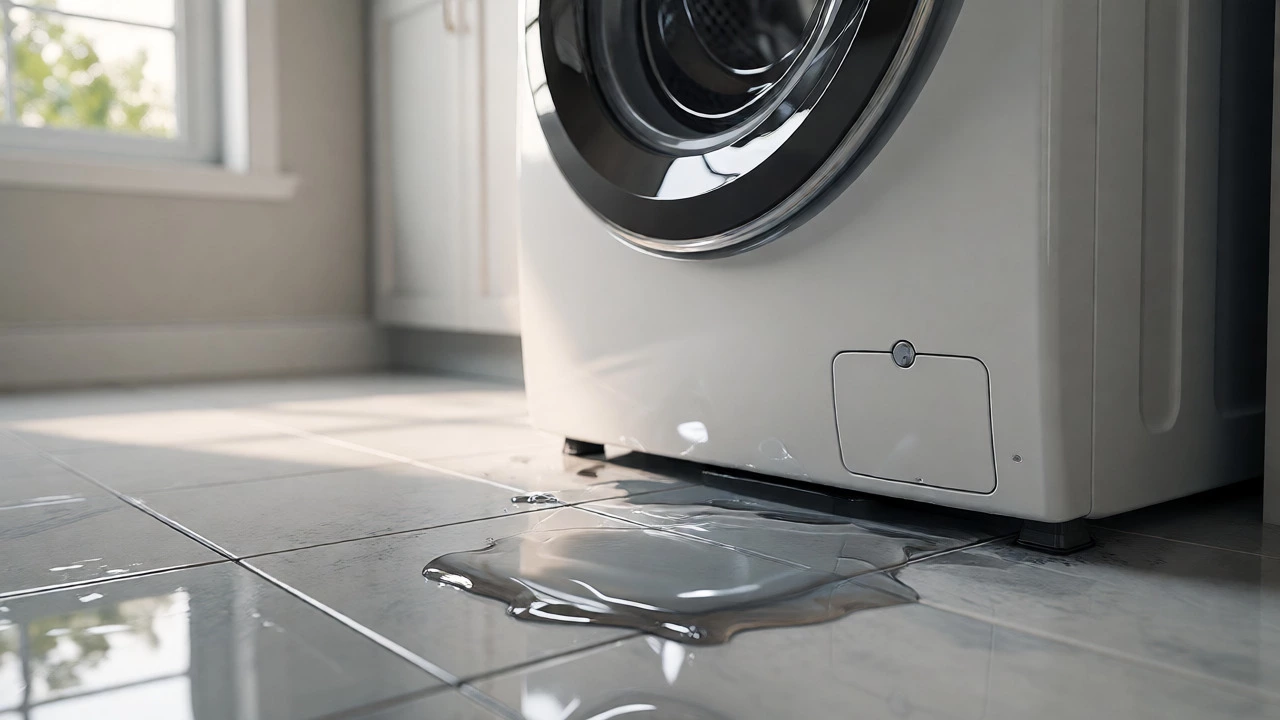
You’re standing in the laundry room, staring at a puddle of water or listening to that horrible grinding noise. The first thought is usually panic, followed quickly by the calculator app on your phone. You know buying a new washing machine is a major household expense, often costing between $600 and $1,500 for a reliable model. But is tossing it out really the smart move? Or are you throwing money away by fixing an old beast?
Here’s the blunt truth: most people make this decision based on emotion or bad math. They either scrap a perfectly good machine because they’re annoyed, or they sink hundreds into repairs for a unit that’s already dead inside. In Vancouver, where we deal with hard water and heavy usage cycles, knowing when to call a technician versus when to hit "buy" can save you thousands over the life of your appliances.
The 50% Rule and Other Myths
You’ve probably heard the "50% rule." It states that if the repair costs more than 50% of the price of a new machine, you should replace it. While it sounds logical, it’s too simplistic. A $100 repair on a $800 machine is only 12.5%, so you fix it. Easy. But what about a $400 repair on that same machine? That’s 50%. Do you replace it? Not necessarily. If that $400 fixes a critical component like the motor or transmission, you might be adding five years of life. If it’s just a cosmetic panel or a minor sensor issue, maybe not.
Instead of rigid percentages, look at the age of the appliance relative to its expected lifespan. Most front-loaders last 10-13 years; top-loaders average 10-12 years. If your machine is under five years old, repairing is almost always the better financial bet. If it’s over ten years old, you’re playing with fire. Parts become scarce, and other components are likely nearing failure. At that stage, a repair is often just a delay tactic before the next breakdown.
Which Problems Are Actually Fixable?
Not all faults are created equal. Some issues are cheap and quick to solve, while others are engineering nightmares. Here is a realistic breakdown of common failures and whether they justify a repair visit.
| Issue | Average Repair Cost (CAD) | Repair Verdict | Why |
|---|---|---|---|
| Clogged Drain Pump | $150 - $250 | Fix It | Simple part, low labor time. Very common. |
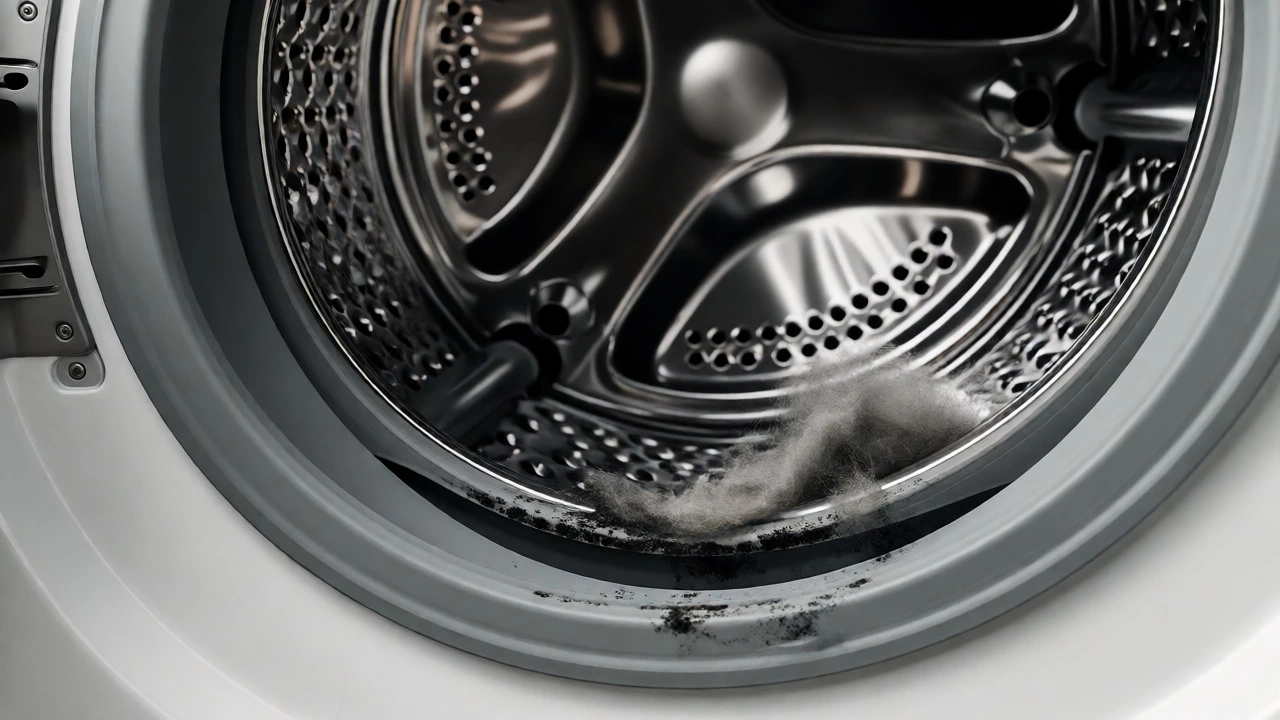
| Broken Door Seal/Gasket | $200 - $300 | Fix It | Prevents leaks and mold. Essential for hygiene. |
| Water Inlet Valve | $150 - $250 | Fix It | Inexpensive part, easy access on most models. |
| Control Board Failure | $300 - $500+ | Maybe Replace | High cost. If machine is >7 years old, replace. |
| Bearing Replacement | $400 - $600+ | Replace Machine | Labor-intensive disassembly. High risk of future errors. |
| Motor Burnout | $350 - $550 | Replace Machine | Often indicates overall wear. New motors are pricey. |
Notice the pattern? Small parts like pumps and valves are cheap to fix. Big structural or mechanical failures involving bearings or motors require hours of labor. In Canada, skilled appliance technicians charge hourly rates ranging from $80 to $150 depending on location and complexity. When labor exceeds the value of the remaining lifespan, you’re losing money.
The Hidden Costs of Keeping an Old Washer
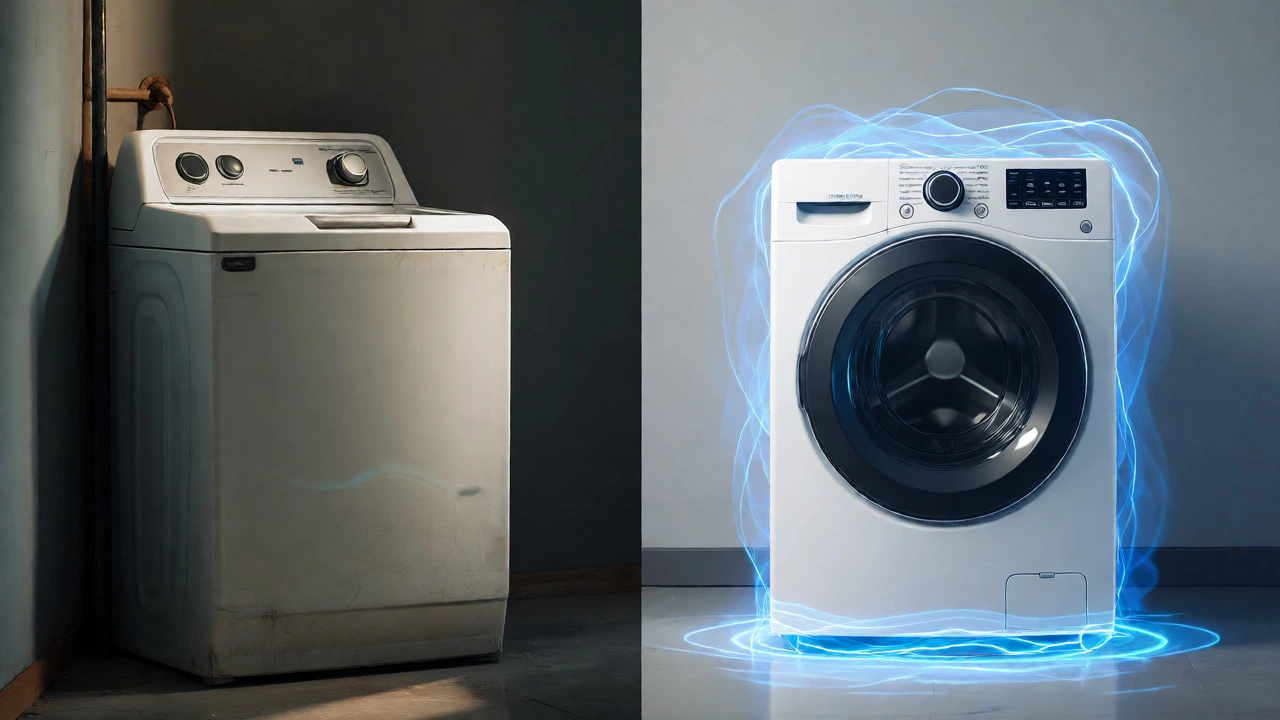
We tend to focus on the sticker price of the repair, but older machines have hidden operational costs. Modern washers use significantly less water and energy. An Energy Star certified model from 2026 uses up to 25% less energy and 33% less water than models made ten years ago.
If your current machine is leaking slightly, using excessive detergent due to poor agitation, or taking three times longer to spin dry, you’re paying for that inefficiency every month. Factor in the water bill spikes and higher electricity costs. Sometimes, the "free" option of keeping an old machine actually costs more annually than financing a new one would.
Also, consider the hassle. A broken washer means doing laundry at a laundromat. In Vancouver, a load costs $3-$5 plus dryer fees. If you do four loads a week, that’s nearly $100 a month. If the repair takes two weeks to order parts, you’ve spent $50 just waiting. Speed matters.
When You Should Absolutely Replace It
Sometimes, the answer is obvious. Don’t try to be a hero. Replace the machine if:
- It’s over 10-12 years old: Statistics show failure rates spike dramatically after year 10.
- The tub is cracked: This is catastrophic. No repair exists that makes economic sense.
- You need multiple repairs: If you fixed the pump last month and now the control board dies, stop. The machine is telling you it’s done.
- The brand has discontinued parts: Check availability. If you have to wait six weeks for a specific drum bearing kit, it’s not worth it.
- It’s a proprietary design: Some budget brands use non-standard parts that are hard to source. Stick to mainstream brands like Whirlpool, LG, Samsung, or Bosch for easier serviceability.
How to Decide: A Quick Decision Tree
Still stuck? Run through this mental checklist. Be honest about the numbers.
- Get a quote. Don’t guess. Call a local pro for a diagnostic fee (usually $80-$100). Ask them explicitly: "Is this a common failure mode for this model?"
- Check the age. Look at the serial number sticker inside the door rim or on the back. Find the manufacture date.
- Compare to replacement cost. Take the repair quote and divide it by the price of a comparable new machine. If it’s over 40-50% AND the machine is over 7 years old, replace it.
- Evaluate reliability. Has this machine been trouble-free until now? If yes, it might be worth saving. If it’s been a lemon, cut your losses.
Remember, a new machine comes with a warranty. Typically, one year parts and labor, sometimes ten years on the motor. That peace of mind has value. With a repaired old machine, you’re on your own once the technician leaves.
DIY vs. Professional Repair
Can you fix it yourself? For simple things like cleaning a filter, replacing a hose, or swapping a drain pump, absolutely. YouTube is your friend here. You’ll save the labor cost entirely.
However, avoid DIY for electrical components, control boards, or anything requiring you to dismantle the outer cabinet and tub assembly. One wrong wire connection can fry a $300 board. Plus, professional technicians have specialized tools and access to OEM parts that generic online retailers might not stock correctly. If you attempt a complex repair and fail, you still pay for the part, plus the technician will charge you to undo your mess.
Environmental Impact Matters Too
We live in a world increasingly aware of waste. Manufacturing a new washing machine consumes significant resources-steel, plastic, electronics, and shipping emissions. If your machine is only 6 years old and needs a $200 fix, repairing it is the greener choice. Extending the life of an appliance reduces landfill waste and manufacturing demand.
But don’t let guilt drive bad financial decisions. If your old machine is inefficient and prone to breaking, recycling it properly and upgrading to a high-efficiency model is also an environmental win due to reduced water and power consumption over its lifetime.
How much does it typically cost to repair a washing machine in Canada?
In major cities like Vancouver or Toronto, expect to pay between $150 and $400 for most standard repairs. This includes a diagnostic fee (often waived if you proceed with the repair) and labor rates averaging $90-$130 per hour. Complex jobs like bearing replacements can exceed $500.
What is the average lifespan of a modern washing machine?
The industry standard is roughly 10 to 13 years. However, this varies heavily by brand and usage. High-end brands like Miele may last 20+ years, while some budget-friendly models may start failing around year 7 or 8. Regular maintenance, such as cleaning filters and leaving the door ajar to prevent mold, extends this lifespan.
Is it cheaper to repair or buy a new washing machine?
Generally, if the repair cost is less than 50% of the price of a new unit and the machine is under 7 years old, repairing is cheaper. If the machine is older than 10 years, or the repair involves major components like the motor or transmission, buying new is usually more cost-effective long-term due to improved efficiency and warranties.
What are the signs that my washing machine is dying?
Key signs include loud banging noises during spinning (indicating bearing or shock absorber failure), persistent leaks that cannot be traced to hoses, clothes coming out excessively wet or dirty, and error codes that recur despite resetting. If the machine vibrates violently even when level, internal suspension systems may be collapsed.
Do washing machine repairs come with a warranty?
Reputable appliance repair companies typically offer a 30 to 90-day warranty on both parts and labor. This covers the specific issue fixed. It does not cover unrelated failures that occur later. Always ask for this warranty in writing before agreeing to the service.