Gas Oven Repair vs. Replace Calculator
Answer the questions below to get a recommendation based on industry standards for gas ovens.
Oven Details
Fill in the details to see if you should repair or replace.
You’re trying to bake a roast for Sunday dinner, but the gas oven isn’t heating up, or it’s burning your food unevenly. The first thought that hits you is usually panic: "Is this thing dead? Do I need to drop $1,500 on a new range?" Here’s the good news: in about 80% of cases, yes, gas ovens can be repaired, and often for less than $200. But there are specific scenarios where fixing it throws money down the drain.
I’ve spent years around appliances in Vancouver homes, from older vintage stoves to modern high-end ranges. The reality is that gas units are mechanically simpler than their electric counterparts. They don’t have complex electronic control boards frying out as frequently. However, they do involve combustion, which means safety is non-negotiable. If you smell gas, stop reading and open a window. Otherwise, let’s figure out if your oven is worth saving.
The Short Answer: Yes, But Check These Factors First
Before you call a technician, ask yourself three questions. If the answer to any of these is "no," repair might not be the right move.
- Is the oven under 10-15 years old? Most gas ovens last 13-15 years with proper care. If yours is 20 years old and the enamel is cracking, repairs are cosmetic at best.
- Is the repair cost under 50% of a new unit? This is the golden rule. If a new oven costs $800 and the repair quote is $450, walk away. If the repair is $150, fix it.
- Are other components working? If the burners work fine but the oven doesn’t, it’s likely an isolated part failure (igniter or thermostat). If the whole stove is acting up-burners flickering, oven not lighting-it could be a gas line issue or a failing main valve, which gets expensive fast.
Common Problems That Are Easy (and Cheap) to Fix
Most gas oven issues stem from just two or three parts. These are the bread and butter of appliance repair technicians. Knowing what they are helps you avoid getting ripped off.
The Igniter Is Dead
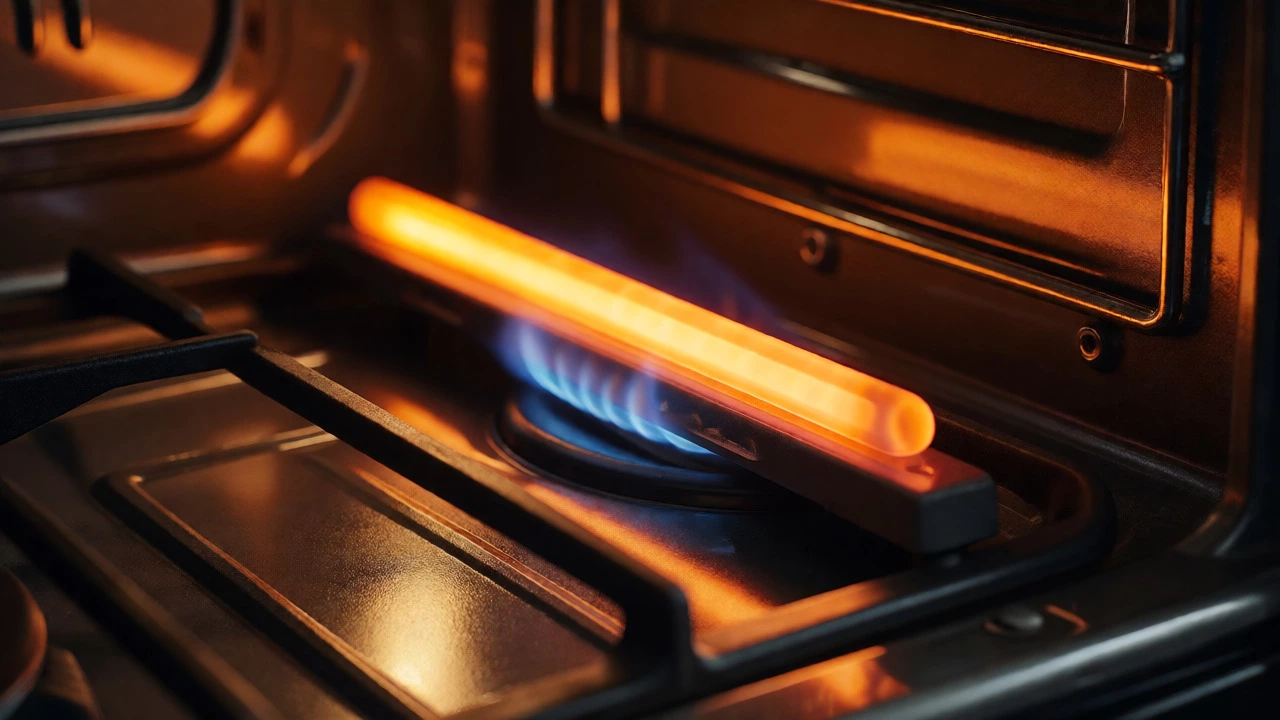
This is the #1 reason a gas oven won’t heat. Modern gas ovens use a glow-bar igniter. It heats up until it glows orange, opening a safety valve to let gas flow. If the igniter cracks or weakens, it might glow but never get hot enough to open the valve. You’ll see the glow, hear no click, and feel no heat. Igniter Replacement is a straightforward job. The part itself costs between $30 and $80 depending on the brand (Whirlpool, GE, Bosch, etc.). Labor adds another $100-$150. Total repair: roughly $150-$230. Compare that to a new oven, and it’s a no-brainer.
The Thermostat Is Off
Does your oven say 350°F but actually run at 300°F or 400°F? That’s a faulty oven thermostat or temperature sensor. These sensors drift over time due to thermal expansion and contraction. Calibration is sometimes free if you know how to adjust the offset knob (check your manual). If not, replacing the sensor costs about $40-$60 for the part. Again, cheap fix.
Clogged Burner Ports
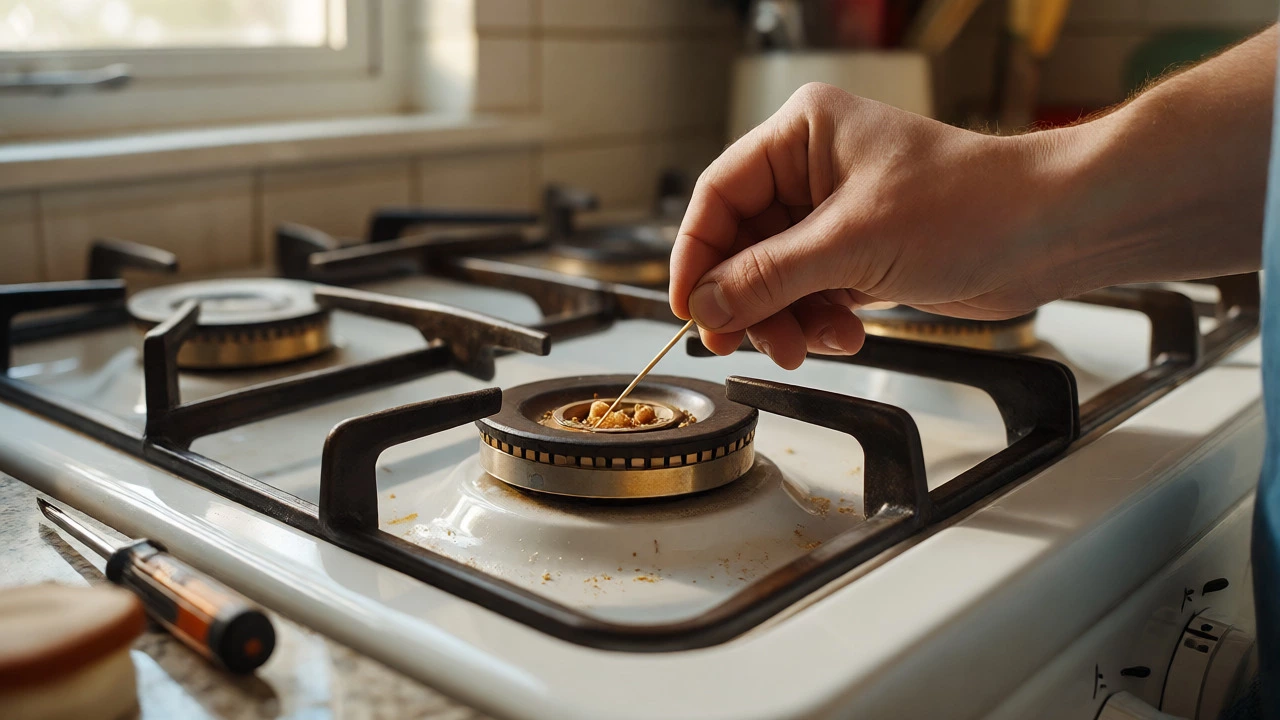
Spills happen. Grease and food debris clog the tiny holes in the burner heads. This causes uneven flames or yellow flames instead of blue ones. A yellow flame indicates incomplete combustion, which wastes gas and produces carbon monoxide. Cleaning these ports with a toothpick or compressed air takes ten minutes and costs nothing. If the burner head itself is corroded, replacement is still cheap ($20-$40).
When Repairs Get Expensive (The Danger Zone)
Not all fixes are equal. Some parts are hard to find or labor-intensive. Here’s when you should hesitate.
The Main Control Board
Older gas ovens didn’t have complex electronics. Newer ones do. If the digital display is blank, buttons don’t respond, or error codes flash randomly, the control board might be fried. Replacing this isn’t like swapping a lightbulb. It requires disconnecting wiring harnesses and reprogramming settings. Parts can cost $200-$400, plus labor. For a mid-range oven, this repair often exceeds half the value of the appliance.
Glass Door Cracks
If the inner glass panel of your oven door shatters, you can technically keep using it. But if the outer glass cracks, heat escapes, making cooking inefficient and potentially dangerous. Replacement doors for branded ovens (like Viking or Sub-Zero) can cost $500+. For standard brands, expect $150-$250. Factor in whether the rest of the oven is healthy before paying this.
Gas Valve Failure
The gas valve controls fuel flow. If it sticks closed, the oven won’t light. If it leaks, you smell gas even when off. Replacing a gas valve involves working directly with the gas supply. Technicians charge more for this due to liability and testing requirements. Expect $250-$400 total. If your oven is older, this might tip the scale toward replacement.
Safety First: Signs You Need Immediate Professional Help
Gas appliances are safe when maintained, but neglect creates hazards. Never ignore these red flags:
- Strong sulfur smell: Natural gas is odorless; utilities add mercaptan (rotten egg smell) for detection. A strong, persistent smell means a leak. Shut off the gas valve behind the stove and leave the house.
- Yellow or orange flames: Healthy gas flames are blue. Yellow means poor combustion, producing carbon monoxide (CO). Install a CO detector near your kitchen immediately.
- Soot buildup: Black soot inside the oven or around burners signals incomplete burning. Clean it, but if it returns quickly, call a pro to check the air-to-gas ratio.
DIY vs. Pro: What Can You Actually Fix Yourself?
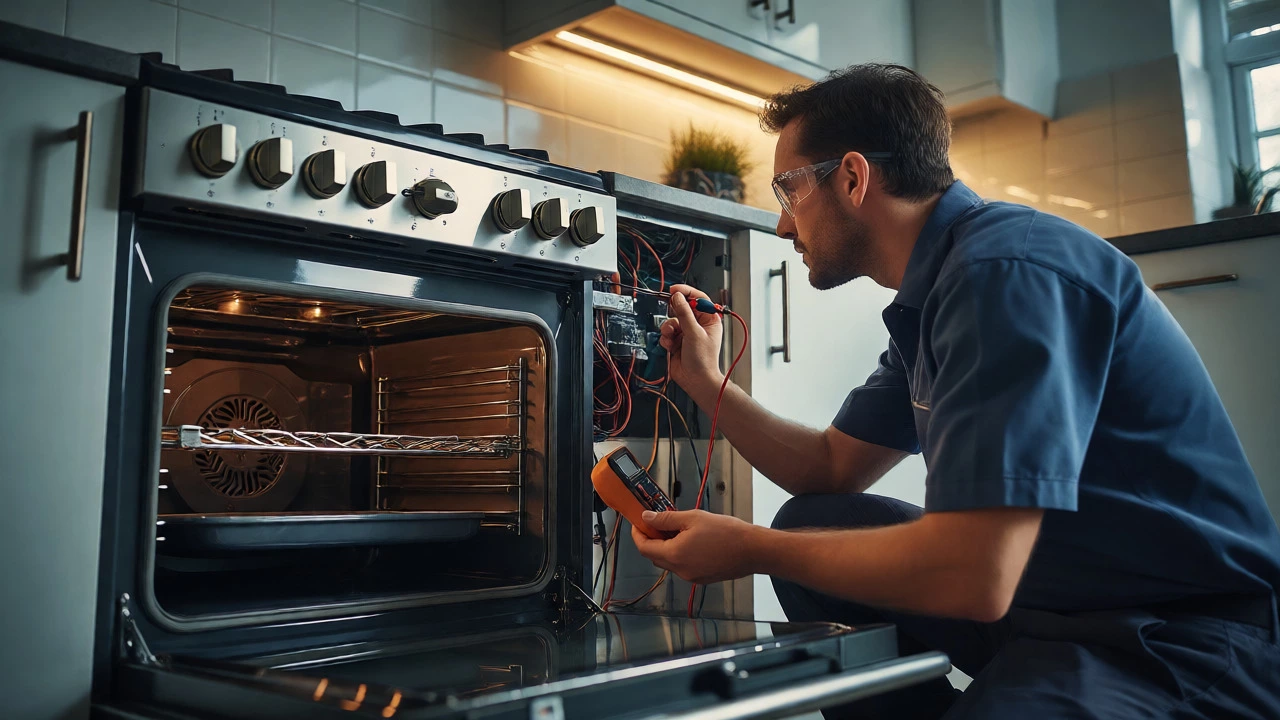
With basic tools (screwdriver, multimeter), homeowners can handle simple tasks. But know your limits.
| Task | Difficulty | Estimated Cost (DIY) | Recommended For |
|---|---|---|---|
| Cleaning burner ports | Easy | $0 | All homeowners |
| Replacing igniter | Moderate | $30-$80 (part) | Confident DIYers |
| Replacing temperature sensor | Easy | $20-$50 (part) | Any homeowner |
| Replacing gas valve | Hard | $50-$150 (part) | Experienced only (gas risk) |
| Control board swap | Hard | $150-$300 (part) | Tech-savvy users |
| Sealing gas connections | Medium | $10 (tape/paste) | Caution required |
If you’re unsure about touching gas lines, hire a licensed technician. In British Columbia, gas fitting requires certification. A bad seal can cause slow leaks that accumulate in cabinets, leading to explosive risks later.
How to Extend Your Gas Oven’s Life
Repairs aren’t inevitable if you maintain the unit. Here’s how to keep it running smoothly for 15+ years:
- Clean spills immediately: Sugar-based spills caramelize into concrete-hard blocks that trap moisture and corrode metal. Wipe them down while warm (not hot).
- Don’t store heavy items on top: Many people use the oven top as a counter. This vibrates internal components and stresses the hinges.
- Check the door seal annually: Close the door on a dollar bill. If it slides out easily, the gasket is worn. Heat escapes, forcing the oven to work harder and shortening its lifespan.
- Ventilate properly: Ensure your range hood vents outside, not just recirculates. Moisture from cooking accelerates rust on internal parts.
Final Verdict: Repair or Replace?
Here’s a quick decision tree to help you choose:
- Repair if: The oven is under 10 years old, the problem is isolated (igniter, sensor, burner), and the repair cost is under $250.
- Replace if: The oven is over 15 years old, multiple components are failing, the cabinet shows rust damage, or the repair quote exceeds $400.
In most cases, a gas oven is a durable workhorse. Don’t assume it’s broken just because it acts up. Often, it’s a small, affordable part that’s given up the ghost. Just remember: if you smell gas, skip the diagnosis and call a professional.
How long do gas ovens typically last?
With regular cleaning and moderate use, a gas oven typically lasts between 13 and 15 years. High-end models can last longer, while budget models may start showing wear after 10 years. Key factors include frequency of use, quality of installation, and how well spills are cleaned up.
Is it safe to use a gas oven if the igniter is broken?
It depends on the design. Older ovens allowed manual lighting with a match, which is risky if gas pools before ignition. Modern ovens have safety valves that shut off gas if the igniter doesn't heat up within a set time, so they simply won't light. This is safer, but you shouldn't force it. Continued attempts to light a broken igniter can waste gas and strain the valve.
Why does my gas oven smell like gas when I turn it on?
A brief smell of gas when first turning on the oven is normal, as gas flows before ignition occurs. However, if the smell persists after the oven lights, or if you smell it when the oven is off, you have a leak. Turn off the oven, open windows, and do not use electrical switches. Call a professional to check the seals and connections.
Can I replace a gas oven igniter myself?
Yes, for many models. You need to unplug the oven, remove the bottom floor panel, unscrew the old igniter, disconnect the wire plug, and install the new one. No special tools beyond a screwdriver and maybe a nut driver are needed. Always ensure the power is disconnected before starting. If your model has a sealed back panel, it might be too difficult for a novice.
What is the average cost to repair a gas oven?
Minor repairs like cleaning burners or replacing a sensor cost $100-$200 including labor. Moderate repairs like replacing an igniter or thermostat range from $150-$300. Major repairs involving the control board or gas valve can cost $300-$500. Prices vary by region and brand availability of parts.