Washer Repair vs. Replace Calculator
Machine Details
Recommendation: REPAIR
The repair cost is well below the 50% threshold. Given the machine's age (8 years), it likely has several more years of service life remaining.
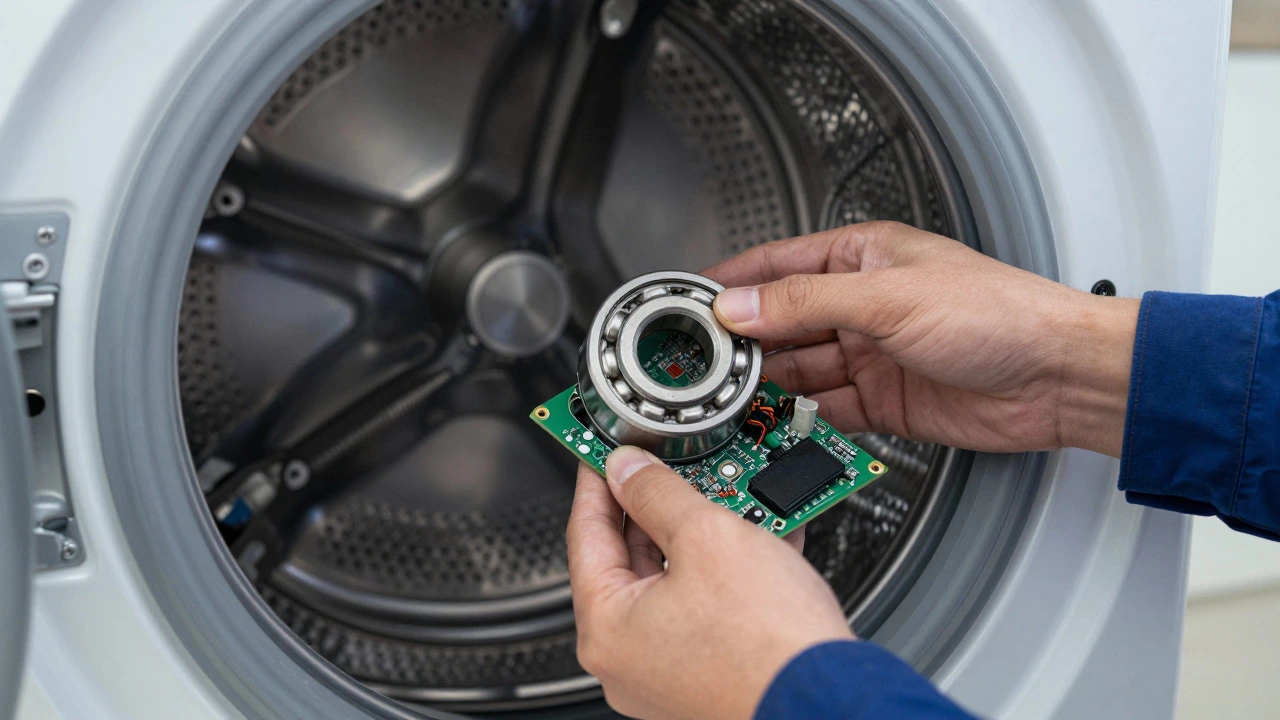
Buying a new washing machine is less about which one has the flashiest app integration and more about how long it will last before you’re on the phone with a technician. If you’ve ever paid out of pocket for a broken drum bearing or a failed control board, you know that the initial price tag is just the beginning. The washing machine brands that actually hold up over time tend to share specific engineering traits: simpler mechanics, accessible parts, and robust build quality. In this guide, we look past the marketing hype to identify which manufacturers offer the best balance of performance, durability, and ease of repair.
Why Brand Reputation Matters More Than Features
Most modern washers are built with similar core components: a motor, a drum, a suspension system, and a computer board. However, the quality of these parts varies wildly between manufacturers. A premium brand might use a brushless DC motor that lasts 15 years, while a budget brand might use a universal AC motor that struggles after five. When a machine fails, the cost of repair depends heavily on whether the parts are standardized or proprietary. If your washer uses a unique, single-use plastic housing that isn’t sold separately, a minor crack can mean replacing the entire unit. This is why looking at repairability data is often more useful than looking at energy efficiency ratings alone.
Top Tier: Built for Decades
Liebherr is a German manufacturer known for high-end, durable home appliances with a focus on longevity and minimal electronic complexity. While not always the first name people think of in North America, Liebherr machines are favorites among repair technicians because they avoid unnecessary digital gimmicks. They rely on mechanical timers and simple electronics that rarely fail. If you value a machine that runs quietly and reliably for 15+ years without needing a firmware update, this is a strong contender.
Bosch is a major European appliance maker renowned for its front-loading technology, efficient water usage, and solid stainless steel construction. Bosch has established itself as a leader in front-loaders. Their design philosophy prioritizes energy efficiency and gentle fabric care. From a repair perspective, Bosch parts are widely available, and their service network is extensive. The main drawback? Front-loaders require regular maintenance of the rubber door seal to prevent mold, but mechanically, they are very sound.
The Middle Ground: Reliable Workhorses
Whirlpool is a leading American appliance brand offering a wide range of top-loading and front-loading washers with a focus on affordability and widespread parts availability. Whirlpool is the default choice for many homeowners. Why? Because almost every town has a technician who knows how to fix them. Parts are cheap and easy to find. While they may not have the longest lifespan of the German brands, their low repair costs make them economically viable for longer. If a motor goes out, it’s usually under $150. That predictability is valuable.
LG is a South Korean electronics giant that produces popular front-loading washers featuring AI-driven settings and direct drive motors. LG has made significant strides in recent years. Their Direct Drive Motor eliminates the belt, reducing friction points and potential failure spots. This is a smart engineering choice. However, like many Asian-manufactured appliances, the electronic boards can be sensitive to power surges. If you live in an area with unstable voltage, investing in a surge protector is non-negotiable if you choose LG.
Budget Options: What to Watch Out For
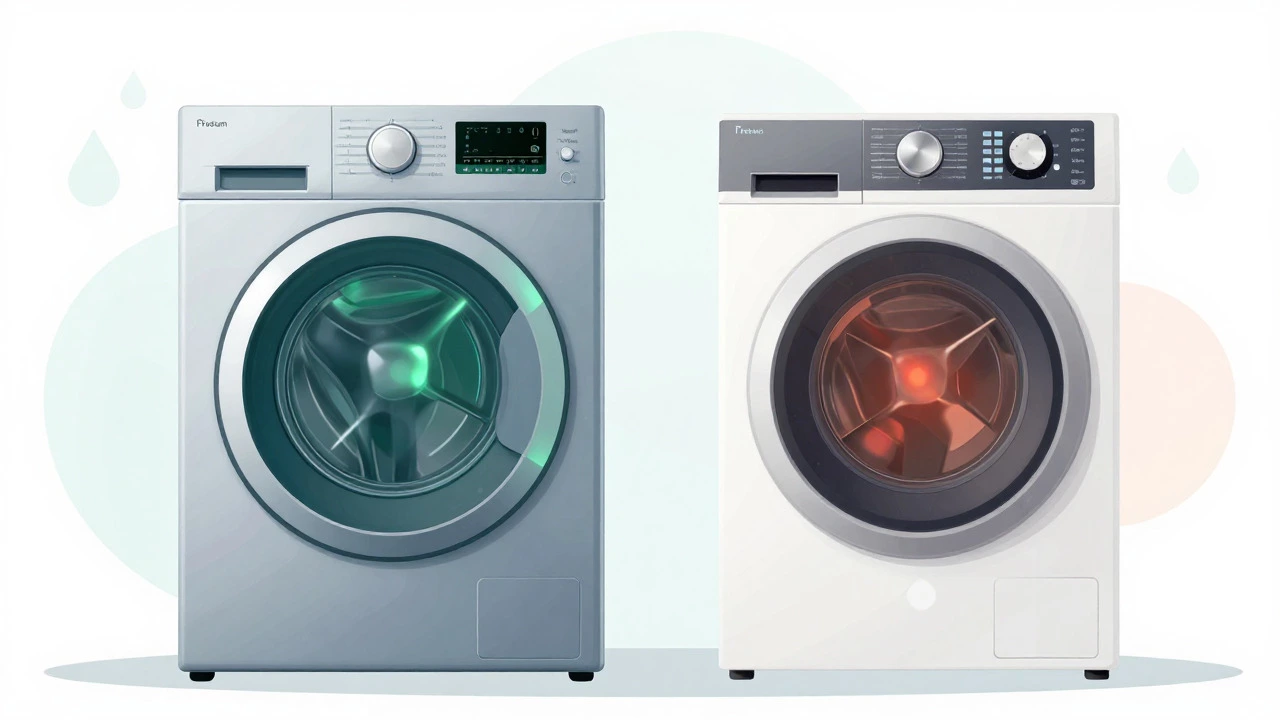
Cheap washers aren’t necessarily bad, but they come with trade-offs. Brands often found in big-box stores under $600 typically cut corners on the suspension system and the drum material. Instead of stainless steel drums, you might get plastic. Plastic drums warp over time, causing vibrations and noise. When these machines break, the repair cost often approaches the price of a new unit. If you buy a budget model, treat it as a 5-year appliance. Don’t expect it to last a decade.
| Brand | Average Lifespan | Repair Complexity | Parts Availability | Best For |
|---|---|---|---|---|
| Liebherr | 15-20 years | Low (Simple electronics) | Moderate | Long-term durability |
| Bosch | 12-15 years | Moderate | High | Energy efficiency & space saving |
| Whirlpool | 10-12 years | Low | Very High | Easy repairs & low cost |
| LG | 10-14 years | Moderate-High | High | Modern features & quiet operation |
Front-Load vs. Top-Load: Impact on Maintenance
The type of machine matters as much as the brand. Front-loaders are generally more efficient and gentler on clothes, but they have a higher risk of seal degradation. Top-loaders are easier to load and unload, and the absence of a rubber door seal means fewer mold issues. However, top-loaders use more water and put more stress on the suspension system. If you have hard water, top-loaders tend to suffer from mineral buildup in the tub faster than front-loaders. Always check your local water hardness report before deciding. If your water is above 7 grains per gallon, consider a front-loader or install a water softener.
How to Extend the Life of Your Washer
No matter which brand you pick, proper maintenance is the single biggest factor in extending its life. Here are three concrete steps that save money in the long run:
- Clean the drain pump filter monthly. A clogged filter causes overflow and strain on the motor. It takes five minutes to do and prevents thousands in damage.
- Use high-efficiency detergent. Regular detergent creates too many suds, which can leak into the electronics of both front and top loaders. HE detergent is formulated to rinse clean with less water.
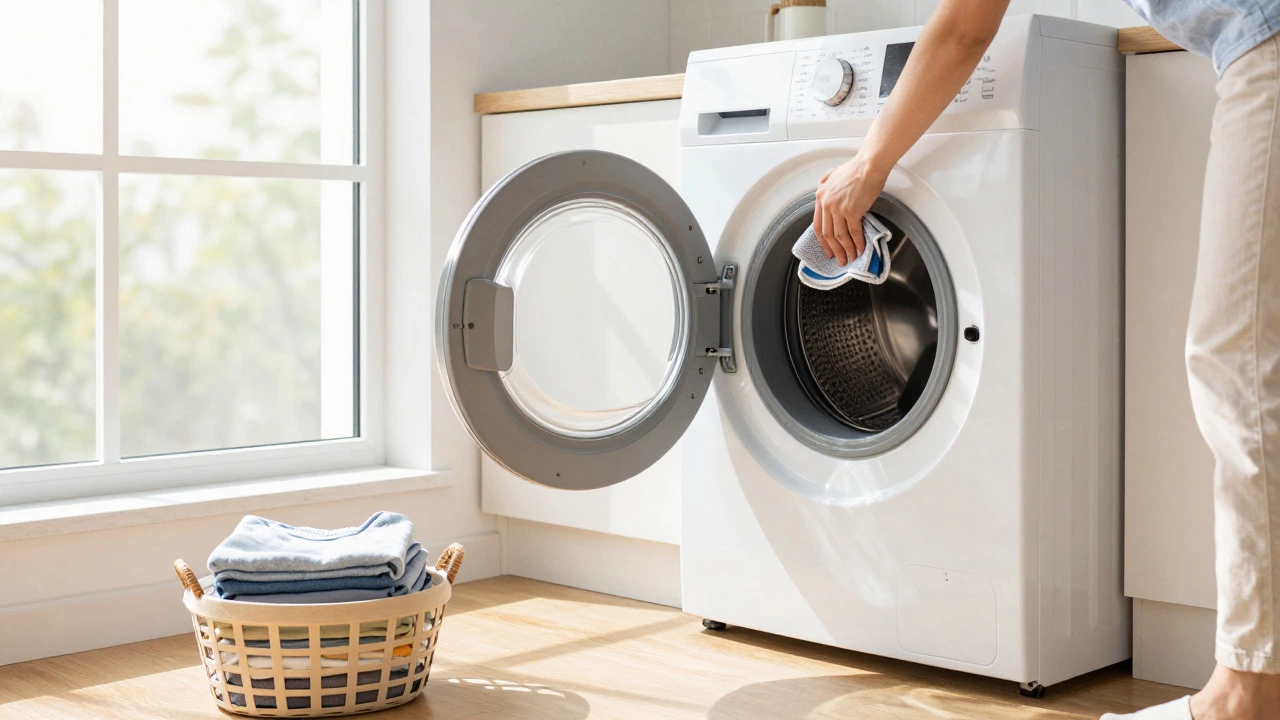
- Leave the door open after cycles. Trapped moisture leads to mildew and odor. For front-loaders, wipe the rubber gasket dry after each use.
When to Repair vs. When to Replace
A general rule of thumb is the 50% rule. If the repair cost is more than 50% of the price of a comparable new machine, replace it. If your 10-year-old Whirlpool needs a new motor ($300) and a new washer costs $800, repair it. If your 12-year-old LG needs a new control board ($400) and a new washer costs $900, it’s close to the line. Consider the age. If the machine is over 10 years old, parts availability may dwindle in the future. If it’s under 7 years old, repairing is usually the smarter financial move.
Frequently Asked Questions
Is it worth buying a used washing machine?
Only if you can inspect it thoroughly. Used washers carry hidden risks like worn bearings or corroded internal wiring. If you buy used, ensure the seller allows you to run a full cycle with water to check for leaks and unusual noises. Avoid used front-loaders unless you are confident in cleaning the seals properly, as mold issues are hard to reverse.
Which washing machine brand has the least problems?
Based on consumer reports and repair technician feedback, Bosch and Whirlpool consistently rank near the top for reliability. Bosch excels in build quality, while Whirlpool wins on simplicity and ease of repair. Both brands have large parts ecosystems, meaning fixes are rarely complicated.
Do smart washing machines break down more often?
Not necessarily, but they have more points of failure. The Wi-Fi module and touch screen can fail independently of the mechanical parts. If the screen dies, the machine might still wash clothes, but you lose functionality. If you prefer simplicity, stick to models with physical dials and buttons rather than fully digital interfaces.
What is the average lifespan of a washing machine?
The industry average is around 10 to 12 years. However, this varies significantly by brand and usage. Heavy-duty commercial use shortens life, while light residential use extends it. Proper maintenance, such as cleaning filters and using correct detergent, can push a good machine toward the 15-year mark.
Should I choose a brand based on where I live?
Yes, location affects parts availability and technician expertise. In rural areas, common brands like Whirlpool or Maytag are easier to service because local shops stock their parts. In urban centers, specialty brands like Miele or Liebherr might have dedicated service providers. Check who services your specific brand in your region before buying.