Freezer Troubleshooting & Food Safety Diagnostic
Food Safety Timer
Calculate how long your food will stay safe before thawing.
Symptom Diagnostic Tool
Immediate Action Steps
Keep the door closed tight to trap remaining cold air.
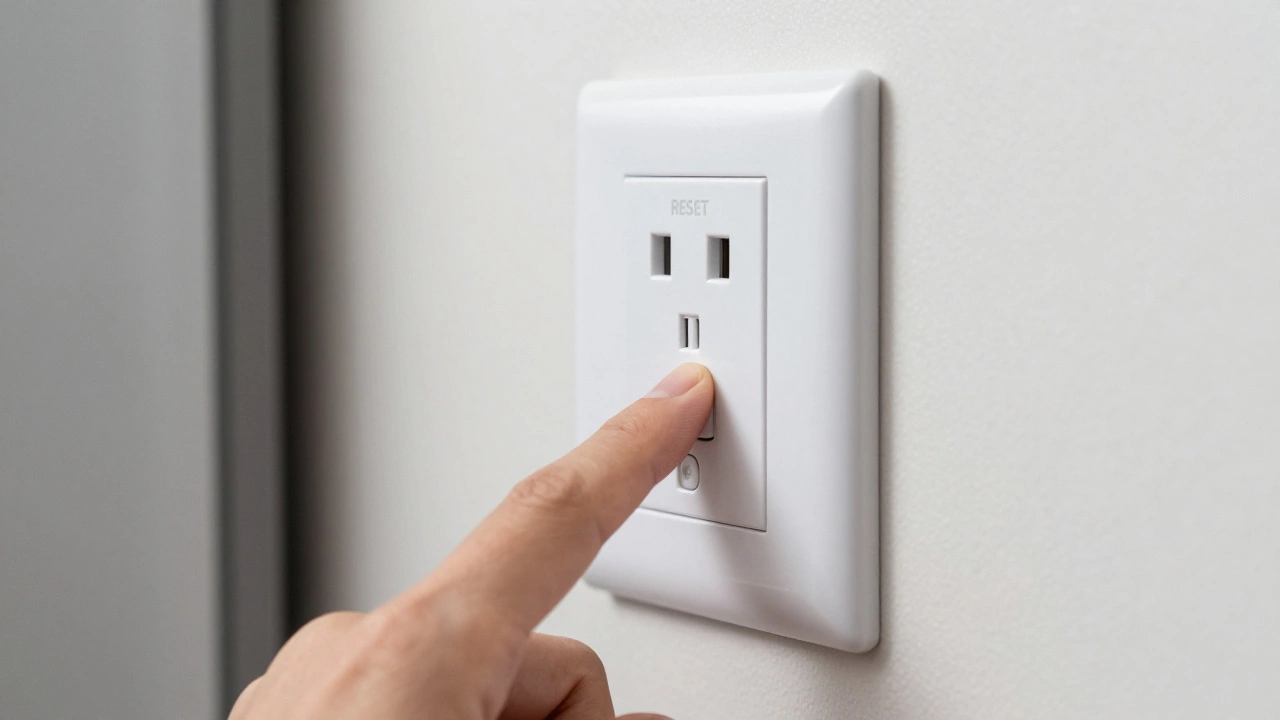
Check GFCI outlets and circuit breakers for trips.
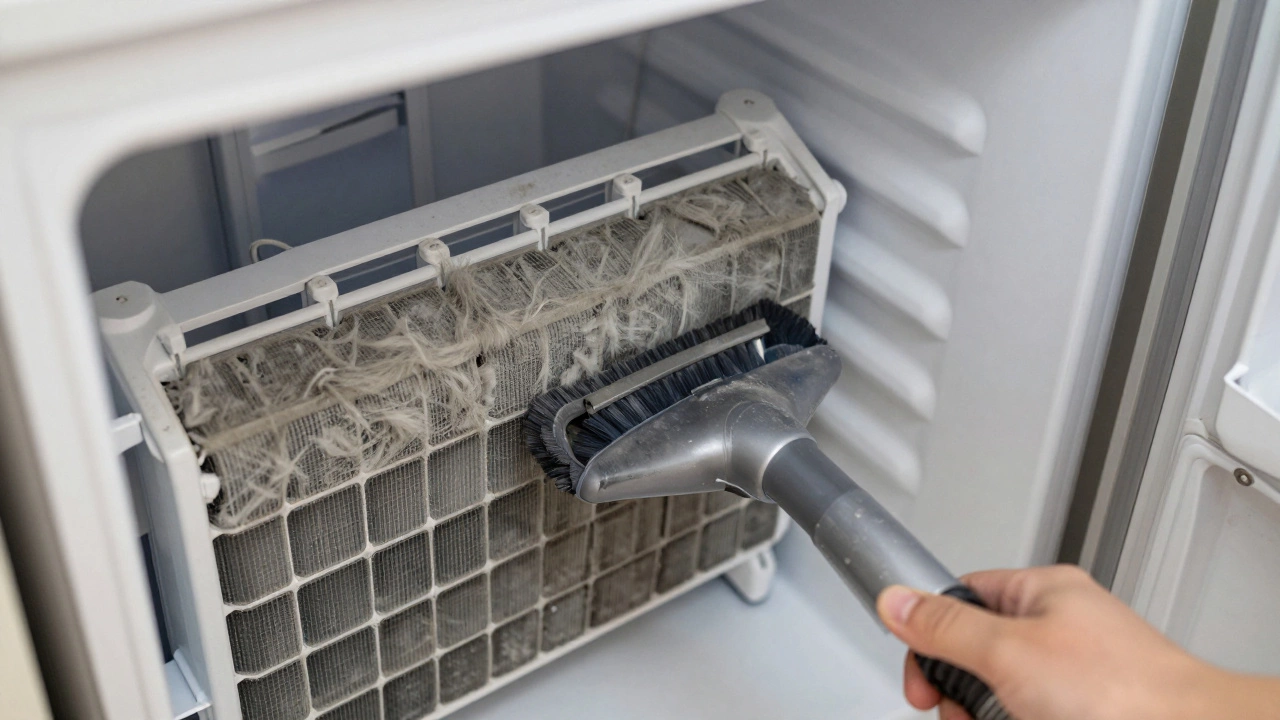
Vacuum dust and pet hair from the back condenser coils.
Quick Action Checklist
- Keep the door closed tight to trap the remaining cold air.
- Check if the internal light is on; if not, it's a power issue.
- Listen for the hum of the compressor or the whir of the fans.
- Check the temperature settings to ensure they weren't accidentally bumped.
- Clear any ice buildup around the vents or the door seal.
Stop the Thaw: Immediate Food Safety
Your first priority isn't the machine; it's the food. The moment you realize your freezer repair is needed, you're racing against the clock. A full, closed freezer will typically keep food safe for about 48 hours. If it's half-empty, that window drops to 24 hours.
Don't keep opening the door to "check" if things are still frozen. Every time you do, you let out a huge chunk of the cold air that's keeping your groceries safe. If you have a cooler or a secondary chest freezer in the garage, move your high-value proteins-like shrimp or raw meat-over immediately. Group your frozen items together in the center of the freezer; they'll act like a giant ice block and keep each other cold longer.
When in doubt, use the "crystal test." If a package of frozen peas still has visible ice crystals on the surface, it's generally safe to refreeze. If the food is completely thawed and feels warm to the touch, throw it out. Food poisoning from thawed-then-refrozen meat is a risk you simply can't take.
Power and Electrical Basics
It sounds obvious, but a surprising number of "broken" freezers are actually just unplugged or tripped. Start by checking the GFCI Outlet a Ground Fault Circuit Interrupter outlet designed to shut off power when it detects a leakage to ground. These outlets have a reset button that can pop out if there was a power surge. If that button is protruding, push it back in.
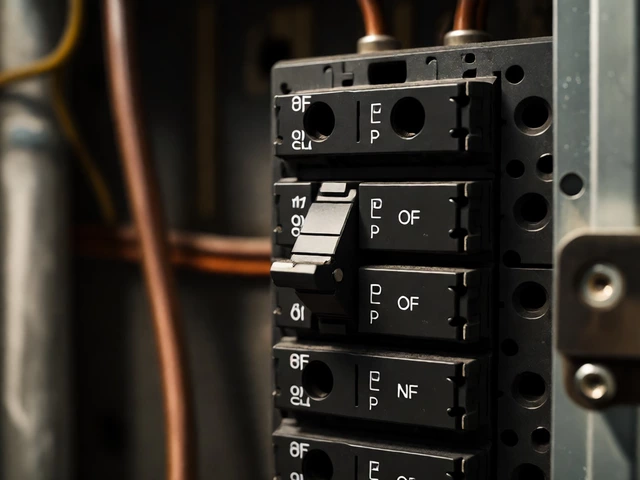
Check your electrical panel. If a circuit breaker has tripped, flip it off completely and then back on. If it trips again immediately, you have a short circuit, and you need a professional electrician rather than an appliance tech. Also, look at the power cord. In older homes, pets sometimes chew through the wires, or the cord gets pinched against the wall, cutting off the current to the Compressor the heart of the cooling system that compresses and circulates refrigerant.
The Sound of Silence: Diagnosing the Compressor
The compressor is the heavy-duty pump that moves refrigerant through the system. If your freezer is silent, the compressor isn't running. If it's making a loud clicking sound every few minutes, the Start Relay an electrical device that helps the compressor start up by providing an initial boost of current has likely failed. This is a common, relatively cheap part to replace.
If the compressor is humming but the freezer isn't getting cold, you might be dealing with a refrigerant leak. This is the bad news scenario. Modern freezers use R600a a hydrocarbon refrigerant commonly used in modern domestic refrigerators for its efficiency and low environmental impact or R134a. If the sealed system has a leak, it requires a licensed technician to weld the pipes and recharge the gas. You cannot fix a refrigerant leak with a DIY kit from a hardware store.
Airflow and Frost Problems
Is the freezer cold in some spots but warm in others? You probably have an airflow issue. In a Frost-Free Freezer a type of freezer that uses a heating element to automatically remove frost from the evaporator coils, the cold air is pushed from the evaporator coils into the main compartment by a fan. If the evaporator coils are choked with ice, the air can't move.
This usually happens because of a failed Defrost Heater an electrical heating element that melts frost off the evaporator coils during the defrost cycle or a faulty defrost timer. When the heater fails, ice builds up until it physically blocks the fan. The temporary fix? Manually defrost the unit. Turn it off, move the food, and leave the doors open for 24 hours. If it works perfectly for two weeks and then quits again, your defrost system is definitely broken.
| Symptom | Potential Cause | DIY Difficulty | Typical Fix |
|---|---|---|---|
| Total Silence/No Lights | Tripped Breaker / Dead Outlet | Easy | Reset GFCI or Breaker |
| Clicking Sound every 5 mins | Faulty Start Relay | Medium | Replace Start Relay |
| Fan runs, but air is warm | Refrigerant Leak | Hard | Professional Recharge |
| Heavy frost on back wall | Defrost Timer/Heater Failure | Medium | Replace Timer or Manual Defrost |
| Running constantly, not cold enough | Dirty Condenser Coils | Easy | Vacuum Coils |
The Hidden Culprit: Dirty Condenser Coils
Most people never look at the back or bottom of their freezer. That's where the condenser coils live. These coils release the heat removed from inside the freezer into the room. If they are covered in pet hair, thick dust, or grease, the heat can't escape. This forces the compressor to work twice as hard, eventually causing it to overheat and shut down to protect itself.
Pull the freezer away from the wall and check the coils. If they look like a wool sweater, get a vacuum with a brush attachment or a can of compressed air. Cleaning these coils can often drop your energy bill and instantly restore cooling performance. It's the simplest form of preventative maintenance that saves most appliances from an early grave.
Door Seals and Gaskets
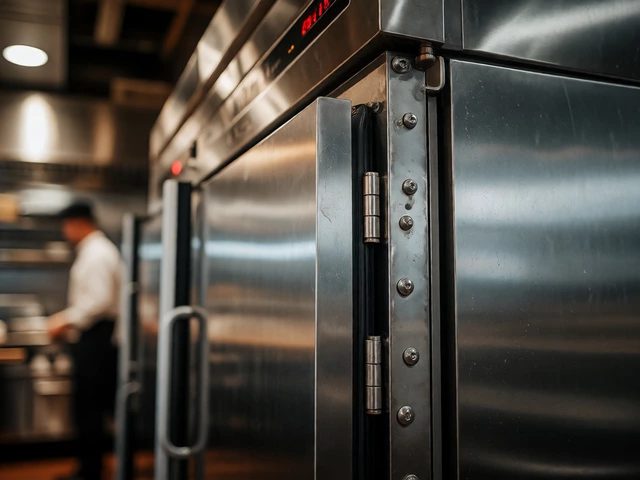
Check the Magnetic Gasket the rubberized magnetic seal around the door that prevents warm air from entering the freezer. If there's a tear or a gap, warm, moist air leaks in. This doesn't just warm up your food; it creates a massive amount of frost on the coils, leading back to the airflow problems we discussed earlier.
Try the "dollar bill test." Close the door on a dollar bill. If you can pull the bill out with zero resistance, your seal is shot. You can sometimes fix a warped gasket by heating it gently with a hairdryer to soften the rubber and pushing it back into shape, but usually, a replacement gasket is the only permanent fix.
Can I use a space heater to defrost my freezer?
No, never do this. Space heaters can easily melt the plastic liners of your freezer or damage the internal components. The safest way to defrost is to unplug the unit and let the ice melt naturally, using towels to soak up the water.
How do I know if my compressor is actually dead?
If you hear the fan running but the compressor doesn't vibrate or make its usual low hum, it might be dead. However, a clicking sound often means the compressor is trying to start but the relay is blocking it. If the compressor is scorching hot to the touch but not running, it may have tripped its internal thermal overload protector.
Why is my freezer running but not getting cold?
This is usually caused by one of three things: dirty condenser coils, a failure in the defrost system causing ice buildup on the evaporator, or a leak in the refrigerant lines. Start with the coils, as that's the only one you can fix for free.
Is it worth repairing an old freezer?
If the fix is a start relay or a timer, yes. If the compressor has failed or there is a leak in the sealed system, it's usually cheaper to buy a new energy-efficient model than to pay for the labor and parts of a sealed-system repair.
How often should I clean my freezer coils?
Ideally every six months. If you have pets that shed a lot, once every three months is better. Dust buildup acts like an insulator, trapping heat and killing your compressor's efficiency.
Next Steps and Troubleshooting
If you've reset the power, cleaned the coils, and manually defrosted the unit, but the temperature is still climbing, it's time to call in the pros. When you call a technician, have your model number ready (usually found on a sticker inside the door). Tell them specifically if you heard clicking or if the fans were running; this helps them bring the right parts on the first visit.
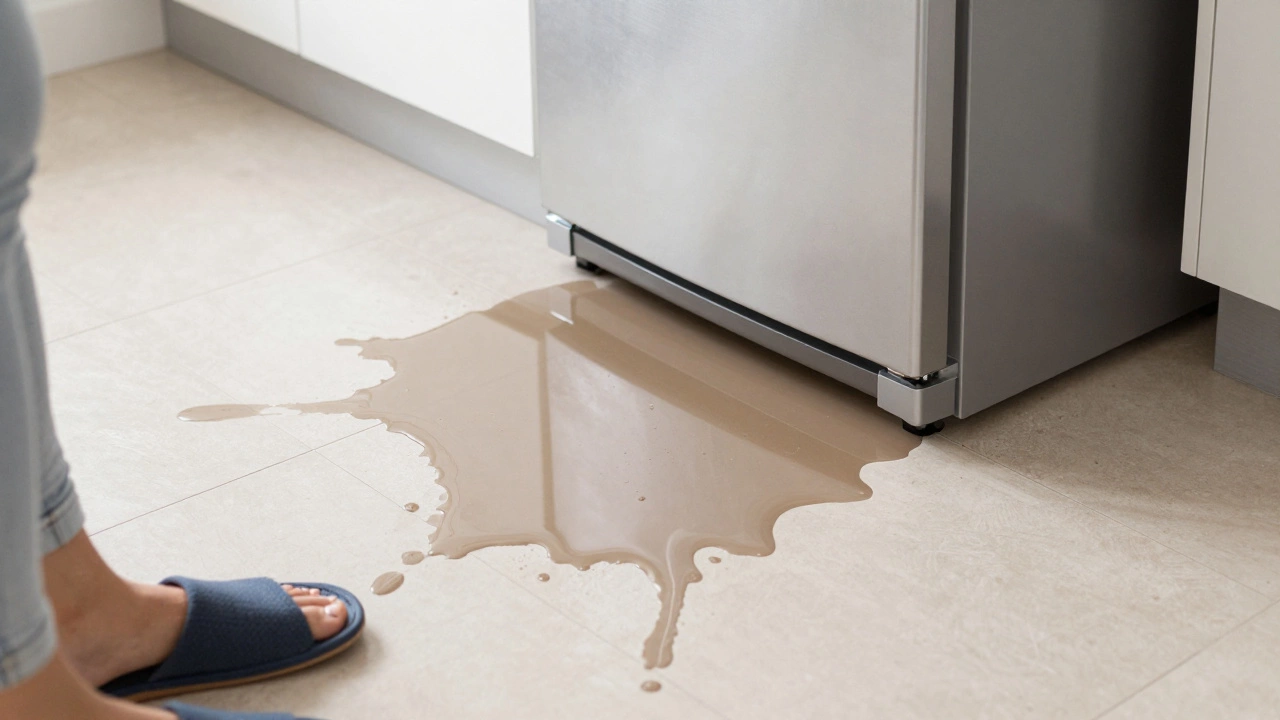
For those who decide to upgrade, look for units with a "power-outage" alarm. These will beep if the internal temperature rises above a certain threshold, so you don't have to find out your freezer quit by discovering a lake in your kitchen.