Appliance Maintenance Cost & Lifespan Calculator
Enter Appliance Details
Projected Outcomes
$--
$--
Recommendation:
Select options and click calculate to see personalized advice.
Quick Maintenance Checklist
- Clean refrigerator condenser coils (Every 6 months)
- Rinse dishwasher filter under warm water (Monthly)
- Vacuum dryer vent line completely (Annually)
- Inspect washing machine hoses for cracks (Annually)
- Run vinegar cycle in coffee/ice makers (Summer)
Your washing machine suddenly stops spinning. The refrigerator hums loudly but doesn't cool properly. These moments are frustrating, expensive, and often completely avoidable. Most homeowners wait until an appliance breaks down before thinking about it. But what if you could stop those emergencies before they start? That’s where appliance maintenance comes in.
Maintenance isn’t just for cars or computers. It’s a proactive approach to caring for the machines that keep your home running smoothly. By understanding what maintenance involves-and doing it regularly-you can save hundreds of dollars in repair bills, extend the lifespan of your devices, and avoid the hassle of calling a technician on a weekend emergency.
The Core Concept: Prevention Over Reaction
At its simplest, appliance maintenance means taking small, regular actions to keep your devices working efficiently. Instead of waiting for a breakdown, you clean, inspect, and adjust parts while everything is still functional. Think of it like brushing your teeth. You don’t wait for a cavity to form; you brush daily to prevent problems. The same logic applies to your fridge, oven, washer, and dryer.
Why does this matter? Because most major repairs stem from minor issues left unchecked. A clogged filter reduces airflow, making a motor work harder and overheat. Food residue in an oven damages heating elements. Lint buildup in a dryer creates fire hazards. Maintenance catches these small issues early, when they’re easy and cheap to fix-or even free if you do it yourself.
Appliance Maintenance is the practice of performing routine inspections, cleaning, and adjustments to household appliances to ensure optimal performance, safety, and longevity. Unlike reactive repairs, which happen after failure, maintenance is proactive. It includes tasks like descaling water lines, replacing filters, checking seals, and lubricating moving parts.
Why Regular Maintenance Saves You Money
Let’s talk numbers. According to industry data from the Association of Home Appliance Manufacturers (AHAM), proper maintenance can extend the average lifespan of major appliances by 3-5 years. For a $1,200 refrigerator or a $900 dishwasher, that’s significant value. More importantly, it prevents costly emergency repairs. A simple $20 filter replacement today might save you $300 tomorrow when a compressor fails due to overheating.
Maintenance also improves energy efficiency. Dirty coils on a fridge force the compressor to run longer, increasing electricity usage by up to 15%. Clogged dryer vents make dryers take twice as long to finish cycles, burning more gas or electricity. Clean, well-maintained appliances use less power, lowering your utility bills every month.
- Cost savings: Prevents major repairs and extends lifespan.
- Energy efficiency: Clean appliances use less electricity or gas.
- Safety: Reduces risks of fires, leaks, and electrical faults.
- Performance: Keeps appliances running at peak capacity.
DIY Maintenance Tasks You Can Do Yourself
You don’t need to be a technician to maintain most appliances. Many tasks are simple, require no special tools, and take less than 30 minutes. Here’s what you should handle monthly or quarterly:
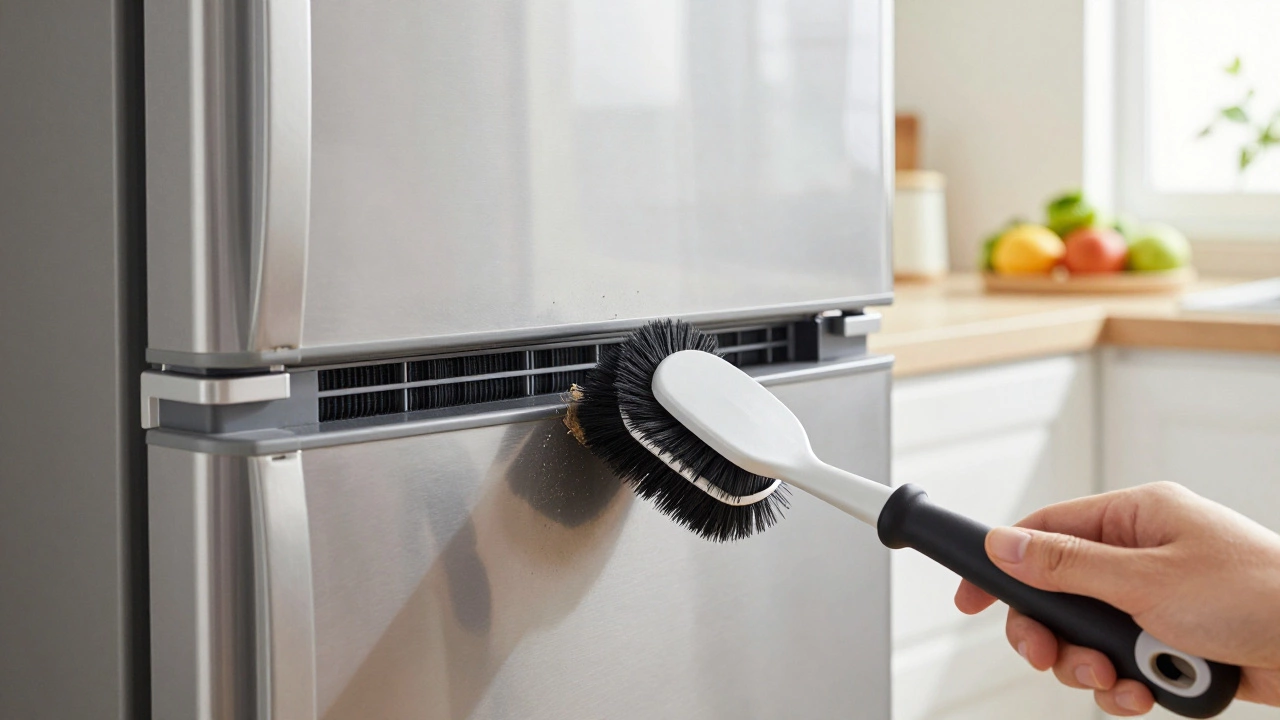
- Clean refrigerator coils: Locate the condenser coils (usually behind or beneath the fridge). Use a coil brush or vacuum attachment to remove dust and pet hair. Do this every six months.
- Replace dishwasher filters: Remove the filter at the bottom of the dishwasher, rinse under warm water, and scrub with a soft brush. Replace annually if damaged.
- Clear dryer lint traps: Empty the lint screen after every load. Once a year, disconnect the dryer hose and vacuum the entire vent line to prevent blockages.
- Wipe oven interiors: After cooling, use a damp cloth and mild detergent to clean spills. Avoid abrasive cleaners that scratch enamel.
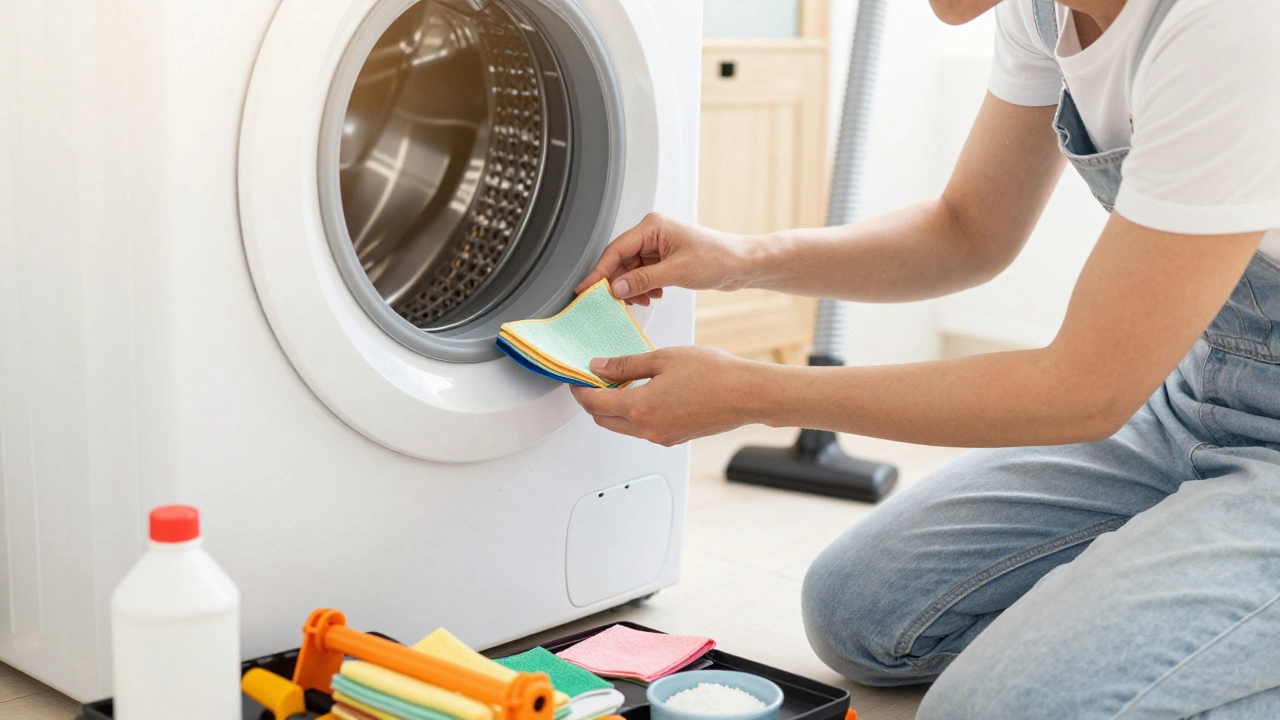
- Check washing machine hoses: Inspect rubber hoses for cracks or bulges. Replace them every three to five years to prevent flooding.
These steps cost almost nothing but pay off big time. I’ve seen clients spend $400 on a plumber because a washing machine hose burst-a problem that would have been caught during a basic visual check.
When to Call a Professional Technician
Not all maintenance jobs are safe or practical for homeowners. Some tasks involve high voltage, refrigerants, or complex mechanical systems. If you’re unsure, call a certified technician. Signs you need professional help include:
- Strange noises (grinding, screeching, banging) coming from motors or compressors.
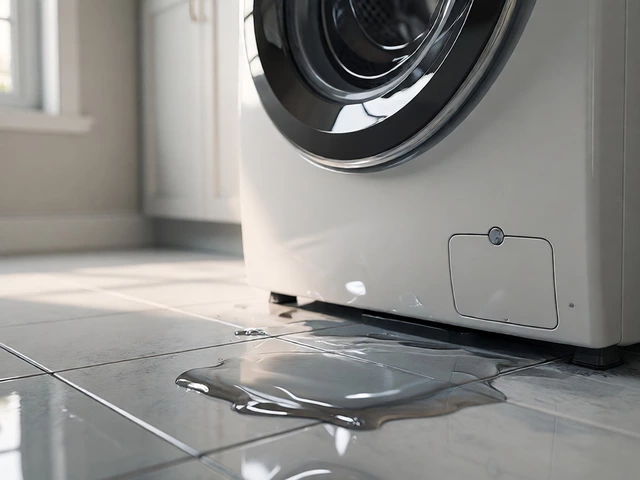
- Water leaks around dishwashers, washing machines, or ice makers.
- Error codes displayed on digital control panels.
- Appliances cycling on and off unexpectedly.
- Burning smells or visible smoke near any device.
Professional technicians perform annual tune-ups that go beyond surface cleaning. They test pressure valves, calibrate thermostats, check electrical connections, and verify gas lines. In Vancouver, where humidity affects HVAC and dryer performance, seasonal professional checks are especially valuable.
| Task Type | Who Should Do It? | Frequency | Estimated Cost |
|---|---|---|---|
| Cleaning filters & vents | Homeowner | Monthly-Quarterly | $0-$10 |
| Replacing worn seals/gaskets | Homeowner or Pro | Annually | $20-$80 |
| Thermostat calibration | Professional | Annually | $75-$150 |
| Refrigerant leak detection | Professional | As needed | $100-$300+ |
| Electrical system inspection | Professional | Every 2 Years | $90-$200 |
Seasonal Maintenance Checklist for Canadian Homes
Living in Canada means dealing with temperature swings, humidity changes, and hard water in many regions. Adjust your maintenance schedule accordingly:
- Spring: Deep-clean dryer vents after winter use. Check fridge door seals for wear caused by frequent opening.
- Summer: Run vinegar through coffee makers and ice makers to dissolve mineral buildup. Verify AC units aren’t obstructed by foliage.
- Fall: Inspect outdoor HVAC units before heating season starts. Test smoke detectors near ovens and stoves.
- Winter: Ensure freezer temperatures stay below -18°C. Check washing machine drain pumps for slow drainage due to cold pipes.
In Vancouver specifically, coastal moisture accelerates rust on metal components. Wipe down stainless steel surfaces with microfiber cloths and apply food-safe protectants to prevent corrosion. Also, monitor dehumidifier filters closely-they fill faster here than in drier climates.
Common Mistakes That Void Warranties
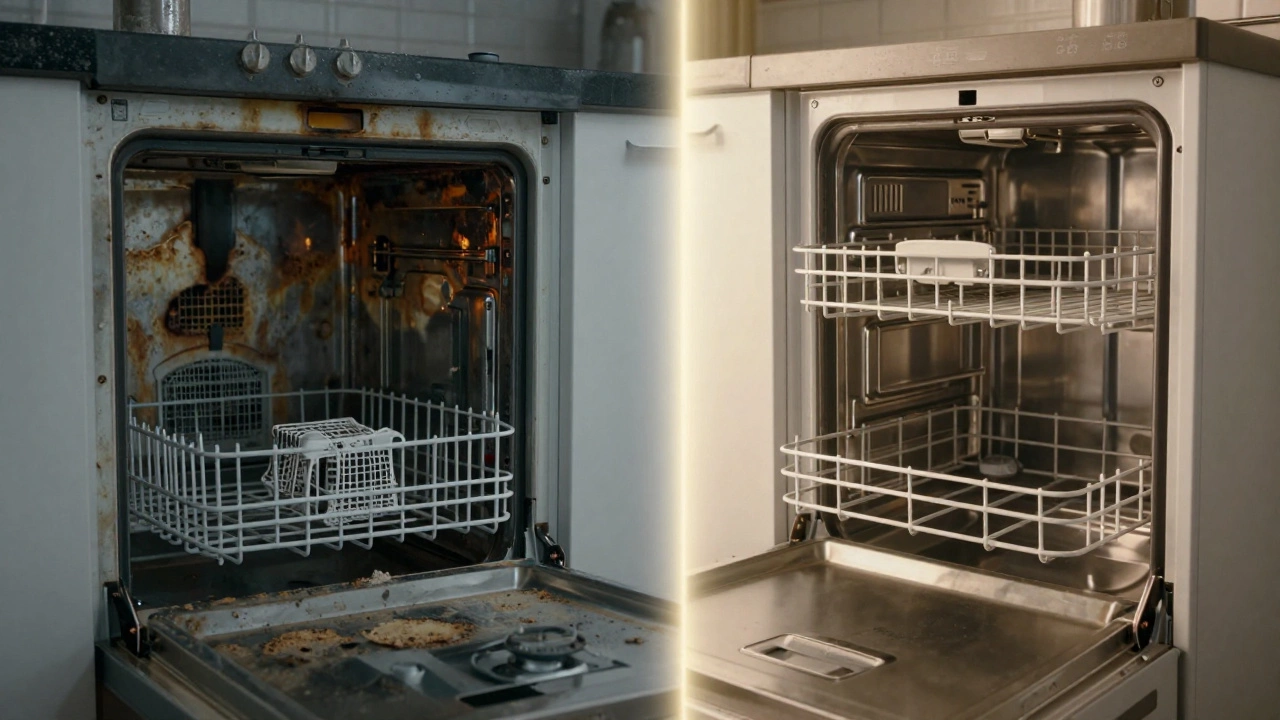
Many people assume warranties cover everything. They don’t. Most manufacturers void coverage if you skip required maintenance steps outlined in the manual. For example, failing to clean a range hood filter can void warranty claims related to fan motor failures. Not descaling a steam iron may invalidate heating element guarantees.
Keep a logbook or digital calendar tracking when you performed each task. Take photos before and after cleaning critical areas. This documentation helps prove compliance if disputes arise later. Always register new appliances online within 30 days of purchase-it activates warranty protection automatically.
How Long Do Appliances Last With Proper Care?
Lifespan varies by type, brand, and usage patterns. Here’s a realistic expectation based on Consumer Reports and AHAM guidelines:
- Refrigerators: 10-15 years
- Dishwashers: 7-10 years
- Washing Machines: 8-12 years
- Dryers: 10-13 years
- Ovens/Ranges: 10-15 years
- Microwaves: 5-10 years
High-end brands like Sub-Zero or Miele often last longer due to better build quality, but only if maintained properly. Budget models degrade faster without consistent care. Remember: buying expensive doesn’t guarantee durability. Consistent maintenance does.
Building a Sustainable Maintenance Routine
Create a system that works for your lifestyle. Set phone reminders for monthly tasks. Keep a dedicated drawer with supplies: microfiber cloths, baking soda, white vinegar, screwdrivers, and replacement filters. Involve family members-assign kids to empty lint traps or teens to wipe oven racks. Make it part of household chores, not an extra burden.
If you rent, communicate with landlords about shared appliances. Document existing conditions upon move-in. Request permission for minor upgrades like LED lighting in fridges or smart plugs for monitoring energy use. Tenants benefit too-well-maintained units reduce noise, improve comfort, and increase property value.
Is appliance maintenance really worth the effort?
Absolutely. Studies show that households practicing regular maintenance spend 40% less on repairs over ten years. Plus, cleaner appliances mean healthier indoor air quality and lower utility bills. The time invested pays back quickly.
Can I do all maintenance myself?
Most basic tasks yes, but complex systems involving gas, electricity, or refrigerants require licensed professionals. Attempting DIY fixes on sealed systems can cause injury or further damage. Know your limits.
How often should I schedule professional servicing?
Once a year for major appliances like HVAC systems, ranges, and large refrigerators. Smaller devices like microwaves or toasters rarely need pros unless malfunctioning. Follow manufacturer recommendations first.
Does skipping maintenance affect resale value?
Yes. Buyers notice dirty filters, stained interiors, and noisy operation. Well-documented maintenance history increases buyer confidence and allows sellers to command higher prices. It signals responsible ownership.
Are there eco-friendly cleaning products for appliances?
Definitely. White vinegar, baking soda, lemon juice, and castile soap work effectively for most surfaces. Avoid harsh chemicals containing ammonia or chlorine bleach-they corrode metals and harm plumbing over time.
What’s the biggest myth about appliance maintenance?
That “if it ain’t broke, don’t fix it.” Appliances degrade silently. Internal wear accumulates unnoticed until catastrophic failure occurs. Proactive care prevents surprise breakdowns and keeps performance steady.
Should I upgrade old appliances instead of maintaining them?
Only if repair costs exceed 50% of replacement price or if newer models offer substantial efficiency gains. Otherwise, extending current unit life through maintenance is usually smarter financially and environmentally.
How does hard water impact appliances?
Hard water leaves calcium deposits inside kettles, dishwashers, and washing machines. Over time, these scale layers insulate heating elements, reducing efficiency and causing premature burnout. Install water softeners or run monthly descaling cycles.
Can smart appliances reduce maintenance needs?
Some smart features alert users to filter replacements or error codes, helping catch issues early. However, sensors themselves can fail, and connectivity adds complexity. Traditional appliances often remain simpler to maintain long-term.
Where can I find official maintenance guides?
Manufacturer websites provide downloadable PDF manuals with detailed instructions. Search using model numbers found on rating labels inside doors or backs of units. Retailers like Best Buy or Home Depot also host support sections.