Appliance Classification & Cost Estimator
Use this tool to evaluate whether an item qualifies as a commercial-grade appliance for your business needs and estimate its long-term financial impact.
Classification Verdict
Est. Lifespan
Annual Energy Cost
Ready to Analyze
Fill in the specifications to determine if your asset meets commercial requirements and estimate its true cost.
You walk into a store to buy a fridge. You call a technician because your washing machine is leaking. But if you ask a procurement manager or an accountant what "appliance" means for their business, the answer might surprise you. It’s not just about keeping food cold or clothes clean. In the world of commerce, an appliance is a specific class of durable goods that bridges the gap between simple tools and complex machinery.
Why does this distinction matter? Because it changes how you buy them, how you insure them, and who fixes them when they break. If you’re running a café, a hotel, or even a home-based business, understanding the true definition of an appliance helps you avoid costly mistakes. Let’s clear up the confusion once and for all.
The Core Definition: More Than Just Kitchen Gadgets
In everyday language, we use the word loosely. To us, a toaster is an appliance. But in a business context, the definition is tighter. An appliance is generally defined as a device that uses electricity or gas to perform a specific household or commercial task. The key differentiator here is automation. Unlike a hammer, which requires manual force for every strike, an appliance performs its function with minimal human intervention once activated.
This distinction separates appliances from "equipment." Equipment often refers to broader categories of machinery used for production or construction, like a CNC router or a forklift. Appliances are typically consumer-facing or support functions. They maintain the environment (HVAC), preserve resources (refrigeration), or facilitate daily operations (laundry). For a business owner, recognizing this boundary helps in categorizing assets on your balance sheet correctly.
Commercial vs. Residential: The Hidden Differences
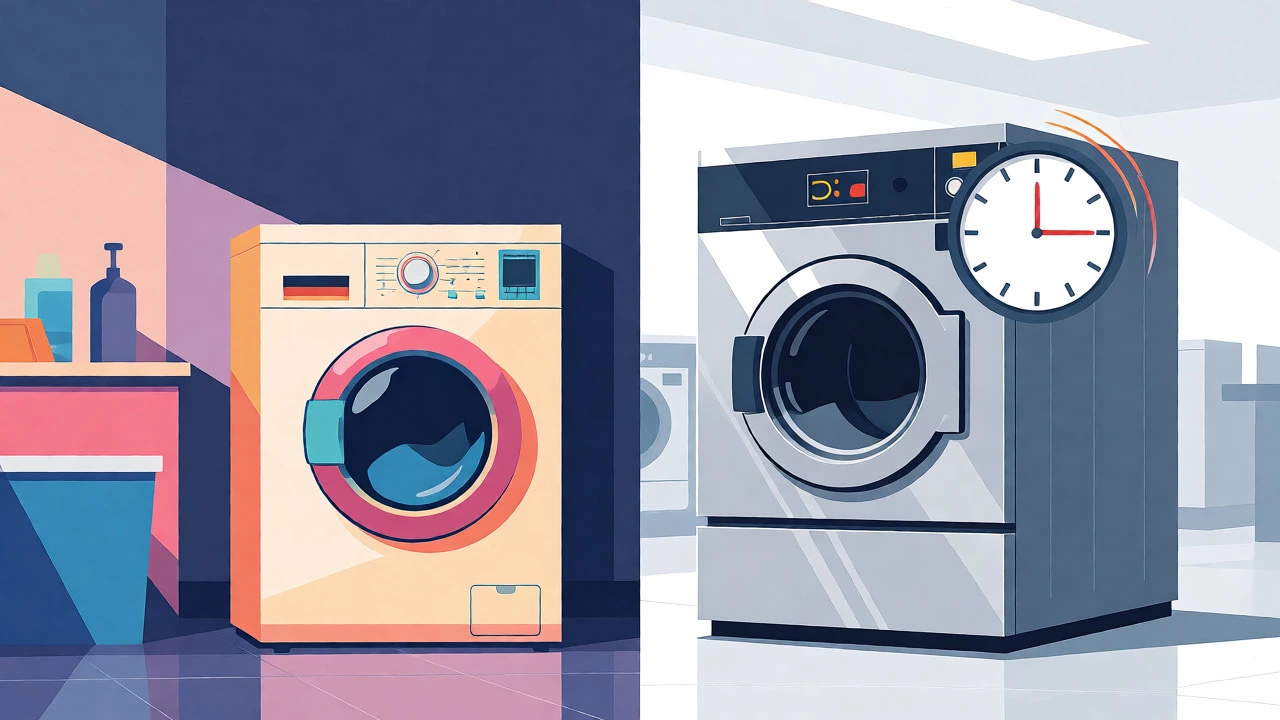
You might think a commercial dishwasher is just a bigger version of the one in your kitchen. That’s a dangerous assumption. While both are appliances, they belong to different engineering classes. Commercial appliances are built for continuous operation, higher volume, and stricter hygiene standards.
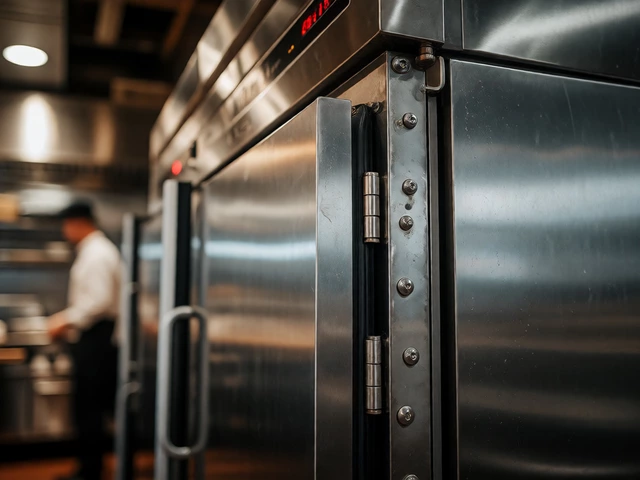
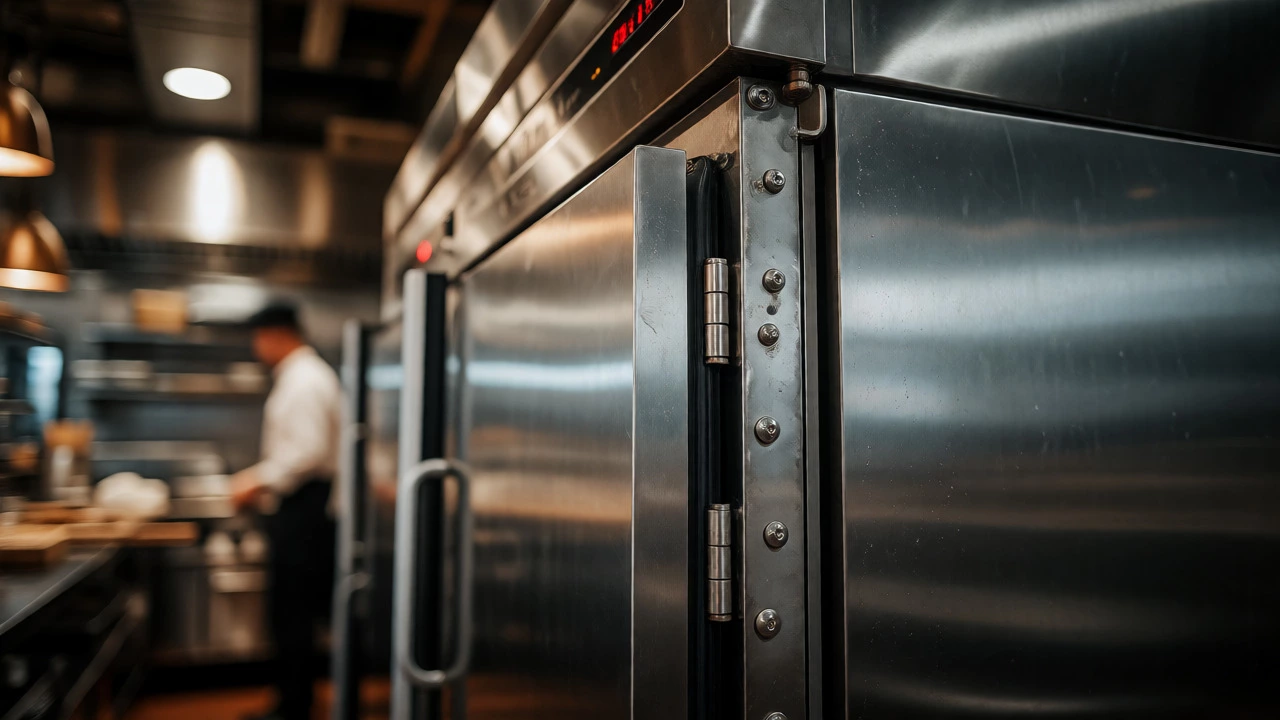
Consider a residential fridge. It runs intermittently, opening maybe ten times a day. A commercial reach-in refrigerator in a restaurant might open fifty times an hour. The compressor, insulation, and door seals must withstand that stress. If you try to run a residential unit in a high-traffic business, it will fail quickly. This isn’t just about durability; it’s about compliance. Health inspectors look for specific temperature logs and sanitation features that residential units simply don’t provide.
| Attribute | Residential Appliance | Commercial Appliance |
|---|---|---|
| Duty Cycle | Intermittent use (e.g., 30% uptime) | Continuous or heavy-duty (e.g., 80-100% uptime) |
| Materials | Plastic, coated steel, glass | Stainless steel, NSF-certified components |
| Serviceability | Consumer-grade parts, longer lead times | Modular design, rapid-replacement parts |
| Warranty | 1-2 years limited | 1 year parts/labor, extended options available |
Why Classification Impacts Your Bottom Line
So, why should you care about these technicalities? Because misclassifying an asset can hurt your cash flow. In accounting, appliances are often treated differently than furniture or electronics. Furniture depreciates slowly. Electronics become obsolete quickly. Appliances sit in the middle, but their lifespan depends heavily on usage intensity.
If you classify a heavy-duty industrial mixer as standard kitchen equipment, you might underestimate its maintenance costs. These machines require specialized technicians, not general handymen. Hiring the wrong person leads to voided warranties and repeated breakdowns. When you define something as an "appliance," you signal that it requires regular preventive maintenance, not just repair when it dies.
Furthermore, insurance policies distinguish between types of property damage. A fire caused by a faulty heating element in a dryer is covered differently than damage to stock inventory. Clear definitions ensure you aren’t left holding the bill after a disaster.
The Role of Energy Efficiency in Modern Definitions
Today, the definition of a good appliance includes its energy footprint. In Vancouver, where utility rates climb annually, efficiency is a business metric, not just an environmental choice. Modern appliances are judged by their kWh consumption per cycle.
For businesses, this shifts the buying criteria. You aren’t just looking for reliability; you’re calculating return on investment based on energy savings. A cheaper, inefficient model might save you $500 upfront but cost you $2,000 more over five years in electricity. Smart businesses now treat energy rating labels-like ENERGY STAR-as core specifications, equal to capacity or size.
Service and Maintenance: Who Fixes What?
Understanding what constitutes an appliance also clarifies who you call for help. There is a distinct industry for appliance service, separate from HVAC contractors or electricians. While there is overlap, appliance technicians specialize in diagnostic codes, control boards, and mechanical assemblies specific to devices like ovens, dishwashers, and washers.
General electricians might fix a wiring issue, but they may not know how to replace a sealed refrigerant system in a display cooler. Using a specialist ensures the job is done right the first time. This expertise protects your equipment’s longevity. Always check if your service provider has certifications for the specific brand or type of appliance you operate. Manufacturer-approved training matters, especially for warranty claims.
Beyond the Kitchen: Appliances in Non-Food Businesses
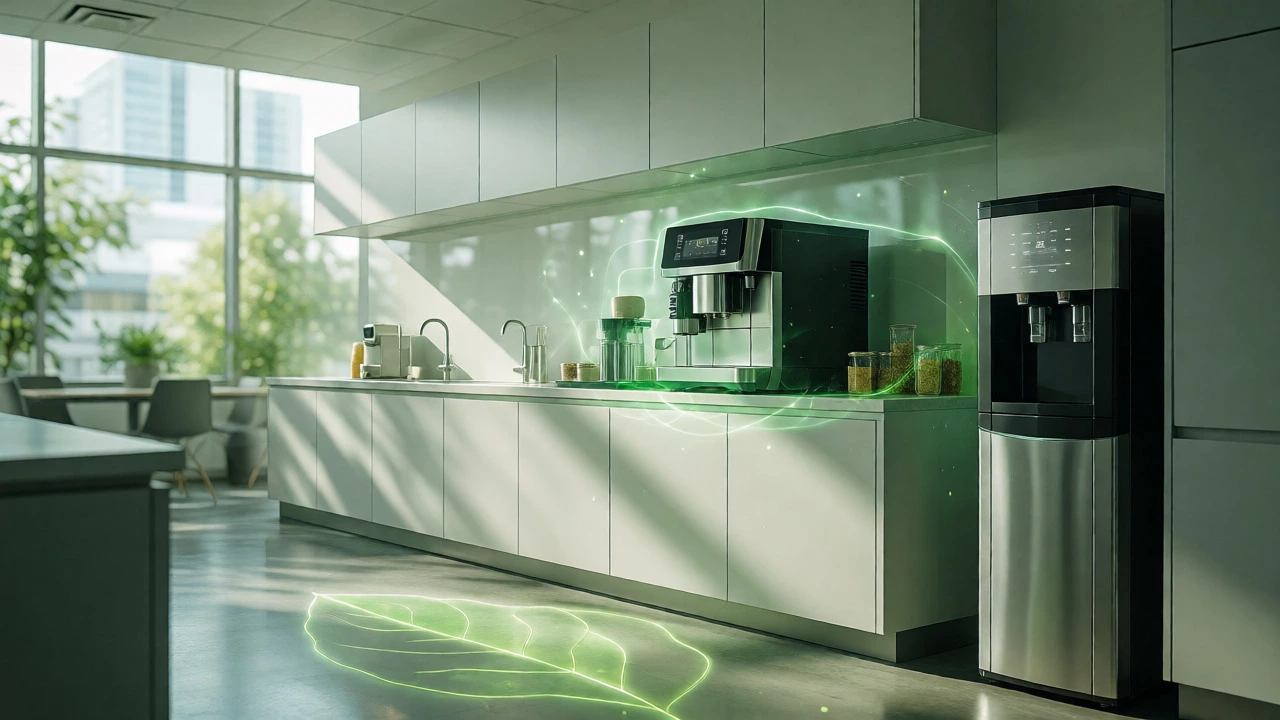
It’s easy to associate appliances only with restaurants or hotels. But almost every business relies on them. Offices need coffee machines and water coolers. Gyms have laundry facilities for towels. Salons use sterilizers and dryers.
These are all appliances under the business definition. They support the core service but aren’t part of the primary product delivery. Recognizing them as essential infrastructure helps in budgeting. If your salon’s towel washer breaks, your service slows down. Therefore, downtime planning must include backup plans for these support systems. Many businesses overlook this until a crisis hits.
Key Takeaways
- Definition: An appliance is an automated device using power to perform specific tasks, distinct from manual tools or heavy industrial machinery.
- Commercial Grade: Business appliances are engineered for continuous use, superior durability, and strict regulatory compliance compared to residential models.
- Financial Impact: Correct classification affects depreciation schedules, insurance coverage, and maintenance budgets.
- Energy Costs: Efficiency ratings are now critical financial metrics due to rising utility costs.
- Specialized Service: Appliance repair requires specialized technicians, distinct from general electricians or HVAC pros.
Frequently Asked Questions
Is a computer considered an appliance in business terms?
Generally, no. Computers fall under IT equipment or electronics. Appliances typically refer to devices that perform physical tasks like cleaning, cooking, cooling, or heating. While both use electricity, their lifecycle, maintenance needs, and replacement cycles differ significantly.
Can I use residential appliances in my small business?
You can, but it’s risky. Residential appliances lack the durability for commercial duty cycles. Using them in a business setting often voids the manufacturer’s warranty and leads to frequent breakdowns, which can disrupt operations and increase long-term costs.
How do I determine if an item is an appliance or equipment?
Ask yourself: Is it designed for end-user convenience or direct production? If it supports daily operations (like a fridge storing ingredients) rather than creating the product itself (like a pizza oven baking dough), it’s often classified closer to an appliance. However, tax classifications vary, so consult your accountant.
What is the average lifespan of a commercial appliance?
With proper maintenance, commercial appliances last 7-15 years. Refrigeration units tend to last longer (10-15 years), while cooking equipment and dishwashers may need replacement sooner (7-10 years) due to heat exposure and chemical wear.
Does energy efficiency really pay off for small businesses?
Yes. High-efficiency models reduce operating costs significantly over time. For example, an ENERGY STAR certified commercial dishwasher can save thousands in water and energy bills over its lifetime, offsetting the higher initial purchase price within a few years.