Water Heater Replacement Advisor
Analysis Complete
Review details below
Key Factors Identified
Financial Breakdown
| Repair Quote | $0 |
| New Unit Cost | $0 |
| Repair % of New | 0% |
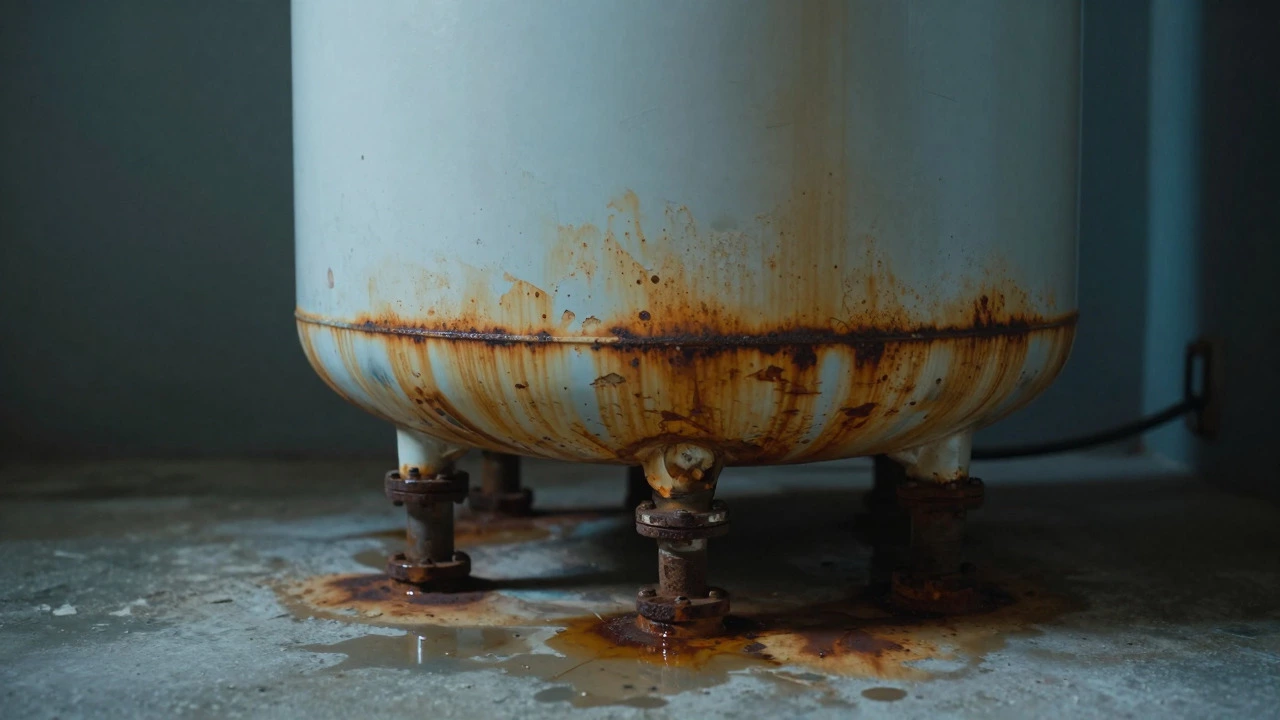
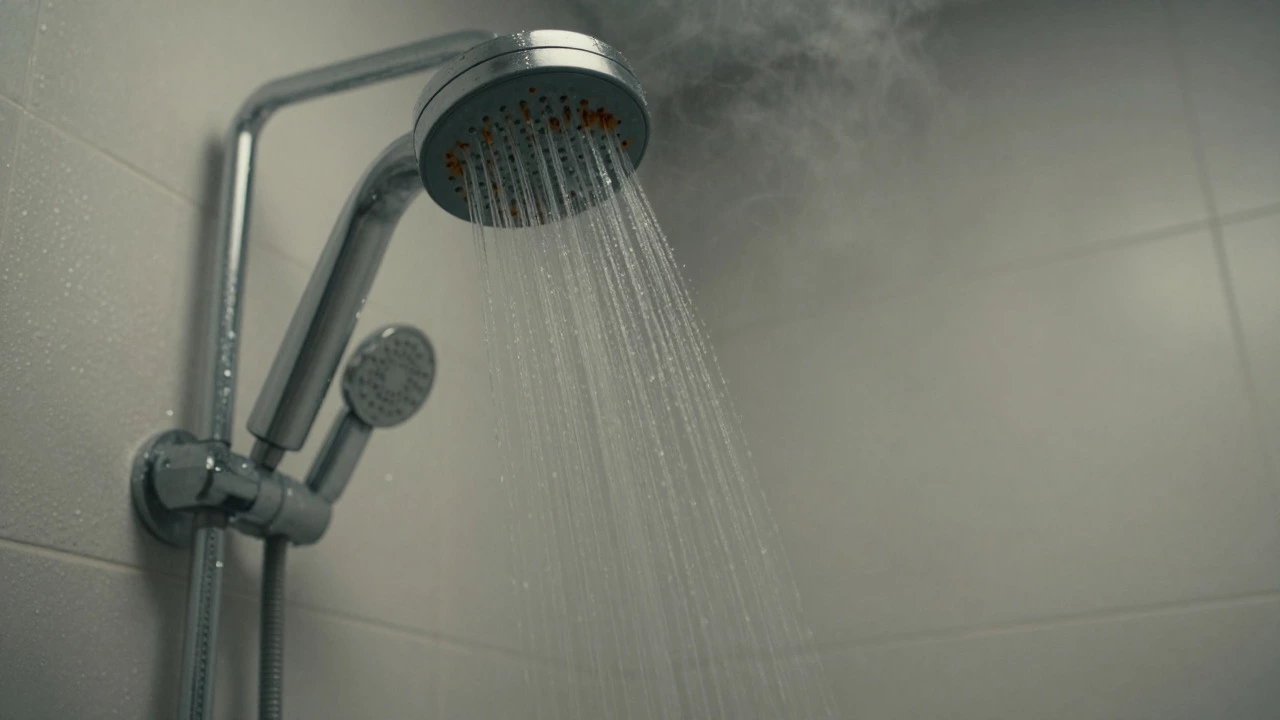
You turn on the shower for a morning rinse, and the water goes lukewarm after thirty seconds. Or maybe you notice a rusty ring forming around the base of your unit in the utility room. These aren't just annoyances; they are signals that your water heater is a critical home appliance responsible for heating domestic water, typically lasting 8 to 12 years depending on maintenance and type. Knowing when to stop fixing it and start replacing it can save you thousands in emergency repairs and prevent water damage to your home.
The Age Factor: When Time Runs Out
The single most reliable predictor of failure is age. Most standard tank water heaters have a functional lifespan of about eight to twelve years. If yours is older than ten, it’s entering its "senior years." During this phase, the internal components wear down, and the risk of catastrophic failure spikes significantly. While some units last longer, the probability of needing a full replacement increases with every passing year past the ten-year mark. For tankless water heaters, the outlook is better, with an average lifespan of fifteen to twenty years, but they still require regular descaling to maintain efficiency.
Visible Signs of Internal Corrosion
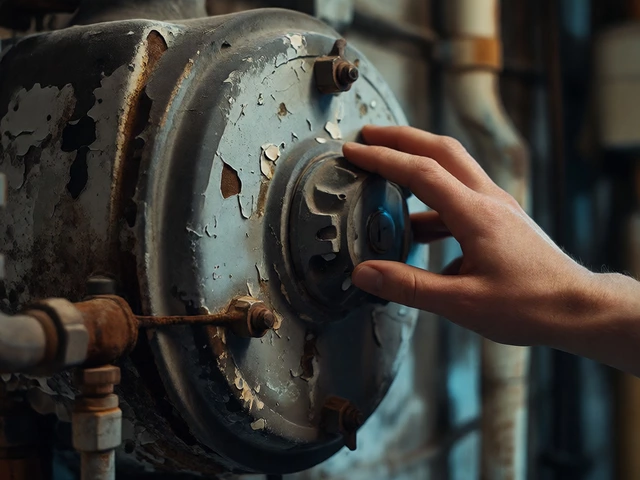
Rust is the enemy of any metal tank. If you see rust spots on the outside of your unit, it’s usually too late. By the time corrosion reaches the exterior surface, it has likely already eaten through the interior lining. This leads to leaks that start small but quickly become major floods. Look specifically at the bottom of the tank and around the pipe connections. Dampness or puddles in the area where the unit sits are classic indicators that the tank itself is failing. Unlike a leaky faucet, which can be fixed with a washer, a leaking tank usually means the entire unit needs to go.
Inconsistent Water Temperature and Flow
If your hot water suddenly turns cold in the middle of a shower, or if the temperature fluctuates wildly, your thermostat or heating element might be failing. However, if these issues persist despite professional cleaning or part replacements, the problem is often deeper. In gas models, a clogged burner assembly or a faulty flame sensor can cause inconsistent heating. In electric models, one of the two heating elements may have burned out, leaving the other to work overtime. When both elements fail or the thermostat loses accuracy, the cost of parts and labor often approaches the price of a new unit, especially if the system is old.
Noisy Operations: Popping and Rumbling
A healthy water heater should run quietly. If you hear popping, rumbling, or gurgling noises coming from the tank, sediment is building up at the bottom. Over time, this mineral deposit (mostly calcium and magnesium) hardens and insulates the tank from the heat source. The water trapped between the sediment and the burner or element boils, creating steam bubbles that pop as they escape. While flushing the tank can remove loose sediment, heavily baked-on deposits can cause the tank to overheat locally, leading to warping and eventual rupture. If the noise is loud and constant, it’s a sign that the tank is under significant stress.
Discolored or Smelly Water
If your hot water smells like rotten eggs, it’s likely due to sulfur bacteria reacting with the anode rod. The anode rod is a sacrificial component designed to corrode before the steel tank does. If you haven’t replaced it in three to five years, it may be completely used up, allowing the tank to corrode. Additionally, if your water looks brown or orange, it indicates rust particles mixing into your supply. This isn't just an aesthetic issue; it means the structural integrity of the tank is compromised. Replacing the anode rod is cheap, but if the tank is already corroded, the rod won't save it.
Repair vs. Replace: Making the Financial Call
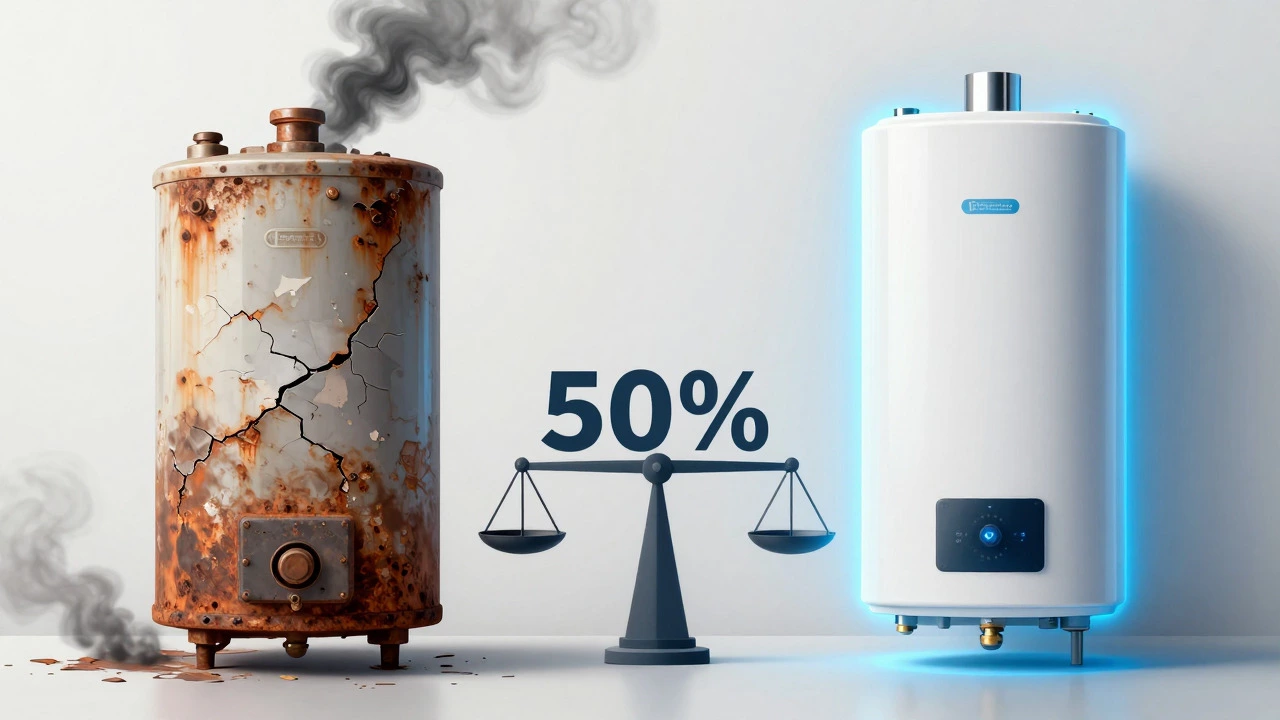
When deciding whether to fix or replace, use the 50% rule. If the repair cost is more than half the price of a new unit, and the current unit is more than five years old, replace it. This heuristic accounts for the fact that an aging system is likely to fail again soon. For example, if a new high-efficiency unit costs $1,500 installed, and a repair quote comes in at $800, it’s smarter to buy new. You get a fresh warranty, improved energy efficiency, and peace of mind. Conversely, if the unit is only three years old and the repair is minor (like a new thermostat), fixing it makes sense.
| Feature | Tank Water Heater | Tankless Water Heater |
|---|---|---|
| Average Lifespan | 8-12 years | 15-20 years |
| Upfront Cost | Lower ($1,000-$1,500) | Higher ($2,000-$3,500) |
| Maintenance Needs | Annual flush, anode rod check | Bi-annual descaling |
| Failure Mode | Sudden leak/flood | Gradual loss of flow/efficiency |
| Best For | Budget-conscious buyers, smaller homes | High usage households, long-term savings |
Energy Efficiency and Modern Upgrades
If you’re replacing a unit older than fifteen years, consider upgrading to a high-efficiency model. Older tanks lose significant heat through their outer shell, wasting energy. Newer condensing units recover heat from exhaust gases, boosting efficiency by 30% or more. In Vancouver, where natural gas rates fluctuate, this efficiency gain can offset the higher upfront cost within three to five years. Additionally, smart water heaters allow you to monitor usage patterns and detect leaks early via mobile apps, adding a layer of safety that older mechanical units simply don’t offer.
Preventive Maintenance Tips to Extend Life
Whether you keep your current unit or install a new one, proper maintenance extends its life. Flush the tank annually to remove sediment buildup. Test the pressure relief valve quarterly to ensure it opens properly and releases excess pressure. Inspect the anode rod every three years; if more than 50% is consumed, replace it. These simple tasks take less than an hour and can add several years to the life of your equipment. Neglecting them is the fastest way to trigger the very failures discussed above.
Frequently Asked Questions
How often should I replace the anode rod?
You should inspect the anode rod every three years. If it is more than half consumed, replace it immediately. In areas with soft water, it may last longer, while hard water accelerates consumption. Keeping this rod healthy is crucial because it protects the steel tank from corrosion.
Is it worth repairing a 15-year-old water heater?
Generally, no. At 15 years, a tank water heater is well beyond its expected lifespan. Even if you fix one component, others are likely to fail shortly after. Unless the repair is extremely minor (under $100), replacement is the financially safer choice to avoid unexpected flooding or total breakdown.
What causes a water heater to leak from the top?
Leaks from the top are usually caused by a failed T&P (Temperature and Pressure) relief valve or a cracked inlet/outlet pipe fitting. These are often repairable without replacing the whole unit. However, if the leak is coming from the tank body itself near the top, it indicates severe internal corrosion, requiring replacement.
Can a tankless water heater handle multiple showers at once?
It depends on the unit's flow rate capacity, measured in gallons per minute (GPM). A standard residential tankless unit can typically handle one shower and a sink simultaneously. To support two full showers, you need a high-capacity unit or a dual-unit setup. Always match the GPM rating to your household's peak demand.
How much does it cost to replace a water heater in Vancouver?
As of 2026, expect to pay between $1,200 and $1,800 for a standard tank installation, including labor and disposal. Tankless installations range from $2,500 to $4,000 depending on complexity and required gas line upgrades. Prices vary based on brand, efficiency rating, and local permit fees.