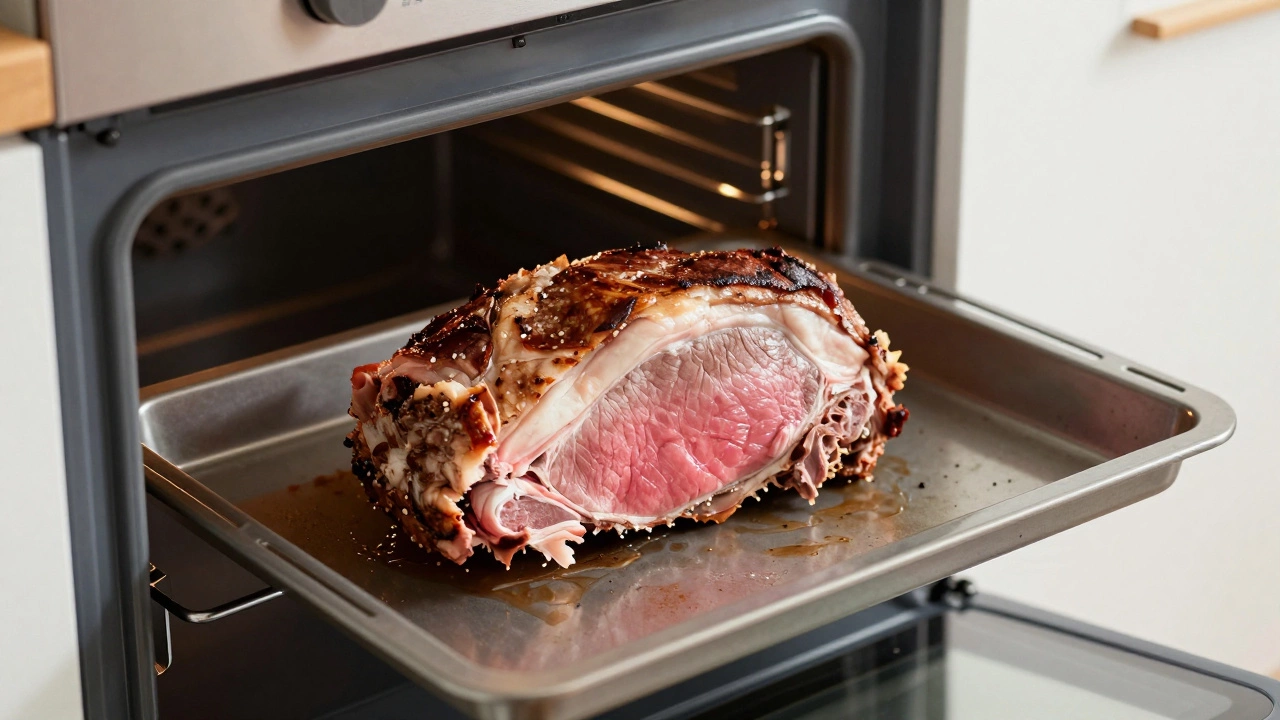
Oven Troubleshooting Diagnostic Tool
Is your oven acting up? Answer a few questions to narrow down the likely culprit before you call a technician.
Diagnosis Result
Quick Troubleshooting Cheat Sheet
- No heat at all: Check the circuit breaker or the heating element.
- Uneven baking: Likely a failed bake element or a calibration issue.
- Temperature swings: Often a faulty temperature sensor or thermostat.
- Slow preheating: Could be a worn-out element or a leaking door seal.
- Burning smell (non-food): Possible electrical short or wiring failure.
First, let's define what we're dealing with. An Electric Oven is a kitchen appliance that uses electrical energy to create heat through resistance elements, controlled by a thermostat to maintain a specific internal temperature. Unlike gas ovens, which use a flame, electric ovens rely on conductive coils to warm the air. When these components fail, the symptoms are usually very specific.
The Tell-Tale Signs of a Dead Heating Element
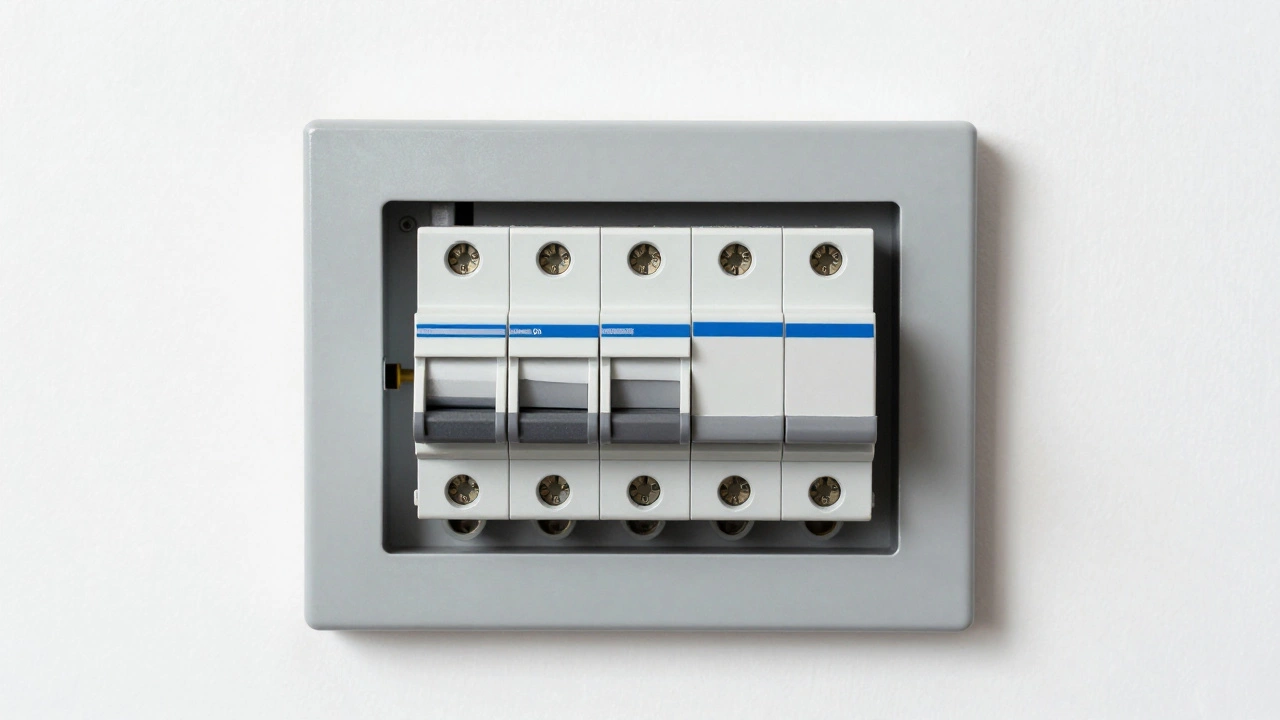
Most electric ovens have two main heat sources: the bake element (bottom) and the broil element (top). If one of these dies, your oven won't be completely dead, but it'll be useless for most recipes. A failed Heating Element is the most common cause of electric oven repair requests. How do you spot it?
Look for visual clues. If you see a blister, a crack, or a spot where the coil has actually melted or broken, that's your culprit. But sometimes the damage is internal. If you set the oven to bake and the bottom coil doesn't glow red (in older models) or the oven takes twice as long to reach 350°F, you've likely got a break in the internal filament. If you're handy, you can test this with a Multimeter; a reading of "infinite ohms" or an open circuit confirms the part is toast.
| Symptom | Likely Element Failure | Likely Sensor Failure |
|---|---|---|
| Preheating Time | Extremely slow or never happens | Heats quickly but to wrong temp |
| Food Quality | Raw on bottom / Uncooked | Burnt or undercooked inconsistently |
| Visual Cues | Blisters or breaks on the coil | No visual change; error codes on screen |
| Control Panel | Usually looks normal | Often displays "F' codes (e.g., F3) |
When the Thermostat or Sensor Goes Rogue
If your oven is heating, but it's just... wrong, you're likely looking at a Temperature Sensor problem. This is a small metal probe usually located in the upper back corner of the oven cavity. Its job is to tell the control board when the air has reached the target temperature.
When this sensor fails, it sends the wrong signal. You might set the oven to 325°F, but the sensor tells the oven it's only at 200°F, causing the elements to run indefinitely. This leads to scorched food. Conversely, if the sensor thinks it's 400°F when it's actually 250°F, the oven will shut off the heat prematurely, leaving your cake a gooey mess. A great way to test this is with a standalone oven thermometer. If the digital display says 350°F but the physical thermometer shows 300°F, your sensor needs calibration or replacement.
Power Issues: Is it the Oven or the House?
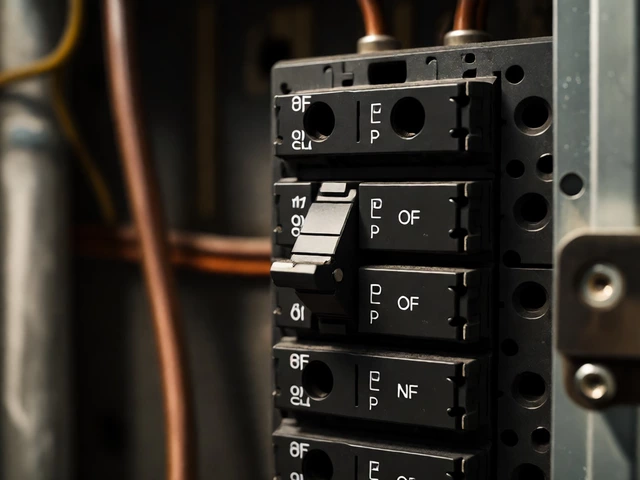
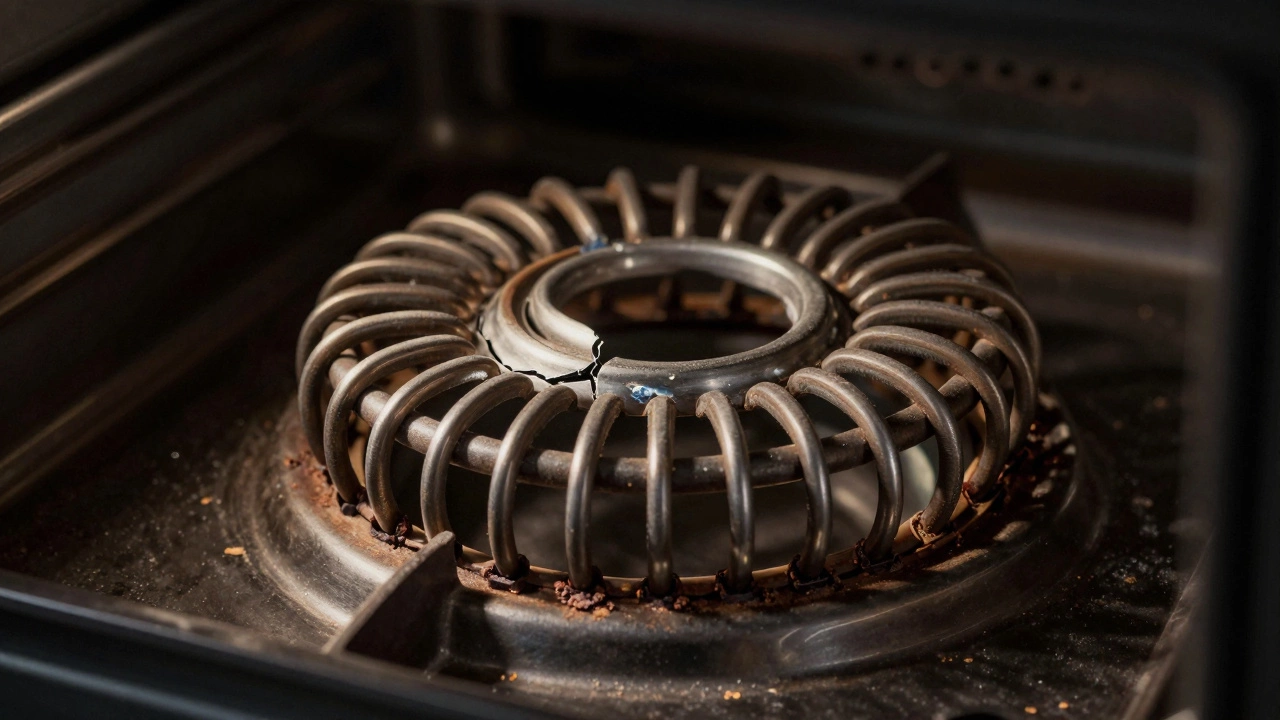
Before you panic and call a pro, check your Circuit Breaker. Electric ovens pull a massive amount of current, often requiring a double-pole breaker. It is surprisingly common for one half of a 240V circuit to trip while the other stays on. In this scenario, your oven lights and clock might work, but the heating elements won't get enough power to actually produce heat.
Check your electrical panel for any switches that are partially flipped. Flip it all the way off, then back on. If the breaker trips again immediately after you turn the oven on, you don't have a "broken oven" in the traditional sense-you have a short circuit that could be dangerous. In that case, stop using the appliance immediately and call an electrician.
The Silent Culprit: Leaky Door Gaskets
Sometimes the oven is technically working, but it *feels* broken because it won't hold heat. This is often due to a worn-out Door Gasket. That rubbery seal around the door keeps the heat inside. Over years of slamming the door and exposure to high heat, the seal cracks or compresses.
You can perform a simple "paper test" to check this. Close the oven door on a piece of paper. If you can pull the paper out with zero resistance, the seal isn't tight enough. Heat escapes, the sensor notices the temperature drop, and the oven has to work twice as hard to keep up. This doesn't just waste electricity; it leads to uneven cooking because the heat is leaking out of the top or sides of the door.
Control Board Glitches and Error Codes
Modern ovens are essentially computers that happen to get hot. The Electronic Control Board (ECB) is the brain that manages timers, temperature, and the elements. When this board fails, the oven behaves erratically. You might see a "ghost" button press, or the display might start flashing a cryptic code like "F3" or "E1".
These codes are actually a gift. They tell you exactly where the failure is happening. For instance, many brands use "F" codes to indicate a sensor failure or a communication error between the board and the heating element. If the oven simply refuses to start even though the power is on and the elements look fine, the relay on the control board might have burned out. This is a more complex repair and usually requires a professional to avoid frying the rest of the electronics.
Is it Worth Fixing or Should You Replace?
The big question: do you spend $300 on a repair or $1,200 on a new oven? A good rule of thumb is the "50% rule." If the oven is more than halfway through its expected lifespan (usually 10-15 years) and the repair costs more than 50% of a new unit, buy a new one. However, replacing a heating element or a sensor is a relatively cheap and easy fix that can add five more years to your appliance's life.
Why is my oven taking so long to preheat?
This is usually caused by one of three things: a failing heating element that can no longer reach peak temperature, a faulty temperature sensor that is misreading the heat, or a leaky door gasket that is letting heat escape faster than the oven can produce it.
Can I replace the heating element myself?
Yes, if you are comfortable with basic tools. You'll need to disconnect the power, unscrew the element from the oven wall, and swap the wires to the new part. However, if you aren't comfortable working with high-voltage electricity, it's safer to hire a professional.
Why does my oven smell like burning plastic?
If it's a brand new oven, it's likely just "burn-off" from the factory coatings. But if it's an old oven, a plastic smell usually indicates an electrical short or melting wire insulation. Turn it off immediately and have it inspected to avoid a fire hazard.
My oven is on, but the food isn't cooking. Is it a fuse?
Electric ovens don't usually have "fuses" in the way a car does, but they do have thermal fuses that trip if the oven overheats. If the fuse is blown, the oven will lose all heating capability. This usually requires a technician to diagnose and replace.
How do I know if the sensor is bad or the element is bad?
Use a standalone oven thermometer. If the thermometer shows the oven is hitting the correct temperature but the food is still uncooked or the display is lying, it's a sensor issue. If the thermometer shows the oven simply isn't getting hot, it's likely the heating element.
Next Steps for Homeowners
If you've narrowed down the problem, your path depends on your skill level. For those who aren't DIY-inclined, the best move is to document the error code and the specific behavior (e.g., "bottom not heating") before calling a technician. This helps them bring the right parts on the first visit.
For the DIY crowd, start with the easiest fix: the circuit breaker. Then move to a visual inspection of the elements. If you're buying parts, always use the model number found on the oven's frame (usually inside the door or drawer) to ensure the part is compatible. Don't guess-electric oven parts vary wildly even between different years of the same model.