Microwave Repair vs. Replacement Calculator
Enter Your Details
Result
- Estimated Repair Cost: $0
- New Unit Cost (Avg): $0
- Potential Savings: $0
*Estimates based on 2026 average market rates.
Fill in the details and click Calculate to see if you should fix your microwave or buy a new one.
Your microwave starts making a loud humming noise but the food stays cold. Or maybe it sparks violently every time you hit start. If this is happening, your magnetron is likely failing. This component is the heart of your microwave, generating the microwaves that cook your food. When it goes bad, the whole appliance becomes useless for its primary purpose. The big question isn't just whether it *can* be fixed, but whether it makes financial sense to fix it.
For most homeowners in 2026, the short answer is no. Replacing a magnetron is rarely worth the cost compared to buying a new unit. However, there are exceptions, especially if you have a high-end built-in model or an older unit with sentimental value. Let’s break down the costs, the risks, and the few scenarios where repair actually wins.
The Quick Takeaways: Should You Fix It?
- Countertop Microwaves: Almost never worth repairing. A new unit costs less than the labor + parts to fix the old one.
- Built-in/Over-the-Range Models: Sometimes worth repairing if the cabinet installation is expensive or the model is high-end (e.g., Bosch, Viking).
- Labor Costs Dominate: The magnetron itself is cheap ($30-$80), but professional labor can exceed $150-$250.
- Safety Risk: Microwaves hold lethal voltage even when unplugged. DIY repair is dangerous without proper training.
- Age Factor: If your microwave is over 7 years old, other components (capacitors, diodes) may fail soon after.
What Is a Magnetron and Why Does It Fail?
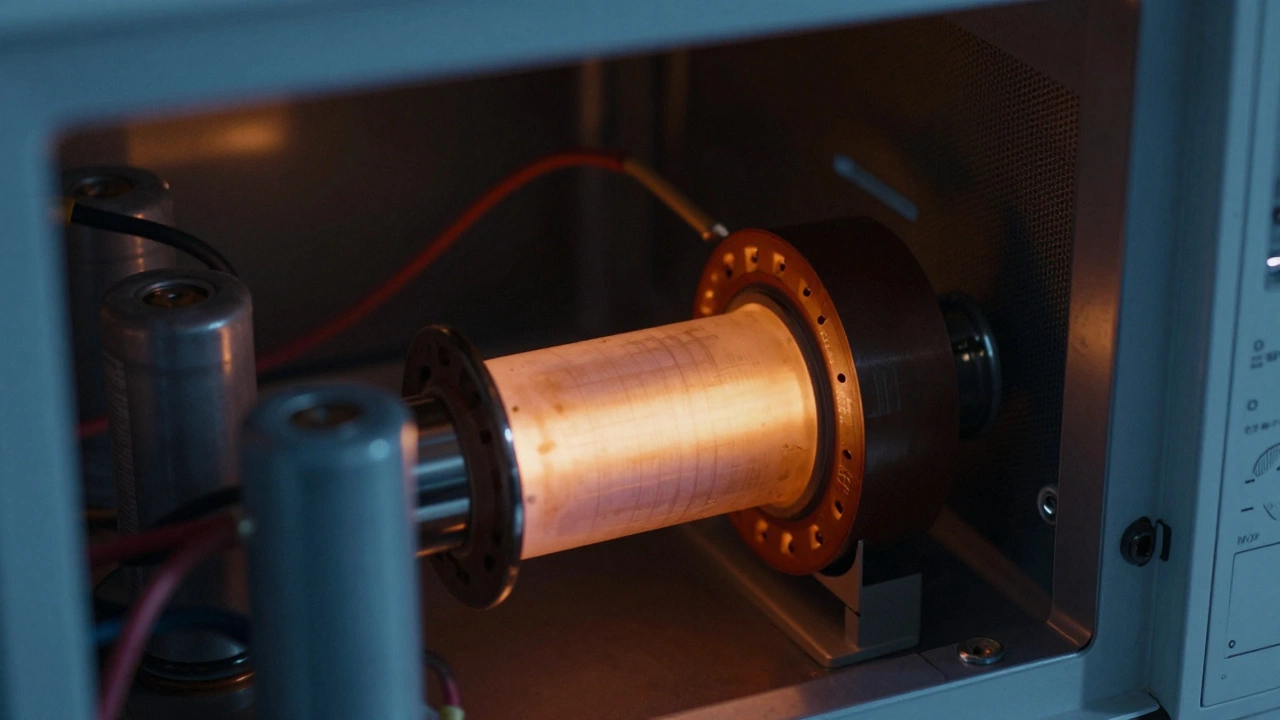
To understand why repairs are tricky, you need to know what you’re dealing with. A magnetron tube is a vacuum tube that converts electrical current into microwave radiation. It sits inside a metal shield within the microwave cavity. Unlike mechanical parts like door hinges or turntable motors, the magnetron has no moving parts. Instead, it wears out due to heat and electron emission degradation over time.
Common signs of magnetron failure include:
- No heating: The light turns on, the turntable spins, but food remains cold after several minutes.
- Loud humming or buzzing: The magnetron struggles to generate waves, causing excessive noise.
- Sparking or arcing: Damage to the waveguide cover or internal corrosion causes visible sparks near the magnetron area.
- Burnt smell: Overheating elements inside the tube can emit a distinct acrid odor.
It’s crucial to distinguish magnetron failure from other issues. A blown fuse, faulty high-voltage diode, or broken capacitor can also cause a microwave to stop heating. These components are cheaper and easier to replace. If you’re handy with electronics, testing these first might save you money. But if diagnostics confirm the magnetron is dead, the decision tree shifts dramatically.
The Real Cost Breakdown: Parts vs. Labor
Let’s look at the numbers. In 2026, the average price for a replacement magnetron ranges from $30 to $80 depending on the brand and wattage. High-end models used in premium appliances can cost up to $120. That sounds affordable, right? Here’s where it gets complicated.
| Cost Component | Estimated Price Range | Notes |
|---|---|---|
| Magnetron Part Only | $30 - $120 | Varies by brand; generic replacements may not match original specs. |
| Professional Labor | $150 - $250+ | Includes diagnosis, disassembly, reassembly, and safety testing. |
| Diagnostic Fee | $50 - $90 | Often waived if you proceed with repair; charged separately otherwise. |
| Total Repair Cost | $230 - $460+ | Can exceed the price of a new mid-range microwave. |
| New Countertop Microwave | $80 - $250 | Basic to mid-range models available at major retailers. |
| New Built-in Microwave | $400 - $1,200+ | High-end models with smart features or integrated designs. |
As you can see, the part itself is inexpensive. The real killer is labor. Microwave repair requires specialized skills because of the high-voltage hazards. Technicians must discharge the capacitor safely, remove multiple panels, test components with multimeters, and ensure the unit meets safety standards after reassembly. This takes time-usually 1 to 2 hours of skilled work.
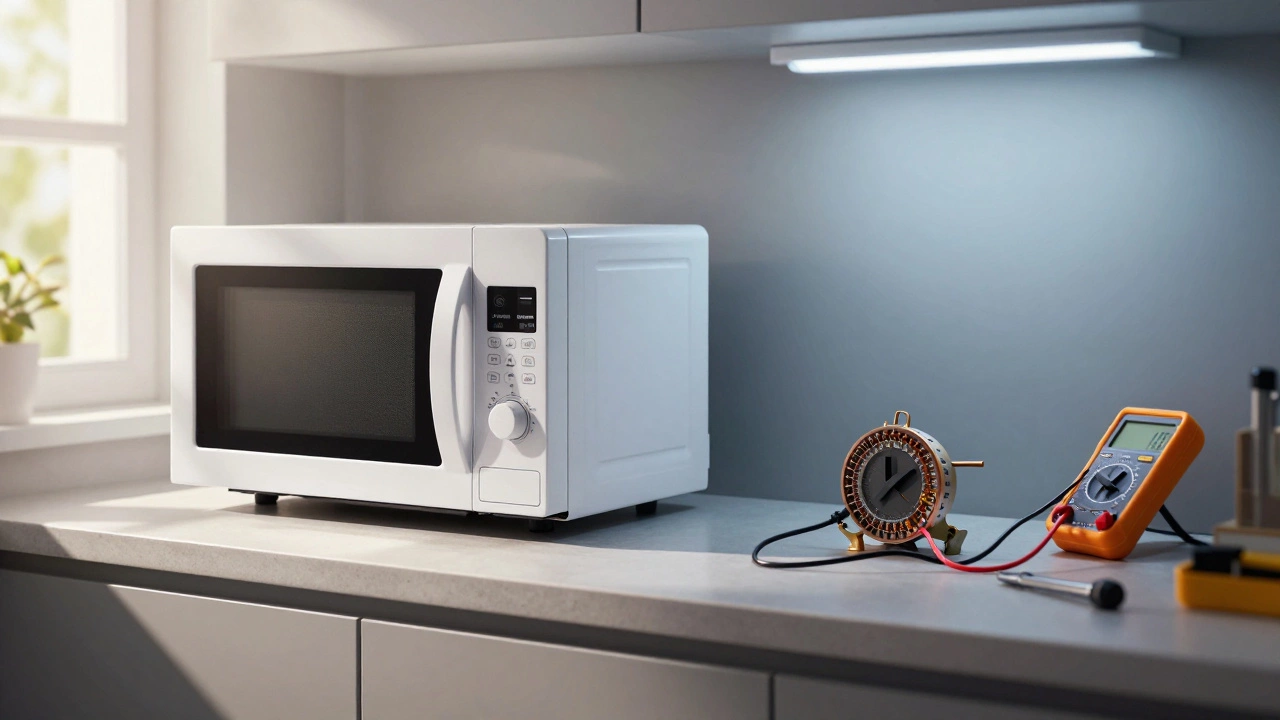
If you attempt a DIY repair, you save on labor but introduce significant risk. Microwaves contain capacitors that can store enough charge to kill you even when unplugged. Improper handling can also lead to microwave leakage, which poses health risks. Unless you have experience with high-voltage electronics and proper tools, DIY is not recommended.
When Is Replacement Actually Worth It?
While the general rule favors replacement, there are specific scenarios where repairing the magnetron makes sense.
1. High-End Built-In or Over-the-Range Models
If you own a premium microwave installed above your range or built into cabinetry, removal and reinstallation can cost $200-$500 in carpentry and electrical work alone. Brands like Bosch, Viking, or Wolf often have units priced at $800+. In these cases, spending $300 to replace the magnetron preserves the investment and avoids costly cabinetry modifications.
2. Commercial or Industrial Units
Restaurants and cafes use heavy-duty microwaves designed for continuous operation. These units cost $1,000+ and are built to last. Replacing the magnetron extends the lifespan significantly and is standard maintenance practice in commercial kitchens.
3. Sentimental or Vintage Value
Some people keep older microwaves for aesthetic reasons (e.g., retro designs) or because they prefer the cooking performance of older models. If emotional value outweighs financial logic, repair is justified.
4. Warranty Coverage
If your microwave is under warranty, the magnetron replacement may be free or low-cost. Check your manufacturer’s terms before paying out of pocket. Many brands offer 1-5 year warranties on parts and labor.
Why Buying New Often Makes More Sense
For the average household with a standard countertop microwave, buying new is usually the smarter choice. Here’s why:
- Technology Advances: Newer microwaves feature inverter technology, which provides more consistent power levels and better cooking results. Older models use simple on/off cycling, leading to uneven heating.
- Energy Efficiency: Modern units consume less electricity while delivering the same or better performance. This saves money on utility bills over time.
- Safety Features: Newer models include child locks, auto-shutoff sensors, and improved shielding against microwave leakage.
- Warranty Protection: A new unit comes with a full warranty, whereas a repaired one relies on the technician’s guarantee, which may be limited.
- Convenience: No waiting for parts or scheduling repairs. Buy online or pick up locally and start using it immediately.
Consider this: if your microwave is 5+ years old, other components like the high-voltage transformer, diode, or control board may fail soon after. Investing in a magnetron repair now could mean facing another repair bill in six months. A new unit resets the clock on all components.
DIY Risks: What You Need to Know Before Attempting Repair
If you’re determined to try replacing the magnetron yourself, here are critical safety steps:
- Unplug the microwave: Never work on a plugged-in unit. Wait at least 24 hours after unplugging to allow capacitors to discharge naturally.
- Discharge the capacitor manually: Use an insulated screwdriver with a rubber handle to short the capacitor terminals. Wear insulated gloves and eye protection.
- Test for residual voltage: Use a multimeter to confirm the capacitor is fully discharged before touching any components.
- Follow service manuals: Obtain the official service manual for your model. Diagrams show exact locations of screws, connectors, and safety warnings.
- Replace related components: If the magnetron failed due to overheating, check the cooling fan and waveguide cover. Replace them if worn.
- Leakage testing: After reassembly, use a microwave leakage detector to ensure no radiation escapes. Levels above 5 mW/cm² are unsafe.
Even with precautions, mistakes happen. One wrong move can damage the control board, create fire hazards, or expose you to harmful radiation. If you’re unsure at any step, stop and call a professional.
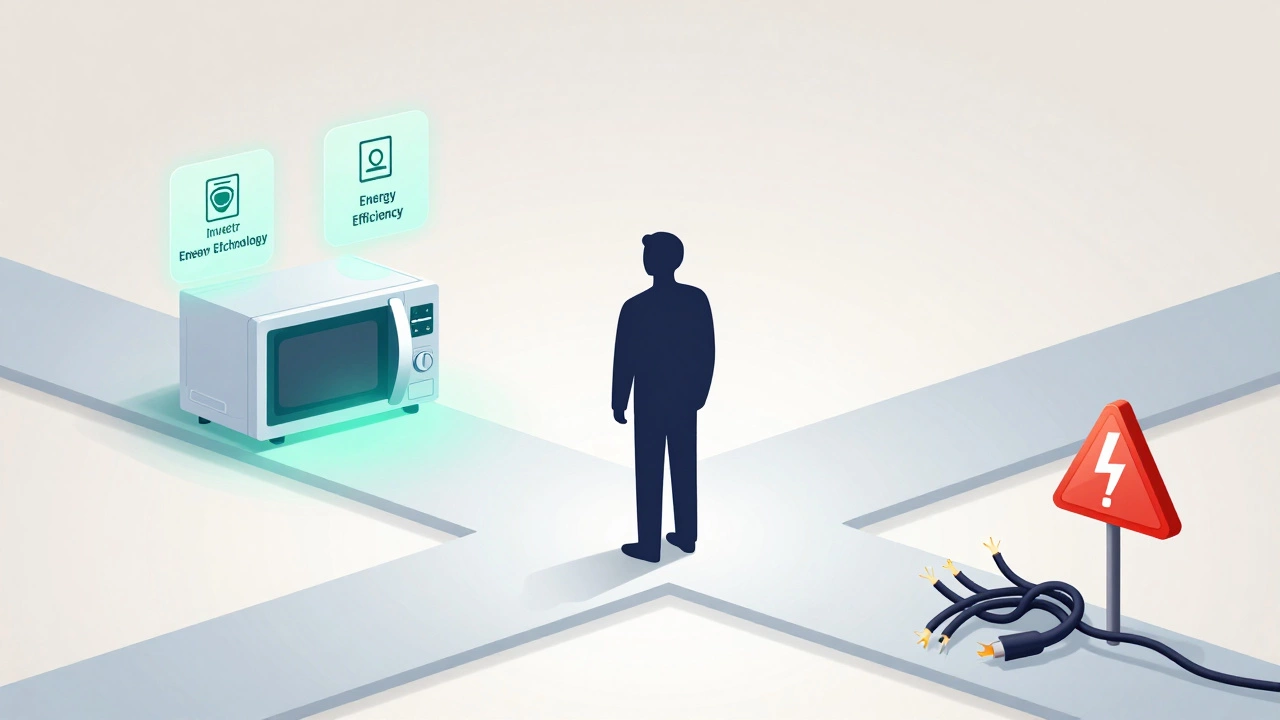
How to Decide: A Simple Checklist
Use this checklist to make your final decision:
- ✓ Is my microwave under warranty? → Repair (if covered)
- ✓ Is it a high-end built-in model costing $600+? → Repair (if labor + parts < 50% of new unit cost)
- ✓ Is it a basic countertop model under $200? → Replace
- ✓ Is the microwave over 7 years old? → Replace (other parts likely failing soon)
- ✓ Do I lack technical skills or safety equipment? → Replace
- ✓ Am I comfortable with high-voltage risks? → Consider DIY only if experienced
If you answered “replace” to most questions, skip the repair. Visit a retailer, compare features, and choose a model that fits your needs. Look for inverter technology, easy-clean interiors, and reliable brands like Panasonic, Toshiba, or GE.
Frequently Asked Questions
How long does a microwave magnetron typically last?
A magnetron usually lasts between 7 to 10 years with regular use. Heavy usage, such as daily reheating of large meals, can shorten its lifespan. Poor ventilation or frequent cleaning with abrasive materials may also accelerate wear.
Can I replace just the magnetron, or do I need other parts too?
You can replace just the magnetron, but it’s wise to inspect related components like the high-voltage diode, capacitor, and cooling fan. If these are worn, they should be replaced simultaneously to prevent future failures. Technicians often recommend swapping them out during magnetron replacement.
Is it safe to use a microwave with a failing magnetron?
No. A failing magnetron can cause sparking, overheating, or microwave leakage. Sparking may ignite flammable materials inside the cavity. Leakage exposes users to non-ionizing radiation, which can cause tissue damage with prolonged exposure. Stop using the microwave immediately if you suspect magnetron issues.
Where can I buy a replacement magnetron?
Replacement magnetrons are available through appliance parts suppliers like Sears PartsDirect, AppliancePartsPros, or Amazon. Search using your microwave’s model number to ensure compatibility. Generic replacements may work but often lack the durability of OEM (Original Equipment Manufacturer) parts.
Will replacing the magnetron fix all heating problems?
Not necessarily. While magnetron failure is a common cause of no-heating issues, other components like the high-voltage transformer, diode, or control board could be at fault. Proper diagnosis is essential. A technician will test each component systematically before recommending a magnetron replacement.
How much does a professional microwave repair cost?
Professional microwave repair typically costs $150-$300, including diagnostic fees and labor. Magnetron replacement adds $30-$120 for the part. Total costs can reach $400+ for complex repairs. Always request a written estimate before authorizing work.
Are newer microwaves easier to repair than older ones?
Generally, no. Newer microwaves often use proprietary parts and complex circuit boards that are harder to source and replace. Older models tend to have simpler designs with widely available components. However, newer units benefit from better build quality and longer warranties.
Can I transfer my old microwave’s settings to a new one?
Most basic microwaves don’t store customizable settings beyond presets like popcorn or defrost. Smart microwaves with Wi-Fi connectivity may allow cloud-based profile transfers via companion apps. Check your new model’s manual for migration options.
Next Steps Based on Your Situation
If you’ve decided to replace your microwave, here’s how to choose wisely:
- Identify your needs: Do you need a compact unit for small spaces, or a large capacity for family meals? Consider wattage (1000W+ for faster cooking) and interior volume (1.0-2.2 cu ft).
- Compare features: Look for sensor cooking, inverter technology, and easy-clean linings. Avoid overly complex controls if simplicity is preferred.
- Check reviews: Read user feedback on reliability and customer service. Brands like Panasonic and Toshiba consistently rank high for durability.
- Dispose responsibly: Recycle your old microwave through local e-waste programs. Many retailers offer take-back services when you purchase a new unit.
If you opt for repair, find a certified technician with positive reviews. Ask about warranty coverage for the repair and request a detailed invoice listing parts and labor. Keep records for future reference.
Ultimately, the decision boils down to economics and convenience. For most households, buying new offers better value, modern features, and peace of mind. Save the repair route for high-end installations or unique circumstances where replacement doesn’t make financial sense.