Broken Oven Element Decision Tool
Your oven just stopped getting hot? Don't panic. Answer these three questions and we'll tell you if it's safe to use, what you can still cook, and roughly what a fix costs.
Select your answers and hit Check My Oven to see your verdict.
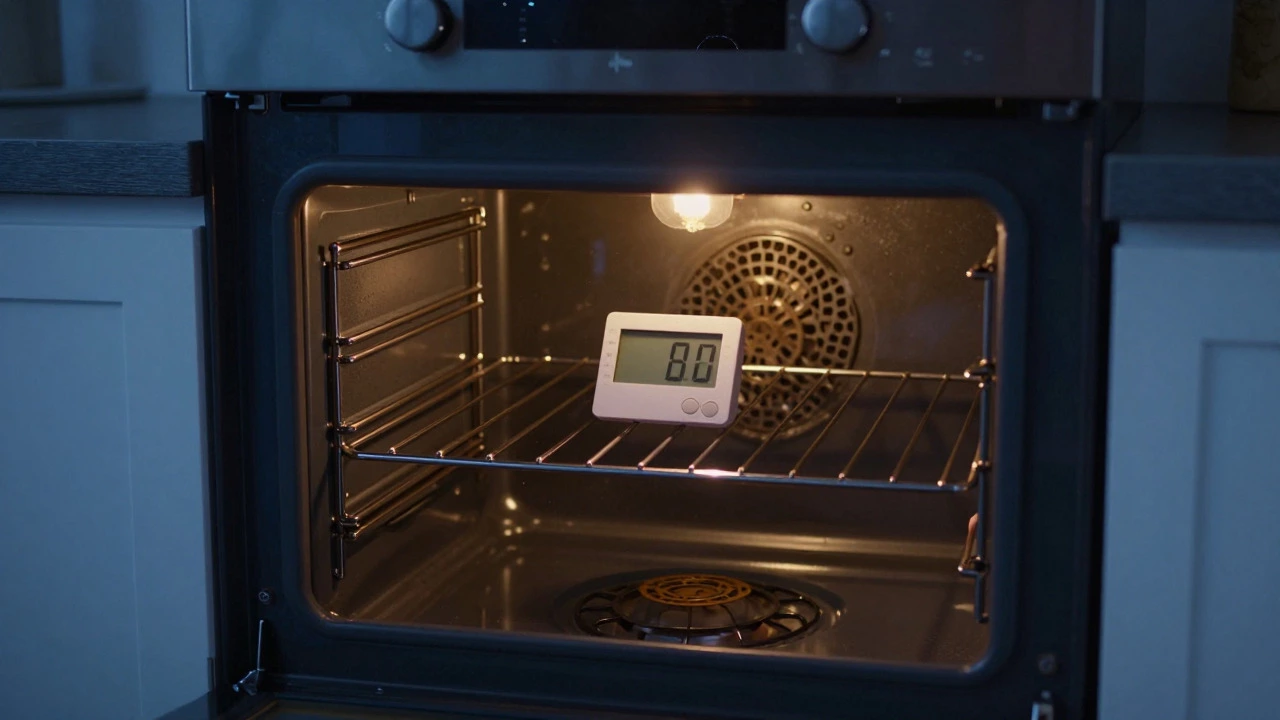
It’s 6 PM on a Friday. Dinner is supposed to be ready in forty minutes, and you just realized your electric oven isn’t getting hot. The fan spins, the light works, but the interior stays lukewarm. You’ve likely diagnosed the culprit: a broken heating element. Now comes the panic. Can you still use it? Is it safe? Or are you stuck eating cold leftovers?
The short answer is: it depends on what you’re trying to cook and how badly the element is damaged. While a fully functional oven requires both top and bottom elements for even baking, some tasks can technically proceed with partial heat or no heat at all. However, jumping into a broken appliance without understanding the risks can lead to burnt food, wasted ingredients, or even electrical hazards.
Understanding How Your Oven Generates Heat
To figure out if your oven is usable, you first need to understand how it works. Most standard electric ovens have two main heating components: the bake element (usually at the bottom) and the broil element (at the top). Some models also include a convection fan that circulates air to distribute heat evenly.
When you set the oven to “Bake,” the thermostat typically activates the bake element first. Once the temperature gets close to your target, it may switch to the broil element or cycle both to maintain consistency. If one of these elements burns out, the oven loses its primary source of radiant heat. Without this, the internal temperature rarely exceeds 150°F-200°F, which is far too low for most cooking methods like roasting, baking cakes, or melting cheese properly.
Is It Safe to Run an Oven With a Dead Element?
Safety is the biggest concern here. A broken heating element doesn’t usually pose an immediate fire risk if it simply stopped working. However, there are scenarios where caution is needed:
- Frayed Wiring: If the element snapped and exposed wires, sparks could occur when the current tries to flow through the gap. This is rare but dangerous.
- Loose Connections: A disconnected element might cause the control board to work harder, potentially overheating other components.
- Smoke Odors: If you smell burning plastic or metal, turn off the oven immediately. This suggests insulation damage or a short circuit near the element housing.
If the element is intact but just not heating (a common failure mode), running the oven is generally safe for short periods. Just keep an eye out for unusual smells or sounds. If everything looks normal, you can proceed with limited functionality.
What Can You Actually Cook Without a Working Element?
This is where it gets interesting. Even without heat, your oven is still a sealed, dry chamber. Here are practical ways to use it:
- Reheating Leftovers: If your leftovers are already warm from the fridge or room temperature, the residual heat from the oven cavity (if any) or ambient warmth can help. Better yet, use the microwave for speed.
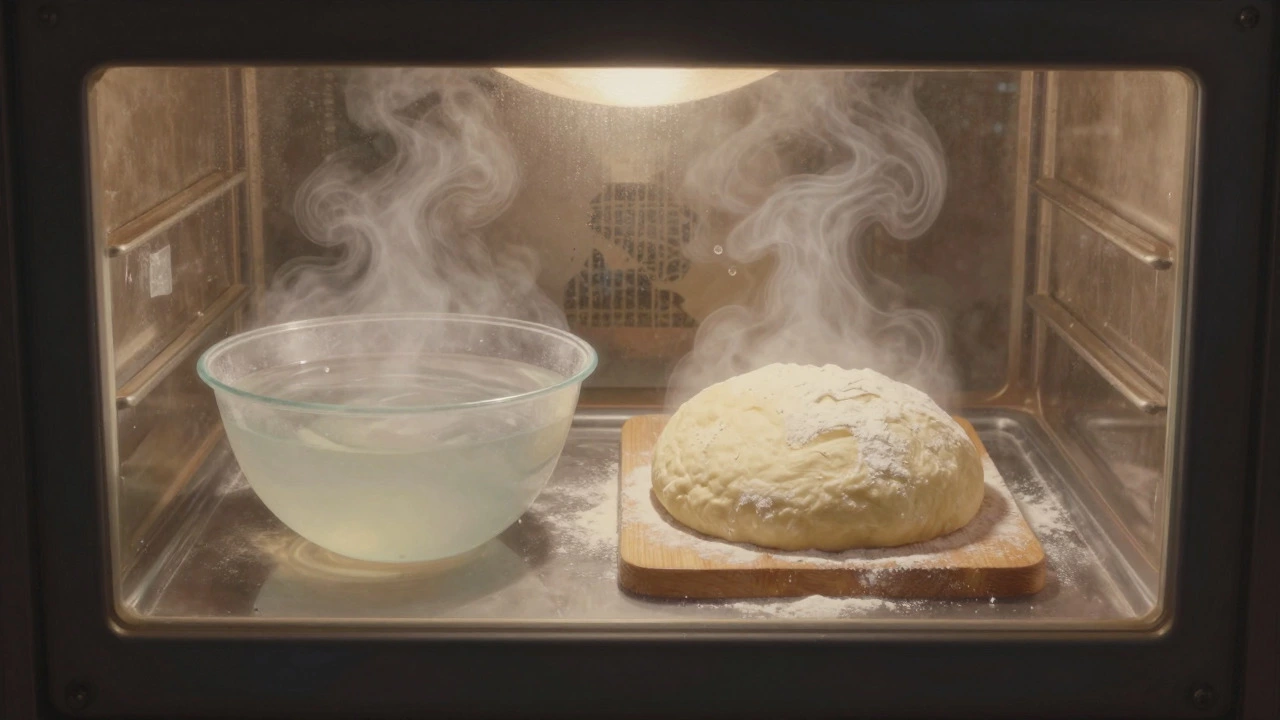
- Proofing Dough: Yeast doughs need a warm, draft-free environment. Set the oven to its lowest setting (even if it doesn’t reach temp) and place a bowl of hot water inside. This creates humidity and mild warmth, perfect for rising bread or pizza dough.
- Drying Herbs or Flowers: Low heat over a long period is ideal for dehydrating. If your oven has a “Keep Warm” function that cycles the fan, this can gently dry herbs without burning them.
- Melting Chocolate (Indirectly): Place a heat-safe bowl over a pot of simmering water on the stovetop, not in the oven. But if you must use the oven, set it to the lowest possible temp and monitor closely to avoid seizing the chocolate.
Notice what’s missing? No cookies, no roasted chicken, no melted mac and cheese. These require sustained temperatures above 300°F. Without a working element, you’re out of luck for traditional baking.
DIY Check: Is the Element Really Broken?
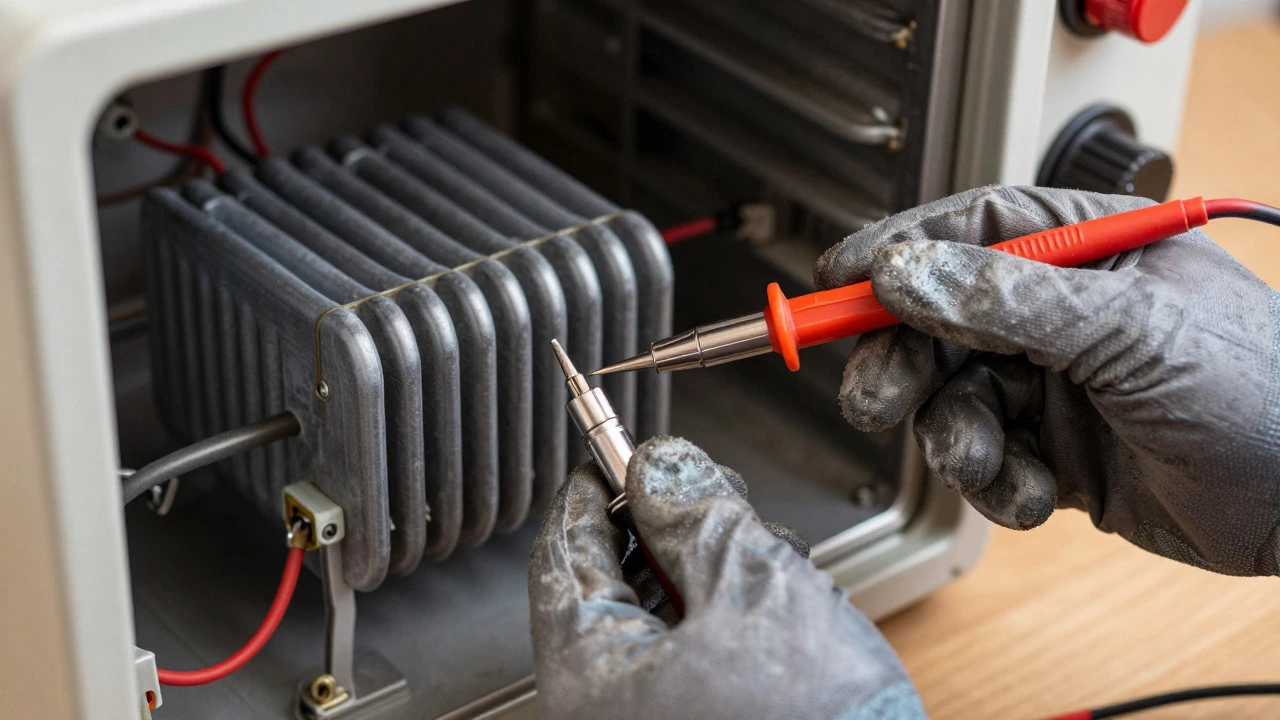
Before calling a repair technician, verify the issue yourself. A burned-out element often shows visible signs: blackened spots, cracks, or a sagging wire. Unplug the oven first for safety.
Use a multimeter to test continuity. Set it to the resistance (ohms) setting. Touch the probes to the two terminals of the element. A good element will read between 10 and 30 ohms. If you get “OL” (open loop) or zero resistance, the element is dead. Replacement elements cost between $15 and $40 depending on the brand and model. Installation takes about 15-20 minutes if you’re comfortable with basic tools.
Pro tip: Take a photo of the wiring connections before disconnecting anything. It saves time when reassembling.
Comparison: Baking vs. Broiling with One Element Down
| Cooking Mode | Top Element Only | Bottom Element Only | Both Elements Down |
|---|---|---|---|
| Baking Cookies | Possible (top-heavy browning) | Possible (bottom-heavy browning) | Not Recommended |
| Roasting Vegetables | Good (crispy tops) | Poor (steamed effect) | Not Possible |
| Broiling Meat | Excellent | Poor | Not Possible |
| Proofing Bread | Good | Good | Acceptable with Hot Water Trick |
As you can see, having one element working gives you more flexibility than none. If only the bottom element is out, you can still broil effectively. If only the top is out, you can still bake, though the top of your food may stay pale.
When to Call a Professional
You should stop DIY efforts and call a repair service if:
- The element keeps burning out repeatedly (indicates a faulty thermostat or control board).
- You hear buzzing or clicking noises from the back of the oven.
- The display flickers or shows error codes (like E1 or F5, depending on brand).
- You’re uncomfortable working with 240-volt circuits.
In Vancouver, average oven repair costs range from $150 to $300, including parts and labor. Given that replacement elements are cheap, many homeowners opt to replace them themselves to save money. But if the issue is electrical beyond the element, professional diagnosis is worth the investment.
Preventing Future Element Failures
Heating elements don’t last forever. On average, they fail after 8 to 10 years of regular use. You can extend their life by:
- Avoiding thermal shock: Don’t put ice-cold pans into a preheated oven.
- Cleaning spills promptly: Caramelized sugar or grease can corrode the element over time.
- Using oven mitts carefully: Never press down on the element while removing racks; accidental contact can crack the ceramic coating.
- Checking the door seal: A leaking door lets heat escape, forcing the element to work harder and longer.
Treat your oven gently, and it’ll serve you for years. But when the element does go, you now know exactly what to do-and what to expect.
Can I bake a cake with only the top heating element working?
Yes, but the top of the cake will brown faster than the bottom. To compensate, place the cake pan on a lower rack and rotate it halfway through baking. Expect a slightly uneven texture, but it will still be edible.
How long does it take to replace an oven heating element?
For a standard electric oven, replacement takes 15 to 30 minutes if you have the right tools and know how to access the element. Most models allow you to pull out the oven drawer or remove the back panel to reach the element terminals.
Is it expensive to fix a broken heating element?
The part itself is inexpensive, usually between $15 and $40. Labor costs vary by region. In Vancouver, a technician might charge $100 to $200 for the visit and installation, bringing the total to around $150 to $250.
What happens if I leave a broken element in my oven?
If the element is simply open-circuited (not shorted), leaving it in place is safe. It won’t affect other functions. However, if it’s cracked and exposed, it could spark or degrade further, so it’s best to replace it soon.
Can I use my oven as a dehydrator with a broken element?
Yes, if the fan still works. Set the oven to its lowest temperature and prop the door open slightly with a wooden spoon to allow moisture to escape. This method works well for drying herbs, fruits, or jerky.