Water Heater Reset Diagnostic Tool
Step 1: Identify Your Water Heater Type
Select the type of system you have to proceed with the correct instructions.
Step 2: The Cold Water Test
If your dishwasher still gets warm water but taps are cold, you likely have a plumbing issue, not a heater failure. If every source is lukewarm or freezing, proceed.
Step 3: Locate the Issue
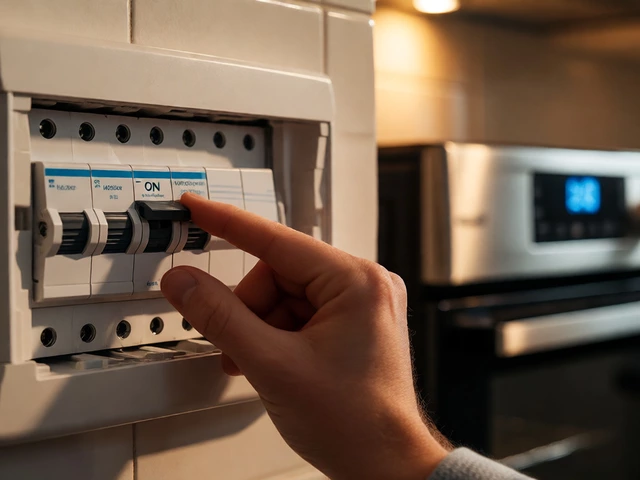
Go to your main electrical panel. Look for breakers labeled "Water Heater" or double-pole breakers in the middle/off position.
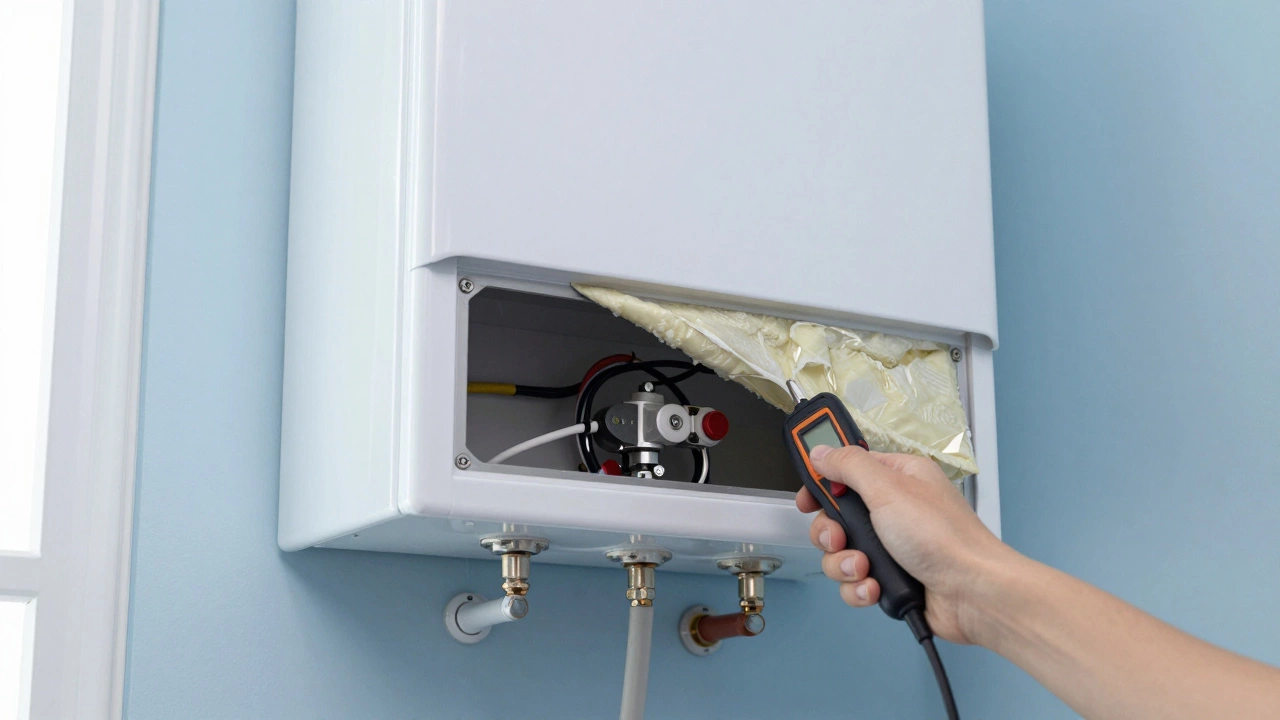
Remove the upper access panel insulation. Look for a red or white button in the wiring harness that has popped out.
Look through the sight glass at the bottom of the unit. Is there a blue flame visible?
Does your unit have a digital display or control board instead of a standing pilot?
Look at the digital display. Common codes: E1 (Ignition), E2 (Overheat), E3 (Flow Sensor).
Step 4: Perform the Reset
Reset Complete!
• The breaker trips again immediately
• You smell gas (evacuate immediately)
• The pilot won't stay lit after 2 attempts
• You see rust-colored water or pooling leaks
Your shower turns ice-cold mid-wash. You check the dial-it’s set to 120°F. The tank is humming, or maybe it’s suspiciously silent. Before you call a technician and pay for a diagnostic visit that might just result in someone pressing a button, ask yourself: does this unit actually need a reset?
Most modern water heaters are appliances designed to heat and store domestic water using gas, electricity, or solar energy don’t fail silently. They give you clues. A "reset" isn’t magic; it’s usually clearing a safety lockout caused by a power surge, a blown fuse, or an extinguished pilot light. Knowing how to spot these signs saves you money and frustration.
The Cold Water Test: Is It Really the Heater?
Before touching any switches or panels, confirm the problem is isolated to the water heater. Open a hot water tap on the first floor and another on the second. If both run cold, but your dishwasher (which often uses hot water) still gets warm water, you likely have a plumbing issue, not a heater failure. Conversely, if every hot water source is lukewarm or freezing, the heater has stopped heating.
Check the thermostat setting. Many homeowners accidentally bump the dial while cleaning around the unit. For electric models, ensure the temperature knob is turned clockwise to at least 120°F (49°C). For gas units, look for a red indicator light near the control valve. If the light is off, the burner isn’t firing. This is your first clue that a reset-or a relight-is needed.
Electric Water Heaters: The Circuit Breaker Check
If you have an electric water heater is a storage tank system that uses immersion heating elements powered by electricity to raise water temperature, the most common reason for a sudden loss of hot water is a tripped circuit breaker. These units pull significant amperage-often two separate 30-amp or 40-amp breakers. When one trips, you lose half your heating capacity. When both trip, you get no hot water at all.
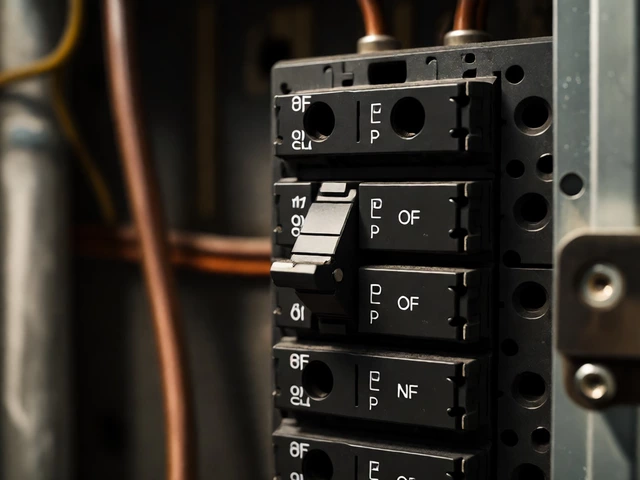
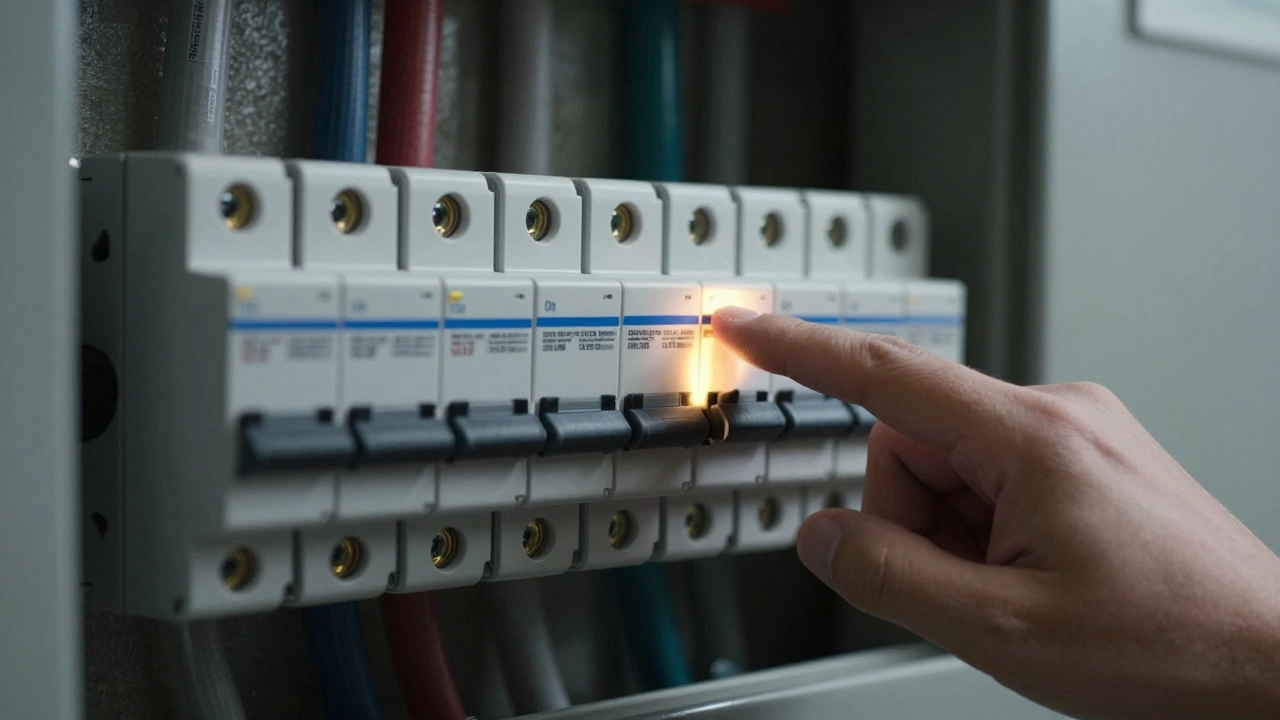
Go to your main electrical panel. Look for breakers labeled "Water Heater" or double-pole breakers switched to the "Off" or middle position. If you see a breaker that’s flipped away from the others, turn it fully off, then back on firmly. Listen for a click. If it trips again immediately, do not keep resetting it. This indicates a shorted heating element or wiring fault. Continuing to reset it creates a fire hazard. Call an electrician or plumber.
Some electric tanks also have a high-limit switch accessible behind the access panels. Locate the upper and lower service panels on the side of the tank. Remove the insulation blanket and the metal cover. You’ll see a white or red button in the center of the wiring harness. If this button is popped out, press it firmly until it clicks. This resets the thermal cutoff. Note: If this switch trips frequently, your thermostat may be stuck closed, causing overheating. Replace the thermostat before resetting again.
Gas Water Heaters: Relighting the Pilot Light
For gas water heaters are tank systems that burn natural gas or propane to heat water via a burner assembly located at the bottom of the unit, the "reset" process involves relighting the pilot light. Modern units use standing pilots or electronic ignition. If the flame goes out due to a draft, dust, or a faulty thermocouple, the gas valve shuts off as a safety measure.
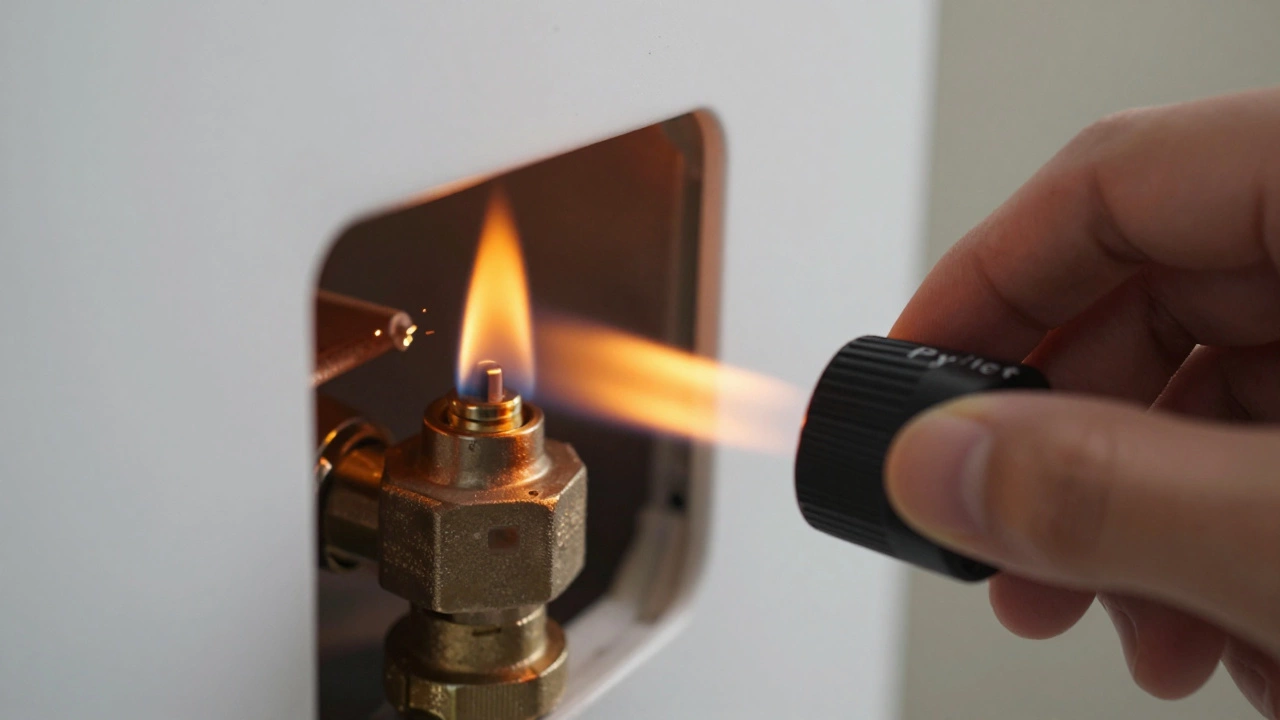
Turn the gas control knob to "Off." Wait five minutes to let any accumulated gas dissipate. Turn the knob to "Pilot." Press and hold the igniter button (or push the red reset button on newer models) while turning the knob to "On." Keep holding the button for 60 seconds after the flame lights. This heats the thermocouple, which generates a small voltage to keep the gas valve open. Release the button. If the flame stays lit, turn the knob to "On." If it dies, repeat once more. If it fails again, the thermocouple is likely dirty or broken and needs replacement.
Newer gas heaters with direct spark ignition don’t have pilot lights. Instead, they have a reset button on the control module. Press it once. You should hear a clicking sound followed by a whoosh as the burner ignites. If you hear clicking but no flame, check the gas supply. If there’s no clicking, the control board may be dead.
Tankless Units: Error Codes and Power Cycles
Tankless water heaters are on-demand heating systems that heat water instantly as it flows through a heat exchanger, eliminating the need for a storage tank operate differently. They don’t store hot water, so they rely heavily on sensors and digital controls. When something goes wrong, they display error codes rather than just stopping. Common codes include E1 (ignition failure), E2 (overheat), or E3 (flow sensor error).
To reset a tankless unit, turn off the power at the breaker box. Wait 30 seconds. Turn the power back on. This clears temporary glitches in the control board. Check the display for error codes. If code E1 appears, ensure the gas supply is open and the venting is clear. If code E2 appears, flush the unit to remove mineral buildup causing overheating. Frequent resets indicate underlying issues like low gas pressure or scale accumulation, especially in hard water areas like parts of British Columbia.
When Not to Reset: Recognizing Serious Faults
A reset fixes temporary interruptions. It does not fix mechanical failures. Avoid resetting if you notice:
- Rumbling noises: Loud popping or rumbling from the bottom of the tank signals heavy sediment buildup. Flushing the tank is required; resetting won’t help.
- Rust-colored water: Indicates internal tank corrosion. The liner has failed. Replacement is necessary.
- Water pooling around the base: A leak means the tank is compromised. Shut off the water supply immediately. Do not attempt repairs.
- Burning smell: Could indicate an overheating element or electrical short. Cut power and call a professional.
Repeated tripping of breakers or frequent pilot light blowouts are symptoms, not problems. Fixing the symptom without addressing the cause leads to wasted time and potential danger. For example, a failing heating element draws excessive current, tripping the breaker. Replacing the element solves the root cause.
Safety First: Lockout/Tagout Procedures
Always prioritize safety when working with utilities. For electric heaters, verify power is off using a non-contact voltage tester before removing panels. For gas units, smell for rotten eggs (mercaptan odor) indicating a leak. If you detect gas, evacuate and call emergency services. Never use flames to test for leaks.
Keep a flashlight handy. Inspect wiring for fraying or scorch marks. Ensure the ground wire is securely attached. If you’re uncomfortable with any step, stop. Professional plumbers carry multimeters and manometers to diagnose issues safely. In Vancouver, where older homes often have outdated electrical panels, extra caution is warranted.
How long does it take for a water heater to reset?
An electric water heater takes 30-60 minutes to reheat water after a reset. Gas units take 10-20 minutes. Tankless units provide hot water almost instantly once reignited, but may require a minute to stabilize flow and temperature.
Can I reset my water heater myself?
Yes, simple resets like flipping breakers or relighting pilots are DIY-friendly. However, if the issue recurs or involves gas smells, electrical burns, or leaks, hire a licensed plumber or electrician to prevent hazards.
Why did my water heater trip the breaker?
Common causes include a shorted heating element, loose wiring, moisture intrusion, or a faulty thermostat. Persistent tripping requires professional diagnosis to replace defective components.
What does the red reset button on my water heater do?
The red button is a high-limit safety switch. It cuts power if the water exceeds safe temperatures (usually 150°F/65°C). Pressing it restores power only after the water cools and the underlying overheating cause is fixed.
Should I flush my water heater annually?
Yes, flushing removes sediment that reduces efficiency and causes overheating. In hard water regions, consider flushing every six months. This extends tank life and prevents unnecessary resets due to scale buildup.