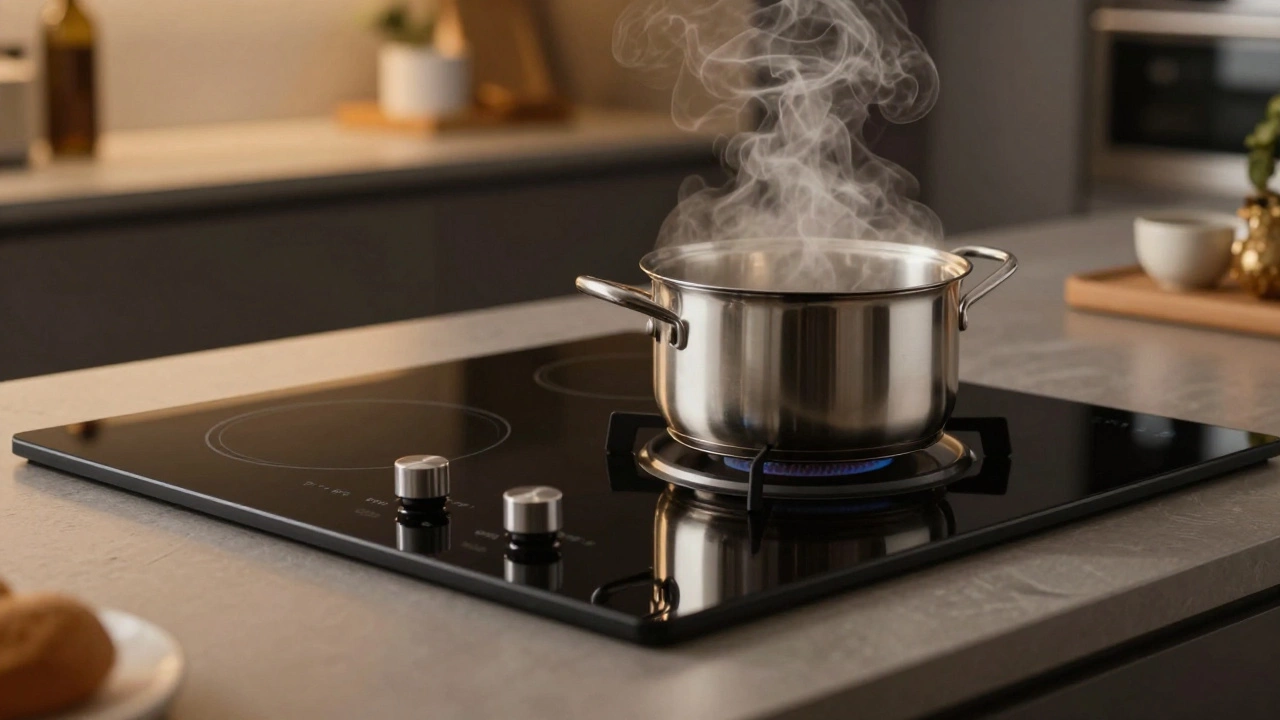
Electric Hob Diagnostic Tool
Follow these steps in order. Select the option that matches your situation to diagnose the issue.
Check Power Source
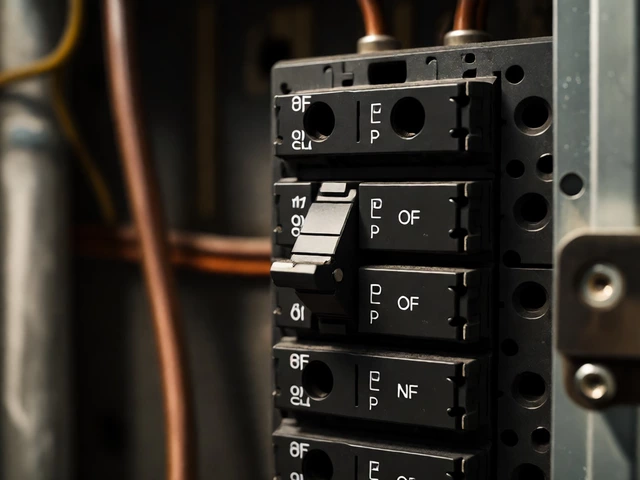
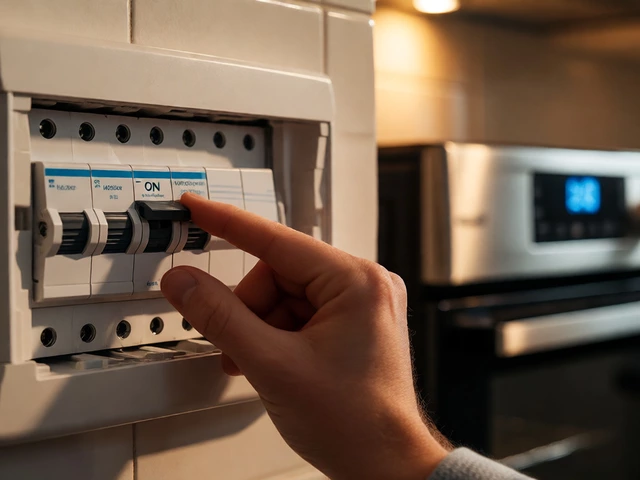
Is there any sign of life? Check if lights are on, display works, or knobs turn. If completely dead, check your circuit breaker panel for a tripped switch labeled 'Kitchen' or 'Stove'. Also check the wall isolation switch near the hob.
Quick Tip
Electric hobs draw massive power (3,000-7,000W). They often trip breakers if used with other high-wattage appliances like kettles or microwaves simultaneously.
Imagine this: you’re in the middle of cooking dinner. The pasta is boiling, the sauce is simmering, and suddenly, your electric hob goes dark. No heat. No lights. Just a cold, unresponsive surface where your food used to be. It’s frustrating, stressful, and honestly, it ruins the vibe of the evening fast.
Before you call a technician or panic about buying a new unit, take a breath. Most of the time, an electric hob that stops working isn’t broken beyond repair. It’s usually a simple issue-a tripped switch, a blown fuse, or a stuck control lock. In fact, professional repair technicians often find that over half of these "breakdowns" can be fixed with a five-minute check at your wall socket or circuit box.
This guide walks you through exactly what to do when your electric hob stops working. We’ll start with the easiest fixes (the ones you can do right now) and move toward more complex diagnostics. By the end, you’ll know whether you need a screwdriver, a multimeter, or a professional service call.
Check the Power Source First
It sounds obvious, but we often overlook the basics when we’re stressed. Before tearing apart any panels, verify that electricity is actually reaching the appliance. Electric hobs draw a massive amount of power-typically between 3,000 and 7,000 watts depending on the size and number of zones. This high demand makes them sensitive to power fluctuations.
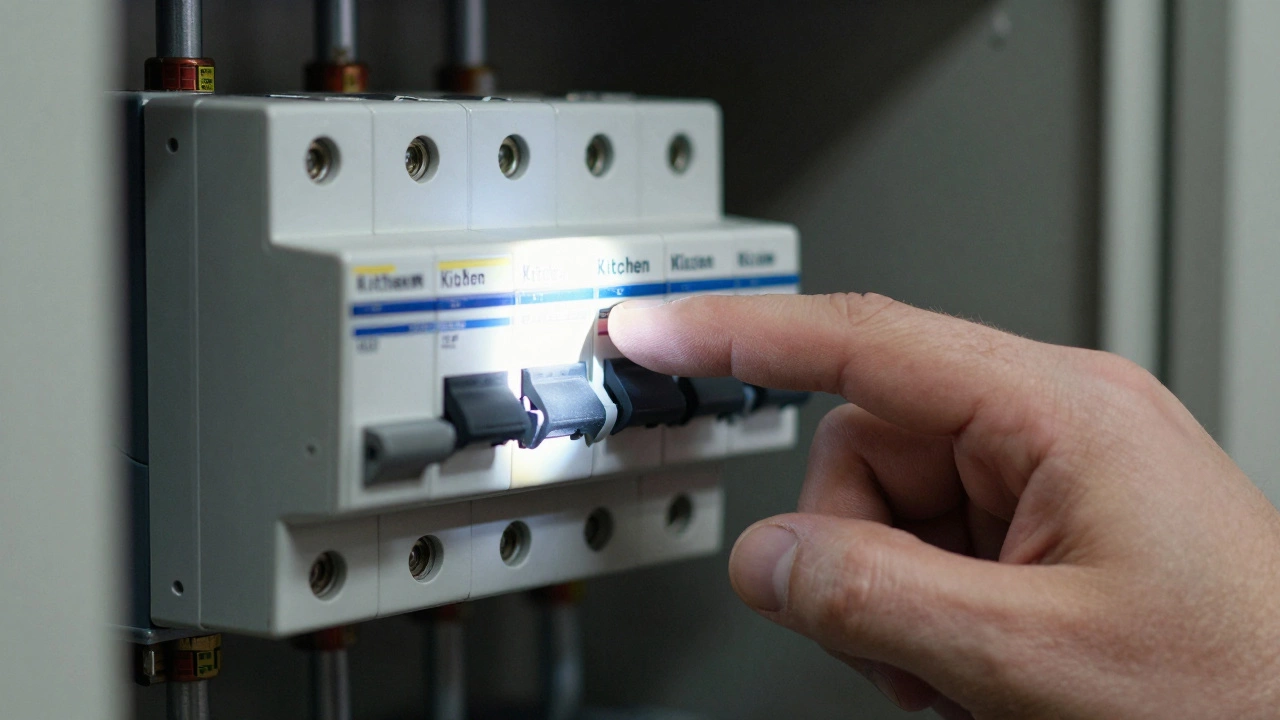
Start by looking at your circuit breaker panel. Locate the breaker labeled for the kitchen or specifically for the stove/hob. If the switch is in the middle position or flipped to "Off," it has tripped. This happens frequently if you ran other high-wattage appliances (like a kettle and microwave) simultaneously. Flip the switch fully off, then back on. If your hob powers up immediately, you’ve solved it. If it trips again instantly, stop using the hob and call an electrician; there may be a short circuit inside the unit.
Next, check the dedicated isolation switch. Many homes, especially in Europe and parts of Canada, have a double-pole isolator switch mounted on the wall near the hob. Ensure both levers are firmly in the "On" position. Sometimes, vibrations from heavy pots or cleaning can cause one lever to slip slightly, cutting power to only half the zones.
Look for Child Lock or Control Lock Indicators
If your hob has power (lights are on, display works) but none of the heating zones respond to touch or knob turns, you might be dealing with a safety feature rather than a failure. Modern induction cooktops and ceramic glass hobs almost always come with a child lock function.
Look for a padlock icon on the display or next to the controls. If it’s lit up, the controls are locked. To unlock it, you usually need to press and hold a specific button (often marked with a clock or a padlock symbol) for three to five seconds. Refer to your user manual if you don’t know which button triggers the lock. On older models with mechanical knobs, this isn’t an issue, but on digital touch panels, it’s the most common reason users think their appliance is dead.
Inspect Individual Heating Zones
Does one zone work while others don’t? Or is the entire surface dead? This distinction changes your diagnostic path completely.
If only one zone is not heating: The problem is likely isolated to that specific element or its connection. For coil-type electric hobs, check if the coil is seated properly in the socket. Sometimes, a pot slides over the coil and knocks it out of alignment, breaking the electrical contact. Lift the coil, clean the contacts with a dry cloth, and push it down firmly until it clicks. For ceramic or induction surfaces, a single dead zone often points to a failed heating element or a faulty sensor under the glass. This requires part replacement, which is a job for a technician unless you’re comfortable opening the unit.
If no zones work: The issue is systemic. Check the main power cable behind the hob. Is it loose? Has it been damaged by a vacuum cleaner cord or a pet? A frayed wire is a serious fire hazard. If the cable looks intact but there’s still no power, the internal control board or main relay may have failed.
Clean the Control Panel and Sensors
Digital touch controls are convenient, but they are finicky. They rely on capacitive sensing, meaning they detect the electrical charge in your finger. If the glass surface is dirty, wet, or covered in sticky residue, the sensors won’t register your touch.
Wipe the control panel thoroughly with a damp microfiber cloth. Avoid abrasive cleaners or steel wool, as scratches can interfere with sensor accuracy. Dry it completely before trying again. Also, ensure your hands are dry. Wet fingers can confuse the capacitive sensors, leading to unresponsiveness. If you have a metallic object (like a spoon or a magnet) sitting on the control area, remove it. Strong magnetic fields can disrupt induction hobs and confuse electronic controls.
Reset the Electronic Control Board
Sometimes, the computer brain of your hob just needs a restart. Like your phone or laptop, the control board can glitch due to power surges or software errors. A hard reset can clear temporary memory issues.
To perform a hard reset:
- Turn off the circuit breaker for the hob at your main panel.
- Wait at least 60 seconds. This allows the capacitors on the control board to discharge completely.
- Turn the breaker back on.
- Try operating the hob again.
If your model has a reset button (rare, but present on some high-end brands like Bosch or Siemens), consult the manual for the specific combination. Often, holding the "Power" and "Clock" buttons together for ten seconds initiates a factory reset.
When to Call a Professional Technician
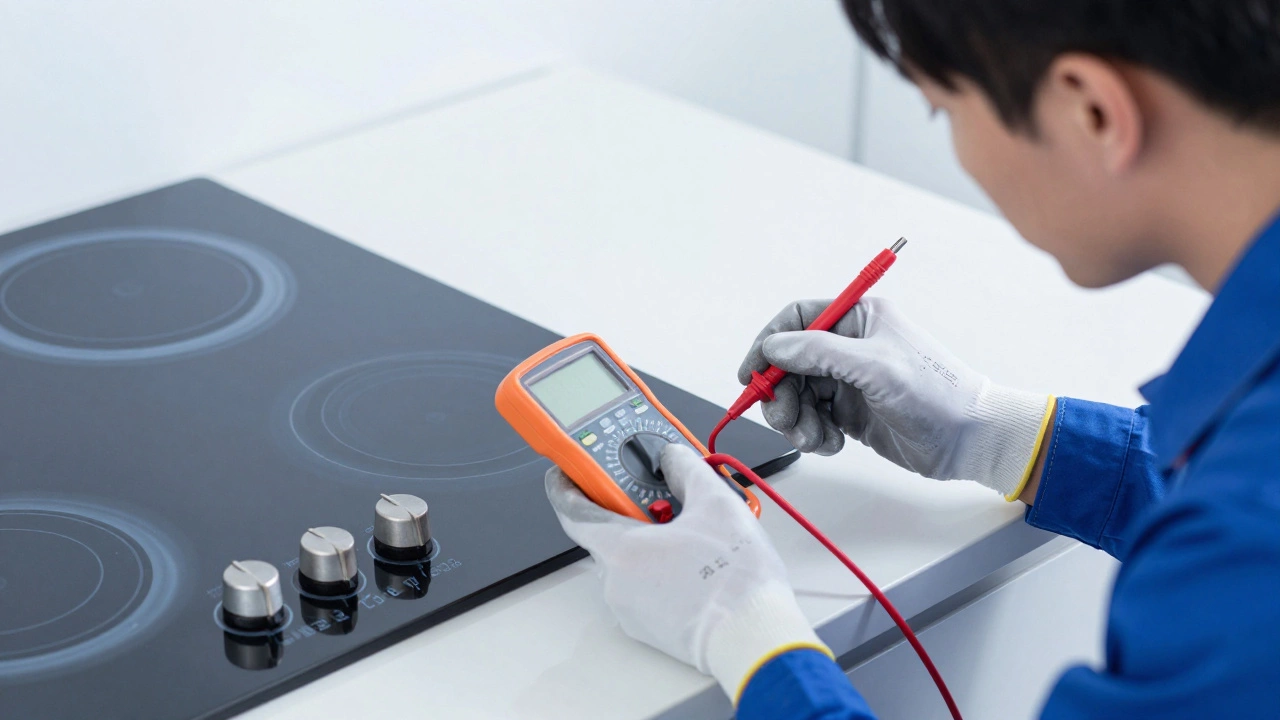
You should stop DIY troubleshooting and call a pro if:
- The circuit breaker trips repeatedly after resetting.
- You smell burning plastic or see smoke coming from the unit.
- The glass surface is cracked or shattered (this compromises the seal and can lead to water damage).
- Error codes persist on the display after a reset (e.g., E1, F5, H4). These codes indicate specific sensor failures that require diagnostic tools to interpret correctly.
- The hob is under warranty. Opening the unit yourself may void the manufacturer’s guarantee.
In Vancouver, where winter storms can cause voltage spikes, surge protectors are recommended for high-end appliances. If your hob was damaged during a storm, check your home insurance policy. Some policies cover appliance damage from lightning or grid surges.
| Symptom | Likely Cause | DIY Fix | Pro Needed? |
|---|---|---|---|
| No power anywhere | Tripped breaker or loose plug | Reset breaker, check connections | Only if breaker trips again |
| Controls unresponsive | Child lock or dirty panel | Unlock via button combo, clean glass | No |
| One zone dead | Loose coil or burnt element | Reseat coil (if applicable) | Yes, for ceramic/induction |
| Error code displayed | Sensor failure or communication error | Hard reset | Yes, if code persists |
| Burning smell | Electrical short or melted wiring | Turn off immediately | Yes, urgent |
Maintenance Tips to Prevent Future Failures
Prevention is cheaper than repair. Here’s how to keep your electric hob running smoothly for years:
- Clean spills immediately. Sugar and acidic foods (like tomato sauce) can etch into ceramic glass and corrode metal contacts over time. Wipe up spills while the hob is still warm (but not hot) for easiest cleanup.
- Use the right cookware. For induction hobs, use flat-bottomed pans made of ferromagnetic material. Warped pans reduce efficiency and can trigger error codes. For ceramic hobs, avoid dragging heavy cast iron across the surface to prevent scratches.
- Avoid thermal shock. Don’t pour cold water on a hot ceramic surface. The rapid temperature change can crack the glass. Let it cool naturally first.
- Check your home’s electrical load. If you frequently run multiple high-power appliances, consider upgrading your kitchen circuit to handle the load without tripping.
How much does it cost to repair an electric hob?
Costs vary widely based on the issue. A simple trip reset costs nothing. Replacing a heating element typically ranges from $150 to $300 including labor. If the control board fails, repairs can cost $400 to $800. Always get a diagnostic fee quote upfront. In many cases, if the repair exceeds 50% of the price of a new unit, replacement is more economical.
Can I use my electric hob during a power outage?
No. Electric hobs require grid power to generate heat. Unlike gas stoves, they have no backup fuel source. If you lose power, you’ll need to use alternative cooking methods like a camping stove (outdoors only) or a microwave if it’s plugged into a different circuit that remains powered.
Why does my induction hob beep continuously?
Continuous beeping usually indicates an error state. Common causes include incompatible cookware (not magnetic), a pan that is too small for the zone, or an overheated sensor. Remove the pan, let the hob cool for a minute, and try again with a compatible pot. If the beeping persists, check the display for an error code.
Is it safe to open the back panel of my electric hob myself?
Only if you are qualified in electrical work. Electric hobs operate at high voltages (240V in North America, 230V in Europe). Even when unplugged, capacitors can hold a dangerous charge. If you are not certified, leave internal inspections to a licensed technician to avoid electrocution or fire risk.
What is the average lifespan of an electric hob?
With proper care, a quality electric hob lasts between 10 to 15 years. Ceramic and induction models tend to last longer than traditional coil types because they have fewer moving parts. Regular cleaning and avoiding thermal shock are key to maximizing longevity.