Boiler Maintenance Safety Checker
Use this tool to check if your intended boiler maintenance task is safe to perform yourself or requires professional service. Based on BC safety guidelines and manufacturer recommendations.
Safe Maintenance Tips
You can safely perform these tasks if you:
- Unplug electric boilers before cleaning exterior
- Always check manufacturer manual first
- Never open internal boiler housing
- Stop immediately if you smell gas or see leaks
Every fall, as the days get shorter and the chill sets in, homeowners in Vancouver start asking: Can you service a boiler yourself? It sounds reasonable - you change your air filter, unclog your drain, even replace a leaky faucet. So why not give your boiler a quick check? The answer isn’t simple. And if you get it wrong, you could be risking your safety, your home, or your wallet.
What Boiler Service Actually Means
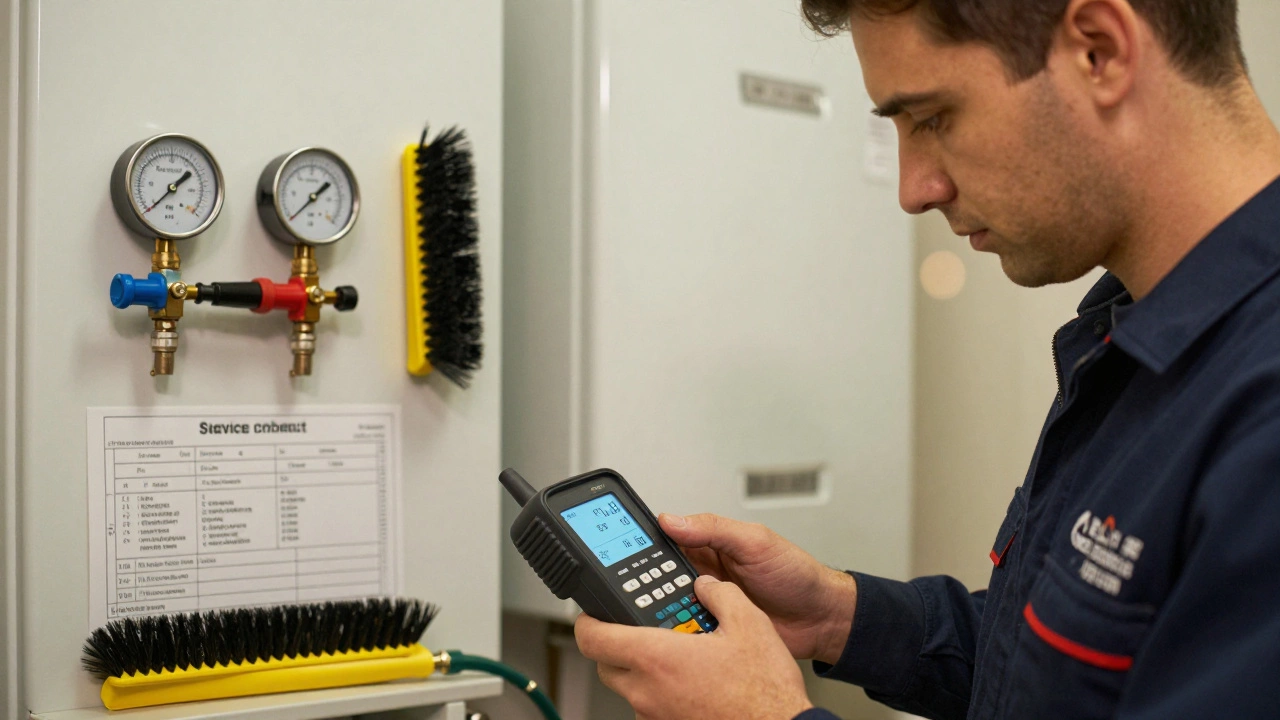
Boiler service isn’t just turning the dial and hoping for heat. It’s a detailed inspection and tuning process that includes checking gas pressure, cleaning the heat exchanger, testing safety controls, inspecting flue gases, and verifying combustion efficiency. A professional technician uses tools like a flue gas analyzer, pressure gauges, and combustion testers - equipment most homeowners don’t own and don’t know how to use.
Manufacturers recommend annual servicing. Why? Because a poorly tuned boiler doesn’t just waste energy - it can produce carbon monoxide. In British Columbia, over 200 non-fatal carbon monoxide incidents are reported each year, and nearly 30% of them involve faulty heating systems. That’s not a risk you want to take.
What You Can Do Without a License
Yes, you can do some things. But they’re not the same as servicing.
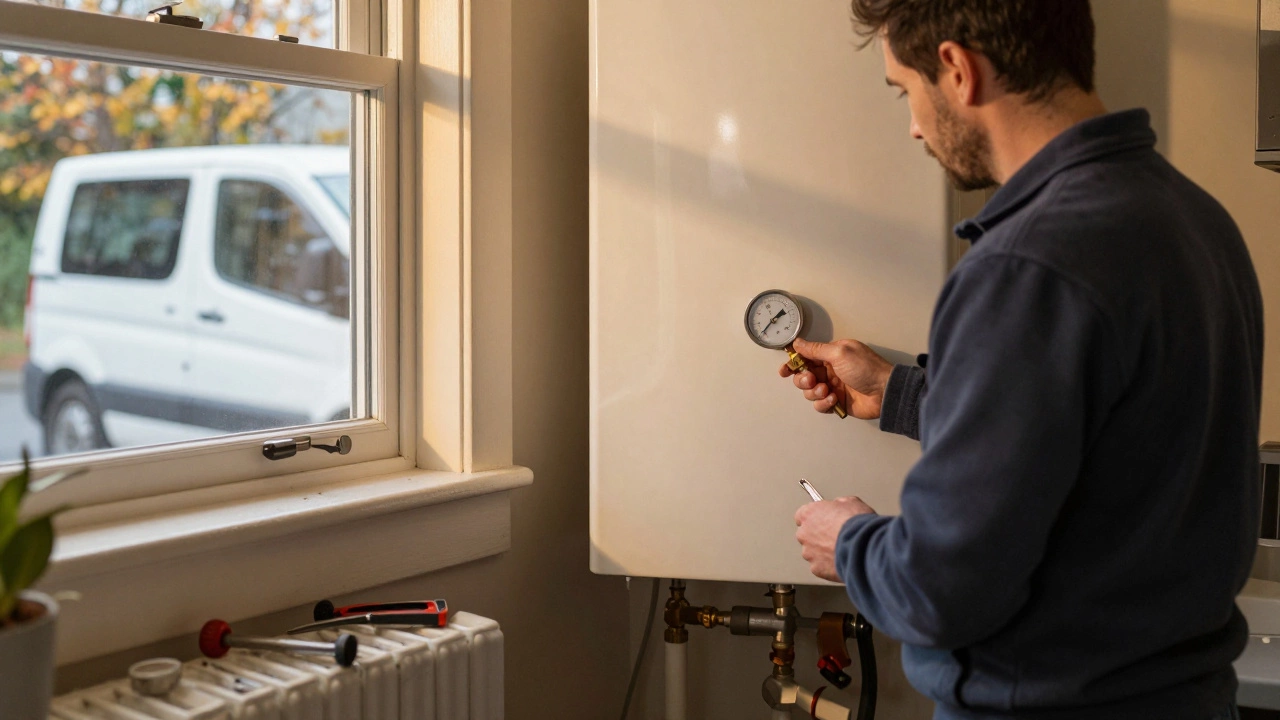
- Check the pressure. Most boilers have a pressure gauge on the front. Normal range is 1-1.5 bar. If it’s below 1, you can top it up using the filling loop (consult your manual). If it keeps dropping, there’s a leak - call a pro.
- bleed the radiators. Air trapped in the system stops heat from circulating. Use a radiator key to open the bleed valve at the top of each radiator until water comes out. Then recheck boiler pressure.
- clean the outer casing. Dust and debris can block airflow. Unplug the boiler (if electric), wipe down the outside with a dry cloth. Never spray water or cleaner inside.
- check the thermostat. Make sure it’s set correctly and batteries are fresh. A dead battery is one of the top reasons boilers won’t turn on.
- inspect for leaks. Look under the boiler and around pipes for damp spots or rust. Even a small drip can signal a serious problem.
These are maintenance tasks. They’re helpful. They’re not service.
The Real Dangers of DIY Boiler Work
Boilers run on natural gas or oil. They operate under pressure. They heat water to over 80°C. Mess with them without training, and you’re playing Russian roulette with your family’s safety.
Here’s what can go wrong:
- Gas leaks. If you disconnect a gas line and don’t seal it properly, you’re filling your home with a colorless, odorless killer. Natural gas is odorized with mercaptan, but leaks can be too small to smell.
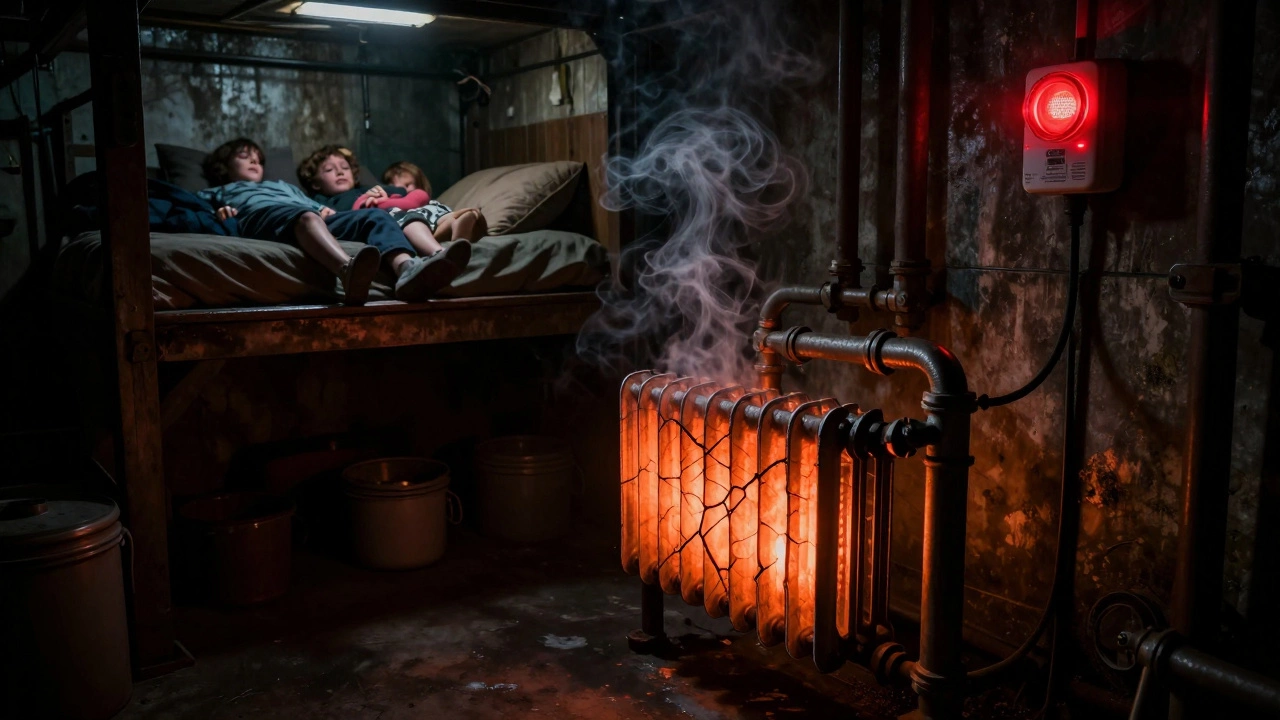
- Carbon monoxide poisoning. A blocked flue or cracked heat exchanger can send CO into your home. Symptoms? Headache, dizziness, nausea. You might not even realize you’re being poisoned until it’s too late.
- Explosions. Over-pressurizing a boiler or bypassing safety valves can cause a rupture. There are videos online of DIYers blowing out basement walls trying to fix their own boilers.
- Voiding your warranty. Most boiler warranties require annual professional servicing. If you mess with internal parts and something fails, you’re on the hook for a $3,000 replacement.
In 2024, WorkSafeBC issued 17 warnings to homeowners who attempted gas line repairs. All 17 cases involved boilers. None ended well.
When You Absolutely Must Call a Pro
You need a licensed technician if you notice any of these:
- The boiler makes banging, whistling, or gurgling noises.
- There’s a yellow or orange flame instead of blue.
- The boiler shuts off repeatedly or won’t light.
- You smell gas - even faintly - or notice soot around vents.
- The pressure keeps dropping after you refill it.
- Your carbon monoxide alarm goes off.
These aren’t signs of wear. They’re emergency signals.
Don’t wait. In Vancouver, gas companies like FortisBC offer 24/7 emergency response for gas leaks. Call them immediately - don’t try to find the leak yourself.
The Cost of DIY vs. Professional Service
Let’s say you’re thinking, “I’ll save $150 by doing it myself.”
Here’s the real math:
| Item | DIY Attempt | Professional Service |
|---|---|---|
| Service Cost | $0 (but you bought tools) | $120-$200 |
| Tools Required | Gas leak detector, flue analyzer, pressure tester - $500+ | Provided by technician |
| Risk of Damage | High - potential $3,000+ repair | Low - covered by insurance |
| Warranty Status | Voided | Validated |
| Energy Efficiency | Unlikely to improve | Improves 10-15% |
| Safety Risk | High | Negligible |
Professional service doesn’t just fix things - it prevents them. A well-tuned boiler uses 15% less fuel. That’s $150-$250 saved on your gas bill each year. You pay for the service in less than a year.
What Professionals Actually Do During a Service
If you’ve never watched a technician work, here’s what happens:
- They shut off the gas and power.
- They remove the outer casing and inspect internal components for corrosion, soot, or cracks.
- They clean the heat exchanger with specialized brushes - built-up scale here is the #1 cause of boiler failure.
- They test the gas pressure and adjust it to manufacturer specs.
- They use a flue gas analyzer to check CO, O2, and CO2 levels - ensuring combustion is clean and safe.
- They test all safety controls: overheat switches, pressure sensors, flame sensors.
- They check the condensate pipe for blockages (common in cold climates like Vancouver).
- They give you a written report with readings and recommendations.
This takes 60-90 minutes. And it’s the only way to know your boiler is truly safe.
What to Look for in a Boiler Technician
Not all technicians are created equal. In BC, gas work requires a Gas Fitter License from the Technical Safety BC. Always ask for it.
- Check their license number on the Technical Safety BC website (you can search by name or company).
- Ask if they’re certified by the manufacturer of your boiler (e.g., Vaillant, Worcester Bosch, Buderus).
- Look for reviews mentioning boiler service specifically - not just installation.
- A reputable company will give you a printed invoice with a breakdown of work done.
Avoid companies that offer “$99 boiler checks.” That’s usually a sales trap to upsell you on a new unit.
How to Prepare for a Professional Service
Make it easier for the technician - and get better service:
- Clear space around the boiler - no boxes, laundry, or tools stacked nearby.
- Have your boiler manual and warranty card ready.
- Write down any issues: strange noises, cold spots, error codes.
- Turn off the boiler 1 hour before they arrive so it’s cool to work on.
- Ask for a copy of the service report - keep it with your home records.
Doing this shows you’re serious - and you’ll get more thorough service.
What Happens If You Skip Service?
Boilers don’t just break - they decline slowly.
- Year 1: Slight drop in efficiency - you don’t notice.
- Year 3: More frequent breakdowns - you call for repairs.
- Year 5: Heat exchanger cracks - CO leaks begin.
- Year 7: Complete failure. Replacement cost: $4,500-$8,000.
Skipping service doesn’t save money. It just delays the bill - and makes it bigger.
And if you’re renting? Landlords in BC are legally required to maintain heating systems. If your boiler fails because you didn’t service it, you could be held liable.
Can I clean my boiler myself?
You can clean the outside casing and bleed radiators, but never open the boiler’s internal housing. Dust and debris on the outside won’t affect performance. Internal parts require specialized tools and training. Cleaning inside without proper knowledge can damage seals, sensors, or the heat exchanger - leading to dangerous leaks or system failure.
Is it legal to service a gas boiler in BC without a license?
No. Under the BC Safety Authority regulations, only licensed gas fitters can work on gas-fired appliances like boilers. Even tightening a gas fitting without a license is illegal and can result in fines or liability if an accident occurs. This applies even if you’re not charging for the work - the law is about safety, not profit.
How often should a boiler be serviced?
Once a year, preferably in late summer or early fall before heating season begins. This ensures your system is ready for winter and catches small issues before they become emergencies. Most manufacturers require annual servicing to keep warranties valid.
What’s the average cost of boiler service in Vancouver?
In 2026, professional boiler service in Vancouver ranges from $120 to $200, depending on the brand, age, and complexity of the system. Some companies offer discounts for annual contracts or bundle service with carbon monoxide detector checks. Avoid deals under $90 - they often skip critical safety tests.
Can I service an electric boiler myself?
Electric boilers are simpler than gas ones, but still require professional servicing. While you can check the pressure and thermostat, internal components like heating elements, relays, and safety cutoffs need testing with calibrated equipment. Improper handling can cause electrical shorts or overheating. Always hire a licensed electrician for electric boiler maintenance.
Final Thought: Safety Over Savings
You don’t need to be a plumber to know that some things aren’t worth the risk. Your boiler keeps your home warm. It’s not a gadget. It’s a system that burns fuel under pressure. Treat it with respect.
Service it annually. Hire a licensed pro. Keep your family safe. That’s not just good advice - it’s the only smart choice.