Boiler DIY vs. Pro Service Checker
Select the tasks you are considering to see which ones you can safely perform yourself and which require a licensed technician.
✔ Great Job! You're Following Best Practices
You have selected appropriate homeowner maintenance tasks. These actions help prevent minor issues without risking your safety or warranty.
- Tip: Check your pressure gauge monthly.
- Reminder: If you smell gas, evacuate immediately and call your utility provider.
⚠ Caution: Mixed Tasks Selected
You have selected both safe homeowner tasks and complex technical tasks. While the maintenance is good, remember that the technical tasks listed require a Licensed Gas Fitter in BC.
What you can do now:
What needs a Pro:
Recommendation: Perform the DIY checks first. If problems persist, book an annual service ($120-$180 CAD) to cover the technical requirements.
✖ Stop! Professional Service Required
You have selected tasks that involve internal combustion components or gas lines. Attempting these yourself can void warranties and create carbon monoxide hazards.
Tasks requiring a License:
BC Regulation: Under the Technical Safety BC Act, altering gas-carrying components generally requires a permit and a licensed professional. Do not open the sealed combustion chamber yourself.
No Tasks Selected
Please select at least one task from the lists above to get advice.
Cost-Benefit Snapshot
Annual Service Cost
$120 - $180
Preserves WarrantyNew Boiler Replacement
$3,500+
If NeglectedRegular servicing extends lifespan by 3-5 years. Skipping it risks early failure during winter peaks.
You wake up on a freezing Vancouver morning, the radiator is stone cold, and your boiler is making that ominous clicking sound. Your first instinct? Grab a screwdriver and save yourself $150. But wait-can you actually service your boiler yourself? The short answer is: it depends entirely on what you mean by "service." If you’re talking about wiping down the casing and checking the pressure gauge, sure. If you’re talking about opening the combustion chamber or touching gas lines, absolutely not.
Here’s the reality most homeowners miss: modern boilers are complex machines involving high-pressure water, electricity, and combustible gas. One wrong move doesn’t just void your warranty; it can create a carbon monoxide hazard in your home. Let’s break down exactly what you can do, what you must leave to the pros, and how to keep your heating system running smoothly without risking your safety or your wallet.
The Critical Distinction: Maintenance vs. Servicing
Before you pick up any tools, you need to understand the difference between routine maintenance and a professional service. This isn’t just semantics-it’s a legal and safety boundary.
Boiler Maintenance is the set of user-accessible checks and cleaning tasks performed by the homeowner to ensure optimal operation and early detection of faults. These are safe, non-invasive actions like bleeding radiators, checking water pressure, and visually inspecting for leaks. You can do these monthly or quarterly.
Boiler Servicing is a comprehensive annual inspection and cleaning performed by a certified technician to test safety devices, clean internal components, and verify gas efficiency. This involves disassembling parts of the boiler, analyzing flue gases, and testing electrical components. In Canada, specifically in British Columbia, this often requires a licensed gas fitter or heating contractor due to provincial regulations.
Think of it like your car. You can change the wiper blades and top up the washer fluid (maintenance). But when the check-engine light comes on, or it’s time for an oil change and tire rotation, you take it to a mechanic (servicing). Trying to rebuild your transmission in your driveway might save money, but if you mess up, you’re stranded.
What You Can Safely Do Yourself
There are several tasks that don’t require a license or specialized tools. Doing these regularly can prevent small issues from becoming expensive repairs. Here’s your DIY checklist:
- Check the Pressure Gauge: Most residential boilers operate best between 1.0 and 1.5 bar when cold. If the needle drops below 1.0, you may need to repressurize the system using the filling loop. If it spikes above 2.5 bar, you likely have a faulty expansion vessel. Check this monthly.
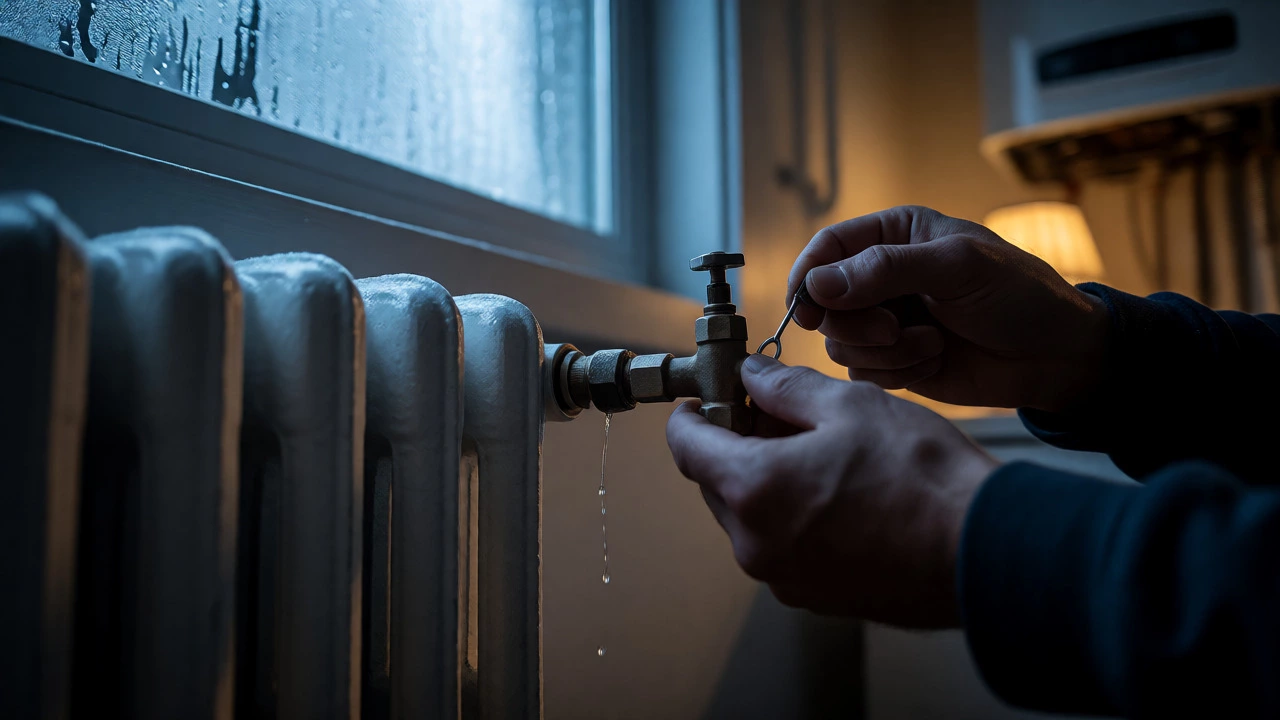
- Bleed Radiators: If some radiators are cold at the top while hot at the bottom, air is trapped inside. Use a radiator key to release the air until water trickles out. This improves heat distribution and reduces strain on the boiler pump.
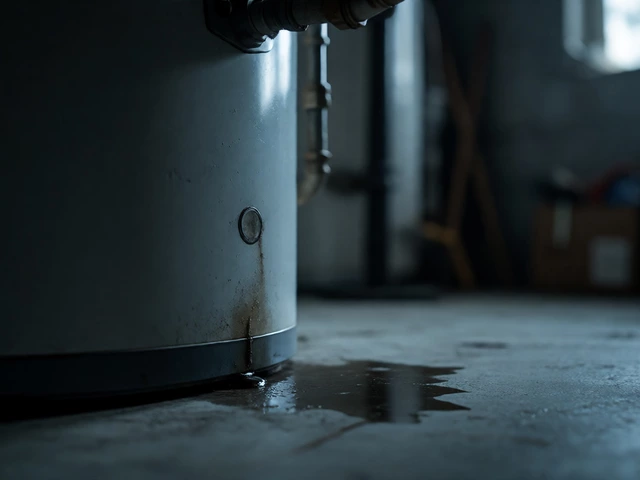
- Inspect for Leaks: Look around the base of the boiler and underneath pipes for damp spots or puddles. Even a slow drip can corrode copper pipes over time. Also, check the condensate pipe (usually white plastic) outside your house. In Vancouver winters, this can freeze, causing the boiler to lock out.
- Clean the Exterior: Dust and cobwebs can accumulate around the air intake vents. Wipe down the casing with a damp cloth. Don’t use harsh chemicals that could damage the finish or seep into controls.
- Test the Thermostat: Ensure your room thermostat is working correctly. Turn it up and listen for the boiler firing. If there’s no response after a few minutes, the batteries in wireless thermostats might be dead, or the wiring could be loose.
These tasks are low-risk and high-reward. They keep the system efficient and help you spot problems before they escalate.
Why You Should Never DIY Gas Work
This is where the rubber meets the road. In British Columbia, the Technical Safety BC Act regulates gas appliances. While homeowners can perform minor maintenance, altering or repairing gas-carrying components generally requires a licensed professional. Why? Because gas leaks are invisible and odorless unless mercaptan is added, but even then, small leaks can go unnoticed until they reach explosive concentrations.
A professional service includes steps you simply cannot replicate at home:
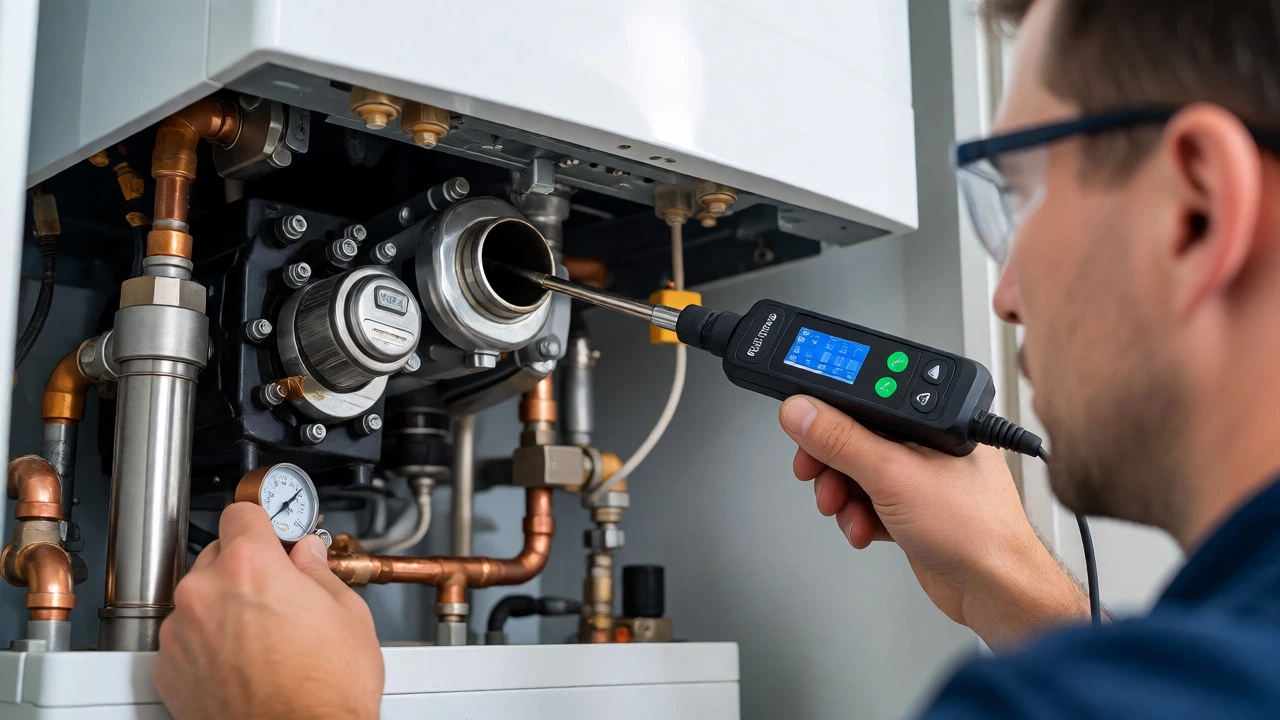
- Flue Gas Analysis: Technicians use a combustion analyzer to measure oxygen, carbon dioxide, and carbon monoxide levels. This tells them if the boiler is burning fuel efficiently and safely. High CO levels indicate incomplete combustion, which can kill you silently.
- Heat Exchanger Cleaning: Over time, soot and scale build up on the heat exchanger fins. This insulates the metal, reducing efficiency and causing overheating. Cleaning this requires removing panels and using specialized brushes and vacuums.
- Safety Device Testing: The flame rectification sensor, pressure switches, and thermal cut-outs are tested to ensure they shut off the boiler correctly during faults. If a switch sticks, the boiler might run continuously or fail to ignite.
- Gas Tightness Test: After any work, the technician performs a pressure test on the gas line to ensure no leaks exist at joints or valves.
Attempting to open the burner assembly or adjust the gas valve yourself risks breaking seals, misaligning injectors, or creating a leak. And remember, if you’re renting, doing unauthorized gas work can violate your lease agreement.
The Cost-Benefit Analysis
Let’s talk numbers. A standard annual boiler service in Vancouver typically ranges from $120 to $180 CAD. It takes a qualified technician about 45-60 minutes. What do you get for that money?
| Aspect | DIY Maintenance | Professional Service |
|---|---|---|
| Cost | $0 (Time only) | $120 - $180 CAD |
| Risk Level | Low (if following guidelines) | Negligible (performed by experts) |
| Warranty Impact | Usually preserves warranty | Required to maintain manufacturer warranty |
| Safety Check | Visual only | Combustion analysis & gas tightness test |
| Lifespan Extension | Moderate (prevents minor clogs) | High (prevents major component failure) |
Consider the alternative: a new combi boiler costs between $3,500 and $6,000 installed. Skipping annual services can shorten its lifespan by 3-5 years. That means paying for a replacement sooner than necessary. Plus, many manufacturers like Vaillant, Worcester Bosch, and Navien void warranties if annual servicing isn’t documented. So, that $150 service fee is essentially an insurance premium for your investment.

When to Call a Pro Immediately
Don’t wait for the annual appointment if you notice these red flags. These signs indicate active faults that need immediate attention:
- Frequent Lockouts: If your boiler keeps resetting itself or showing error codes (like F1, E9, etc.), something is wrong internally. Resetting it repeatedly can flood the ignition electrode.
- Strange Noises: Knocking, banging, or whistling sounds often point to kettling (scale buildup), airlocks, or failing pumps. Kettling reduces efficiency and can crack the heat exchanger over time.
- Yellow Flame: Peek through the viewing window (if accessible). The flame should be crisp blue. A yellow or orange flame suggests incomplete combustion and potential carbon monoxide production. Shut off the boiler and call a pro immediately.
- Smell of Gas: If you smell rotten eggs near the boiler, evacuate the house, open windows, and call your gas utility or emergency service. Do not flip light switches or use phones indoors.
- Loss of Hot Water: If heating works but hot water doesn’t (or vice versa), the diverter valve or motorized valve might be stuck. This requires part replacement.
Choosing the Right Technician in Vancouver
Not all technicians are created equal. Since we’re in BC, look for contractors registered with Technical Safety BC. They must hold a valid gas fitting permit. Ask for their registration number and verify it online. A reputable company will provide a detailed report after the service, including gas readings and recommendations. Avoid "cheap" services that don’t offer a written report-they might just wipe the exterior and charge you.
Also, consider signing up for a maintenance plan. Many local companies offer annual plans for around $150-$200/year, which include priority call-outs and discounts on parts. For older boilers (10+ years), this can be a lifesaver during peak winter demand when technicians are booked solid.
How often should I service my boiler?
Manufacturers and insurers recommend servicing your boiler once a year. Ideally, schedule it in late summer or early autumn (September/October) so you catch any issues before the heavy heating season begins in November.
Does servicing my boiler improve energy bills?
Yes. A dirty or poorly tuned boiler has to work harder to heat the same amount of water. Regular cleaning removes soot and scale, improving heat transfer efficiency. This can reduce gas consumption by 5-10%, saving you money over the winter.
Can I reset my boiler myself?
Yes, you can press the reset button once if the boiler locks out due to a temporary fault like low pressure or a brief power outage. However, if it locks out again immediately, stop trying to reset it. Repeated resets can damage the ignition system. Call a technician instead.
What happens if I don't service my boiler?
You risk higher energy bills, unexpected breakdowns during cold snaps, and potentially voiding your manufacturer’s warranty. More importantly, undetected carbon monoxide leaks pose a serious health risk to your household.
Is it illegal to service my own boiler in Canada?
It’s not illegal to perform basic maintenance like checking pressure or bleeding radiators. However, working on gas components, opening the sealed combustion chamber, or adjusting gas pressures typically requires a licensed gas fitter according to provincial regulations (e.g., Technical Safety BC). Unauthorized work can lead to fines and insurance claim denials.