Electric Hob Repair vs. Replace Calculator
Enter the details below to see if you should save money on a repair or invest in a new unit.
Repair Cost
New Unit Price
Cost Ratio
There’s nothing more frustrating than turning on your stove only to find one zone dead or a crack spreading across the ceramic glass. Before you rush to buy a new unit, ask yourself: is it worth fixing? The short answer is yes, but it depends entirely on what broke and how old the appliance is. A simple wiring fix might cost less than a takeout dinner, while replacing a shattered cooktop can rival the price of a budget model.
Understanding the mechanics behind an electric hob helps you make that call faster. These appliances rely on either radiant heat elements or induction coils beneath a durable surface. When they fail, the issue usually falls into three buckets: electrical faults, thermal damage, or control board glitches. Each has a different repair path and cost profile.
Quick Summary / Key Takeaways
- Minor repairs like replacing fuses or loose connections are often DIY-friendly and cheap.
- Ceramic glass replacement is expensive because the part must match the exact brand and size; labor adds significantly to the bill.
- Induction hobs have fewer moving parts but higher component costs for power electronics.
- If the repair quote exceeds 50% of the new unit's price, consider replacing the appliance instead.
- Always check if the unit is under warranty before paying for professional service.
Diagnosing the Problem: What Actually Broke?
You can’t fix what you don’t understand. Start by observing the symptoms. Is the entire hob dead, or just one zone? Do the lights work but no heat comes out? Does the display flicker? If all zones are unresponsive, check the power supply first. Ensure the circuit breaker hasn’t tripped and that the plug is firmly seated in the outlet. For built-in models, verify the connection at the wall box. If power reaches the unit but nothing happens, the internal fuse or the main control board likely failed. If only one zone works, the issue is isolated. On radiant hobs, this usually means a broken heating element or a faulty thermostat. On induction units, it could be a damaged coil or a failing power transistor. Cracked glass is obvious, but hairline fractures can lead to bigger breaks later due to thermal stress. If you see dark lines or bubbles under the surface, schedule a repair immediately to prevent shattering during use.
Radiant vs. Induction: Different Fixes for Different Tech
The type of electric hob you own dictates the repair complexity. Radiant hobs use solid metal elements that glow red-hot. They’re older technology, meaning parts are cheaper and easier to source. However, these elements degrade over time. Replacing them involves prying up the surface plate, which requires care to avoid chipping the enamel or glass. Induction hobs work differently. They use electromagnetic fields to heat the pot directly. There are no glowing elements to replace. Instead, failures happen in the electronics. The power transistors (IGBTs) generate significant heat and can burn out if ventilation is blocked. Replacing these components requires soldering skills and knowledge of high-voltage circuits. It’s rarely a DIY job unless you’re comfortable with electronics.
| Component | Radiant Hob | Induction Hob |
|---|---|---|
| Common Failure | Burnt-out heating element | Faulty IGBT/power board |
| DIY Difficulty | Moderate (requires basic tools) | High (requires soldering/electronics knowledge) |
| Part Cost Range | $20 - $60 | $80 - $150 |
| Labor Cost Estimate | $75 - $120 | $100 - $180 |
| Average Total Repair | $95 - $180 | $180 - $330 |
The Ceramic Glass Dilemma
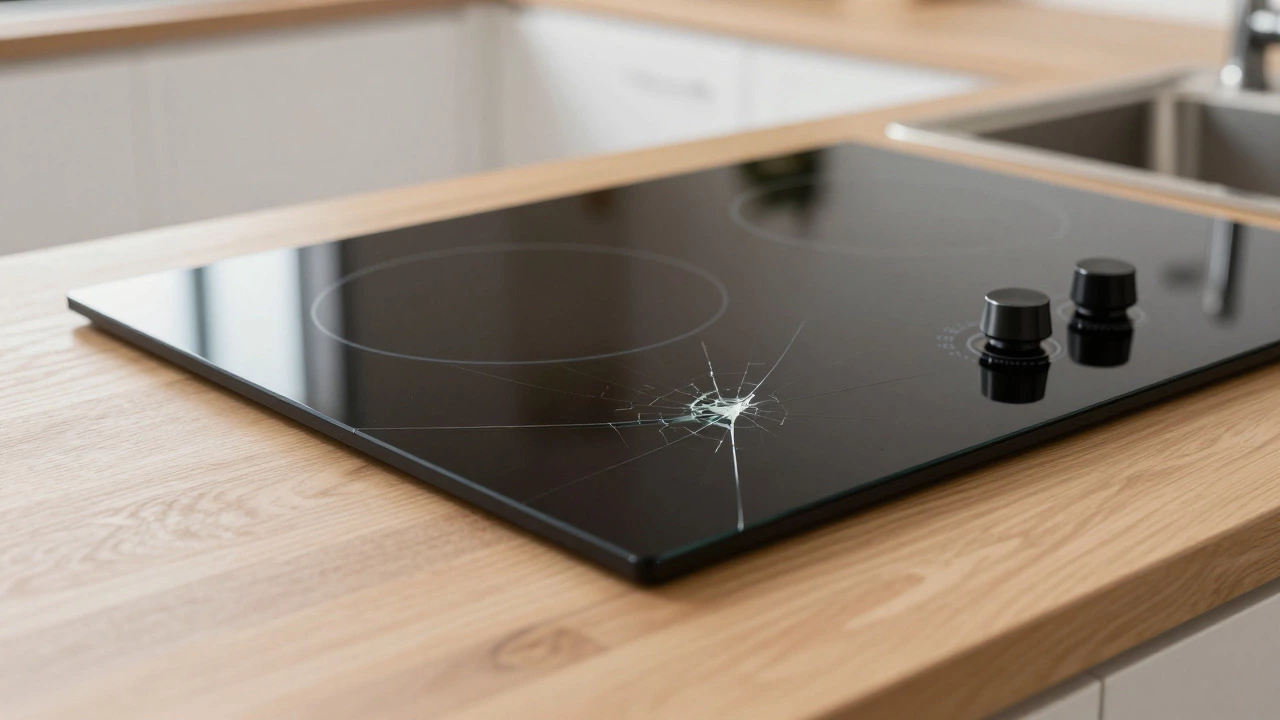
This is where most people hesitate. If your ceramic cooktop is cracked, can it be repaired? Technically, yes, but it’s not always practical. Small chips can sometimes be polished out, but cracks that go through the glass need replacement. Here’s the catch: manufacturers rarely sell the glass panel separately. You often have to buy the entire top assembly, including the heating elements underneath. For a standard 30-inch model, the top assembly can cost between $150 and $400 depending on the brand. Add labor, and you’re looking at $300 to $600 total. If your hob is five years old or older, this price tag makes a new unit attractive. Modern hobs offer better energy efficiency and safety features that justify the upgrade. However, if you have a high-end custom installation, replacing the glass might be the only option to maintain kitchen aesthetics.
When to DIY vs. Call a Pro
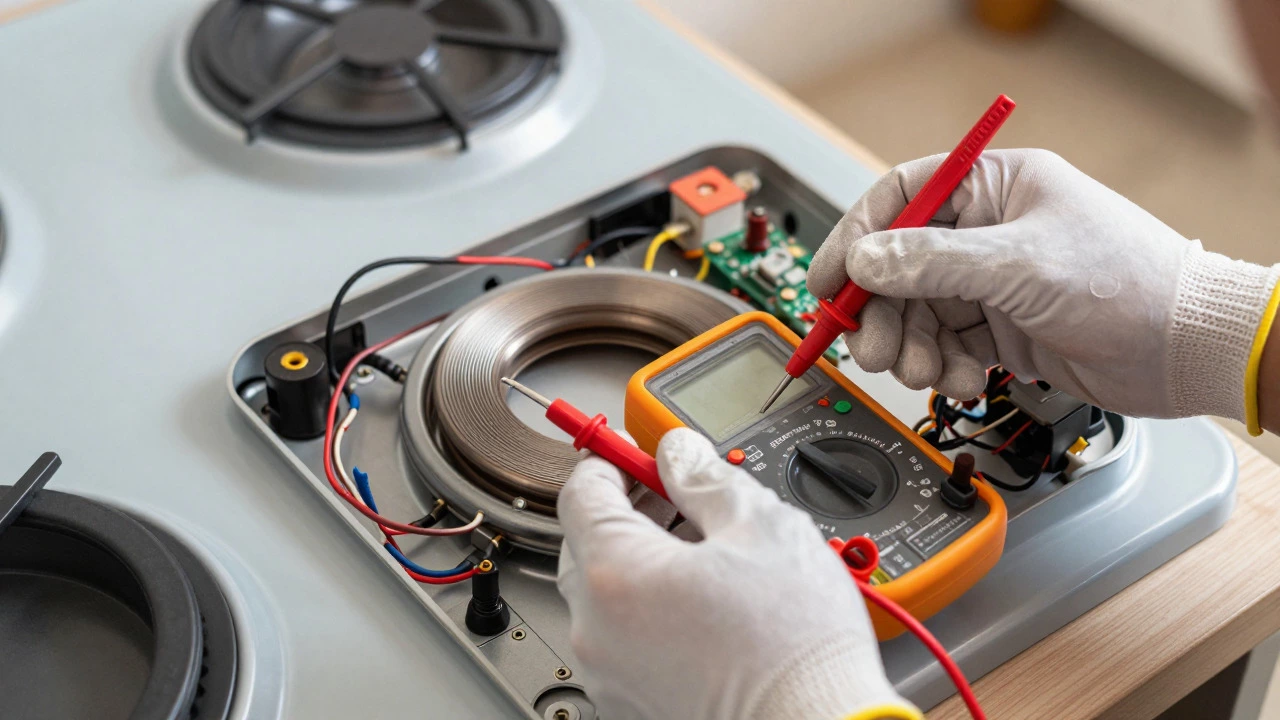
Some jobs are safe for homeowners; others are dangerous. Always unplug the hob before touching any internal components. Use a multimeter to test continuity on fuses and heating elements. If you’re confident with basic electricity, swapping a blown fuse or a burnt-out radiant element is manageable. Keep track of wire connections with photos before disconnecting anything. Call a professional if:
- The control board is sparking or smells burnt.
- You need to replace the ceramic glass (risk of injury from sharp edges).
- The induction coils show signs of physical damage.
- You’re unsure about high-voltage capacitors on the power board.
Cost Analysis: Fix It or Replace It?
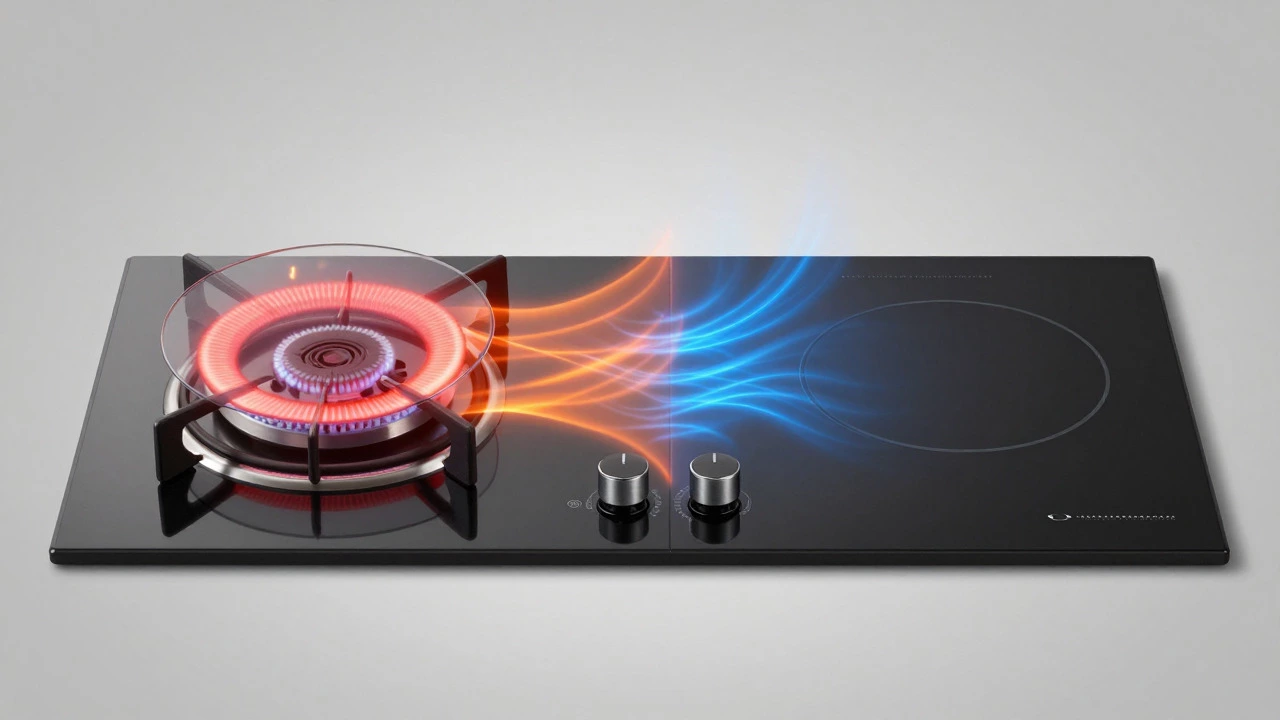
Use the 50% rule as your guide. If the estimated repair cost is less than half the price of a comparable new hob, fix it. If it’s more, replace it. Consider the age of the unit too. Appliances typically last 10-15 years. If yours is near the end of its lifespan, investing in a repair might not be wise because other components could fail soon after. Also, factor in energy savings. Newer induction models are more efficient than older radiant ones. Over two years, the energy savings could offset part of the purchase price of a new unit. Check local utility incentives, as some regions offer rebates for upgrading to high-efficiency cooking surfaces.
Preventing Future Breakages
Most electric hob failures stem from user error or neglect. Avoid dropping heavy pots or pans onto the surface, as impact causes micro-fractures in the glass. Never drag cookware across the hob; lift it instead. Clean spills promptly, especially sugary or acidic residues, which can etch the surface over time. Use non-abrasive cleaners designed for glass-ceramic tops. Ensure proper ventilation. Dust buildup around the vents can cause overheating, leading to electronic failure. Vacuum the area behind the hob every six months if accessible. Finally, keep the temperature sensors clean. Grease or food debris can block the sensor, causing the hob to shut off prematurely or run continuously.
Frequently Asked Questions
How much does it cost to repair an electric hob?
Minor electrical fixes range from $50 to $100. Replacing heating elements costs $100 to $200. Replacing the entire ceramic glass assembly can cost $300 to $600 including labor. Prices vary by region and brand.
Can you replace just the glass on an electric hob?
Usually, no. Manufacturers typically sell the glass as part of a top assembly that includes the heating elements. Buying the assembly is safer and ensures compatibility, though it costs more than bare glass.
Is it worth repairing an old electric hob?
It depends on the cost. If the repair is under 50% of the new unit's price and the hob is under 10 years old, it's usually worth it. If the hob is older or the repair is expensive, replacement is often better due to improved efficiency and reliability of new models.
Why does my electric hob turn off randomly?
This is often caused by a dirty temperature sensor, a loose connection, or a failing control board. Clean the sensor area first. If the issue persists, a technician should check the wiring and board for faults.
Can I use an induction hob on a gas line-up?
Yes, but you need to ensure the electrical supply meets the requirements. Induction hobs draw high amperage (often 40-50 amps). You may need a dedicated circuit installed by an electrician to handle the load safely.