Pressure Cooker Repair vs. Replace Calculator
Not sure if you should fix your pressure cooker or buy a new one? Select the problem below to see a detailed recommendation based on safety, cost, and feasibility.
Step 1: Identify the Issue
Select an issue and click Analyze to get your personalized recommendation.
You’re standing in your kitchen, staring at a pot that won’t stop hissing or, worse, one that just sits there looking stubbornly unpressurized. The first instinct is often panic-did I just ruin dinner? Did I break the machine beyond saving? Or maybe you’re thinking about tossing it out and buying a new one because it seems easier than figuring out what’s wrong.
Here is the good news: Pressure cookers are surprisingly durable machines. Most issues aren't catastrophic failures; they are usually minor wear-and-tear problems with replaceable parts. Before you head to the store for a replacement, let’s figure out if yours can be saved.
The Short Answer: Yes, But With Caveats
Can a pressure cooker be repaired? Absolutely. In fact, most common breakdowns involve components designed specifically to wear out over time. Think of them like tires on a car-they need regular swapping, not a whole new vehicle.
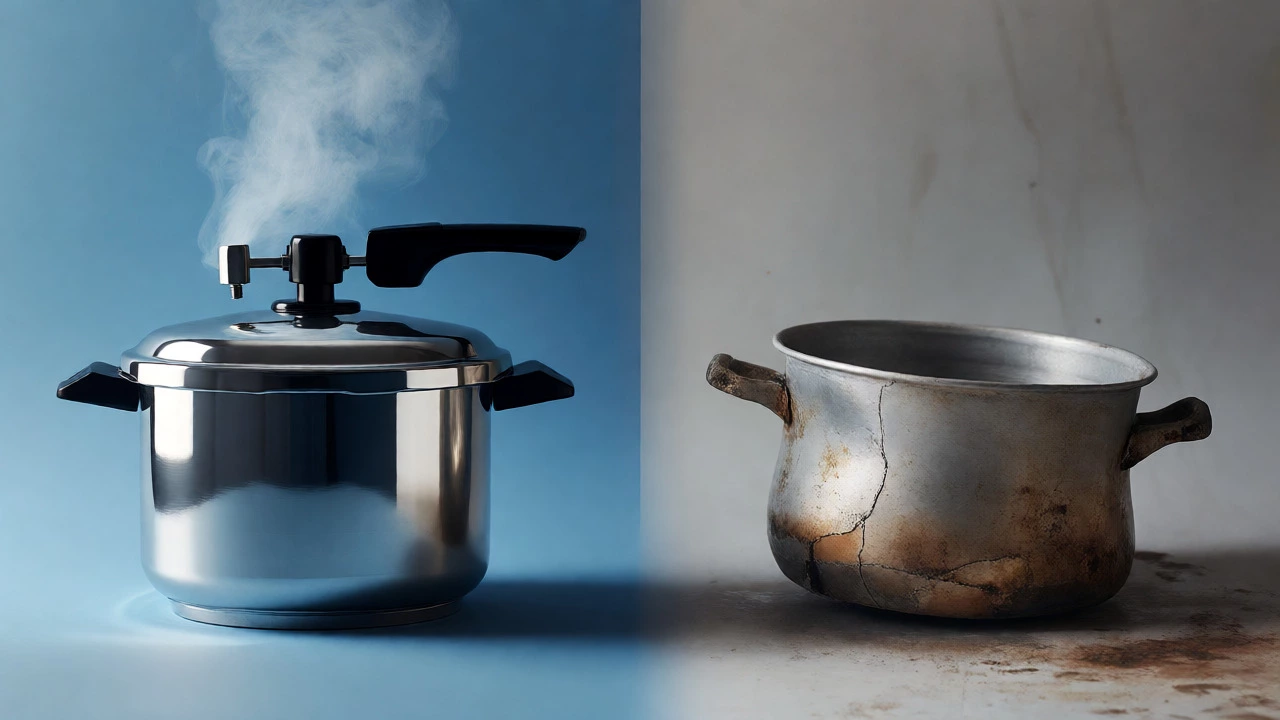
However, there is a hard line. If the main body-the stainless steel or aluminum pot itself-is cracked, warped, or severely corroded, you cannot repair it safely. Structural integrity is non-negotiable when dealing with high-pressure steam. But if the issue lies with the lid, the seals, or the valves, you are likely looking at a quick fix.
Identifying the Problem: What’s Actually Broken?
To know if repair is possible, you have to diagnose the symptom. Here are the three most frequent culprits behind a misbehaving pressure cooker.
The Gasket (Seal) Is Worn Out
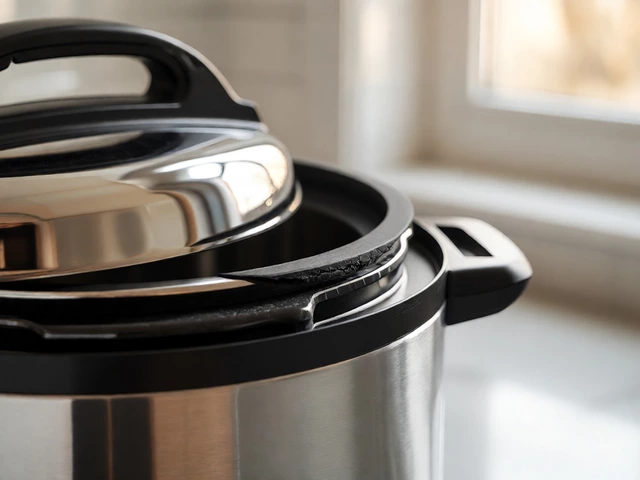
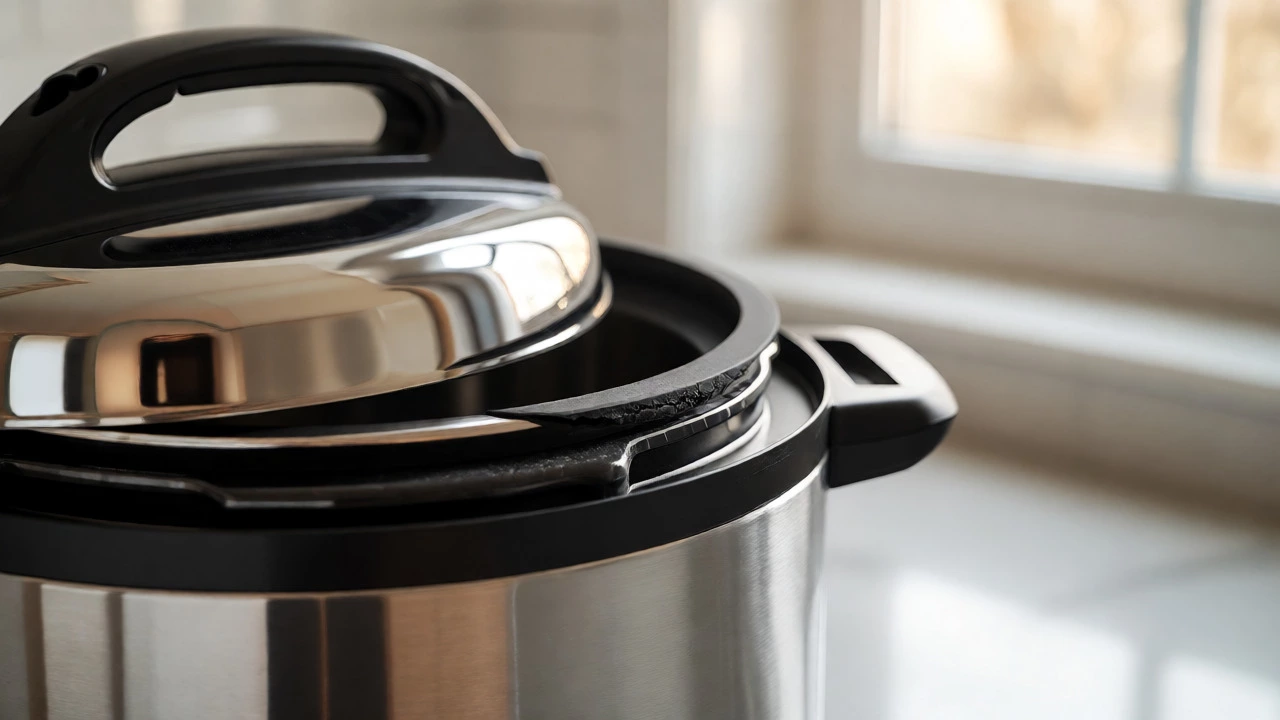
This is the number one reason people think their cooker is broken. The silicone gasket creates the airtight seal between the lid and the pot. Over time, heat and oil degrade this rubber ring. It becomes stiff, cracks, or loses its elasticity.
- Symptoms: Steam escaping from the sides of the lid, inability to build pressure, or a "burnt" smell due to air leaks.
- Repairability: High. These cost between $10 and $25 and take two minutes to swap.
The Pressure Regulator Valve Is Clogged
Modern electric pressure cookers (like Instant Pots) and stovetop models rely on a weighted valve or a spring-loaded regulator to maintain pressure. If food particles get stuck in the vent pipe, the valve can’t move freely.
- Symptoms: The cooker doesn’t reach pressure, or it vents excessively without building up steam.
- Repairability: Very High. Often, this isn’t even a part replacement-it’s a cleaning job. Soak the valve in warm soapy water and use a toothpick to clear the tiny holes.
The Safety Valve Is Stuck
Every pressure cooker has a backup safety mechanism. If the primary regulator fails, a secondary float valve or pop-up pin should engage. If this gets gummed up with starch or grease, it might stay down (preventing sealing) or stay up (venting constantly).
- Symptoms: Constant hissing from the center vent, or the lid feeling loose.
- Repairability: Medium. You can clean it easily. Replacement requires matching the specific model number, which can sometimes be tricky for older units.
When Repair Isn’t an Option: The Deal-Breakers
Not every problem is worth fixing. There are specific scenarios where calling it quits is the safer, smarter choice.
| Issue | Repair Feasibility | Why? |
|---|---|---|
| Worn Gasket | High | Cheap part, easy installation, restores full function. |
| Clogged Valves | High | Usually just needs cleaning, no parts needed. |
| Burnt Pot Interior | Medium | Affects flavor but not safety. Can be scrubbed or replaced if liner is removable. |
| Cracked Body/Lid | None | Structural failure. Risk of explosion. |
| Electrical Failure (Electric) | Low | Often costs more than a new unit due to labor and part sourcing. |
If you see visible cracks in the metal body or the plastic handle is melted/deformed, do not try to glue it. Glue does not hold against 15 PSI of steam pressure. Buy a new one.
DIY Repair: How to Change the Gasket
Since the gasket is the most common failure point, let’s walk through how to fix it yourself. You don’t need tools for this.
- Find Your Model Number: Look under the base of the cooker or inside the lid rim. Write it down. This is crucial because gaskets are not universal.
- Order the Part: Search online retailers using the model number plus "gasket." Brands like Instant Pot, Fagor, and All-Clad all sell official replacements.
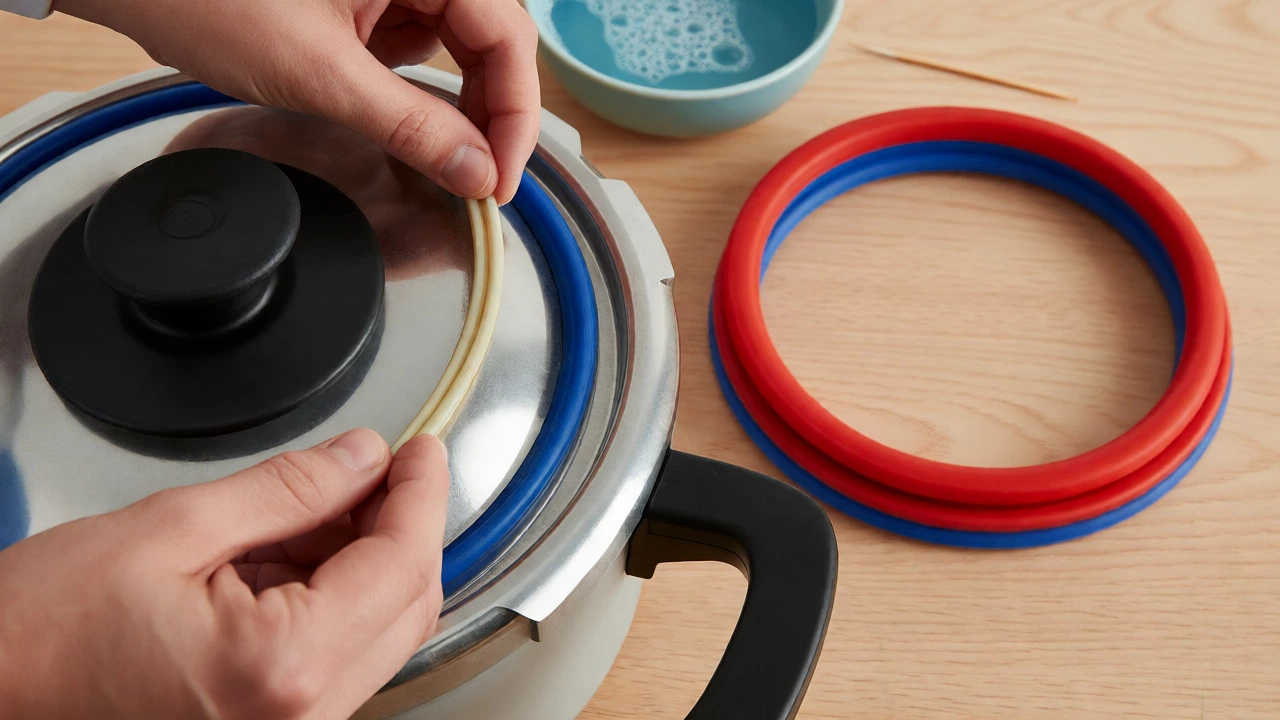
- Remove the Old Seal: Pull the silicone ring out of the groove in the lid. It usually pops right out. If it’s stuck, use a butter knife gently.
- Clean the Groove: Wipe the channel with a damp cloth. Any leftover food debris will prevent the new seal from sitting flat.
- Install the New Seal: Press the new gasket into the groove. Make sure it’s seated evenly all the way around. Run your finger along it to ensure no twists.
- Test It: Fill the pot with 2 cups of water. Lock the lid. Bring to pressure. Check for side leaks.
This process takes less than ten minutes and saves you $80-$150 compared to buying a new appliance.
Stovetop vs. Electric: Does It Matter?
The type of pressure cooker you own changes the repair landscape slightly.
Stovetop pressure cookers are mechanically simpler. They have fewer electronic components to fail. If the regulator weight is lost or damaged, replacements are widely available and cheap. However, they lack the digital diagnostics of electric models. You have to listen and look closely to spot problems.
Electric pressure cookers (multi-cookers) are convenient but complex. They contain heating elements, thermal sensors, and circuit boards. If the display goes blank or the heater stops working, troubleshooting becomes difficult. Unless you are comfortable with multimeters and electronics, electrical repairs on these units are often not cost-effective.
The Cost-Benefit Analysis
Let’s look at the math. A decent new electric pressure cooker costs between $80 and $150. A replacement gasket costs $12. Shipping might add $5. Total repair cost: ~$17.
If the repair involves replacing a control panel or heating element, parts might cost $40-$60, plus shipping. Add in your time and potential frustration. At that point, if the unit is more than 3-4 years old, buying new is often better. New units come with updated safety features and warranties.
For stovetop models, the calculus shifts. A high-end stovetop cooker can cost $100-$200+. Replacing a valve assembly ($15-$25) keeps a premium tool alive for another decade. Stovetop units are built to last longer, so investing in small repairs makes more sense.
Maintenance Tips to Avoid Future Repairs
You can extend the life of your pressure cooker significantly by changing how you use it.
- Never force the lid open: Forcing a locked lid while under pressure can warp the locking mechanism or damage the gasket.
- Don’t fill past the max line: Food expanding during cooking can clog the vent pipes. Keep liquids below the halfway mark for beans and grains.
- Deep clean the valves monthly: Remove the regulator and float valve. Soak them in vinegar or soapy water to dissolve mineral buildup and starch.
- Store with the lid off: Trapping moisture inside the pot promotes mold growth on the gasket and odors in the plastic components.
Frequently Asked Questions
How long do pressure cooker gaskets last?
Typically, silicone gaskets last 12 to 18 months with regular use. If you cook daily, expect to replace them once a year. Signs of wear include cracking, stiffness, or persistent steam leaks from the sides of the lid.
Is it safe to use a pressure cooker with a cracked lid?
No. A cracked lid compromises the structural integrity required to contain high-pressure steam. Even a hairline crack can expand under heat, leading to sudden failure. Always replace a cracked lid immediately.
Why is my electric pressure cooker leaking steam?
Steam leaking from the edges of the lid usually indicates a worn or improperly seated gasket. If steam comes from the center vent continuously, the float valve may be stuck or the pressure regulator may be clogged with food debris.
Can I wash my pressure cooker gasket in the dishwasher?
Most modern silicone gaskets are dishwasher safe, but hand washing is recommended to prolong their life. Harsh detergents and high heat in dishwashers can accelerate the degradation of the silicone, causing it to become brittle faster.
What is the 'float valve' and why is it important?
The float valve is a small pin near the lid handle that rises when pressure builds up. It acts as a visual indicator and a safety lock, preventing the lid from opening while the pot is pressurized. If it’s stuck down, the cooker won’t seal; if it’s stuck up, it won’t release pressure properly.