Boiler Repair vs. Replace Decision Tool
Enter your current boiler details to determine if you should fix it or upgrade to a high-efficiency model.
Current Boiler Status
Replacement Estimates
$0
Net Cost of Replacement(Over Planned Stay)
$0
Total Energy Savings(Over Planned Stay)
--
Break-even Point(Years)
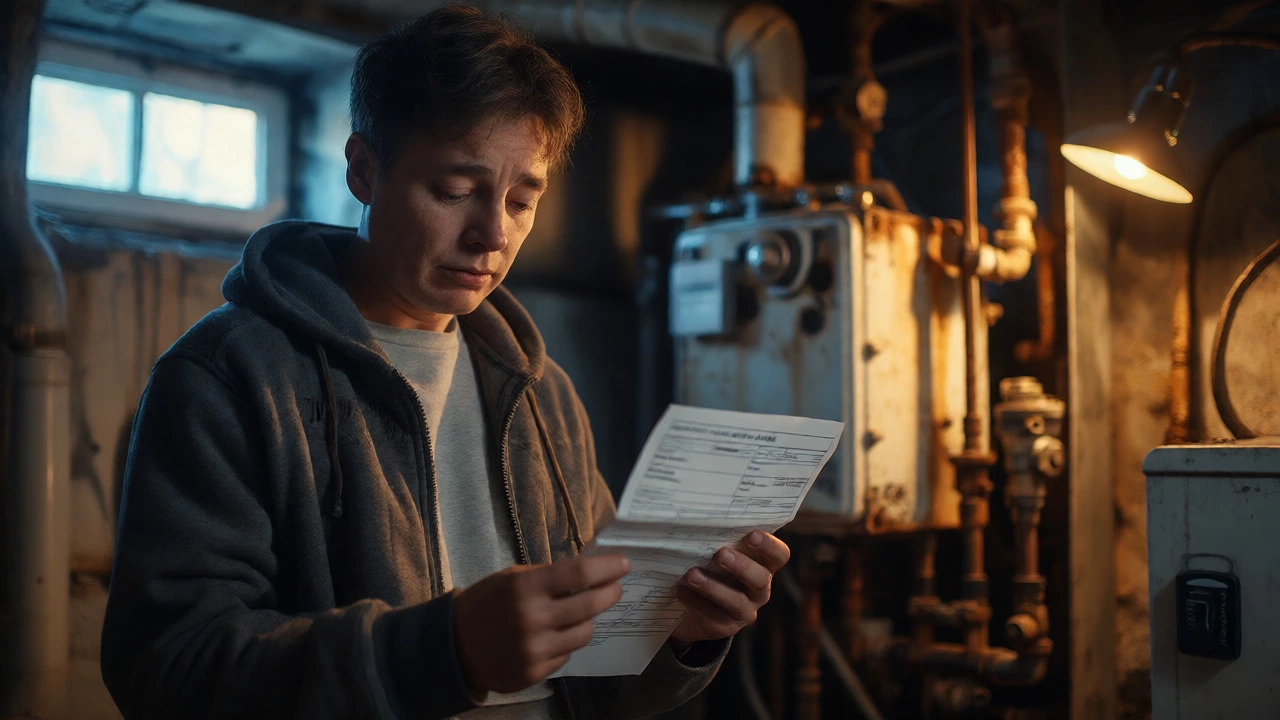
Staring at a quote for a new boiler can feel like getting punched in the gut. You just want your house to be warm, but suddenly you’re looking at thousands of dollars that weren’t in the budget. The short answer? Yes, replacing a boiler is expensive compared to most other home repairs. But the real question isn't whether it costs money-it’s whether keeping that rattling, leaking relic is costing you more.
If you live in a place with cold winters, like Vancouver, your boiler is the heart of your home’s comfort. When it fails, the stakes are high. This guide breaks down exactly what drives the price up or down, when repair makes sense versus replacement, and how to avoid getting ripped off by contractors who see panic as an opportunity.
The Real Numbers: What Does a Boiler Replacement Actually Cost?
Let’s cut through the noise. In North America, a standard residential boiler replacement typically ranges from $3,500 to $8,000. That’s a wide gap, right? Why does one neighbor pay $4,000 while another pays $7,500 for what looks like the same job? It comes down to three main factors: the type of boiler, the complexity of the installation, and local labor rates.
Here is a realistic breakdown of costs for 2026:
| Boiler Type | Efficiency Rating | Average Cost Range | Best For |
|---|---|---|---|
| Standard Efficiency Gas | 80-84% AFUE | $3,500 - $5,000 | Budget-conscious upgrades; older homes with existing venting |
| High-Efficiency Condensing | 90-98% AFUE | $5,500 - $8,500 | Long-term savings; homes looking to lower monthly bills |
| Combi Boiler | 90-95% AFUE | $6,000 - $9,000 | Homes without space for a hot water tank; compact spaces |
| Electric Boiler | 99%+ Efficiency | $2,500 - $4,500 | Small apartments; areas without gas lines |
Notice the jump between standard and high-efficiency models. A condensing boiler recovers heat from exhaust gases that would otherwise escape up the chimney. While the upfront cost is higher, the efficiency gain often translates to 10-15% lower annual heating bills. If you plan to stay in your home for more than five years, the math usually favors the high-efficiency unit.
Why Some Replacements Cost Double Others
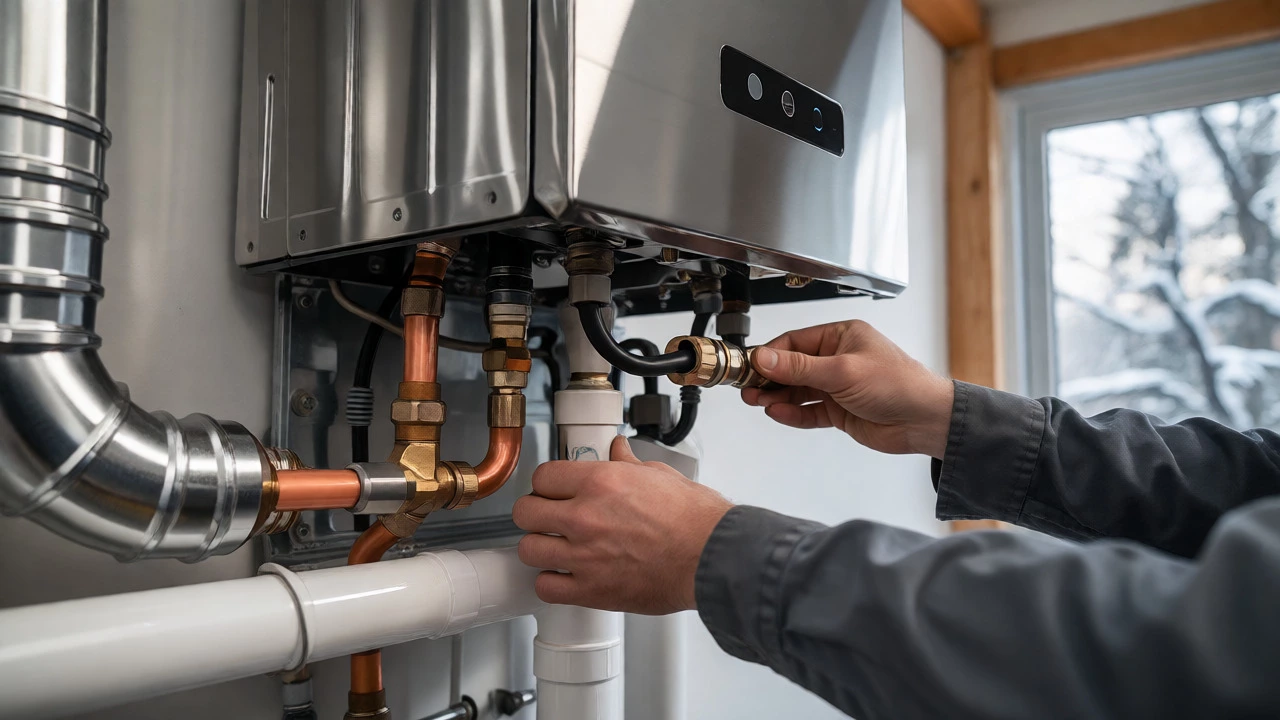
The equipment itself is only half the battle. Installation complexity is where hidden costs hide. If your old boiler vents through the roof using a traditional metal flue, swapping in a modern condensing boiler might require re-routing the vent pipe to the side wall. This involves cutting into your exterior siding, installing new PVC piping, and patching the hole. That’s not just plumbing work; it’s carpentry and siding work too.
Consider these common scenarios that inflate the bill:
- Vent Conversion: Switching from natural draft to direct vent requires new materials and labor. Expect to add $500-$1,500.
- Gas Line Upgrades: Newer boilers sometimes need larger gas supply lines to handle the burner load. Running new copper or CSST gas piping can add $300-$800.
- Permits and Inspections: Most municipalities require permits for mechanical changes. These fees vary wildly but typically range from $100 to $300.
- Hard-to-Reach Locations: If your boiler is in a tight crawlspace or requires scaffolding because it’s on a second floor, labor hours skyrocket.
I once saw a quote in Burnaby where the hardware was $4,200, but the total came to $6,800. Why? The installer had to run a new condensate drain line because the old one couldn’t handle the acidic water produced by a high-efficiency model. Always ask for a detailed line-item quote so you know exactly what you’re paying for.
Repair vs. Replace: The 50% Rule
How do you decide if your current boiler is worth saving? Use the "50% Rule." If the cost of repairing your broken boiler exceeds 50% of the cost of a new one, replace it. Simple, right? Not always.
Age matters significantly here. A boiler over 15 years old is likely nearing the end of its lifespan. Even if you fix the current issue-say, a failed pump or cracked heat exchanger-you’re gambling on the next component failing within two years. Parts for older units become scarce and expensive. Conversely, if your boiler is under 10 years old and the issue is minor (like a faulty thermostat or sensor), repair is almost always the smarter financial move.
Watch out for the "death spiral" of repairs. You fix the igniter in January, the control board in March, and the circulator pump in June. Suddenly, you’ve spent $1,200 on repairs for a $5,000 machine. At that point, you should have replaced it after the first major failure.
Hidden Savings: Rebates and Financing
Don’t let sticker shock blind you to available incentives. Governments and utility companies aggressively push for energy efficiency. In British Columbia, for example, FortisBC offers rebates for upgrading to high-efficiency condensing boilers. Depending on the model and fuel type, you could knock $300-$600 off your final bill.
Federal programs also exist. The Canada Greener Homes Grant has evolved, but tax credits for energy-efficient retrofits remain relevant. Check with your local utility provider before signing a contract. Many contractors will handle the rebate paperwork for you, but verify this in writing. Don’t assume they’ll apply the discount automatically.
Financing options can also change the equation. If you qualify for 0% interest financing over 12-24 months, spreading the cost might make a high-efficiency unit affordable immediately, rather than waiting until your old one dies completely in the middle of a freeze.
Choosing the Right Contractor
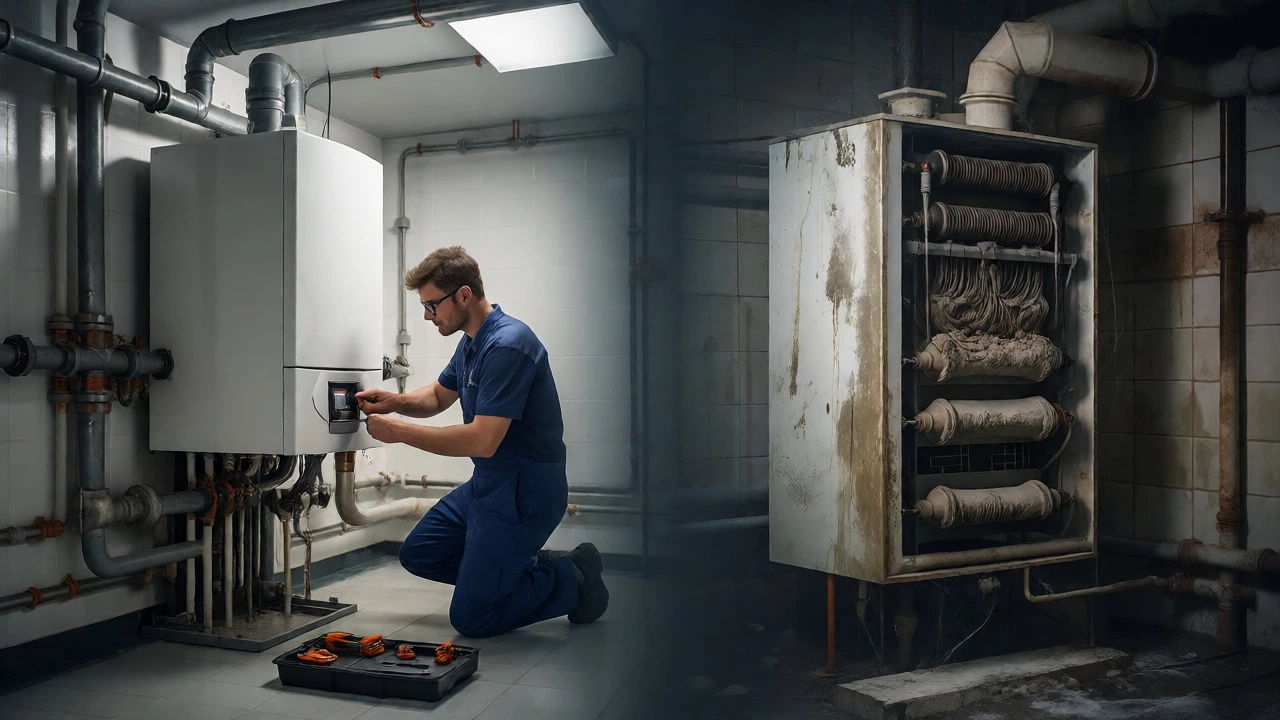
You get what you pay for with boiler installations. A cheap bid often means corners were cut. Maybe they didn’t flush the heating loop properly, leaving sludge that clogs your new heat exchanger. Or perhaps they sized the boiler incorrectly-a common mistake that leads to short-cycling (the boiler turns on and off rapidly), which wastes gas and wears out parts faster.
Ask potential installers these questions:
- Will you perform a Manual J or S load calculation? This determines the correct size for your home’s heating needs. Guesswork leads to inefficiency.
- What brand do you recommend and why? Good contractors stick to brands they service well. Avoid those who sell everything under the sun.
- Is the warranty transferable? Manufacturer warranties often require professional installation by certified technicians to remain valid.
- Do you include removal and disposal of the old unit? This should be in the base price, not an extra fee.
Get at least three quotes. Compare them not just on price, but on scope. If one quote is $1,000 cheaper, find out what’s missing. Are they skipping the permit? Using a lower-tier brand? Ignoring vent modifications?
Maintenance: Protecting Your Investment
You just spent thousands on a new boiler. Don’t neglect it. Annual servicing costs between $100 and $200, but it extends the life of the unit and maintains efficiency. During a tune-up, a technician cleans the burners, checks gas pressure, tests safety controls, and inspects the heat exchanger for cracks.
Neglect is the silent killer. Dust and debris accumulate, reducing airflow and causing overheating. Water quality issues lead to scale buildup inside the heat exchanger, acting like insulation that prevents heat transfer. Regular maintenance catches small leaks before they become catastrophic floods.
Think of it like changing the oil in your car. Skipping it doesn’t save money in the long run; it just guarantees an engine rebuild later.
How long do boilers last?
Most residential boilers last between 15 and 20 years. Cast iron models can last longer, up to 25 years, if maintained well. Steel and aluminum models tend to have shorter lifespans, around 15 years. Age alone is a strong indicator for replacement planning.
Can I replace a boiler myself?
While physically possible for skilled DIYers, it's rarely recommended. Boiler installation involves gas fitting, electrical connections, water piping, and venting. Improper installation can lead to carbon monoxide leaks or voided warranties. Plus, most jurisdictions require licensed professionals to obtain permits and pass inspections.
Are combi boilers better than regular ones?
Combi (combination) boilers provide both heating and instant hot water without a separate storage tank. They save space and reduce standby heat loss. However, they may struggle to supply hot water to multiple fixtures simultaneously in large homes. Regular systems with a dedicated water heater are better for households with high simultaneous demand.
Does insurance cover boiler replacement?
Homeowners insurance typically covers sudden accidental damage, like a burst pipe caused by freezing, but not wear and tear or mechanical failure due to age. If your boiler fails simply because it's old, you'll likely pay out of pocket. Always check your specific policy details.
How much does it cost to run a new boiler?
Operating costs depend on fuel prices and home insulation. A high-efficiency condensing boiler uses less fuel than an older model, potentially saving $200-$400 annually in colder climates. Over the 15-year life of the unit, these savings can offset a significant portion of the replacement cost.