Water Heater Reset Button Diagnostic Tool
Select the symptoms you are experiencing to identify the likely cause and estimated repair cost.
Likely Cause:
Safety & Next Steps
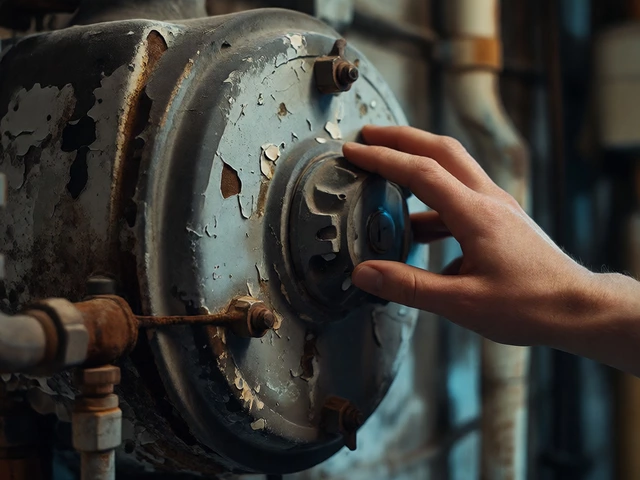
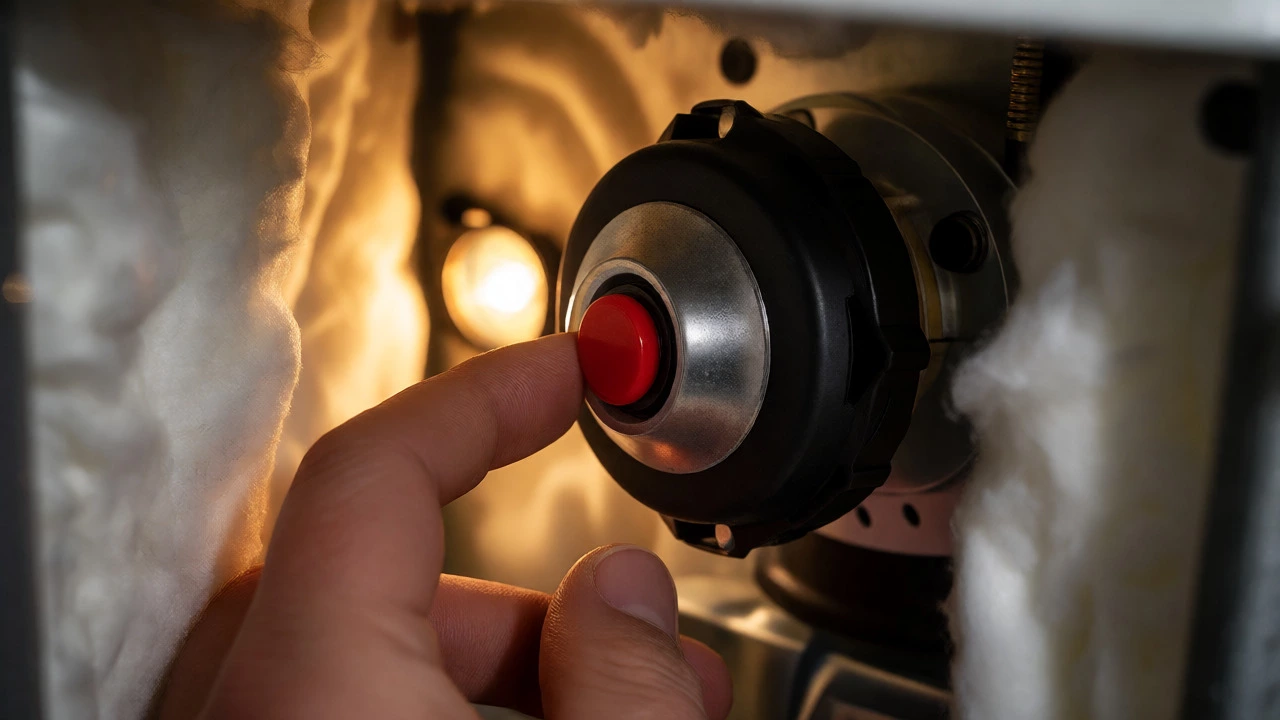
You turn on the shower, and it’s freezing. You check the breaker, and it’s fine. Then you open the access panel on your electric water heater, press the red reset button on the upper thermostat, and boom-hot water returns. But then, two days later, it happens again. Why does this keep happening? Is your heater dying, or is something else triggering that little red button?
The reset button isn't just an "on/off" switch; it's a safety fuse for your heating elements. When it trips, it means the system detected a dangerous condition-usually overheating-and cut power to prevent a fire or a tank explosion. While resetting it might buy you time, ignoring the root cause can lead to expensive repairs or even a failed tank. Let’s break down exactly what triggers this mechanism and how to diagnose the culprit without calling a plumber immediately.
The High Limit Switch: Your Heater’s Safety Guard
To understand why the button trips, you need to know what it connects to. Inside every electric water heater, behind the insulation and the plastic cover, sits the upper thermostat. Attached to this thermostat is a component called the high limit switch. This device acts as a thermal cutoff valve. Its job is simple: if the water temperature inside the tank exceeds a safe threshold (typically around 180°F or 82°C), the switch opens the circuit, cutting power to the heating element.
Think of it like the circuit breaker in your house, but specific to heat rather than electricity flow. Under normal conditions, the main thermostat turns the element on when water cools down and off when it hits the set point (usually 120°F). The high limit switch never engages unless something goes wrong with the main thermostat or the heating cycle gets stuck. If you have to press that red button more than once a month, your high limit switch is doing its job too often, signaling a persistent fault.
Cause #1: A Faulty Upper Thermostat
The most common reason for a tripped reset button is a broken upper thermostat. This part controls the top heating element. If the internal bimetallic strip inside the thermostat fails, it might get stuck in the "closed" position, meaning it keeps sending power to the heating element even after the water reaches the desired temperature. The water continues to heat up until it hits the high limit switch’s trip point, forcing the safety shutoff.
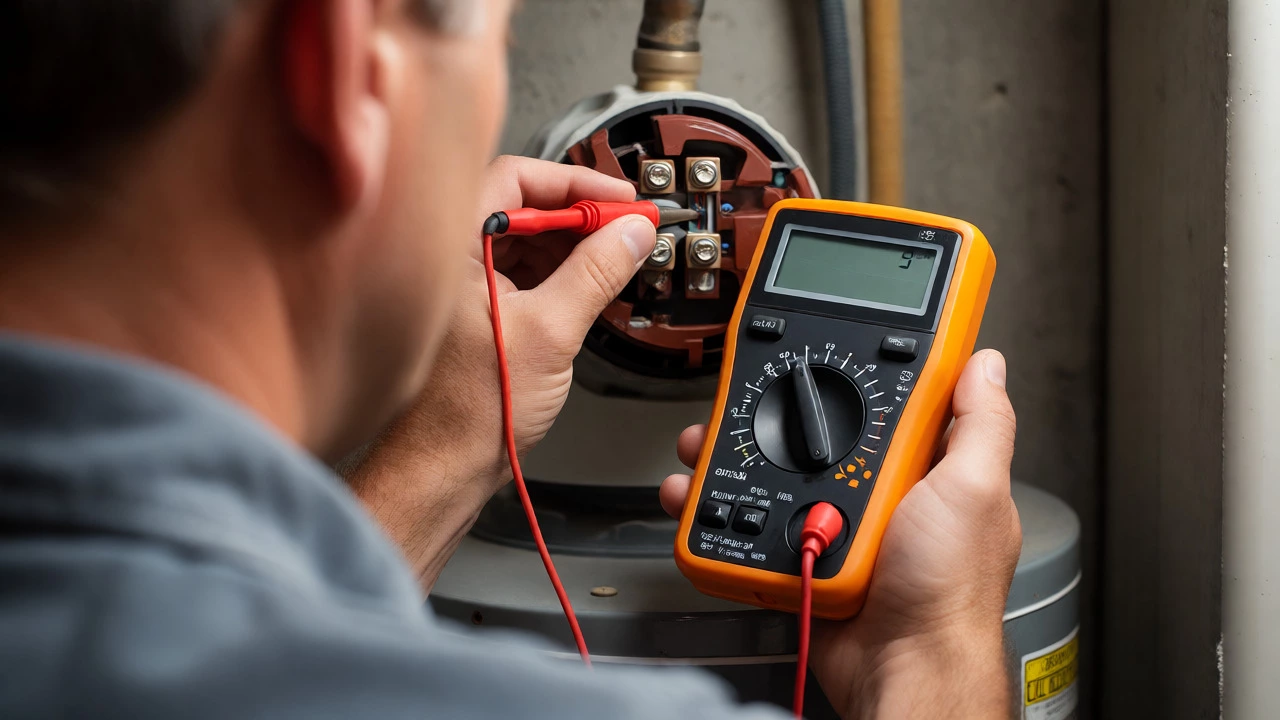
How do you confirm this? Use a multimeter. With the power off, disconnect the wires from the upper thermostat. Set your multimeter to continuity mode. Heat the thermostat sensor with a hair dryer or your thumb. If the multimeter shows continuity (a beep) when it should be open (no beep) at room temperature, or if it never breaks continuity when heated, the thermostat is defective. Replacing a thermostat typically costs between $20 and $50 for the part itself, making it one of the cheapest fixes in water heater repair.
Cause #2: Shorted Heating Element
If your thermostats test good, the next suspect is the heating element. Over time, minerals from hard water coat the element, insulating it and causing it to overheat internally. Eventually, the sheath surrounding the element can crack or corrode, allowing electricity to leak into the water tank. This ground fault causes the element to draw excessive current and generate intense localized heat, triggering the high limit switch.
A shorted element doesn’t always mean no hot water; sometimes it just heats inefficiently or intermittently. To test this, turn off the power and remove the wires from the lower terminal of the heating element. Use your multimeter set to resistance (ohms). Place one probe on the element terminal and the other on the metal flange (the mounting nut) of the element. You should see infinite resistance (OL). If you see any reading under 1 megohm, the element is grounded and needs replacement. Elements cost roughly $15-$30, but replacing them requires draining the tank, which adds labor complexity.
Cause #3: Sediment Buildup and Dry Firing
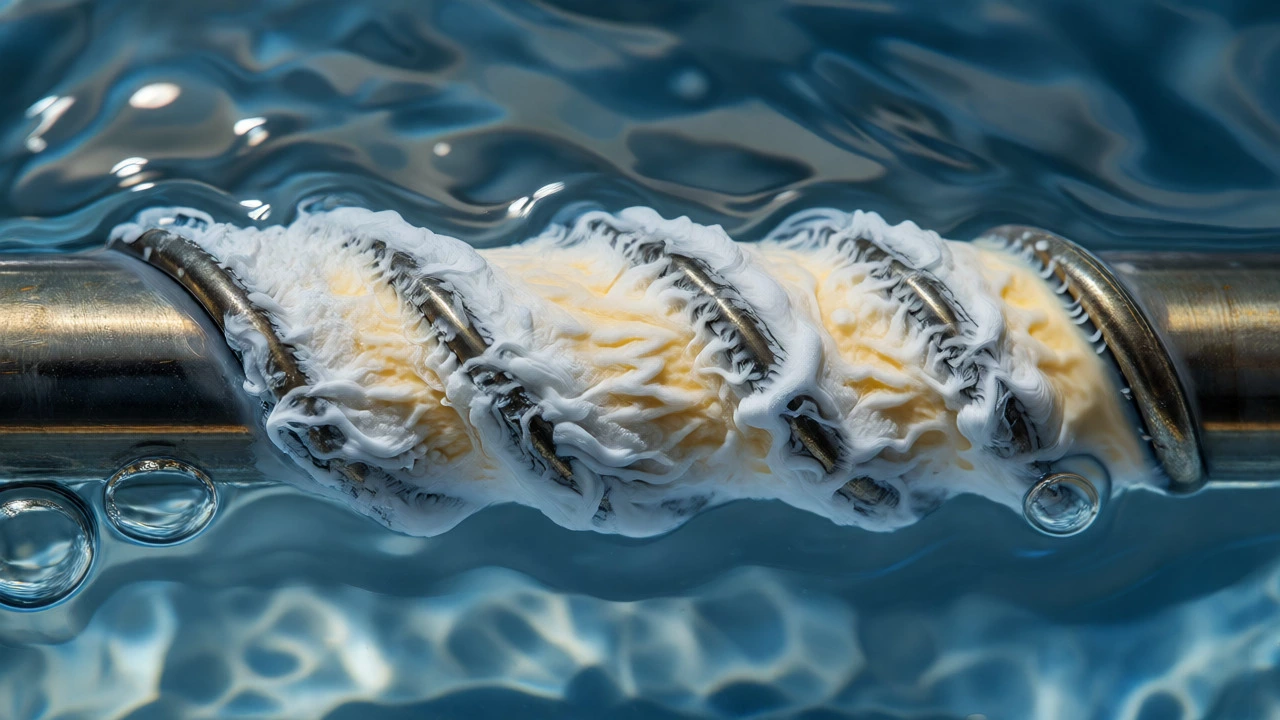
Hard water leaves calcium and lime deposits at the bottom of the tank. For electric heaters, the lower heating element sits right in this sediment layer. Thick layers of sediment act as an insulator, trapping heat against the element instead of transferring it to the water. This causes the element to overheat rapidly, potentially burning out the element itself or tripping the high limit switch via thermal conduction.
Worse, if the water level drops below the element (due to a leak or heavy usage before refill), the element can "dry fire." Without water to absorb the heat, the element glows red-hot within seconds and destroys itself. This often trips the reset button instantly. Regular flushing of the tank removes this sediment. If you live in an area with very hard water, annual flushing is not optional-it’s essential maintenance.
Cause #4: Loose Wiring or Corroded Connections
Electricity creates heat. If the wire connections at the thermostat or heating element are loose, they create resistance. This resistance generates excess heat at the connection point, which can trick the high limit switch into thinking the water is hotter than it actually is. Additionally, corrosion on the terminals can cause arcing, further damaging components.
Check the wiring visually. Look for blackened marks, melted plastic, or loose screws. Tighten all terminal screws firmly. If the wires look brittle or burnt, replace them. This is a quick, free fix that solves a surprising number of intermittent reset issues. Always ensure the power is completely off before touching any wires.
Comparison: Diagnosing the Culprit
Not sure which part is failing? Use this decision matrix to narrow down the problem based on symptoms and basic tests.
| Symptom | Likely Cause | Diagnostic Test | Estimated Part Cost |
|---|---|---|---|
| Resets work, but trip again quickly (hours/days) | Faulty Upper Thermostat | Multimeter continuity test on thermostat | $20 - $50 |
| No hot water at all, or only lukewarm | Shorted Heating Element | Resistance test from terminal to ground | $15 - $30 |
| Trips immediately after reset | Grounded Element or Bad Wiring | Visual inspection + Ground fault test | $0 - $30 |
| Trips periodically, especially after heavy use | Sediment Buildup | Inspect drain valve for cloudy water/sand | $0 (DIY Flush) |
| Burning smell near the unit | Loose Connection/Arcing | Visual check for scorch marks on terminals | $0 - $10 |
When to Call a Professional
While DIY repairs save money, some situations require a pro. If you’ve replaced both thermostats and heating elements and the problem persists, the issue might be deeper. Rarely, the high limit switch itself can fail mechanically, though this is uncommon. More seriously, if the tank is leaking or showing signs of rust through the pressure relief valve, replacing parts won’t help. The tank has reached the end of its life.
Also, consider your local code requirements. In some jurisdictions, working on electrical appliances requires a licensed electrician, especially if you’re dealing with 240-volt circuits. If you aren’t comfortable using a multimeter or draining a 50-gallon tank, hiring a technician ($150-$250 typical service call) is safer than risking a shock or a flood.
Preventing Future Trips
Once you’ve fixed the immediate issue, take steps to prevent recurrence. First, check your water heater’s temperature setting. It should be set to 120°F. Higher settings increase mineral buildup and energy costs. Second, install a water softener if you haven’t already; this dramatically extends the life of heating elements. Third, flush the tank annually. Just hook up a hose to the drain valve, let it run until clear, and close it. This takes 15 minutes and saves hundreds in premature part replacements.
Finally, inspect the pressure relief valve (T&P valve). If it’s dripping or discharging water, it might be related to thermal expansion issues, which can indirectly stress the system. Ensuring your entire plumbing system is balanced helps your water heater run cooler and longer.
Can I just keep resetting the button?
No. The reset button is a safety feature, not a start switch. If it trips repeatedly, there is an underlying fault like a bad thermostat or element. Ignoring it can lead to a burned-out element, a damaged tank, or even a fire hazard. Fix the root cause instead of relying on the reset.
Why did my reset button trip while I was away?
This usually indicates a stuck thermostat or a failing heating element. Even when no hot water is being used, the tank loses heat naturally. If the thermostat fails closed, the element runs continuously until the water boils or hits the high limit, tripping the switch. It’s a sign that the control logic has failed.
Is it dangerous to bypass the reset button?
Yes. Bypassing the high limit switch removes the primary safety protection against overheating. If the main thermostat fails, the water could reach boiling temperatures, increasing pressure dangerously and potentially rupturing the tank. Never permanently bypass this safety device.
How long do water heater thermostats last?
Thermostats typically last 6 to 10 years, similar to the lifespan of the tank itself. However, poor water quality and frequent voltage spikes can shorten their life. If your heater is over 10 years old and tripping resets, consider replacing the whole unit rather than chasing individual parts.
Does a tripped reset button mean the heating element is dead?
Not necessarily. A tripped button means the system overheated. The element might still work, but it could be drawing too much power due to scale buildup or a partial short. Testing with a multimeter is required to determine if the element is functional or needs replacement.