Water Heater Repair vs. Replace Calculator
You turn on the shower, expecting hot water, and get nothing but a lukewarm trickle. Or worse, you hear a strange rumbling noise coming from your utility closet. It’s a frustrating moment that usually signals one thing: your water heater is running out of time. Knowing exactly how long these appliances last can save you from unexpected flooding, costly emergency repairs, or simply wasting money on a unit that should have been replaced years ago.
The short answer? Most traditional tank-style water heaters last between 8 to 12 years. Tankless models push that number up to 20 years or more. But "life expectancy" isn't just a calendar date; it's a measure of wear and tear influenced by water quality, maintenance habits, and usage patterns. If you’re standing in front of a shuddering tank wondering if it’s worth repairing, understanding its biological clock is the first step to making a smart decision.
How Long Do Different Types of Water Heaters Last?
Not all water heaters are created equal. The type of system you have dictates its baseline lifespan. Let’s break down the three most common types found in homes today.
Tank-Style Gas Water Heaters
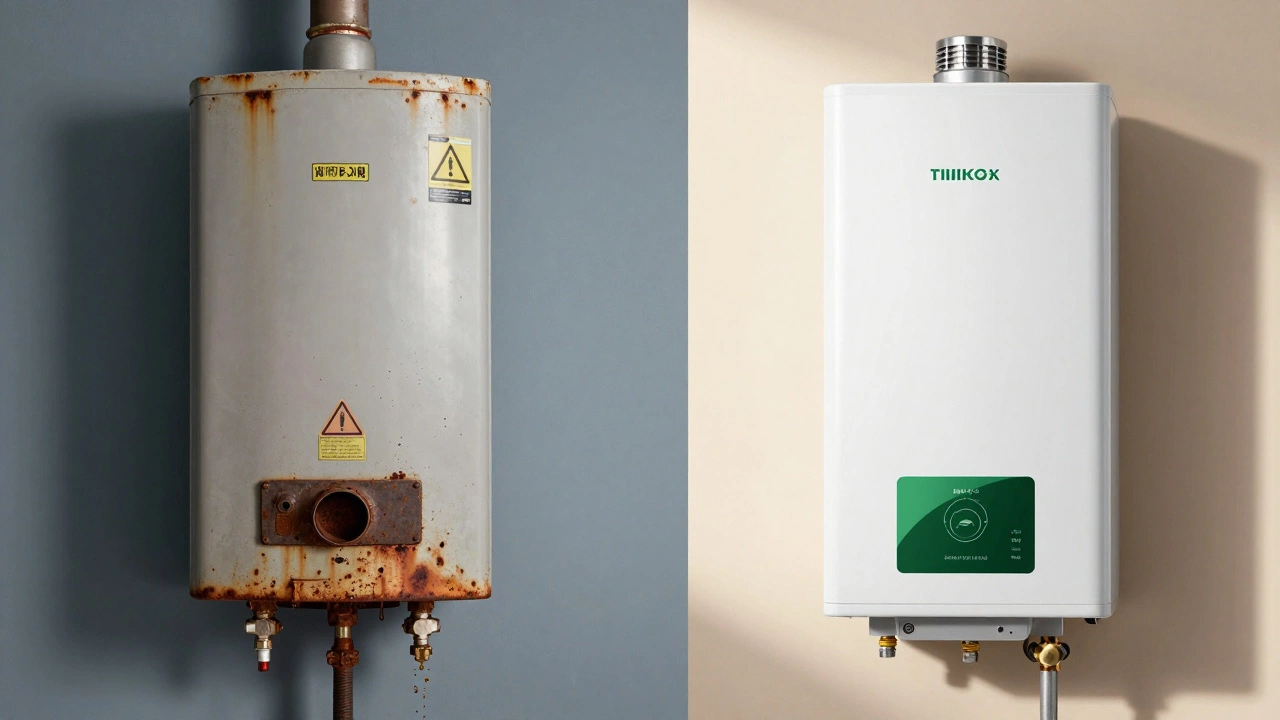
This is the classic appliance you see in basements and garages. A gas water heater is a storage tank unit heated by natural gas or propane typically lasts between 8 to 12 years. The combustion process creates soot and heat stress on the tank walls. Over time, the glass lining inside the steel tank degrades, leading to rust and eventual leaks. If yours is over 10 years old, you’re likely in the danger zone where failure becomes statistically probable.
Tank-Style Electric Water Heaters
Electric water heaters are storage tanks using heating elements powered by electricity generally live longer than their gas counterparts, averaging 10 to 15 years. Why? There’s no combustion chamber, meaning less internal corrosion from soot. However, they suffer from different issues. The heating elements can burn out, and sediment buildup insulates the elements, causing them to overheat and fail prematurely. While they might last longer, they often become inefficient well before they actually leak.
Tankless (On-Demand) Water Heaters
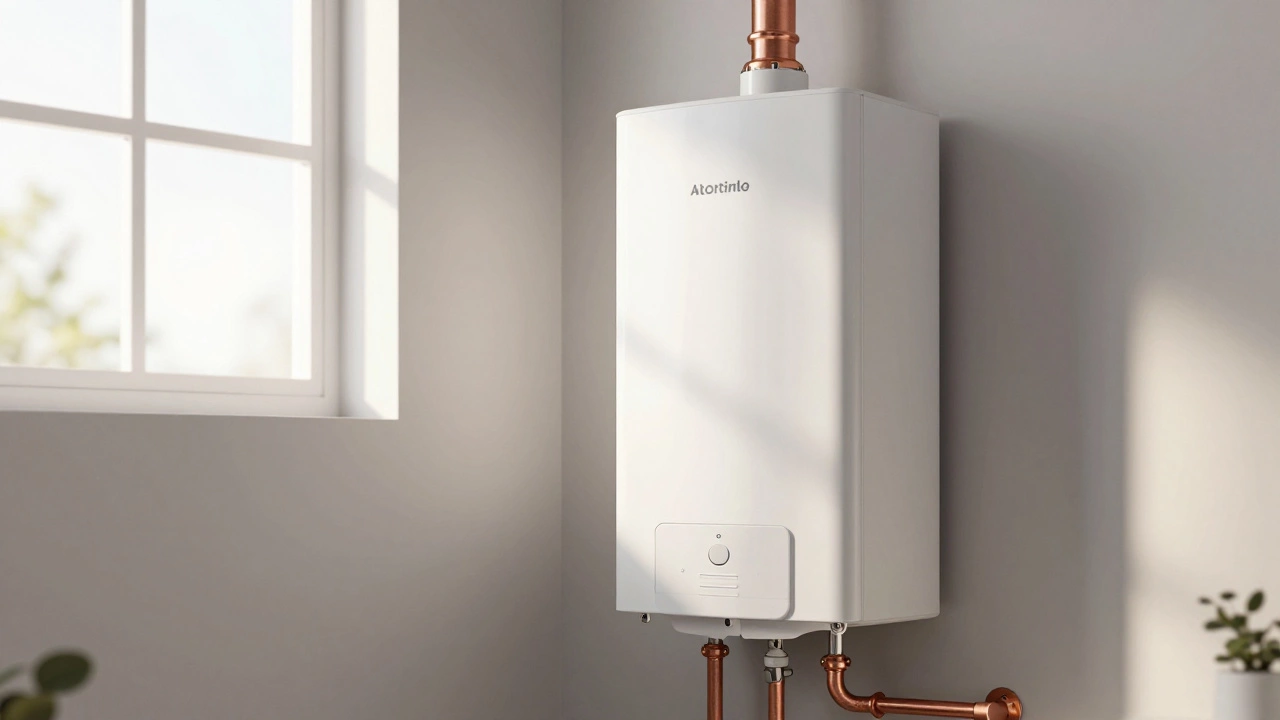
If you’ve invested in a tankless water heater is an on-demand system that heats water only when needed, you’re looking at a significantly longer horizon. These units commonly last 20 years or more. Without a large storage tank sitting idle, there’s less risk of catastrophic tank rupture. However, they require regular descaling (flushing) to remove mineral deposits from the heat exchanger. Neglect this, and a $2,000+ investment can fail in half its expected life.
| Type | Average Lifespan | Primary Failure Cause |
|---|---|---|
| Gas Tank | 8-12 Years | Tank corrosion/leaks |
| Electric Tank | 10-15 Years | Element failure/sediment |
| Tankless (Gas/Electric) | 20+ Years | Heat exchanger scaling |
Why Does Your Water Quality Matter So Much?
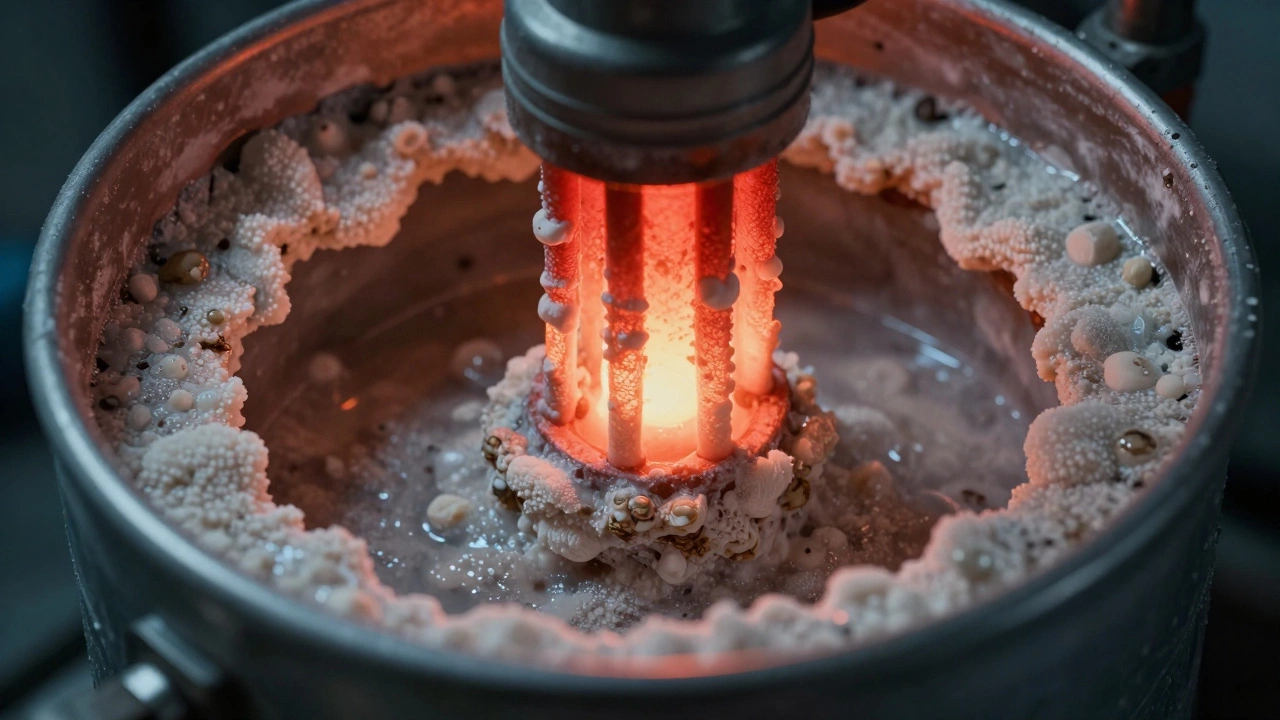
You might wonder why two identical water heaters installed in neighboring houses have such different lifespans. The culprit is almost always hard water is water with high mineral content like calcium and magnesium. In areas with hard water, minerals precipitate out of the solution as the water heats up, forming scale on the bottom of the tank and around heating elements.
This scale acts like an insulator. For electric heaters, the element has to work harder to heat through the layer of rock-like deposits, causing it to overheat and snap. For gas heaters, the scale traps heat against the bottom of the tank, causing the metal to warp and the glass lining to crack. In severe cases, a tank can accumulate several inches of sediment, reducing capacity and efficiency drastically within just a few years. If you live in a region known for hard water-like parts of the Midwest or Southwest-your water heater’s life expectancy drops by 20-30% unless you install a whole-house softener or flush the tank annually.
Signs Your Water Heater Is Dying
Water heaters rarely give a polite heads-up before they quit. They tend to fail catastrophically. However, there are subtle warning signs that indicate the end is near. Catching these early allows you to schedule a replacement on your terms rather than dealing with a flooded basement at 2 AM.
- Rumbling or Popping Noises: This is the sound of water boiling under layers of sediment. It’s a clear sign of heavy scale buildup. While flushing might help temporarily, persistent noise means the tank is severely compromised.
- Rusty Water: If turning on the hot water tap yields brownish water, the internal tank is corroding. Once the glass lining fails, the steel tank rusts from the inside out. This is not fixable; the tank must be replaced.
- Inconsistent Temperatures: If hot water runs out quickly or fluctuates wildly, the thermostat or heating elements may be failing. In older units, this often precedes total failure.
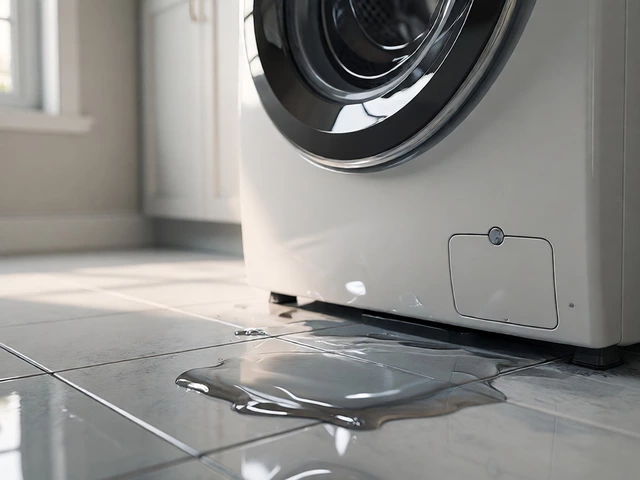
- Moisture Around the Base: Even a small puddle under the tank is a red flag. Check the pressure relief valve first, but if the moisture comes from the tank itself, you’re waiting for a major leak.
- Age Over 10 Years: Combine age with any of the above symptoms, and the math is simple. The cost of repair rarely justifies keeping a decade-old unit running.
Repair vs. Replace: When to Pull the Plug
This is the million-dollar question. Should you spend $200 on a new thermostat or $2,500 on a new unit? Here’s a practical rule of thumb used by many plumbers: If the unit is more than halfway through its expected lifespan AND the repair costs more than 50% of the price of a new unit, replace it.
Consider this scenario: You have a 9-year-old gas water heater. The thermocouple fails. Replacement costs $150. Is it worth it? Maybe. But if the burner control valve goes bad ($300+), you’re throwing good money after bad. A new high-efficiency condensing gas water heater might cost $1,500-$2,500 installed, but it will last another 15 years and save you on energy bills. Sticking with the old unit risks a sudden leak that could cause thousands in water damage.
For tankless units, the calculus is different. Because they last twice as long, minor repairs (like replacing a fan or igniter) are often worth it even at year 10. But if the heat exchanger cracks, replacement is the only option.
How to Extend the Life of Your Water Heater
You don’t have to accept the average lifespan. With minimal effort, you can add 2-5 years to your unit’s life. Here’s what actually works:
- Flush the Tank Annually: Drain a few gallons from the drain valve until the water runs clear. This removes loose sediment. For hard water areas, do this every six months. It takes 20 minutes and prevents scale buildup.
- Check the Anode Rod Every 3-5 Years: The sacrificial anode rod is designed to corrode instead of your tank. If it’s heavily depleted, replace it. A new rod costs about $50 and can double the remaining life of the tank. Many homeowners ignore this until it’s too late.
- Adjust the Temperature: Keep the thermostat at 120°F (49°C). Higher temperatures accelerate corrosion and scale formation. Lowering it saves energy and reduces stress on the tank.
- Inspect the Pressure Relief Valve: Lift the lever on the temperature and pressure (T&P) relief valve once a year to ensure it’s not stuck. A malfunctioning valve can lead to dangerous pressure buildup.
The Hidden Cost of Ignoring Maintenance
We often think of water heaters as "set it and forget it" appliances. That mindset is expensive. A neglected water heater doesn’t just die; it damages your home. The average water heater leak causes between $2,000 and $5,000 in water damage, depending on the floor level and materials affected. Add in the cost of emergency plumbing service and mold remediation, and the bill balloons.
Furthermore, an aging, inefficient water heater uses more energy. Sediment buildup forces the unit to run longer cycles, driving up your utility bills by 10-20%. Replacing an old unit with a modern Energy Star model pays for itself in energy savings within 3-5 years, while giving you peace of mind for the next decade.
Is it worth repairing a 10-year-old water heater?
Generally, no. At 10 years, a tank-style water heater is at the end of its useful life. Minor repairs like replacing a thermostat might be temporary fixes, but the risk of tank failure is high. Unless the repair is extremely cheap (under $100), it’s usually smarter to budget for a replacement to avoid potential water damage.
Can I extend the life of my water heater without professional help?
Yes. Flushing the tank annually to remove sediment is easy to do yourself and significantly extends lifespan. You can also check the temperature setting and inspect the T&P valve. However, checking and replacing the anode rod requires some technical skill and draining the entire tank, so many people hire a pro for that specific task.
Do tankless water heaters really last 20 years?
They can, but only with proper maintenance. Tankless units are prone to scaling in hard water areas. If you don’t flush them annually to remove mineral deposits, the heat exchanger can clog or crack, reducing lifespan to 10-15 years. Regular maintenance is non-negotiable for hitting that 20-year mark.
What is the biggest factor in water heater lifespan?
Water quality is the biggest variable. Hard water causes rapid scale buildup, which insulates heating elements and corrodes the tank from the inside. Soft water users often see their heaters last well beyond the average 10-12 years, while hard water users may see failures in 5-7 years without aggressive maintenance.
How do I know if my water heater is leaking internally?
Internal leaks are hard to detect until they become external. Watch for dampness around the base of the unit, rust-colored hot water, or a drop in water pressure. If you see moisture pooling under the tank that isn’t from the cold water inlet pipes, the tank itself is likely corroding and needs immediate replacement.