Washing Machine Lifespan & Repair Estimator
Enter your machine's details to get a recommendation.
Check any symptoms you are experiencing. These indicators suggest deeper mechanical issues beyond simple wear.
Suspension rods or bearings may be worn.
Cracked seals or failing pump housings.
Drain pump or motor coupling failure.
Control board deterioration.
You’re standing in the laundry room, staring at that noisy drum. It’s been with you through college moves, new babies, and countless loads of muddy gym clothes. But lately, it feels... tired. The spin cycle sounds like a jet engine taking off, and you find yourself wondering: is this washing machine too old to keep fixing?
It’s a question every homeowner hits eventually. There isn’t one magic number stamped on every appliance saying "retire me," but there are clear signs, industry averages, and financial rules of thumb that tell you when your washer has crossed the line from "aging gracefully" to "money pit." Let’s cut through the noise and figure out if your machine is just getting up there in years or actually nearing the end of its life.
The Industry Standard: How Long Should a Washer Last?
First, let’s look at the hard data. According to the National Association of Home Builders (NAHB) and various consumer reports, the average lifespan of a standard top-load or front-load washing machine is between 10 to 15 years. This isn't a guarantee, but it's the benchmark most manufacturers design for. If your machine is under 10 years old, it’s likely still in its prime. Between 10 and 15, it’s entering senior citizenship. Anything over 15 is statistically living on borrowed time.
But why the range? Because "old" depends heavily on usage and build quality. A family of five doing six loads a day will burn out components much faster than a single person doing two loads a week. High-end brands often use more durable motors and bearings, potentially stretching that lifespan to 18 or even 20 years with meticulous care. Conversely, budget models might start showing critical failures around year 8.
Signs Your Washing Machine Is Actually "Old" (Not Just Dirty)
Age is just a number, but symptoms are facts. Here is how to diagnose if your machine is truly aging out versus needing a simple fix.
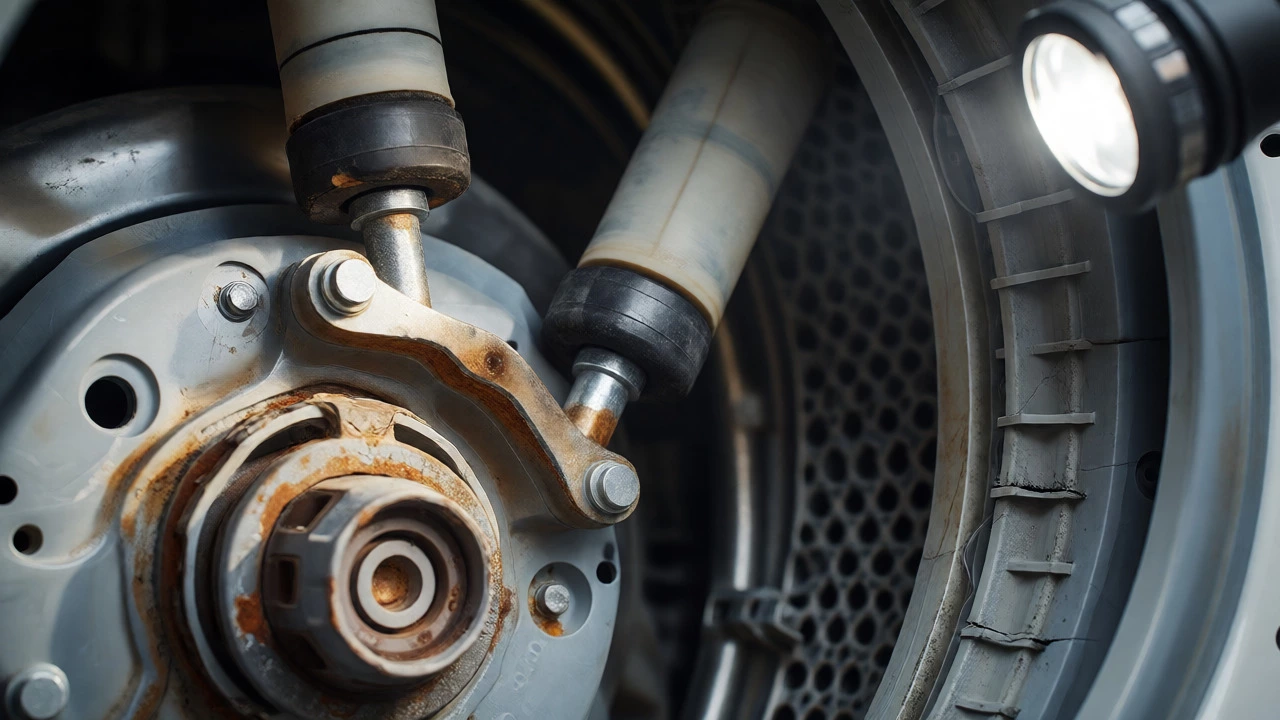
- Excessive Vibration and Noise: All washers shake a bit. But if yours walks across the floor or sounds like rocks in a blender during the spin cycle, the suspension rods or shock absorbers are worn. Replacing them costs $100-$200. If the tub bearing itself is shot (a grinding roar), the repair can hit $400-$600. At that point, if the machine is 12+ years old, replacement is usually smarter.
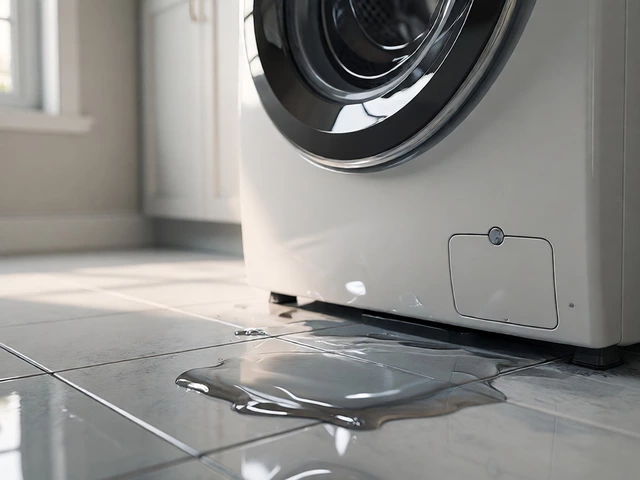
- Leaks That Won’t Stop: Small leaks might be a loose hose. Persistent water pooling underneath usually means cracked tub seals or failing pump housings. Plastic degrades over time; rubber hoses become brittle. On an older unit, finding replacement parts for discontinued models becomes a scavenger hunt.
- Clothes Are Damaged or Still Wet: If your clothes come out shredded, it could be a rough drum edge or a broken agitator. If they’re soaking wet, the drain pump or motor coupling is failing. These are classic end-of-life indicators because the core mechanical systems are wearing down.
- Frequent Error Codes: Modern washers have brains. If you’re clearing error codes weekly for different issues-door lock failure, sensor errors, communication faults-the electronic control board is likely deteriorating. Electronics don’t age well; capacitors dry out and circuits corrode.
The Financial Rule: When to Repair vs. Replace
This is where math beats emotion. Appliance technicians often use the "50% Rule." If the cost of the repair exceeds 50% of the price of a brand-new equivalent model, replace it. For example, if a new washer costs $800 and the repair quote is $450, buy the new one. You get a warranty, better efficiency, and no immediate risk of another breakdown next month.
There’s also the "Remaining Life" calculation. Estimate how many years your machine has left based on its current age. If your 14-year-old washer needs a $300 repair, and a new one lasts 10 years, you’re paying $30 per year for the privilege of keeping the old one. If the repair keeps it going for only 2 more years, that’s $150 per year. Not a great deal.
| Machine Age | Typical Condition | Recommended Action |
|---|---|---|
| 0-7 Years | Under warranty or early wear | Repair almost always. Parts are cheap and available. |
| 8-12 Years | Moderate wear, minor issues | Repair if cost is <30% of new unit. Check for energy savings. |
| 13-15 Years | Significant wear, outdated tech | Replace if repair >50% of new unit. Consider efficiency gains. |
| 15+ Years | End of life, rare parts | Replace immediately upon major failure. Avoid band-aid fixes. |
Technology Gaps: Why Newer Machines Matter
An "old" washing machine isn’t just about rust and noise; it’s about obsolescence. Machines from 15 years ago lack the smart features and efficiency standards we expect today. Older models consume significantly more water and electricity. A modern Energy Star-rated washer uses roughly 25% less energy and 33% less water than conventional models made before 2011.
If you live in Vancouver, where utility rates fluctuate and environmental consciousness is high, upgrading saves money long-term. Newer machines also offer shorter cycle times, steam cleaning options for allergens, and app connectivity for monitoring cycles. If your old machine takes 90 minutes to do what a new one does in 45, you’re paying for time and utilities you don’t need to spend.
How to Extend Your Washer’s Life (Before It Gets Too Old)
If you’re not ready to replace it yet, you can squeeze more years out of your current unit. Most premature deaths are caused by neglect, not bad luck.
- Level the Machine: An unlevel washer stresses the drum bearings and suspension. Use a bubble level and adjust the feet until it’s rock solid. This prevents vibration damage.
- Clean the Filter and Pump: Every 3 months, check the drain pump filter (usually behind a small door at the bottom front). Lint, coins, and hair clog pumps, forcing them to work harder and burn out.
- Leave the Door Open: Especially for front-loaders, moisture trapped inside breeds mold and degrades rubber gaskets. Air circulation keeps seals flexible and prevents smells.
- Don’t Overload: Stuffing the drum prevents proper tumbling and strains the motor. Leave a hand’s width of space at the top.
- Use HE Detergent Correctly: Using too much detergent creates excess suds, which can overflow into electronics and cause corrosion. Follow the manufacturer’s dosage guidelines strictly.
Environmental Impact: What to Do With Your Old Washer
If you decide to retire your machine, don’t just dump it. In Canada, appliances contain refrigerants (in some models), oils, and metals that shouldn’t go to landfill. Many retailers offer haul-away services when delivering a new unit. Alternatively, local scrap metal dealers often accept old washers for recycling. Some municipalities in British Columbia have specific e-waste programs that cover large appliances. Check with your city’s waste management department for pickup schedules or drop-off locations.
Recycling ensures that copper, steel, and aluminum are recovered, reducing the need for new mining. Plus, disposing of it properly avoids potential fines for illegal dumping.
Is a 10-year-old washing machine worth repairing?
It depends on the repair cost. If the repair is under $150-$200 and the machine has been reliable otherwise, yes. However, if the repair involves the transmission, motor, or control board (costing $300+), consider replacing it, as other components may fail soon due to general wear.
Do expensive washing machines last longer than cheap ones?
Generally, yes. Premium brands often use heavier-duty motors, stainless steel drums instead of plastic, and better suspension systems. While a budget model might last 8-10 years, a high-end model can last 15-20 years with proper maintenance. However, complex features in expensive machines can sometimes lead to more electronic failures.
What is the most common reason washing machines break?
The most common failures are related to the drain system (clogged filters, failed pumps) and the suspension system (worn shocks/springs causing vibration). Motor couplings and lid switches are also frequent points of failure, especially in top-loaders.
Can I move my washing machine without damaging it?
Yes, but you must secure the drum first. Front-loaders require shipping bolts to be reinstalled to prevent the drum from banging against the casing during transport. Top-loaders are generally more forgiving but should still be drained completely and disconnected carefully to avoid water damage.
How do I know if my washing machine is leaking from the back or the bottom?
Pull the machine away from the wall. Inspect the inlet hoses and connections at the back for drips. If the back is dry, check underneath. Leaks from the bottom often indicate a cracked tub seal, a loose drain hose clamp, or a faulty water pump housing.