Repair vs Replace: When to Fix Your Appliance Instead of Buying New
When your appliance, a household device like a washing machine, oven, or water heater that performs essential tasks. Also known as home appliance, it breaks down, the big question isn’t just "Can it be fixed?"—it’s "Should it be fixed?" Too many people jump straight to replacement because they assume repair is expensive or outdated. But that’s not always true. Many appliances, even older ones, can be repaired for less than half the cost of a new unit. And with parts like heating elements, thermostats, or control boards often costing under $100, fixing them makes financial sense—especially when you consider how often new appliances fail within just a few years.
Take electric ovens, a common kitchen appliance that uses heating elements and thermostats to maintain temperature. A lot of them stop working because of a blown thermal fuse or a faulty element—both easy fixes. You don’t need to replace the whole thing just because the display shows an error code. Same with washing machines, a laundry appliance that often fails due to worn belts, faulty motors, or clogged pumps. The motor is the most expensive part to replace, but even then, it’s often cheaper than buying a new machine. And if your dishwasher won’t start? Nine times out of ten, it’s a reset issue or a tripped breaker—not a total failure. Replacing appliances too soon isn’t just costly—it’s wasteful. Many modern units are built with planned obsolescence in mind, meaning they’re designed to break before they’re truly worn out.
Then there’s the long-term view. A well-maintained oven can last 15 years. A water heater? 10 to 12 with regular flushing. But if you skip basic upkeep—like cleaning extractor fan filters or replacing anode rods in your water heater—you’re cutting its life in half. That’s why repair isn’t just about saving money today; it’s about extending the life of something you already own. And when you do need a pro, experienced technicians can spot small problems before they turn into big ones. You’re not just fixing a broken part—you’re preventing a future breakdown.
So when should you walk away? If the repair cost hits 50% or more of what a new model costs, and your appliance is over 8 years old, replacement might be smarter. But if it’s younger, the issue is simple, and the brand has a solid track record—fix it. Look at the data: many dishwasher brands listed in repair reports fail within 5 years. That’s not reliability—that’s a gamble. Why buy another one that might die just as fast? Repair gives you control. It lets you choose when to upgrade, not when you’re forced to by a broken part.
Below, you’ll find real-world guides from Weymouth technicians on exactly how to diagnose and fix common appliance failures—from resetting a water heater to testing an oven element. These aren’t theoretical tips. They’re what we actually do in homes across Dorset. Whether you’re trying to save cash, reduce waste, or just avoid the hassle of shopping for a new appliance, the answers are here.
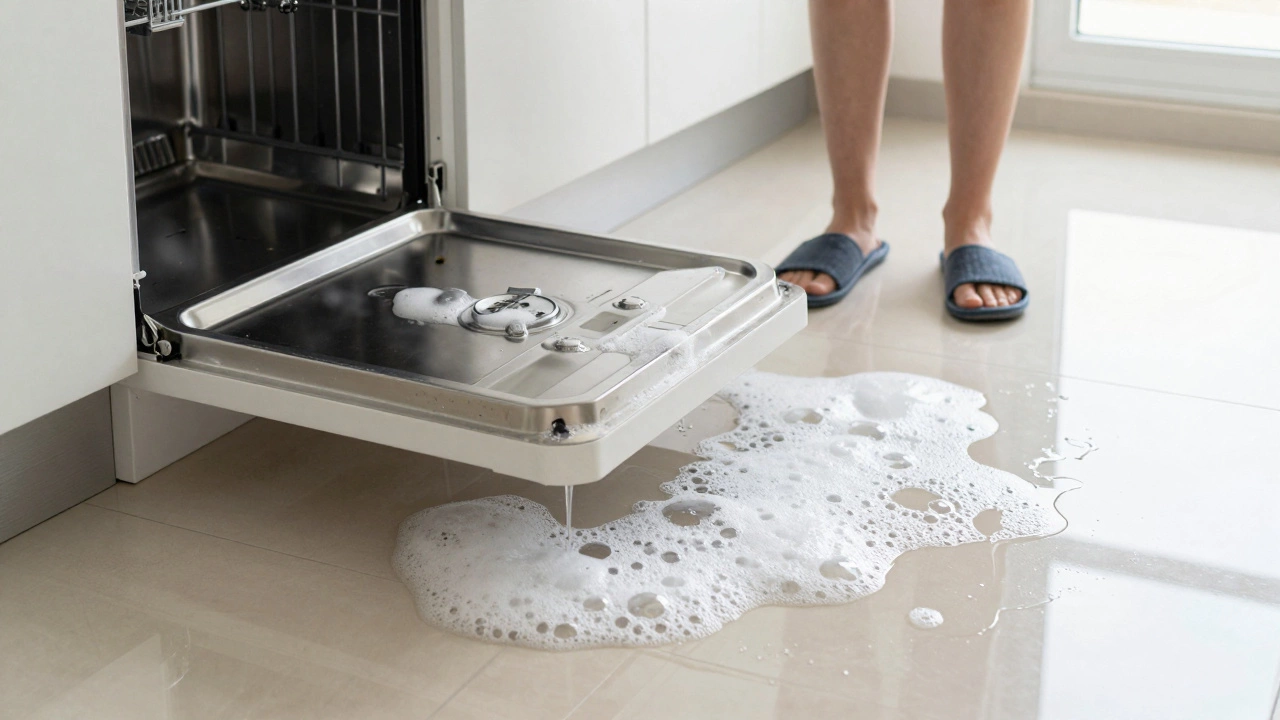
Is it Worth Repairing a 4-Year-Old Dishwasher? Cost vs. Replacement Guide
- Alden Wilder
- Apr 6 2026
- 0 Comments
Should you fix a 4-year-old dishwasher or buy a new one? Learn the 50% rule, common repair costs, and when a breakdown is actually a sign to upgrade.
View More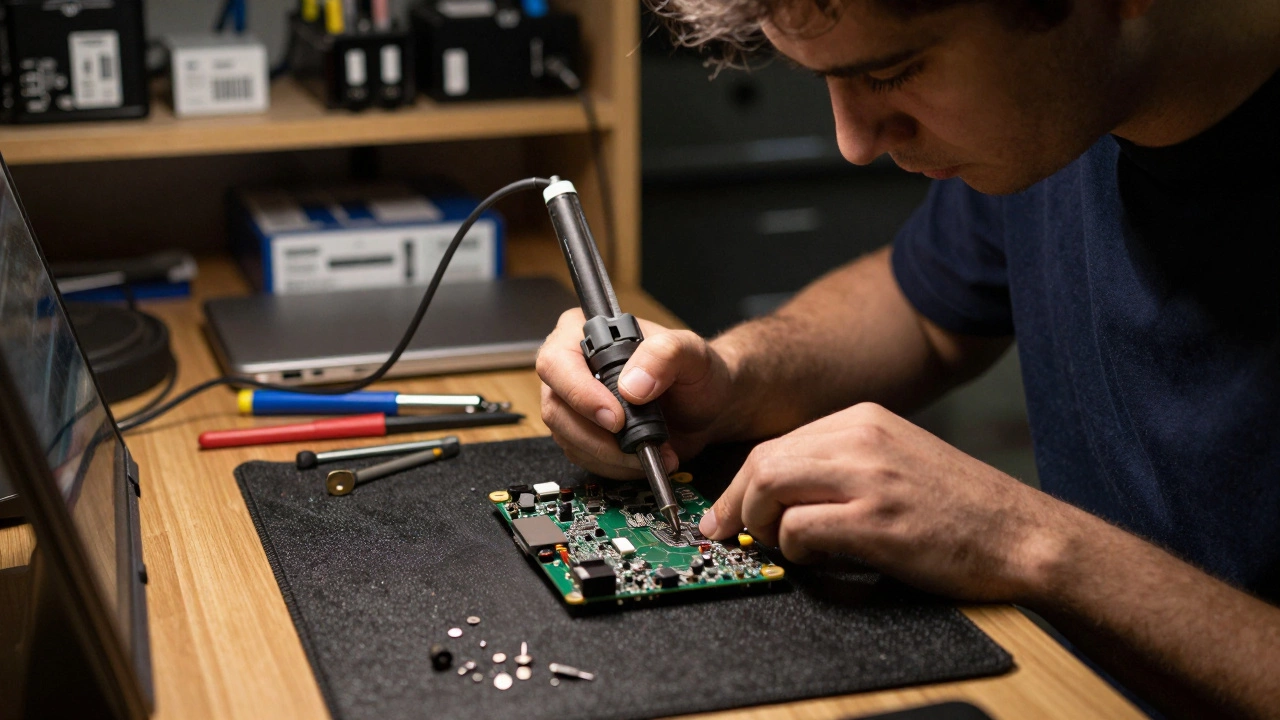
Why Is Laptop Repair So Expensive? Real Reasons Behind the Cost
- Alden Wilder
- Dec 1 2025
- 0 Comments
Laptop repair costs more than you think because of hidden labor, locked-down parts, and manufacturer policies designed to push replacements. Here’s what’s really behind the price tag - and how to save money.
View More-

Is it Safe to Take Your Laptop to a Repair Shop? How to Protect Your Data
Apr 5, 2026 -
Can You Use a Washing Machine With a Broken Boiler?
Apr 4, 2026 -

Oven Element vs. Thermostat: How to Tell Which One is Broken
Apr 9, 2026 -
Is it Worth Repairing a 4-Year-Old Dishwasher? Cost vs. Replacement Guide
Apr 6, 2026